Category: Health

  • Concept Medical’s 3-Year SIRONA Data Brings Long-Term Outcomes Back Into the Conversation

    Concept Medical’s 3-Year SIRONA Data Brings Long-Term Outcomes Back Into the Conversation

    London [United Kingdom], April 25: At the Charing Cross Symposium 2026 this week, one theme kept resurfacing in quiet conversations between clinicians: what happens after the first year?

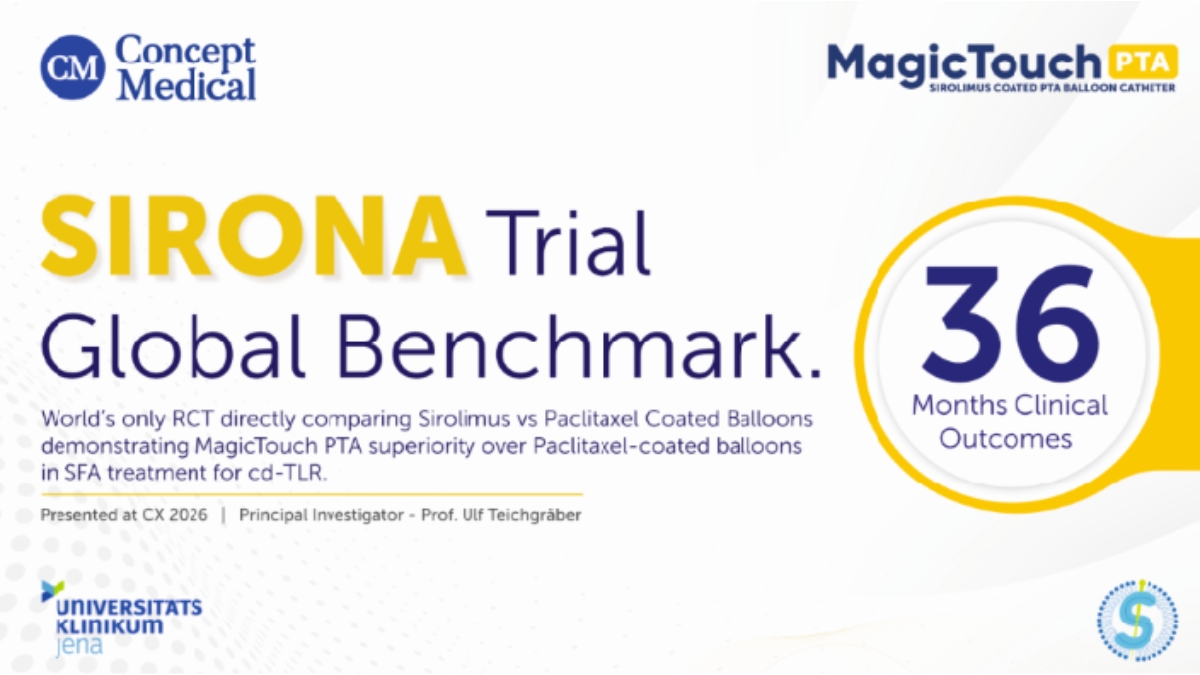
    It’s a question that doesn’t always make headlines, but it tends to shape real-world decisions. The preliminary three-year data from the SIRONA randomised trial, presented by Prof. Ulf Teichgräber, leaned directly into that gap.

    The study, backed by Concept Medical Inc., compares sirolimus-coated and paclitaxel-coated balloon angioplasty in femoropopliteal artery disease — an area where treatment choices have long been influenced by familiarity as much as by evidence.

    Looking Past the First Milestone

    For years, most discussions around drug-coated balloons have centred on JACC 6- or 12-month results. Those numbers are important, but they don’t always tell the full story.

    SIRONA was set up to follow that story a little longer.

    The trial had already reported its one-year findings in the Journal of the American College of Cardiology, where the sirolimus-coated approach held its ground against paclitaxel across key endpoints. What’s different now is the added perspective of time.

    What the Data Is Beginning to Show

    At three years, the gap that’s starting to draw attention is reintervention.

    Patients treated with the sirolimus-coated balloon showed a higher rate of freedom from clinically driven target lesion revascularisation. In simpler terms, fewer of them needed to come back for another procedure.

    The rest of the data is, in some ways, just as important for what it doesn’t reveal. Mortality rates stayed aligned between the two groups. Major amputations remained rare. No unexpected safety signals appeared.

    It’s not the kind of data that shouts. It’s the kind that settles in slowly.

    Measured Optimism from the Clinical Side

    Prof. Ulf Teichgräber, who presented the findings, didn’t overstate the outcome. His view was straightforward; the consistency over three years is encouraging, particularly in a setting where durability is often hard to demonstrate.

    At the same time, he drew a clear line around interpretation. Not all sirolimus-coated balloons are the same, and results from one platform shouldn’t automatically be extended to others. It’s a reminder that device-specific data still matters.

    Where Concept Medical Fits In

    For Dr. Manish Doshi, the SIRONA trial reflects a longer game.

    There’s an obvious commercial angle to any clinical programme, but in this case, the emphasis has been on building a dataset that extends beyond early reassurance. The company has leaned into longer follow-ups at a time when the market itself is starting to demand them.

    As Concept Medical Inc. expands into more geographies, that kind of data may end up carrying more weight than initial performance claims.

    A Subtle Shift in the Field

    Nothing about the SIRONA update suggests an overnight change in practice. That’s not how this space works.

    What it does suggest is a shift in what people are paying attention to.

    There’s a growing sense that durability — not just immediate success — is becoming the more relevant benchmark. And studies that can hold up over time are starting to stand out.

    If the final adjudicated results align with what’s been presented so far, the conversation around sirolimus-coated balloons could move from “alternative option” to something closer to a standard consideration.

    For now, though, it remains what it is, an early but steady signal, and one that the field seems to be watching a little more closely.
  • Aayush Wellness launches ‘Liver Detox Tablets’ to Capture Growing Demand in Preventive Wellness and Lifestyle Disease Management

    Aayush Wellness launches ‘Liver Detox Tablets’ to Capture Growing Demand in Preventive Wellness and Lifestyle Disease Management

    Launch aligns with rising fatty liver prevalence and a rapidly expanding nutraceutical market, reinforcing the Company’s strategy to build condition-led preventive healthcare categories.

    Mumbai (Maharashtra) [India], April 24: In a continued effort to expand its preventive healthcare portfolio, Aayush Wellness Limited (BSE: 539528,  MSEI:  AAYUSH),  an Integrated Healthcare company, has announced the launch of its latest innovation, Liver Care Tablets. This advanced herbal formulation is designed to naturally detoxify, protect, and regenerate liver cells, addressing the growing liver health challenges triggered by modern lifestyle habits, environmental toxins, and poor dietary choices.

    The launch strengthens Aayush Wellness Limited’s expanding preventive healthcare portfolio and positions the company to participate in a large and growing wellness opportunity driven by lifestyle disorders, rising health awareness, and increasing consumer preference for daily condition-support products.

    Liver health is emerging as a major public health and preventive care theme in India. Government and clinical sources note that chronic liver disease in India is driven by non-alcoholic fatty liver disease, alcohol-related liver disease, and viral hepatitis, while official data cited in Parliament referenced that over 200,000 deaths annually in India are attributed to liver diseases, making it the 10th most common cause of death.

    Fatty liver disease, in particular, is becoming a significant metabolic health concern. Recent estimates cited by health reporting indicate prevalence in India may range from 9% to 53%, and one multicity cohort reported evidence of fatty liver in about 38.9% of adults screened, highlighting a large underserved need for early, preventive liver-support solutions.

    Aayush Wellness

    Against this backdrop, Aayush Wellness Limited’s Liver Detox Tablets are designed to address a growing consumer need for proactive liver support before disease progression and more serious complications emerge.

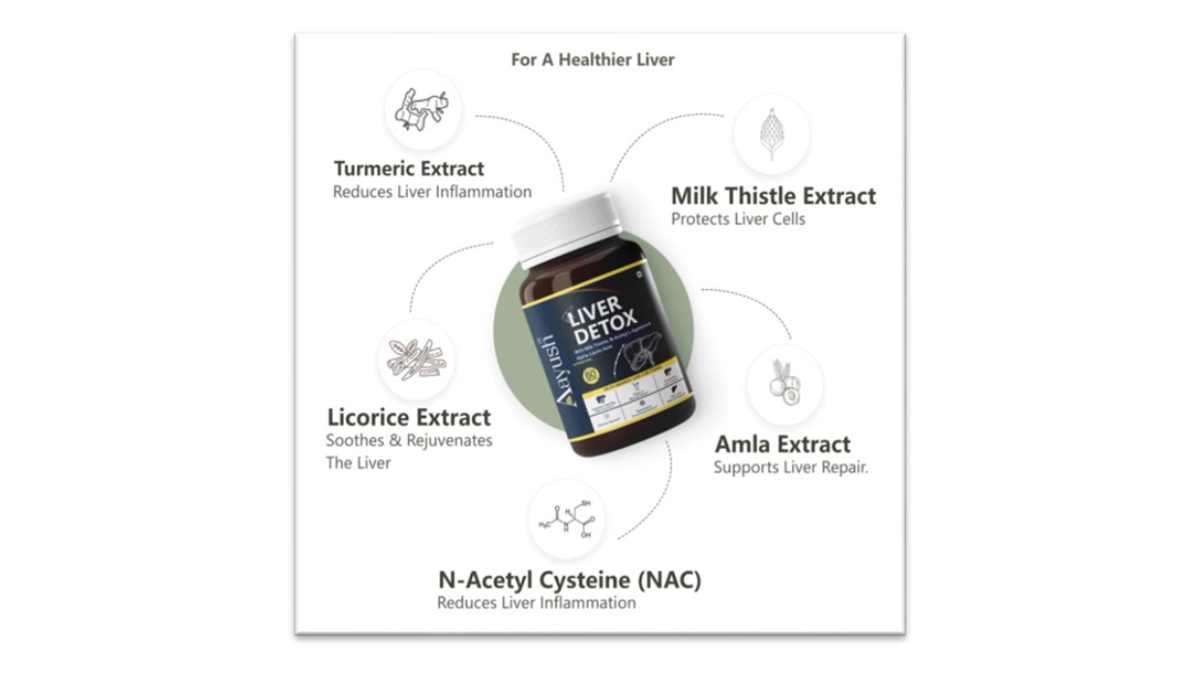
    The formulation combines Milk Thistle, N-Acetyl Cysteine (NAC), Alpha Lipoic Acid, and L-Glutamine, ingredients selected to support detoxification pathways, help reduce oxidative stress, promote liver cell protection, and support metabolic balance.

    For investors, the launch reflects Aayush Wellness Limited’s strategy of building a diversified preventive wellness portfolio around high-relevance, repeat-use categories shaped by modern lifestyle risks. The company’s recent product expansion across Herbal Masala, Beauty Gummies, Sleep Gummies, Lung Care Tablets, and now Liver Care Tablets demonstrates a scalable platform approach to consumer healthcare innovation.

    India’s nutraceutical market, currently estimated at approximately $18 billion, is witnessing strong double-digit growth, supported by rising health awareness, increasing disposable incomes, and a shift toward preventive healthcare. Within this context, Aayush Wellness Limited is strategically positioning itself to capture emerging opportunities by expanding its product range and strengthening its presence in high-growth wellness categories.

    Commenting on the launch, Naveenakumar, Managing Director of Aayush Wellness Limited, said:

    “Liver health remains an under-addressed yet critical component of overall well-being. With our Liver Care Tablets, we aim to offer a preventive solution that empowers individuals to proactively manage their health. By integrating Ayurvedic wisdom with clinically validated ingredients, we are building solutions that are both effective and aligned with evolving consumer preferences.”

    With a focus on innovation, quality, and accessibility, the company continues to invest in research-driven product development and consumer-centric solutions. The launch of Liver Detox Tablets is expected to enhance Aayush Wellness Limited’s market positioning while contributing to long-term value creation for stakeholders by tapping into the rapidly growing preventive healthcare segment.

    Liver Detox Tablets are available for purchase on our official website at store.aayushwellness.com/ and will soon be accessible across leading online marketplaces.

    About Aayush Wellness Limited:

    (ISO 9000 and 22000 certified company)

    Aayush Wellness Limited [BSE scrip code: 539528, MSEI Symbol – AAYUSH], established in 1984, is a pioneering name in health and wellness solutions, dedicated to offering products that merge wellbeing with innovation. We are India’s integrated healthcare company committed to offering quality products and services to enhance the consumer well-being. Aayush Wellness continues to lead the industry in promoting healthier lifestyle choices through its diverse range of wellness products and services. For more information, please visit www.aayushwellness.com or Call 8655611700 for business inquiries.

    If you object to the content of this press release, please notify us at pr.error.rectification@gmail.com. We will respond and rectify the situation within 24 hours.

  • Raveena Tandon & Avneet Kaur Join DR. Rashel to Host 200+ Creators at ‘The Sun & Skin Affair’ Event in Mumbai

    Raveena Tandon & Avneet Kaur Join DR. Rashel to Host 200+ Creators at ‘The Sun & Skin Affair’ Event in Mumbai

    Mumbai (Maharashtra) [India], April 23: DR. Rashel, one of India’s leading skincare brands, successfully hosted The Sun & Skin Affair in Mumbai — an exclusive, invitation-only event that brought together over 200 creators and influencers for a high-energy, summer-inspired poolside celebration.

    Built around the brand’s vibrant summer campaign, “Karo Dhoop Se Dosti”, the event highlighted the rising popularity of DR.Rashel’s customer-favourite De-Tan range, with the De-Tan Sunscreen and De-Tan Scrub emerging as category bestsellers across e-commerce platforms like Amazon and Flipkart. The campaign motivates consumers to adopt an effective summer skincare routine that helps protect, heal, and improve the skin, encouraging them to embrace the sun with confidence while staying protected.

    The evening was elevated by the presence of Bollywood icon Raveena Tandon and social media sensation Avneet Kaur, who added star power and excitement to the already buzzing atmosphere. From poolside experiences to interactive brand moments, the event delivered an unforgettable blend of skincare, entertainment, and summer vibes.

    Interacting with the media, Avneet Kaur shared her love for the De-Tan Sunscreen, highlighting that it is a 100% vegan and Made-in-India formulation, making it a perfect fit for her summer skincare routine.

    Raveena Tandon, while sharing her summer skincare hacks, also praised the event for its vibrant concept and energy. She expressed her admiration for DR.Rashel, saying, “I love the brand, and I will always be one of its strongest supporters.”

    The event brought together a thoughtfully curated mix of experiences—from a DIY Charm Studio and a dedicated product experience centre to engaging games that kept the vibe alive all evening. Guests indulged in curated food and refreshing beverages, all set to music that seamlessly tied the entire poolside experience together.

    Speaking about the event, co-founder Pravin Bera said,
     “At DR.Rashel, we believe skincare should be simple, effective, and enjoyable. ‘Karo Dhoop Se Dosti’ is not just a campaign — it’s a mindset shift. Through this event, we wanted to create an experience that reflects our philosophy and connects with our audience in a fun, meaningful way.”

    Co-founder Devji Hathiyani added,
     “The Sun & Skin Affair is a celebration of our community — the creators, consumers, and partners who have been a part of our journey. Seeing such an overwhelming response motivates us to continue innovating and delivering products that truly resonate with Indian consumers.”

    With The Sun & Skin Affair, DR.Rashel proved once again that it goes beyond skincare — creating experiences, building communities, and living its philosophy of “Life is BeYOUtiful.”

    About DR.Rashel

     DR.Rashel is a leading beauty and personal care brand committed to delivering innovative, high-performance skincare solutions. Backed by a diverse product portfolio and a strong omnichannel presence, the brand blends global skincare trends with formulations suited for Indian skin, making it a trusted choice among millions of consumers.

    Website: https://dr.rashel.in

    If you object to the content of this press release, please notify us at pr.error.rectification@gmail.com. We will respond and rectify the situation within 24 hours.

  • Unihealth Hospitals Expands Uganda Footprint with Strategic Entebbe Acquisition, Scaling Capacity to 150 Beds

    Unihealth Hospitals Expands Uganda Footprint with Strategic Entebbe Acquisition, Scaling Capacity to 150 Beds

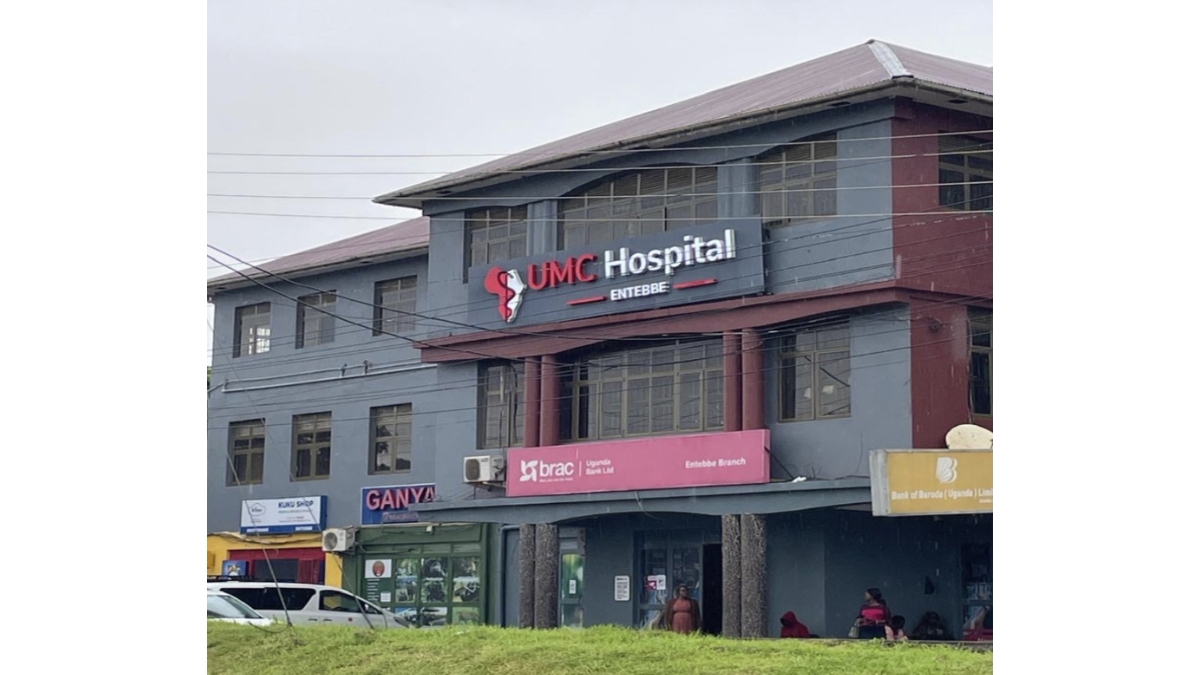
    Mumbai (Maharashtra) [India], April 23: Unihealth Hospitals Limited (NSE: UNIHEALTH | INE0PRF01011) a leading integrated healthcare services provider in India and East Africa, today announced the successful acquisition and commissioning of UMC Hospital, Entebbe. 

    This strategic expansion adds 30 beds to the network, increasing the total bed capacity of the Company in Uganda to 150 beds and reinforcing UniHealth’s commitment to delivering high-quality, accessible healthcare services across the country.

    Located in a key catchment area, UMC Hospital, Entebbe, will operate as a critical extension of UniHealth’s flagship facility in Kampala, UMC Victoria Hospital. The expansion enhances UniHealth’s ability to serve both urban and peri-urban populations, easing capacity constraints and improving patient access to specialized and tertiary care services.

    With the commissioning of the upgraded facility, UMC Hospital, Entebbe will offer an expanded range of services across faculties, including Internal Medicine, General Surgery, Obstetrics and Gynaecology, Paediatrics, Orthopaedics and Trauma Management, Chronic Disease Management Programs, and comprehensive Diagnostic and Laboratory Services.

    The facility will support outpatient services, inpatient admissions, and day-care and surgical procedures, enabling faster patient throughput and improved clinical outcomes.

    The addition of UMC Hospital, Entebbe, strengthens UniHealth’s hub-and-spoke model, with UMC Victoria Hospital serving as the central hub for complex, high-acuity cases, while Entebbe operates as a high-quality spoke facility for primary, secondary, and select tertiary services.

    This integrated model delivers several key advantages:

    • Optimized Resource Utilization: Efficient allocation of medical expertise and infrastructure across facilities
    • Improved Patient Flow: Seamless referrals between Entebbe and Kampala for specialized interventions
    • Reduced Wait Times: Decongestion at the flagship hospital, enhancing patient experience
    • Enhanced Clinical Outcomes: Coordinated care pathways across the network

    The commissioning of UMC Hospital, Entebbe, is expected to be accretive to UniHealth’s financial performance. 

    By expanding capacity and service offerings, the Company anticipates:

    • Increased patient volumes across both inpatient and outpatient segments
    • Higher occupancy rates driven by improved accessibility
    • Enhanced case mix with greater contribution from specialized procedures
    • Improved operating margins through economies of scale and shared services

    The hub-and-spoke model is designed to drive operational efficiencies, reduce duplication of high-cost assets, and optimize clinician productivity, supporting sustainable margin expansion over the medium term.

    Commenting on the development, Dr. Anurag Shah, Founder and Director of Unihealth Hospitals Limited, said, “This expansion marks a significant milestone in our journey to build a robust, integrated healthcare network in Uganda. UMC Hospital, Entebbe, will play a pivotal role in extending quality care closer to communities while strengthening our flagship operations in Kampala. We believe this initiative will not only enhance patient outcomes but also create meaningful value for our stakeholders through improved efficiencies and growth.”

    Adding to this, Dr. Akshay Parmar, Founder and Managing Director of Unihealth Hospitals Limited, said, “The commissioning of UMC Hospital, Entebbe, reflects our continued focus on building resilient healthcare ecosystems in the regions we serve. This expansion is not just about increasing capacity—it is about deepening access to timely, high-quality care through a well-integrated network. By strengthening our hub-and-spoke model, we are ensuring that patients receive the right level of care at the right facility, supported by consistent clinical standards and coordinated pathways. As we scale our presence in Uganda, our priority remains clear: to deliver sustainable, patient-centric healthcare solutions that improve outcomes while maintaining operational efficiency.”

    If you object to the content of this press release, please notify us at pr.error.rectification@gmail.com. We will respond and rectify the situation within 24 hours.

  • OMRON Healthcare and Tricog Health strengthen collaboration in India with Tricog CardioCheck (TCC)

    OMRON Healthcare and Tricog Health strengthen collaboration in India with Tricog CardioCheck (TCC)

    AI-powered ECG analysis enables rapid risk assessment and supports early detection of heart disease risK

    Kyoto [Japan], April 23: OMRON Healthcare Co., Ltd., a global leader in clinically proven medical devices for home health monitoring and treatment, today announced the integration of its ECG-enabled upper arm blood pressure monitors with Tricog Health Pte. Ltd.’s clinically validated AI-powered cardiac triage service, Tricog CardioCheck (TCC). The service is scheduled for rollout at health centers across India from April 2026.

    Tricog CardioCheck (TCC) enables ECG data recorded using OMRON Healthcare’s Complete™ blood pressure monitors with integrated ECG monitoring to be transmitted to the cloud and analyzed by Tricog’s AI algorithms. Within approximately 10 seconds, the system provides a three-level risk assessment, supporting patient triage and timely clinical evaluation
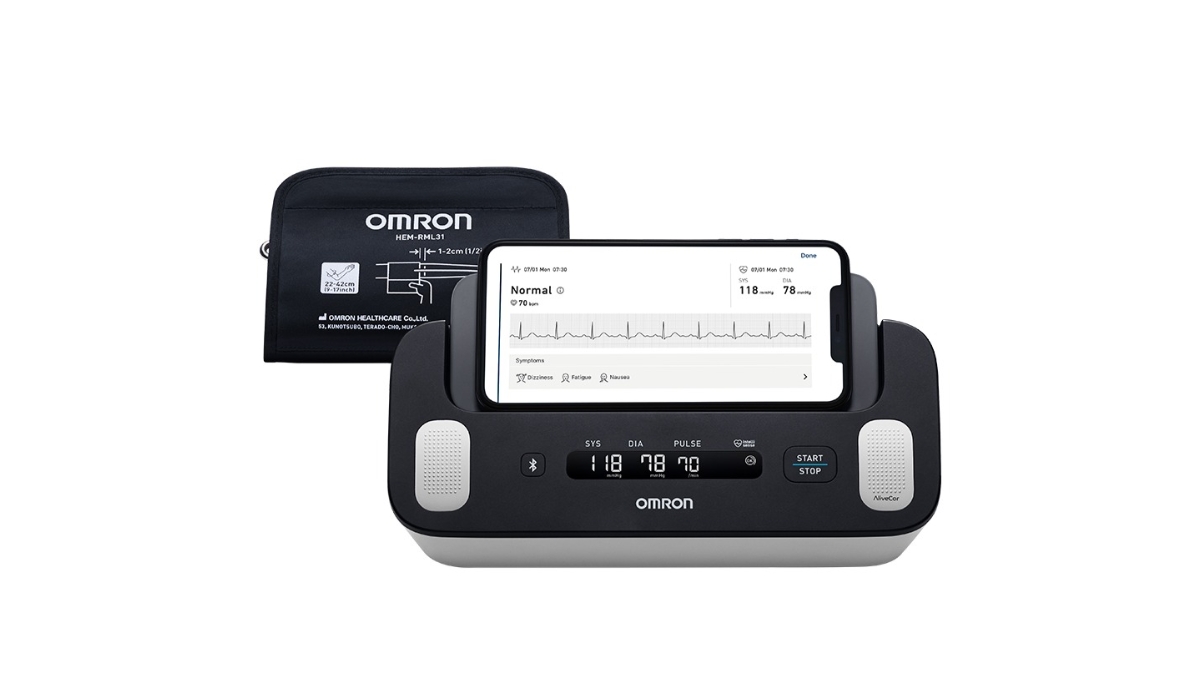

    Results are displayed via a dedicated smartphone application designed for healthcare professionals, allowing front-line care providers to review patient risk levels in real time and quickly determine the need for further examination, even where a cardiology specialist is not immediately available.

    Cardiovascular disease represents a growing public health challenge in India, with the number of patients projected to increase from approximately 110 million today to 230 million by 2050. At the same time, access to specialized care remains limited, with far fewer cardiology specialists per capita than in Japan or the United States and limited access to facilities equipped for advanced cardiac testing.

    While early identification can be crucial to the effective management of cardiovascular conditions such as heart failure and heart attacks, helping to reduce the risk of serious complications, including strokes, many cases go undetected until overt symptoms begin to develop.

    OMRON

    By integrating ECG measurement into routine blood pressure monitoring at clinics, Tricog CardioCheck (TCC) supports the identification of patients whose underlying conditions may otherwise go undiagnosed. Furthermore, the system enables cardiovascular screening to be incorporated into existing workflows without significantly increasing operational burden, facilitating earlier detection and more timely referral for further evaluation.

    Since its initial investment in Tricog in fiscal year 2023, OMRON Healthcare has continued to strengthen its partnership with the company in order to address key healthcare challenges in India. Through ongoing collaboration, both companies aim to expand access to innovative diagnostic solutions and contribute to improving cardiovascular health outcomes across the country.

    About OMRON Healthcare

    Committed to advancing health and empowering people worldwide to live life to the fullest, OMRON Healthcare is a global leader in the field of clinically proven, innovative medical equipment for home health monitoring and treatment. Aiming to realize its vision, “Going for ZERO, Preventive Care for the Health of Society,” the company develops products for cardiovascular condition management, respiratory care, and pain therapy. Building on this, it has introduced a new digital health ecosystem that bridges patients and healthcare professionals, helping to reduce cerebro-cardiovascular events, the worsening of respiratory diseases, and limitations caused by chronic pain.

    With over 400 million units sold globally, OMRON provides the world’s most recommended blood pressure monitors by healthcare professionals. Throughout its history, OMRON Healthcare has striven to improve lives and contribute to a better society by developing innovations that help people prevent, treat, and manage their medical conditions, providing products and services in over 130 countries.

    For more information, please visit: 
     Website: https://healthcare.omron.com/
     LinkedIn: https://www.linkedin.com/company/omron-healthcare-co-ltd-/

    Media enquiries

    This press release is disseminated by Kyodo PR on behalf of OMRON Healthcare. For more information or for interview opportunities, please contact:
    OMRON Healthcare Press Desk: omronhealthcare-pr@kyodo-pr.co.jp

    If you object to the content of this press release, please notify us at pr.error.rectification@gmail.com. We will respond and rectify the situation within 24 hours.

  • Skin Barrier Repair for Indian Skin: A Dermatology-First, Ingredient-Science Approach

    Skin Barrier Repair for Indian Skin: A Dermatology-First, Ingredient-Science Approach

    New Delhi [India], April 22: Your skin has been through a lot. The humidity in Mumbai, the dry winters in Delhi, the hard water in Bangalore — and on top of that, a skincare shelf crowded with serums, exfoliants, toners, and SPFs. If your skin feels sensitive, congested, or just persistently dull no matter what you try, the problem is rarely about finding the right product. It is usually about what is happening underneath, at the level of your skin barrier.

    What the Skin Barrier Actually Does

    Your skin barrier is the outermost layer of your skin. It is made up of skin cells held together by lipids — fats that seal moisture in and keep irritants out. Think of it like a brick wall. The cells are the bricks, and the lipids are the mortar.

    When this barrier is healthy, your skin stays hydrated, calm, and balanced. When it is damaged, everything gets through — pollution, bacteria, harsh ingredients — and moisture escapes. The result is the kind of skin that feels tight, looks uneven, breaks out easily, or stings when you apply products that never used to bother you.

    For Indian skin specifically, this barrier is under constant pressure. High UV exposure, pollution, fluctuating humidity, and a tendency toward oily skin in tropical climates all create conditions where the barrier gets worn down faster than it can recover.

    Why Indian Skin Faces Unique Barrier Challenges

    Indian skin sits across a wide range of Fitzpatrick skin types, typically Type III to Type V. This comes with specific tendencies worth understanding:

    • Higher melanin levels mean stronger sun damage resistance, but also a higher risk of post-inflammatory hyperpigmentation when skin is inflamed or damaged
    • Naturally higher sebum production in tropical and semi-arid climates can lead to over-cleansing, which strips the barrier
    • Hard water in most Indian cities leaves mineral deposits on skin that disrupt pH and weaken the lipid layer
    • Seasonal transitions — especially from monsoon to winter — create sudden shifts in skin hydration that catch the barrier off-guard

    None of these are problems you can solve by adding more products. They require a different approach entirely.

    The Most Common Ways People Damage Their Barrier Without Realising It

    This is where most skincare routines quietly go wrong. The damage is gradual, so it is easy to miss until the skin is already reacting.

    • Over-cleansing or using foaming cleansers with sulfates twice a day strips the natural oils that support barrier function
    • Using too many actives — retinol, AHAs, BHAs, vitamin C, niacinamide — at the same time without giving skin time to adjust
    • Layering products in the wrong order or mixing ingredients that compete with each other
    • Skipping moisturiser because skin feels oily, which forces the barrier to compensate by producing more sebum
    • Applying SPF only occasionally, leaving skin exposed to UV damage that breaks down collagen and disrupts the barrier over time

    Each of these feels like a small decision. Together, they can push skin into a state of chronic low-grade inflammation that no single serum will fix.

    What Barrier Repair Actually Looks Like

    Repairing a damaged skin barrier is not about introducing a new hero ingredient. It is about reducing the load on your skin and giving it the conditions it needs to restore itself.

    The core ingredients backed by dermatological research for barrier repair are ceramides, which rebuild the lipid layer; niacinamide, which reduces inflammation and supports barrier proteins; and hyaluronic acid, which draws moisture into the skin. Panthenol and squalane are also well-tolerated options for Indian skin across all skin types.

    What matters more than the ingredients, though, is the approach. A simple routine used consistently will always outperform a complex one used irregularly.

    Some brands, like Clear Ritual, are built around this exact principle — keeping routines minimal and barrier-friendly rather than layering actives that can do more harm than good when the skin is already compromised.

    How to Rebuild Your Routine the Right Way

    If your skin is reacting, sensitised, or just not improving, start here:

    • Strip your routine back to three steps: a gentle cleanser, a moisturiser with ceramides or niacinamide, and a broad-spectrum SPF in the morning
    • Pause all actives for at least two to four weeks and observe how your skin responds
    • Reintroduce one active at a time, starting with the mildest option, and give each at least three to four weeks before judging the result
    • Prioritise sleep and hydration — cortisol from poor sleep directly weakens barrier integrity
    • Switch to lukewarm water for cleansing; hot water accelerates moisture loss

    The goal is not a ten-step routine. The goal is a stable, functioning barrier.

    Final Thoughts

    Healthy skin for Indian skin types is not about using more. It is about understanding what your barrier needs and removing the things that work against it. Over time, with a consistent and intentionally simple routine, skin has a remarkable ability to settle, recover, and function well.

    You do not need to overhaul everything at once. Start with less. Give your skin space to breathe. That is where real, lasting improvement begins.

    If you object to the content of this press release, please notify us at pr.error.rectification@gmail.com. We will respond and rectify the situation within 24 hours.

  • Choosing The Best Health Insurance Company in India: Look Beyond Premium And Sum Insured

    Choosing The Best Health Insurance Company in India: Look Beyond Premium And Sum Insured

    Mumbai (Maharashtra) [India], April 17: When you compare health plans, it is easy to focus only on the premium and sum insured. Both matter, but they do not tell you how smooth your experience may be when you actually need medical cover.

    If you are trying to shortlist the best health insurance companies, you need to look deeper. A well-chosen insurer is not just about affordability. It is about clarity, help, flexibility, and how confidently the programme fits your real healthcare needs.

    Why Premium And Sum Insured are Only the Starting Point

    Premium tells you what you pay. The sum insured tells you the broad financial cover available. Neither, on its own, tells you how useful the policy may feel during a medical emergency.

    A more balanced evaluation should include the following:

    • Wording clarity: You should be able to understand what is covered, what is restricted, and what falls outside the plan without struggling through vague language.
    • Scope of Coverage: Look at the range of treatments, hospitalisation benefits, pre- and post-hospitalisation cover, daycare procedures, and other built-in features.
    • Exclusions and Limits: A plan may appear attractive at first glance, but certain exclusions, condition-specific waiting periods, or treatment limits can affect its real value.
    • Renewal Terms: Long-term dependability matters. You should review renewal conditions and continuity benefits carefully before making a decision.

    What to Review Before Shortlisting an Insurer

    If you want to identify one of the best insurance companies for your needs, it helps to examine how the insurer operates, not just how the plan is priced.

    Pay attention to these factors:

    • Claim Support Experience: A policy becomes meaningful when claim assistance is easy to access and simple to understand. Look for smooth communication, guided help, and transparent documentation requirements.
    • Cashless Hospital Access: The convenience of cashless treatment can make a major difference during stressful situations. Review the insurer’s hospital network and check whether it matches the cities and medical facilities you may prefer.
    • Customer Service Quality: Responsive service is important at every stage, from buying the policy to renewal and claims. Good support should feel accessible, informed, and timely.
    • Digital Convenience: Many buyers now expect access, claim tracking, and service requests to be available digitally. Ease of use matters, especially when you need quick help.

    Why the Suitability Matters More Than a Low Price

    A lower premium may seem appealing, but the right plan is the one that suits your profile, family needs, and expected medical requirements. Cost should be weighed against usefulness.

    When assessing suitability, consider:

    • Your Family Structure: Individual cover and family-based cover work differently. Your choice should depend on who needs protection.
    • Health and Lifestyle Needs: Existing conditions, recurring medical concerns, and stage of life can influence what kind of features you should prioritise.
    • Treatment Preferences: If you prefer access to certain hospitals, specialists, or city-based healthcare options, your policy should support that preference.
    • Flexibility at Renewal: A good policy should continue to remain relevant as your needs evolve over time.

    How to Read the Fine Print Without Missing What Matters

    The fine print often decides whether a policy feels reliable when you need to use it. This is where many buyers overlook important details while comparing the best health insurance companies.

    Focus on reading these parts carefully:

    • Waiting Period Clauses: Understand when specific benefits begin and how long certain conditions may remain uncovered.
    • Sub-Limits And Restrictions: Room category limits, treatment caps, and benefit-specific conditions can influence your out-of-pocket spending.
    • Co-Payment Terms: If the policy includes a mandatory share of medical expenses from your side, you should know when it applies.
    • Definition of Covered Treatments: Coverage can vary depending on how medical procedures and treatment categories are defined in the wording.

    What a Thoughtful Comparison Really Looks Like

    Choosing among the best insurance companies is less about finding a programme that looks impressive on paper and more about selecting one that feels dependable in real life.

    A thoughtful comparison usually comes down to:

    • Consistency Over Attractive Marketing
    • Clarity Over Complexity
    • Support Over Assumptions
    • Suitability Over Surface-Level Price Comparison

    When you evaluate an insurer through this wider lens, you give yourself a better chance of choosing cover that works for you, not just cover that looks competitive at first glance.

    Conclusion

    The search for the best insurance companies should go beyond premiums and sum insured. A stronger decision comes from reviewing coverage depth, terms, service quality, claim support, and overall fit with your needs.

    Before you choose any plan, take time to read the programme carefully and compare it with a clear head. The right insurance company is the one that offers confidence, clarity, and support when it matters most.

    If you object to the content of this press release, please notify us at pr.error.rectification@gmail.com. We will respond and rectify the situation within 24 hours.

  • Healing Hospital Chandigarh Introduces Adaptive DBS for Parkinson’s Disease

    Healing Hospital Chandigarh Introduces Adaptive DBS for Parkinson’s Disease

    First in Tricity; among select centres in India to offer next-generation brain stimulation therapy

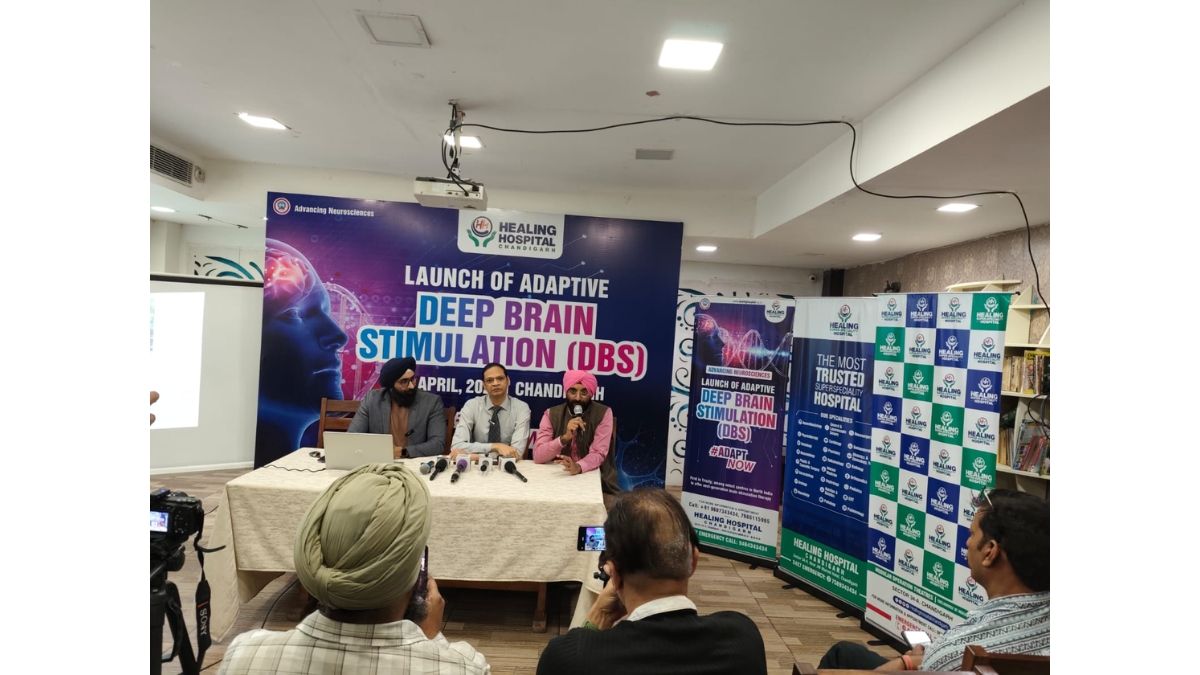
    Chandigarh [India], April 17: Healing Hospital Chandigarh today announced the launch of Adaptive Deep Brain Stimulation (aDBS), an advanced therapy for Parkinson’s disease. With this development, the hospital becomes the first centre in Tricity and among a limited number of centres in India to offer this next-generation treatment.

    This milestone builds on the hospital’s established expertise in Deep Brain Stimulation (DBS) surgery, with multiple successful procedures performed for patients across North India. Healing Hospital has emerged as a trusted referral centre for neurology and neurosurgery, managing complex brain and spine conditions across the region.

    Adaptive DBS represents a significant advancement over conventional DBS. While traditional systems deliver continuous stimulation, adaptive DBS uses real-time brain signal monitoring to automatically adjust stimulation levels—offering a more precise and personalized approach to Parkinson’s treatment.

    In simple terms, the procedure involves implanting a small device (similar to a pacemaker) that sends controlled electrical signals to specific areas of the brain, helping regulate abnormal activity and improve movement-related symptoms.

    “Patients with Parkinson’s often experience fluctuations throughout the day. With adaptive DBS, we aim to improve stability and reduce these variations, leading to better day-to-day functioning,” said Dr. J.P. Singhvi, Neurologist, Healing Hospital Chandigarh.

    “Deep Brain Stimulation has already transformed the management of advanced Parkinson’s disease. Adaptive DBS further refines this by making therapy responsive to the patient’s brain activity in real time,” said Dr. Jaspreet Randhawa, Neurosurgeon, Healing Hospital Chandigarh.

    Commenting on the development, Mr. Sahibjit Singh Sandhu and Mr. Drishmeet Singh Buttar, Managing Partners, Healing Hospital Chandigarh, said:
    “This advancement reflects our continued focus on bringing cutting-edge medical technologies to North India. Our goal is to ensure that patients in the region have access to globally aligned, advanced treatment options without the need to travel far. Adaptive DBS is an important step in strengthening our neurosciences programme.”

    Deep Brain Stimulation (DBS) is a well-established treatment, with meaningful improvement seen in approximately 70–80% of appropriately selected patients. Adaptive DBS builds on this by aiming to further improve symptom consistency, reduce fluctuations, and enhance overall quality of life.

    Patients typically require a hospital stay of 2–4 days and are able to resume routine activities within 1–2 weeks, with further programming and optimization carried out over time.

    Adaptive DBS at Healing Hospital is enabled through advanced, sensing-enabled neurostimulation technology developed by Medtronic, a global leader in medical devices. With this development, Healing Hospital joins a select group of centres in India offering Adaptive DBS, alongside leading institutions such as Medanta – The Medicity and Apollo Hospitals Chennai.

    Parkinson’s disease is a progressive neurological disorder that affects movement, coordination, and quality of life. Patients with long-standing disease, medication-related complications, or motor fluctuations may benefit from advanced therapies such as DBS surgery.

    With the introduction of Adaptive DBS, Healing Hospital Chandigarh further strengthens its position as a centre for advanced Parkinson’s treatment and brain stimulation therapies in North India, bringing global-standard care closer to patients in the region.

    Healing Hospital Chandigarh is a NABH-accredited and one of the largest private healthcare institutions in the region, known for its clinical excellence, rapid growth, and strong focus on advanced medical technologies. The hospital offers 25+ specialties and caters to patients from across Punjab, Haryana, Himachal Pradesh, and beyond.

    The hospital is particularly recognized for its expertise in neurology, neurosurgery, spine surgery, and minimally invasive procedures, supported by modern infrastructure and an experienced clinical team. Driven by a vision to deliver global-standard healthcare, Healing Hospital continues to integrate advanced technologies with patient-centric care to improve outcomes and accessibility.

    If you object to the content of this press release, please notify us at pr.error.rectification@gmail.com. We will respond and rectify the situation within 24 hours.

  • Marengo Asia Hospitals Completes the Acquisition of Majority Stake in Sunshine Global Hospitals, Strengthening Presence in Western India

    Marengo Asia Hospitals Completes the Acquisition of Majority Stake in Sunshine Global Hospitals, Strengthening Presence in Western India

    Surat (Gujarat) [India], April 17: Marengo Asia Hospitals has further strengthened its Western India footprint by acquiring a majority stake in Sunshine Global Hospitals. The two NABH-accredited hospitals in Surat and Vadodara have a combined capacity of 400 beds. This acquisition further consolidates Marengo Asia Hospitals’ presence in Gujarat, where it already has two facilities in Ahmedabad and Bhuj. Marengo Asia Hospitals has become one of the largest hospital groups in Gujarat with a capacity of over 1150 beds.

    Marengo Asia Hospitals focuses on providing tertiary and quaternary care, creating “Centers of Excellence’ across clinical specialties, and adopting a ‘Patient First’ approach. This acquisition will also strengthen the concept of a clinical corridor, where the clinical strengths in sub-specialties and super-specialties of hospitals across major cities of Gujarat can be leveraged.

    Marengo

    With this acquisition, the clinician network of Surat and Vadodara will not only gain access to the national footprint of Marengo Asia but will also get opportunities to utilise their skill sets across the group’s existing medical strategic partnerships in Kenya, Iraq, the Kingdom of Saudi Arabia, the Middle East and Uzbekistan.

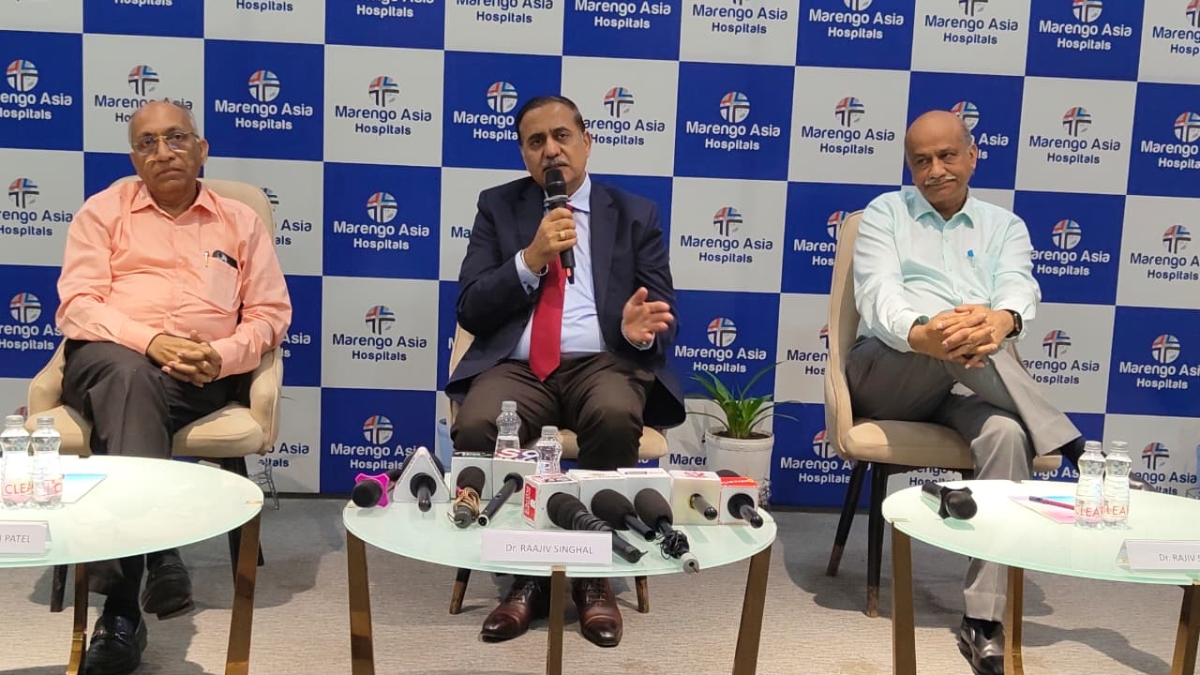
    Commenting on the acquisition, Dr. Raajiv Singhal, Founding Member, Group Managing Director & CEO, Marengo Asia Hospitals, said, “As we expand our presence in Western India, with over 1150 beds, we become one of the largest players in Gujarat. We are excited to enter the two prominent cities of Surat and Vadodara and bring our advanced tertiary and quaternary care expertise to the people of these cities and nearby areas. Every new hospital added to the Marengo Asia Hospitals network strengthens our commitment to the ‘Patient First’ approach, bringing advanced care closer to patients’ homes. With Sunshine Global Hospitals now integrated, the group operates a total of eight hospitals with a cumulative capacity of 2,500 beds, supported by over 1,000 doctors and 5,200 employees.”

    Dr. Raajiv Singhal further added, “This year, our endeavour will be to expand our national footprint and consolidate our North India cluster across Delhi, Punjab, and Uttar Pradesh. We are also exploring opportunities in international territories.”This expansion is expected to significantly benefit the existing patient base of Sunshine Global Hospitals and extend access to tertiary and quaternary super-specialty services to people across South and Central Gujarat.

    Dr. Bhikhubhai Patel, General, Laparoscopic & Bariatric Surgeon and Director, Baroda Medicare Pvt. Ltd., said, “This collaboration aligns perfectly with our vision of delivering quality, patient-first care. Together, we will bring global healthcare standards to South Gujarat.

    Dr. Rajiv Shah, Foot & Ankle Surgeon and Director, Baroda Medicare Pvt. Ltd., said, “Joining Marengo Asia Hospitals strengthens our ability to deliver advanced healthcare solutions while expanding our reach and impact across Gujarat and beyond.”

  • Preventive Health Checkups vs Diagnostic Tests: What Does Your Family Policy Pay For?

    Preventive Health Checkups vs Diagnostic Tests: What Does Your Family Policy Pay For?

    New Delhi [India], April 16: Many people expect every medical test to be covered, but insurers usually decide based on why the test was done. Preventive health check-ups are routine screenings done when you feel fine, while diagnostic tests are done to confirm a problem or guide treatment.

    A health insurance policy for a family may cover both, but often under different terms and conditions. In this article, you will learn what is typically paid for, what may be excluded, and how to avoid surprises at claim time.

    Preventive Checkup vs. Diagnostic Test: The Simple Difference

    A preventive health check-up is something you plan, even when you feel healthy. You do it to catch early warning signs, like routine screenings or an annual health package.

    A diagnostic test is different. It happens when there is a symptom or a concern, and your doctor orders tests to find the reason, confirm a condition, or monitor recovery.

    This difference matters because insurance usually covers diagnostic tests more easily than preventive tests, unless your policy clearly includes a preventive check-up benefit.

    What Family Policies Usually Pay for

    Most family plans mainly cover hospital stays. So, tests are usually covered best when they are connected to a hospital admission or a treatment that the policy covers.

    Your policy is more likely to pay for tests when:

    • They are part of a hospitalisation bill during treatment.
    • They are done just before admission, and your plan allows pre-hospitalisation expenses for the same illness.
    • They are done after discharge, and your plan allows post-hospitalisation expenses for the same claim.
    • They are connected to a covered daycare procedure, where admission is not required, but the procedure is covered.

    When people compare the best health insurance in India, they often focus on sum insured and cashless hospitals. Test coverage rules are equally important because they affect daily out-of-pocket spending.

    How Preventive Checkups are Usually Covered

    Preventive health checkups are typically offered as a wellness benefit. This benefit may be included in some plans or offered under specific conditions. In many policies, it is not the main promise of the plan, so you need to read the benefit wording carefully.

    In simple terms, preventive checkup cover usually works like this:

    • It may be available only after you complete a certain period with the policy.
    • It may have a defined process, such as using a partner centre or following an insurer-led booking method.
    • You may need to submit invoices and reports, even if the amount is small.
    • The benefit may cover only certain tests or packages, as described in the policy terms.

    When are Diagnostic Tests Usually Covered

    Diagnostic tests are more likely to be paid for when they are medically necessary and clearly connected to treatment. The link to a doctor’s advice and to a covered illness is what strengthens your case.

    Here is how it typically plays out in real life.

    • Before admission: If your plan covers pre-hospitalisation expenses, tests can be payable when they are prescribed, and the hospital admission happens for the same condition.
    • During admission, Tests done in the hospital are usually easier to settle because they are part of the inpatient bill and treatment notes.
    • After discharge: If your plan covers post-hospitalisation expenses, follow-up tests may be payable when they are part of recovery or monitoring for the same claim.

    OPD tests are handled differently. If you are not admitted to a hospital and your policy does not include OPD cover, the insurer may not pay for those tests, even if your doctor suggested them. That is why you should check whether your family plan covers only hospital stays or also outpatient expenses.

    Final Thoughts

    Preventive checkups and diagnostic tests may look similar on a lab bill, but insurance treats them differently. Preventive tests are usually covered only if your plan offers a wellness benefit, and you follow its rules. 

    Diagnostic tests are more likely to be covered when they are prescribed and tied to treatment, especially around hospitalisation. If you understand this clearly, your health insurance policy for your family becomes easier to use, and you avoid unpleasant surprises.

    If you object to the content of this press release, please notify us at pr.error.rectification@gmail.com. We will respond and rectify the situation within 24 hours.