Category: Health

  • You’re Not Deficient. Your Diet Just Has Gaps.

    You’re Not Deficient. Your Diet Just Has Gaps.

    New Delhi [India], July 01: There’s a word most people use for everything they take in a capsule form: supplement. Iron supplement. Vitamin D supplement. Omega-3 supplement. The word has become a catch-all and that’s exactly where the confusion starts.

    What a supplement actually is

    A supplement is corrective. It is designed to treat a specific, diagnosed deficiency. Your doctor runs a blood test, finds your Vitamin D is critically low, and prescribes a high dose to bring it back to normal range. That is supplementation, a targeted intervention for a verified clinical gap.

    The problem is that most people are not using supplements this way. They are self-prescribing high-dose Vitamin D, Iron tablets, Omega-3 capsules, and B12 based on symptoms or a friend’s recommendation. Without a confirmed deficiency, that high dose doesn’t help, it accumulates. Vitamin A and Vitamin D are fat-soluble; the body stores what it cannot use. Excess calcium can stress the kidneys over time. Taking supplements you don’t need, at doses designed for deficiency correction, is not preventive health. It is an unmanaged risk.

    What a dietary supplement actually is

    A dietary supplement starts from a different question entirely: not “what is deficient?” but “what does a normal diet leave behind?”

    Every meal, even a good one: has gaps. Urban Indians who spend most of their day indoors cannot synthesise adequate Vitamin D regardless of diet quality. Phytates in roti and rice actively block iron and zinc absorption even when those foods are eaten daily. Vitamin B12 is structurally absent from plant-based diets. These are not deficiencies in the clinical sense. They are predictable, quiet gaps that modern Indian life creates, compounding slowly over years.

    A dietary supplement is formulated to fill exactly this space. Doses calibrated to what food leaves behind. Nutrients engineered to work together, not in isolation.

    Where Auffüllen fits

    Most products in this category offer 10 to 15 ingredients. Auffüllen was built on a different premise entirely, that the human body is a system, and a system requires a system-level solution.

    One daily capsule delivers 13 vitamins, 13 minerals, 11 amino acids, 16 botanical extracts, 8 Ayurvedic herbs, 4 Unani herbs and Probiotics; 66+ clinically researched ingredients working in concert. Every vitamin supports the organ it was formulated for. Every mineral paired with the co-nutrient that allows it to be absorbed. Every herb from a tradition that has understood the human body as a whole for centuries, now validated by modern cellular science.

    Every ingredient is also protected through formulation, engineered to survive the journey through the gut intact, and released precisely where the body can absorb it. The science inside the capsule only works if it reaches the right place. Auffüllen is built to ensure it does.

    The intent is not to correct what is broken. It is to ensure that nothing breaks, that every internal organ, every external layer of the body, receives what it needs daily to stay healthy, stay functional, and age well.

    That is the difference between treating a deficiency and preventing one from forming.

    Auffüllen is a Complete Cellular Nutrition System for Men, Women, and Children.

    FSSAI · UKAS · HACCP · GMP · Halal · Kosher certified.

    Available at auffullen.com.

    If you object to the content of this press release, please notify us at pr.error.rectification@gmail.com. We will respond and rectify the situation within 24 hours.

  • Have You Heard of HIFU? The Non-Surgical Skin Tightening Treatment Celebrities Swear by to Combat Signs of Ageing

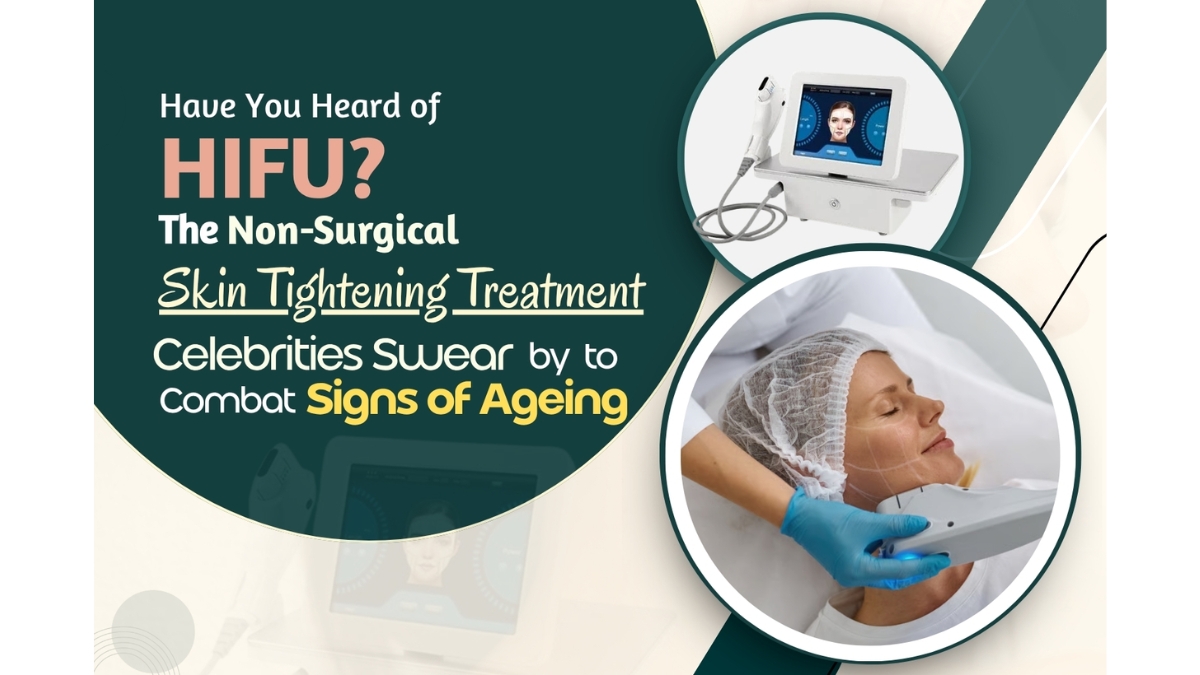
    Have You Heard of HIFU? The Non-Surgical Skin Tightening Treatment Celebrities Swear by to Combat Signs of Ageing

    New Delhi [India], June 30: If you have been a keen observer of the latest trends in the world of aesthetics, there is a good chance that you might have heard of High-Intensity Focused Ultrasound (HIFU). This non-invasive anti-ageing treatment has become a rage in the beauty world and among celebrities for its skin tightening, facial transformation, and collagen-boosting effects, all without surgery or downtime. So, how does this technology work, and what makes it an effective treatment for ageing-related skin concerns? Let’s understand from the experts. 

    What is HIFU?

    HIFU (High Intensity Focused Ultrasound) is a non-invasive cosmetic procedure used for skin tightening and lifting. In this treatment, focused ultrasound energy is delivered into the deep layers of the skin to lift, tighten, and promote collagen production without harming the skin’s surface. This treatment is highly effective in addressing several skin concerns caused by ageing, like skin elasticity, fine lines, wrinkles, and results in youthful and firmer skin over time. Since HIFU is non-invasive, involves no cuts or needles, has zero downtime, and delivers natural results over time, people prefer it over surgical facelifts for facial rejuvenation, double chin reduction, and neck tightening. 

    Understanding the Science Behind HIFU Treatment

    Dr. Vineeta Pathak, Chief Aesthetician at Dr. Haror’s Wellness, New Delhi, explains, “HIFU works by delivering focused ultrasound energy targeting the deep dermis and superficial musculoaponeurotic system (SMAS), the foundation layer of the skin. These waves create controlled microthermal lesions in the deeper layers of the skin without damaging the surface or surrounding tissues. It triggers the body’s natural healing response. As the skin heals, it starts producing more collagen and elastin—two important proteins that keep our skin firm, tight, and youthful. Over time, this helps in lifting sagging skin, improving skin texture, and even reducing small fat deposits in targeted areas like the jawline or double chin. It is a gradual process, and results improve over a few weeks.”

    Who Can Benefit from HIFU Skin Tightening?

    According to Dr. Vineeta, “HIFU is an ideal anti-ageing solution for those who are at the onset of ageing and begin to experience fine lines, wrinkles, sagging skin, and loss of firmness. This procedure is particularly beneficial for those who desire firm and youthful skin but get anxious or nervous with needles or cuts, and are looking for non-surgical anti-ageing procedures to lift and tighten areas like the face, jawline, neck, or double chin. People in their 30s to 50s often see good results, although suitability can vary from person to person. Over time, the treatment can also improve skin tone, texture, and give your face a more refreshed and youthful appearance.”

    How Soon Can You See Results and How Long Do They Last?

    This is where patience matters, says Dr. Navnit Haror, a gold medalist dermatologist and founder of Dr. Haror’s Wellness, New Delhi. He further elaborates, “HIFU is not an overnight transformation. Unlike other anti-ageing treatments like Botox and fillers, which deliver immediate results, HIFU takes time to show visible results as collagen production takes time. One can see the visible results of HIFU treatment after 6-8 weeks, which keep improving over 3–4 months as collagen production increases. Speaking on how long results last, he says the results can last up to 12 months.”   

    How Much Does HIFU Treatment Cost?

    According to Dr. Vineeta, the HIFU treatment cost is calculated based on the number of shots required, which is determined after a detailed skin assessment. Normally, the per-shot cost of HIFU treatment in Delhi ranges between ₹150 and ₹200 or more. The total number of shots required depends on the treatment area and the extent of skin laxity. For example, a jawline treatment may require around 200–300 shots, which may cost between ₹30,000 – ₹60,000, excluding additional charges. For a full-face treatment, one may need 500–600 shots, which can take total cost around ₹75,000 to ₹120,000. She further says that while cost is an important consideration, one should ensure that the treatment is performed using an authentic HIFU device by a qualified and experienced dermatologist to achieve safe and effective results.  

    Overall, HIFU anti-ageing treatment is the best way to combat early and visible signs of ageing without going under the knife. It utilizes your body’s own healing potential to boost collagen production and help you achieve more youthful and rejuvenated skin.

    FAQs

    Q. Is HIFU treatment painful?

    Most people who underwent this treatment reported that it was not painful. It was well tolerated, with only mild tingling, warmth, or slight discomfort during the procedure.

    Q. How long does it take to see results after HIFU treatment?

    Most people start noticing visible improvements within 2 to 3 months as new collagen forms. Results continue to improve over the following months.

    Q. How long do HIFU results last?

    HIFU results typically last between 12 and 18 months, depending on age, skin condition, and lifestyle factors. 

    Disclaimer: This article is intended for general informational purposes only. Please consult the respected healthcare professional for personalized medical advice or treatment.

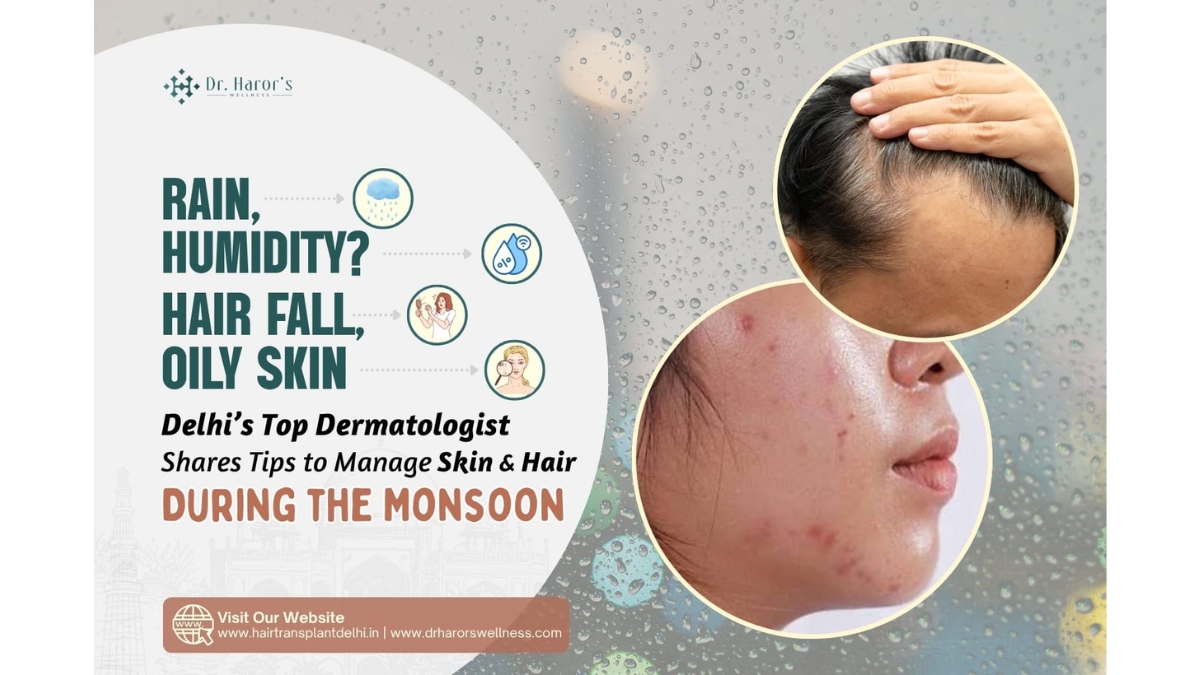
  • Rain, Humidity, Hair Fall, Oily Skin? Delhi’s Top Dermatologist Shares Tips to Manage Skin & Hair During the Monsoon

    Rain, Humidity, Hair Fall, Oily Skin? Delhi’s Top Dermatologist Shares Tips to Manage Skin & Hair During the Monsoon

    New Delhi [India], June 30: We all love the monsoon. We eagerly wait for it as it brings much-needed relief from the scorching summer heat with rain and a cool breeze. The rainy season is all about getting drenched in the rain, eating your favourite snacks, and drinking hot tea while watching the rain from your window or balcony. Isn’t this season really exciting?

    But here is the sad part about this season—with all its excitement and romanticism, it also poses serious challenges for your skin and hair. From excessive oiliness and acne breakouts to frizzy hair and seasonal hair fall, the increased humidity in the air can disrupt the natural balance of your skin and scalp. If you want to enjoy the monsoon without any skin or hair concerns, you must make a few essential changes to your skincare and haircare routines.

    Dr. Vineeta Pathak, skin specialist in Delhi at Dr. Haror’s Wellness, says, “An increase in skin and hair issues during the rainy season is very common and can be attributed to the presence of excessive moisture in the air, sweat, environmental pollutants, and microbial growth. This creates a perfect breeding ground for fungal infections, dandruff, acne, clogged pores, and other related concerns. However, with proper precautions, these issues can be effectively managed.”

    Why Monsoon Takes a Toll on Skin and Hair

    During the monsoon, humidity levels rise significantly, leading to increased sebum production in the skin. This results in clogged pores, acne, fungal infections, dullness, and sticky skin. Likewise, the scalp is more likely to become sweaty, itchy, and flaky, while weakened hair roots can lead to increased hair shedding. Unfortunately, many people think that cooler temperatures mean less care is required for the skin and hair, which is not true, say expert dermatologists. In fact, the rainy season demands a more targeted approach.

    Monsoon Skincare: Keep It Clean, Light and Balanced

    Talking about seasonal skin concerns, Dr. Vineeta Pathak, a renowned skin specialist in Delhi at Dr. Haror’s Wellness, says that the focus during the monsoon season should be on maintaining a clean and balanced skincare routine. She further adds, “One common mistake that people often make during the rainy season is over-moisturizing or using heavy products that clog pores. The humidity is already very high during the monsoon, which results in increased oil production in the skin, particularly in oily and combination skin types. Therefore, the focus should be on gentle cleansing, lightweight hydration, and proper sun protection.”

    According to her, the following skin care tips can help keep your skin healthy during the rainy season:

    • Cleanse your face twice a day with a gentle, mild cleanser that suits your skin type.
    • Use only non-comedogenic, lightweight moisturizing products to keep the skin hydrated without making it greasy.
    • Apply sunscreen daily, even on cloudy days, as harmful UV rays can pass through clouds.
    • Try to avoid touching your face with unclean hands.
    • Exfoliate 1–2 times a week to get rid of dead skin cells and keep pores clear.
    • Keep makeup minimal and use breathable products.
    • Drink plenty of water and eat antioxidant-rich fruits and vegetables.

    Expert Haircare Tips for the Rainy Season

    Celebrity hair transplant surgeon and renowned trichologist Dr. Navnit Haror (Gold Medalist), founder of Dr. Haror’s Wellness, believes seasonal hair fall can be easily managed with proper scalp care and early intervention. He says, “During monsoon, our scalp remains damp for a long time, either due to rain or excessive sweating caused by high humidity in the environment. Excess moisture, pollutants, and microbial growth can weaken hair roots and make the scalp more vulnerable to irritation and hair shedding. The key is to maintain scalp hygiene and avoid practices that cause additional stress to the hair.”

    Dr. Haror, the best dermatologist for hair loss, recommends these tips to take care of your hair during the monsoon:

    • Wash your hair regularly using sulphate-free, mild shampoos to remove pollutants, dirt, and sweat.
    • Use a hydrating conditioner to lock in moisture, reduce frizz, and make detangling easier.
    • Use a deep conditioning mask once a week to replenish moisture and restore smooth, healthy hair texture.
    • Massage your scalp with lukewarm oil like coconut, almond, or argan oil. It improves blood circulation, restores hair shine, and reduces frizz. 
    • Do not leave rainwater on the scalp for too long.
    • Make sure the scalp is thoroughly dry before tying your hair.
    • Do not overuse heat styling tools, as they can damage the hair shafts.
    • Eat foods that provide protein, iron, zinc, and vitamins to support hair health.
    • If you notice consistent, excessive hair loss, consult a hair specialist as soon as possible.

    Lifestyle Habits Matter More Than You Think

    Expert dermatologists at Dr. Haror’s Wellness are also of the opinion that relying entirely on hair and skin care products is not enough. Your skin and scalp need support from within. They warn that certain lifestyle habits are secretly ruining your skin and hair, such as excessive smoking and alcohol consumption, poor diet, inadequate sleep, stress, and nutritional deficiencies, which often worsen both skin and hair concerns during the monsoon. Maintaining a balanced diet rich in proteins, vitamins, minerals, and antioxidants can strengthen the skin barrier and hair follicles. Regular exercise and stress management techniques such as yoga and meditation can go a long way in maintaining healthy hair and skin.

    When Should You See a Hair or Skin Specialist?

    Though acne breakouts, oiliness, clogged pores, and mild shedding are normal during the monsoon, they should not be ignored if they persist for longer. It is better to consult a skin specialist or an expert hair doctor to get your problem addressed. Sometimes, these can be early signs of severe acne, skin infections, scalp inflammation, dandruff, or hair loss.

    Changes in weather conditions can affect your daily routine, but following a holistic routine can help keep your skin and hair healthy and beautiful. With these tips from expert dermatologists, you can enjoy the rainy season without damaging your skin and hair.

    However, if you’re facing any issues with your skin or hair during the monsoon, it is better to consult a skin specialist in Delhi, a hair doctor, or a certified trichologist on time to get to the root of the problem and treat it accordingly before it gets worse.

    FAQs

    Q1. Why does hair fall increase in the monsoon?

    Due to high humidity and excessive moisture in the air, the scalp remains damp most of the time, which weakens hair roots, thus leading to increased hair fall during the monsoon. 

    Q2. How can I control oily skin during the rain?

    With a proper skincare routine, you can keep your skin free from excessive oil. Include these in your skincare routine during the monsoon: a gentle cleanser, a lightweight moisturizer, and sunscreen. You should avoid heavy makeup and pore-clogging products. 

    Q3. When should I see a dermatologist?

    You should consult a dermatologist if your hair or skin concerns persist for more than a few weeks.

    Disclaimer: This article is intended for general informational purposes only. Please consult the respected healthcare professional for personalized medical advice or treatment.

  • Sarvodaya Hospital, Faridabad, brings North India’s First Hip Navigation Technology for Hip Replacement Surgeries

    Sarvodaya Hospital, Faridabad, brings North India’s First Hip Navigation Technology for Hip Replacement Surgeries

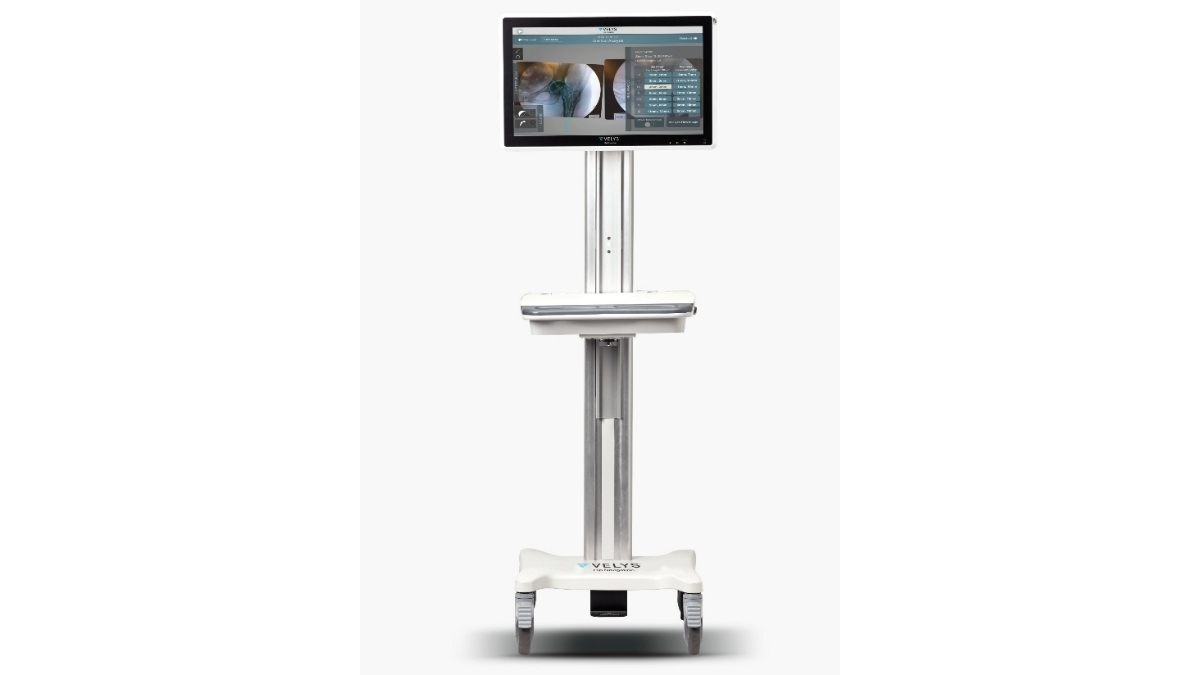
    New Delhi [India], June 26: In a significant advancement in orthopaedic care, Sarvodaya Hospital has introduced North India’s first advanced hip navigation technology for hip replacement surgeries, aimed at improving surgical precision and long-term patient outcomes. The technology uses computer-assisted, real-time data to guide surgeons before and during the hip replacement surgery, enabling more accurate implant placement & leg length equalisation while significantly reducing complications like hip dislocation. 

    Hip replacement surgery involves replacing a damaged joint with an artificial implant. A critical part of the procedure is positioning the implant correctly, particularly the acetabular cup placement (which fits into the hip socket) & leg length equalisation during the surgery. According to doctors, even minor variations in cup angle or leg length can affect mobility and long-term success of the implant. The newly introduced navigation system addresses these challenges by providing precise measurements during surgery, something that is difficult to achieve consistently with conventional techniques that rely largely on manual assessment. Sarvodaya Hospital has already successfully performed hip replacement surgeries using this technology. Unlike traditional methods, where surgeons visually assess leg length and alignment, the navigation system provides intraoperative feedback to enhance accuracy. It also assists in pre-surgical planning through specialised software, enabling doctors to determine the appropriate implant size, shape, position, and alignment based on the patient’s unique anatomy, thereby improving implant performance. 

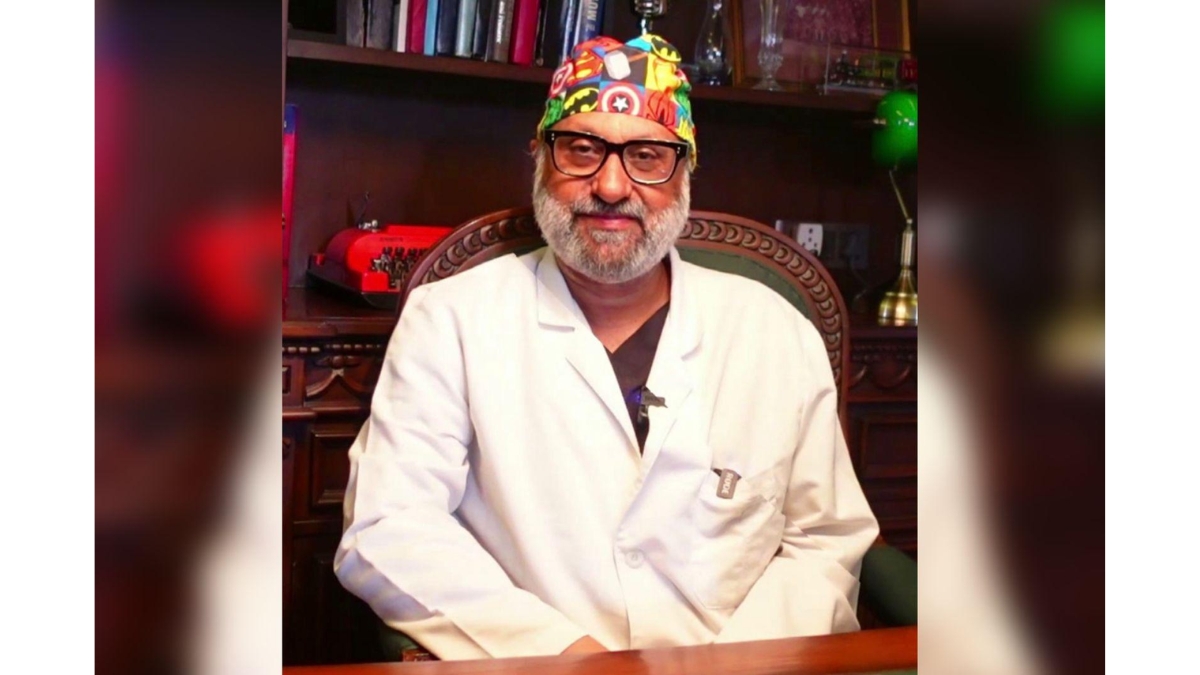
    While minimally invasive surgical techniques like the Direct Anterior Approach (DAA) ensure very little pain after surgery, hip navigation technology adds the promise of a good long-term outcome. Commenting on the development, Dr. Pankaj Walecha, Director & Head – Robotic Knee & Minimally Invasive Hip Replacement at Sarvodaya Hospital, said, “Hip replacement is a highly technique-sensitive procedure where implant positioning, leg length equalisation & restoration of normal hip anatomy play a crucial role in outcomes.

    He added, “Every patient’s hip anatomy is different, and reconstructing the new hip like the normal natural hip of the patient is key to restoring normal function. Navigation helps to select implants that are better suited to the individual patient’s anatomy and also helps the surgeon to align them more accurately during surgery. This improves joint stability, enhances mobility, and in many cases, helps patients regain a feeling of a near-natural joint over time.” This technology also complements minimally invasive surgical approaches such as the direct anterior approach (DAA), where the patient lies supine (on their back) during surgery. While DAA already offers quicker recovery, the addition of navigation further improves the results even further. 

    In addition to minimally invasive hip replacement techniques, the hospital also has an established robotic knee replacement programme supported by a fully active robot for joint replacement surgery. Sarvodaya offers comprehensive knee care for patients at all stages of knee damage, with treatment options ranging from knee preservation to partial knee replacement, unicompartmental knee replacement (UKR), and total knee replacement, depending on the patient’s condition. In advanced knee arthritis, deformity, or severe joint damage, robotic assistance helps doctors plan and perform knee replacement procedures with greater accuracy, particularly in bone preparation, implant positioning, alignment, and joint balancing.

    Combining advancements in hip and knee replacement, Sarvodaya Hospital brings together surgical expertise & experience, advanced techniques, and cutting-edge technology to deliver more precise and patient-centric joint replacement care

    If you object to the content of this press release, please notify us at pr.error.rectification@gmail.com. We will respond and rectify the situation within 24 hours.

  • Dr. Tejinder Bhatti Completes 20 Years in Hair Restoration Surgery as Demand for Ethical Procedures Grows

    Dr. Tejinder Bhatti Completes 20 Years in Hair Restoration Surgery as Demand for Ethical Procedures Grows

    New Delhi [India], June 12: India’s hair transplant sector has grown rapidly over the past two decades. Once a limited cosmetic treatment, it is now a mainstream medical procedure for a diverse range of patients. This growth has also increased focus on surgical ethics, physician involvement, and patient safety.

    While many clinics shift toward large-scale commercial operations, Dr. Tejinder Bhatti, based in Mumbai and Mohali, marks 20 years in the field with a practice focused on direct surgeon-led care and controlled procedures.

    Dr. Bhatti is recognized for prioritizing natural-looking results, long-term patient follow-up, and personally performing hair restoration procedures.

    India Emerges as a Major Hair Transplant Destination

    India is now a leading destination for hair transplant procedures, driven by affordable costs and increasing medical tourism. Patients worldwide travel to Indian cities for cosmetic and hair restoration surgeries.

    However, experts note that rapid growth has raised concerns about quality control. Many clinics now use high-volume models where technicians perform procedures and surgeons oversee multiple patients at once.

    Specialists emphasize that hair transplantation is a microsurgical procedure requiring careful donor planning, precise graft handling, and accurate implantation. Errors during surgery can cause permanent donor damage and unnatural results.

    With increased patient awareness, more individuals now consider physician involvement and long-term treatment quality when choosing a clinic.

    Darling Buds Clinic Builds Reputation for Personalized Care

    Dr. Bhatti’s work is closely associated with Darling Buds Clinic in Mohali and Mumbai. The clinic is recognized for its personalized treatment approach, distinguishing it from high-volume cosmetic practices.

    Patients and industry observers note that consultations at the clinic emphasize donor assessment, realistic expectations, and long-term planning before recommending surgery. Experts highlight the importance of this approach as more patients seek corrective procedures after unsuccessful transplants elsewhere.

    The clinic also attracts international patients seeking doctor-led procedures and long-term follow-up, rather than package-based cosmetic treatments.

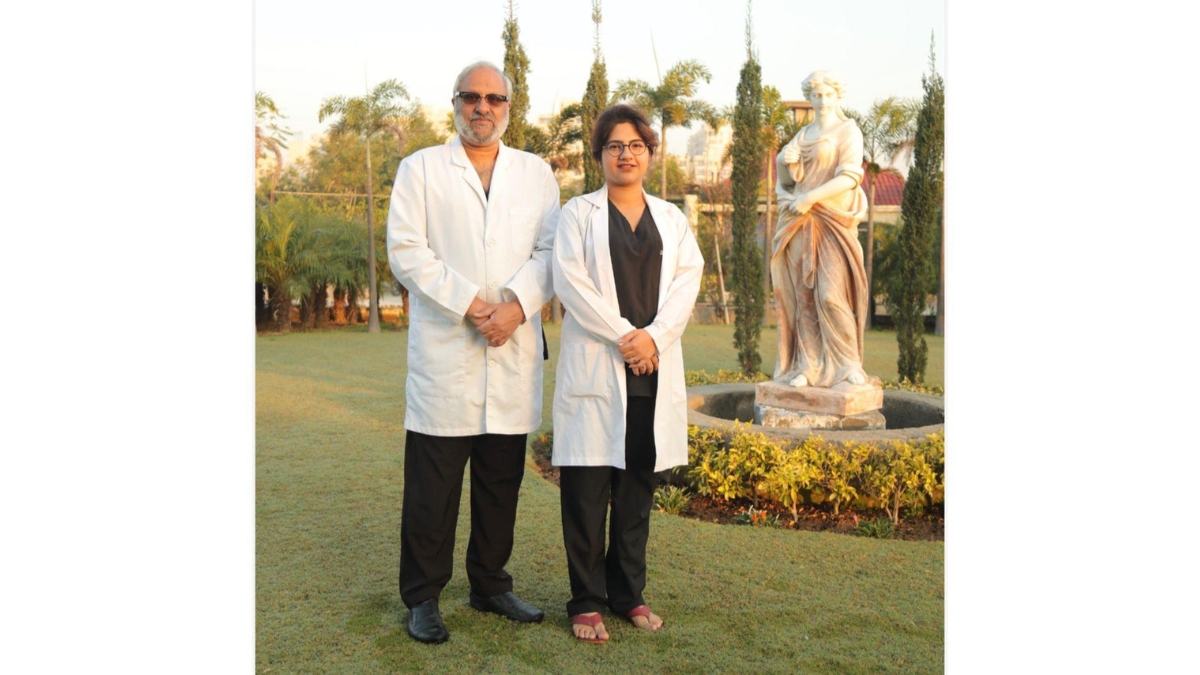
    Tejinder Bhatti

    “One Patient, One Doctor” Model Gains Attention

    Dr. Bhatti’s “One Patient. One Doctor. One Clinic” approach distinguishes his practice from many commercial operations.

    Rather than performing multiple surgeries simultaneously, Dr. Bhatti remains personally involved throughout each transplant. Experts in aesthetic surgery note that doctor-performed procedures often improve consistency in graft placement, hairline planning, and density distribution.

    Medical professionals note that hair transplantation is not only a technical procedure but also an aesthetic one. The direction, angle, and placement of every graft influence how natural the final result appears.

    As cosmetic procedures become more common, many patients now prefer personalized treatment over production-style clinics.

    Natural Hairline Design Becomes Priority

    Modern hair transplant surgery now aims for results that blend seamlessly with existing hair and remain undetectable, rather than simply covering bald areas.

    Hair restoration experts state that natural hairline design is now a critical aspect of the procedure. Poorly planned hairlines can look artificial and may not age well. Dr. Bhatti has gained recognition for conservative, realistic hairline planning that considers long-term facial balance.

    Specialists say this approach is important because hair loss often persists with age, making donor management critical for future correction or additional treatment.

    Patients now expect results that look natural both in person and on high-definition cameras, especially given the prevalence of social media and digital visibility.

    Tejinder Bhatti

    DHX Technique Focuses on Precision and Graft Survival

    Dr. Bhatti developed the DHX hair transplant technique, which emphasizes careful graft handling and implantation planning to improve post-transplant survival rates.

    Hair restoration specialists note that graft survival is a key factor in final density and long-term success. Damage during extraction or implantation can reduce growth quality and impact appearances during surgery, allowing faster recovery and limited visible scarring.

    Experts observe that recent advancements in hair transplantation focus on refinement and consistency rather than dramatic cosmetic changes.

    Hospital-Based Procedures Add Safety Layer

    Dr. Bhatti performs surgeries at 5 Rivers Hospital in Mohali, unlike many standalone cosmetic centres.

    Medical professionals state that hospital infrastructure offers higher sterilization standards, better anaesthesia support, and improved emergency preparedness compared to smaller clinics.

    Safety is now a major concern in India’s cosmetic surgery industry as more low-cost operators enter the market. Doctors report that informed patients increasingly evaluate clinics based on medical infrastructure and surgical accountability, not just price.

    For international patients, hospital-based procedures offer added reassurance about treatment quality and post-operative support.

    As the industry continues to grow, discussions around ethics, patient safety, and medically supervised treatment are expected to remain important.

    Over the past 20 years, Dr. Tejinder Bhatti has become one of the most widely recognized names in hair restoration surgery, especially among patients seeking natural-looking results and doctor-led treatment supported by long-term follow-up care.

    Disclaimer: This press release is for general information purposes only and should not be construed as professional medical advice. Always consult a doctor before taking any decisions.

  • Dental Krafts Lead Advanced Dental Implants and Invisalign Treatments in Gurgaon

    Dental Krafts Lead Advanced Dental Implants and Invisalign Treatments in Gurgaon

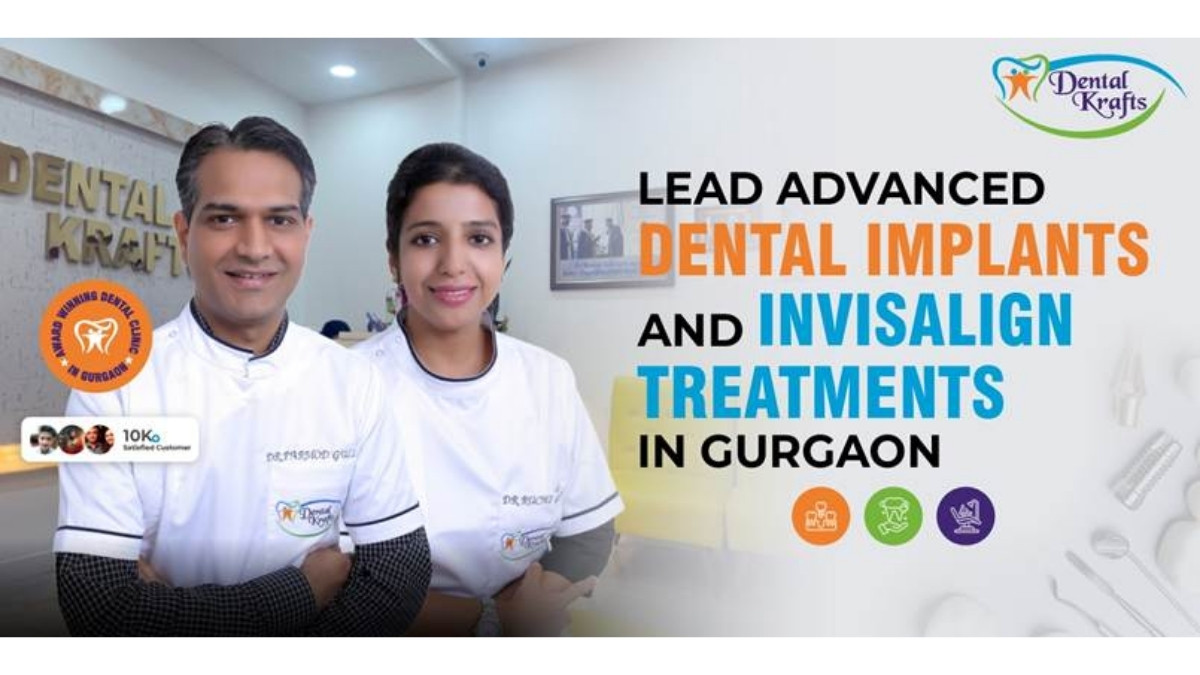
    New Delhi [India], June 11: A confident smile can transform not only your appearance but also the way you feel and interact with the world. At Dental Krafts in Gurgaon, patients now have access to top-tier dental care led by Dr. Ruchi Goel and Dr. Parmod Gulia, both distinguished alumni of AIIMS and PGIMER Chandigarh. With a focus on advanced dental implants and Invisalign treatments, the clinic is redefining modern, personalized dentistry in the region.

    Dental Implants: Restoring Smiles and Confidence
     
    Missing teeth can impact daily life, from eating to speaking, and can affect confidence. Dental Krafts offers implants that are precise, durable, and designed to blend naturally with your existing teeth. With the combined expertise of the Gold Medalist dentists – Dr. Ruchi and Dr. Parmod, every procedure is carefully planned to maintain jawbone health, prevent teeth from shifting, and restore natural chewing function. Patients consistently report a smooth, comfortable experience with excellent results.

    Invisalign: Straighten Teeth with Ease
     
     For those who prefer a discreet alternative to traditional braces, Invisalign offers clear, removable aligners that gradually align teeth without disrupting daily life. Each plan is customized to the patient’s dental structure and lifestyle, ensuring comfort and effectiveness. All India toppers dentists – Dr. Ruchi and Dr. Parmod oversee each treatment, making teeth alignment both simple and efficient.

    Why Dental Krafts Stands Out

    • Expert Leadership: Dr. Ruchi specializes in maxillofacial prosthodontics and implantology, while Dr. Parmod brings extensive experience in pediatric and preventive dentistry.
    • Advanced Technology: Modern tools and techniques ensure precision and effectiveness.
    • Personalized Care: Each treatment is tailored to the patient’s unique needs.
    • Comfort and Recovery: Minimally invasive procedures with faster healing times.
    • Proven Results: Hundreds of patients in Gurgaon have transformed their smiles with Dental Krafts.

    Comprehensive Dental Care
    Beyond implants and Invisalign, Dental Krafts offers teeth whitening, cosmetic dentistry, preventive care, and root canal treatments. The clinic aims to be a one-stop destination for all dental needs, prioritizing comfort, safety, and long-term results.

    Simple Tips for a Healthy Smile

    • Brush and floss daily to maintain oral health.
    • Follow your Invisalign schedule for best results.
    • Avoid hard or sticky foods after implants.
    • Schedule regular dental visits to prevent minor issues from escalating.

    With their combined expertise, Dr. Ruchi Goel and Dr. Parmod Gulia ensure that Dental Krafts remains a trusted name for advanced dental implants and Invisalign treatments in Gurgaon. Residents seeking personalized, effective dental solutions can schedule a consultation to start their journey toward a healthier, confident smile today.

    If you object to the content of this press release, please notify us at pr.error.rectification@gmail.com. We will respond and rectify the situation within 24 hours.

  • South Gujarat’s Leading Joint Replacement Surgeon Dr. Manu Sharma Introduces Johnson & Johnson’s Fourth-Generation Advanced Robotic System

    South Gujarat’s Leading Joint Replacement Surgeon Dr. Manu Sharma Introduces Johnson & Johnson’s Fourth-Generation Advanced Robotic System

    With experience of over 15,000 successful surgeries, Dr. Manu Sharma is now offering advanced robotic knee replacement treatment to patients in Surat, Ahmedabad, and Vadodara.

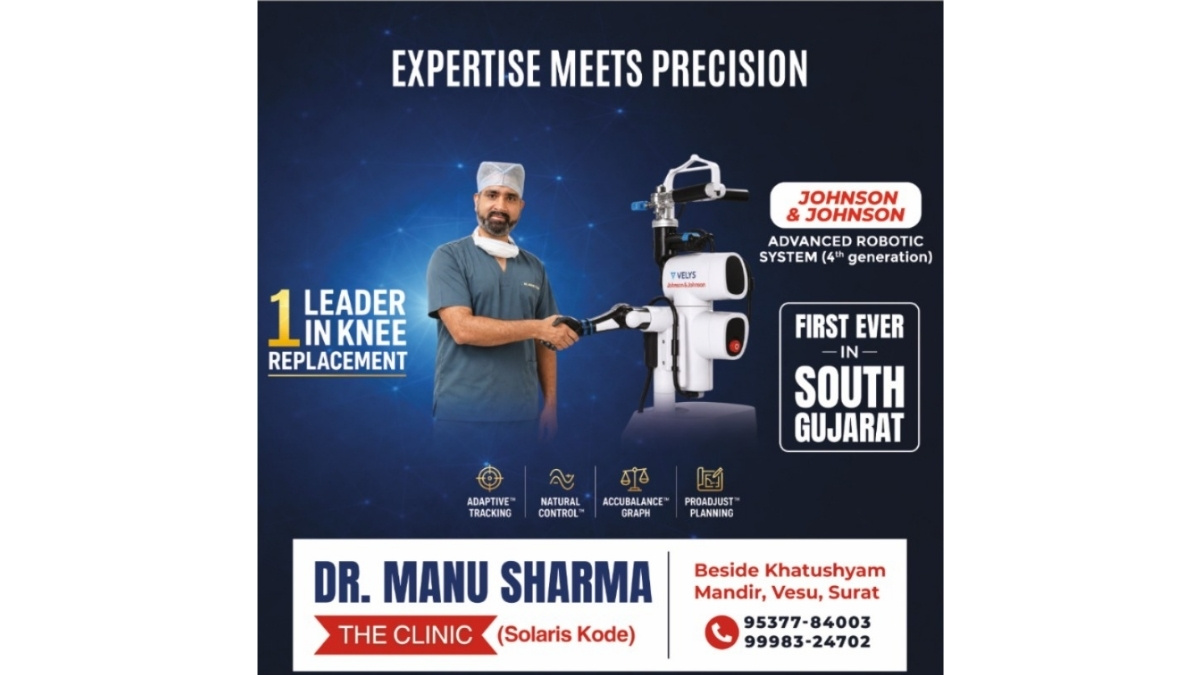
    Surat (Gujarat) [India], June 08: Dr. Manu Sharma, a renowned name in joint replacement surgery in South Gujarat, has introduced knee replacement procedures using Johnson & Johnson’s fourth-generation advanced robotic system. With experience of more than 15,000 successful joint replacement surgeries, Dr. Sharma is now providing advanced treatment not only in Surat but also in Ahmedabad and Vadodara.

    Recognized as one of South Gujarat’s leading joint replacement specialists, Dr. Manu Sharma has earned the trust of patients through years of expertise in modern technology, surgical precision, and patient-centric care. The addition of Johnson & Johnson’s fourth-generation robotic system makes knee replacement surgery more advanced, precise, and comfortable for patients.

    This state-of-the-art robotic system assists surgeons with real-time guidance during surgery, personalized surgical planning, and highly accurate implant positioning. Since the procedure is tailored to the patient’s unique bone and joint anatomy, it helps achieve more natural movement, better joint balance, and improved long-term outcomes.

    The key benefits of this technology include minimal tissue damage, enhanced surgical accuracy, faster recovery, improved mobility, and more natural knee movement. It is considered especially beneficial for patients suffering from severe knee conditions.

    Speaking about the advancement, Dr. Manu Sharma said that knee replacement treatment today is not limited to surgery alone; it is about helping patients regain a pain-free, active, and confident life. He added that the combination of advanced robotic technology and extensive surgical experience is enabling safer and higher-quality treatment for patients.

    Address:
    The Clinic (Solaris Code), VIP Road, Vesu, Surat.

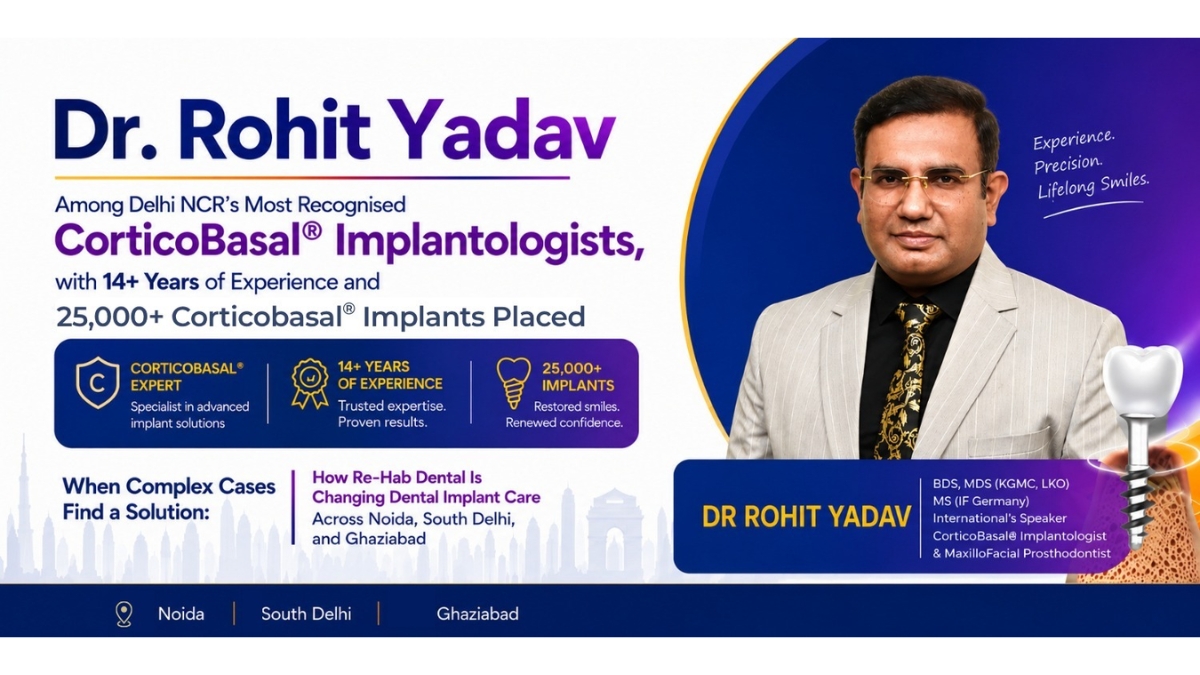
  • Dr. Rohit Yadav — Among Delhi NCR’s Most Recognised Corticobasal® Implantologists, with 14+ Years of Experience and 25,000+ Corticobasal® Implants Placed

    Dr. Rohit Yadav — Among Delhi NCR’s Most Recognised Corticobasal® Implantologists, with 14+ Years of Experience and 25,000+ Corticobasal® Implants Placed

    When Complex Cases Find a Solution: How Re-Hab Dental Is Changing Dental Implant Care Across Noida, South Delhi, and Ghaziabad

    Noida (Uttar Pradesh) [India], May 28: For patients across Delhi NCR who have been told that their case is “too complex”, “needs bone grafting first”, or “will take over a year”, Dr. Rohit Yadav at Re-Hab Dental has quietly become a name that changes that conversation.

    With 14+ years of focused implant practice, advanced international training in Corticobasal® Implantology, and 25,000+ Corticolbasal® implants placed across his career, Dr. Rohit Yadav has built a reputation not on marketing promises, but on case outcomes that speak for themselves.

    A Case That Travelled from Iraq to Noida

    In January 2020, a 20-year-old Iraqi boy named Karam Waad arrived in Delhi with his father. Karam had lost his teeth after a severe fall in childhood. By the time he reached India, he had never eaten solid food in his life. He had survived entirely on liquids.

    Read case study: When Destiny Brought A Smile To This Iraqi Boyʼs Face – Dr Rohit Yadav

    He had visited multiple implantologists. Every one of them declined. Some cited severe bone loss. Others suggested complicated bone-grafting procedures lasting up to 1.5 years, with no certainty of success even after that.

    Then Karam and his father found their way to Re-Hab Dental, Noida Sector 41.

    Dr. Rohit Yadav examined the case. The bone atrophy was significant. But rather than turn the family away, he outlined a plan using Corticobasal® implants — a technique that anchors into cortical and basal bone structures deeper in the jaw, making it suitable for selected patients with reduced conventional bone support.

    The full treatment was completed in 8 days.

    Karam, who had never chewed a single morsel of food in his 20 years of life, attended a short therapeutic session afterwards to learn the mechanics of chewing — something most of us take for granted. The day he finally tasted solid food is described by those who witnessed it as one they will never forget.

    This is not a promotional story. This is a documented case — a real patient, a real father, a real outcome that multiple doctors in two countries had considered impossible. It was reported widely and is on record.

    Fixed Teeth in a Shorter Time — In Selected Cases

    One of the most common questions patients ask at Re-Hab Dental is whether fixed teeth can be placed quickly after implants.

    The honest answer from Dr. Rohit Yadav’s practice is this: in selected cases, immediate functional loading protocols used at Re-Hab Dental may allow patients to begin chewing within approximately 48 hours of implant placement, and full-mouth implant cases may be completed in a few days where oral condition, bone support, medical history, and treatment planning allow for it.

    Corticobasal® Dental Implants are suitable for almost all patients, including some who may have been told they cannot receive implants elsewhere due to low bone. Final suitability, however, is confirmed only after clinical and radiographic evaluation.

    “Fixed teeth options within a shorter timeline are possible in suitable cases after proper examination and planning,” is how Dr. Yadav’s team describes it. Patients are evaluated individually. No case is treated using a template.

    International Training. Local Practice. Delhi NCR Reach.

    Dr. Rohit Yadav completed his postgraduation in Prosthodontics and Oral Implantology from King George Medical College (KGMC), Lucknow. He then pursued advanced training in Munich, Germany, earning a Master’s in Strategic Implantology under Prof. Dr. Stefan Ihde — a leading figure in the field internationally.

    He is recognised as a Certified International Teacher and Speaker in Strategic Implantology, a distinction conferred in St Petersburg, Russia, through the International Implant Foundation. His training and clinical experience span Corticobasal® implants, immediate loading protocols, flapless implant surgery, full-mouth rehabilitation, and implant care for selected diabetic patients and complex resected cases.

    In addition to running Re-Hab Dental, Dr. Yadav has trained dentists internationally. His approach to difficult cases — including no-bone situations, atrophied jaws, failed implant cases, and patients with systemic conditions — has drawn patients and dental professionals from across India and abroad.

    His clinical recognition includes:

    • Best Patient Care Award — 2021 and 2023
    • Best Practice & Team Award — 2022

      (Awards as listed on drrohityadav.com)

      Why Patients Come From Across Delhi NCR — and Beyond

      Re-Hab Dental serves patients from Noida, Greater Noida, Ghaziabad, Delhi, Faridabad, Gurugram, Agra, Mathura, Meerut, Haryana, Pune, Bengaluru, Patna, Amritsar, Mumbai, Jammu & Kashmir, Jaipur, Kolkata, and many other cities across India, as well as from overseas. What brings them here is not necessarily proximity. It is the nature of the cases Dr. Yadav accepts.

      Cases that arrive at Re-Hab Dental often include:

    • Full mouth implant cases where multiple or all teeth are missing
    • No bone or low bone cases where conventional implant surgery is not straightforward
    • Patients with diabetes who may be considered for implant treatment after a detailed medical and dental evaluation
    • Resected cases involving prior jaw surgery or structural compromise
    • Patients with failed implants from previous treatment
    • International patients seeking advanced implant care with shorter treatment timelines, where suitable

      Each case begins with a consultation, clinical examination, and, where needed, radiographic review. Treatment is planned after understanding the patient’s oral health, medical history, bone condition, and treatment needs. Nothing is decided before this step.

    Re-Hab Dental — Three Locations Across Delhi NCR

    Re-Hab Dental operates across three accessible locations in the Delhi NCR region, making specialist implant consultation reachable for patients across the urban spread.

    Re-Hab Dental — Noida (Primary Centre) J-7, Sector 41, Noida — 201303 (Main Dadri Road)

    08795006097 | 09871399847 ⏰ Monday to Saturday: 10:00 am to 9:00 pm

    Re-Hab Dental — South Delhi C/o VNA Hospital, 1, Navjeevan Vihar, Geetanjali Enclave, Malviya Nagar, New Delhi — 110017 | 08510975866

    Re-Hab Dental — Ghaziabad FF 2, 1st Floor, River Height Plaza, Raj Nagar Extension, Ghaziabad, Uttar Pradesh — 201017 | 09821815012

    All three centres are linked by the same clinical philosophy: evaluation first, treatment planning second, and a clear conversation with the patient before any decision is made.

    For Patients Who Have Heard “It Cannot Be Done”

    Not every dental implant case is straightforward. Bone loss, systemic conditions, previous failed treatments, and jaw structure changes can make standard implant surgery insufficient or unsuitable.

    At Re-Hab Dental, these are precisely the cases that Dr. Rohit Yadav’s training has been built around. CorticoBasal® implants and Strategic Implant protocols were developed specifically for situations where conventional implantology hits its limits — and Dr. Yadav has spent over a decade applying them in clinical practice.

    Karam Waad’s case is one example. There are many others — quieter ones — patients from across India and the region who arrived after years of failed attempts, significant bone loss, or medical complications, and left after treatment completion with a fixed set of teeth.

    The outcomes depend on case complexity, oral health, treatment planning, and post-treatment care. But the option of a consultation — of having the case actually examined — is the first step that many of these patients had not found until they came here.

    Book a Consultation

    Patients with missing teeth, loose dentures, failed implants, or questions about implant suitability in low-bone or medically complex cases are encouraged to book a consultation at any Re-Hab Dental location.

    A clinical examination and discussion with Dr. Rohit Yadav’s team will confirm what may be possible for your specific case — without obligation and without assumptions.

    Call or WhatsApp: +91 87950 06097
    Website: www.re-habdental.com | www.drrohityadav.com
    Address: Noida Sector 41 | South Delhi — Malviya Nagar | Ghaziabad — Raj Nagar Extension

    About Dr. Rohit Yadav

    Dr. Rohit Yadav is a Strategic Implantologist, Prosthodontist, and Corticobasal® Implantologist based at Re-Hab Dental, Noida Sector 41. He holds an MDS from King George Medical College, Lucknow, and a Master’s in Strategic Implantology from Munich, Germany, under Prof. Dr. Stefan Ihde. He is a Certified International Teacher and Speaker in Strategic Implantology through the International Implant Foundation. His clinical focus includes full-mouth dental implants, immediate loading protocols, no-bone and low-bone implant cases, flapless implant surgery, and complex implant care for selected medically compromised patients. He has placed 25,000+ implants across his career and trained dental professionals internationally.

    About Re-Hab Dental

    Re-Hab Dental is a dental implant and multispeciality dental clinic group operating across Noida Sector 41, South Delhi (Malviya Nagar), and Ghaziabad (Raj Nagar Extension). The clinic was founded on the principle that patients — especially those with difficult or complex cases — deserve a proper clinical consultation before being told what is and is not possible. Re-Hab Dental operates Monday to Saturday, 10 am to 9 pm, at its primary Noida centre.

    Contact: Re-Hab Dental | +91 87950 06097

    Email ID: rehabdentalcentre@gmail.com

    Website: www.re-habdental.com

    This press release is for general informational purposes. Treatment outcomes depend on individual oral health, bone condition, medical history, and clinical evaluation. Patients are advised to consult Dr. Rohit Yadav or a qualified dental professional for assessment of their specific case.

  • Diagnoses, Tips and Care for Dengue amid Monsoon Surge

    New Delhi [India], June 01: At the peak of this monsoon season, health experts are highly recommending citizens to stay alert as the cases of dengue fever are increasing across the region. The steep rise in stagnant water areas, garbage dumps, and other unhygienic places results in a major source of mosquito breeding grounds. This particularly makes the monsoon season of the year dangerous, with the risk of mosquito-borne illnesses. Early and accurate diagnosis with timely medical care of dengue is crucial to avoid life-threatening situations and other complications.

    Dengue fever is caused by a mosquito named Aedes Aegypti and represents symptoms that can be easily mistaken for other viral infections. While ignorance and relying on temporary relief worsen the condition, timely testing and medical attention can save one from the prevailing consequences. 

    According to the experts of Dr. Sharda Ayurveda,“Alter your diet, enhance your immunity, eat healthy, stay hygienic, and adopt some simple steps to safeguard yourself from increasing waterborne diseases. This will turn the monsoon season into a happy and carefree time full of enjoyment.”

    Renowned Ayurvedic hospital, Dr. Sharda Ayurveda, and its experts are highly experienced and share a few tips to prevent, diagnose, and care for the disease, dengue. 

    Key tips for diagnosing dengue early 

    The global dengue situation is worsening with each passing year, recording 14.1 million dengue cases in 2024. These figures cross last year’s records by 7 million. Dengue is caused by one of the four dengue viruses, which typically lasts between 8-10 days. The first step in diagnosing dengue is to observe the early symptoms that arise in the body. These are:

    • Sudden High Fever (104⁰F/40°C)
    • Severe Headache
    • Pain in the eyes
    • Muscle & joint pain 
    • Skin rashes are visible after 2-5 days of fever
    • Nausea & Vomiting
    • Loss of appetite

    With the onset of these symptoms, one needs to be careful about health. The next step is to accurately diagnose the severity of the condition. For this, there are some specific tests required, especially during the early stages:

    • NS1 Antigen Test (within the first week of symptoms)
    • IgM and IgG Antibody Tests (from day 5 onward)
    • CBC (Complete Blood Count) to monitor platelet levels 

    Precautions to Prevent Dengue

    Here are some of the tips and precautions required to keep you and your loved ones away from dangerous mosquito-borne fever during the monsoon season. 

    1. Eliminate Stagnant Water: As this is the primary source of mosquito breeding, remove all such origins from the surroundings. Majorly, these include water coolers, flower pots, buckets, dustbins, and open drains etc. 
    1. Clean Water Storage: Water storage in and around the house, including tanks, big containers, or buckets, must be frequently cleaned and covered to prevent mosquito production. 
    1. Frequently check surroundings: One needs to be attentive and check regularly the areas where water can accumulate. These are the gutters, drains, pits, and plant saucers.
    1. Install Protective Measures: Another major change initiated during the monsoon season is to install mosquito sleeping nets. Also, ensure the doors and windows are protected to keep the mosquitoes out of the house.
    1. Maintain Clean Surroundings: A clean and tidy environment ensures no harmful mosquitoes are around. Therefore, initiate steps towards maintaining hygiene at home, office, and other public surroundings. Another step for cleanliness is to dispose of the garbage properly and avoid the dumping areas if nearby, as they create potential breeding sites. 

    Care required during Dengue Fever

    Though dengue fever is not contagious but basic care, treatment, and medication are a must for the person with it. Ayurveda focuses on balancing the tridoshas and enhancing immunity to fight against this fever. Some of the steps required for dengue fever care are:

    1. Rest: A crucial step towards recovery. Focus on complete rest as long as the symptoms persist.
    1. Hydration: Drink plenty of fluids, including juices, soups, coconut water, etc., to prevent dehydration and excess body weakening.
    1. Diet: Eat a well-balanced and healthy diet that is easy to digest. Ensure small and frequent meals to avoid an upset stomach.
    1. Herbal Remedies: Best herbs to tackle dengue fever are giloy, spirulina, wheat grass, papaya leaves, tulsi, amla, etc. One can incorporate it every day in the form of juice,  herbal tea, or capsules for better results. 

    Conclusion

    As the monsoon season also brings the risk of a dengue outbreak, early diagnosis remains a crucial step in controlling the disease. Recognising the warning signs and symptoms like headache, high fever, muscle pain, etc., requires immediate medical attention to avoid further consequences. For altered personalized treatment plans and root cause recovery, you can contact Dr. Sharda Ayurveda. With herb-based medication, a healthy diet, and lifestyle, one can get rid of such illnesses easily. 

    For inquiries or appointments, please contact:

    Dr. Sharda Ayurveda

    Website:www.drshardaayurveda.com

    Email: info@drshardaayurveda.com

    Follow on Instagram, Facebook, and YouTube for daily wellness tips

  • Ashwagandha Industry Calls for Science-Led Review to Protect Farmers, Ayurveda, and India’s Nutraceutical Growth

    Ashwagandha Industry Calls for Science-Led Review to Protect Farmers, Ayurveda, and India’s Nutraceutical Growth

    Dr JLN Sastry, Ayurveda Consultant and Practitioner (Former CEO-NMPB)

    Mumbai (Maharashtra) [India], May 21: As India’s Ashwagandha sector emerges as a major pillar of the AYUSH, Ayurvedic, and nutraceutical economy, industry stakeholders are urging policymakers to adopt a science-led, product-specific approach to regulation that protects public health without undermining one of the country’s most significant traditional botanicals.

    Ashwagandha remains one of the most recognized Indian herbal ingredients globally, with the Indian Ashwagandha supplements market valued at USD 300 million in 2024 and projected to reach USD 710 million by 2033, growing at a CAGR of 10.1 percent from 2025 to 2033. India also accounted for 8.7 percent of the global Ashwagandha supplements market in 2024, underlining the herb’s strategic commercial importance to Ayurveda-led wellness and nutraceutical manufacturing.

    At the same time, the sector has faced disruption following regulatory restrictions on the use of Ashwagandha leaves in food and AYUSH products, even as stakeholders argue that the broader Ashwagandha category should not be judged through the lens of concerns tied to specific formulations or proprietary extracts. Industry voices maintain that a blanket approach could impact farmer livelihoods, licensed manufacturers, and export competitiveness while failing to address the actual source of concern in international safety discussions.

    Dr. J. L. N. Sastry, a senior Ayurvedic expert who has raised the matter with the authorities, said:

    “Ashwagandha is one of India’s most significant traditional botanicals, widely used in nutraceuticals, dietary supplements, and traditional systems of medicine across the world.”

    He further stated that:

    “Substantial scientific, safety, toxicological, and usage-related data” have been generated globally over the years in support of standardized Ashwagandha extracts, including both roots and leaves, and that any regulatory review must distinguish between the herb as a category and specific commercial products under scrutiny.

    The current policy debate has intensified amid reports from international pharmacovigilance systems.

    In July 2025, the Netherlands Pharmacovigilance Centre Lareb said that it had received eight additional reports after its September 2023 warning about liver toxicity in people using products containing Ashwagandha. However, Lareb also noted an important qualification: herbal products often contain multiple herbs, may contain undeclared ingredients, or may be contaminated, meaning it cannot be ruled out that the liver toxicity reported was caused by something other than Ashwagandha itself.

    According to Dr. Sastry, this distinction is important.

    “If a product has already raised significant safety concerns internationally, particularly in Europe, it is prudent for India to take precautionary measures in the interest of public health and consumer safety,” he said.

    He added that:

    “The focus should be on a detailed review of the specific branded extract formulations mentioned in adverse-event discussions, rather than on the broader Ashwagandha industry.”

    He further noted that if the concern relates to a particular extract profile, dosage pattern, or manufacturing claim, then a blanket ban on the leaf would not be the most appropriate scientific or ethical response.

    Stakeholders say this is especially important because Ashwagandha’s value chain supports cultivators, processors, classical medicine manufacturers, modern herbal brands, and exporters.

    The attached industry representation warns that restrictions on leaf-based products could affect businesses worth more than a 1-billion-dollar prospect and jeopardize the livelihood of small and marginal farmers linked to the botanical economy. It also states that more than 50 published papers were reviewed in support of leaf extract or leaf-based products, and that committee-level discussions had earlier examined references supporting leaf use in numerous traditional texts.

    Industry participants are therefore calling for three immediate steps:

    1. Conduct a transparent, evidence-based review of all safety signals across Ashwagandha-containing products, covering dosage, extraction methods, labeling, and formulation composition.
    2. Direct regulators to apply product-specific accountability, targeting high-potency extracts, misleading claims, and proprietary manufacturing processes that differ materially from conventional Ashwagandha preparations.
    3. Ensure the government protects confidence in India’s AYUSH and FSSAI nutraceutical sectors by preventing compliant, legitimate Ashwagandha products from being unfairly stigmatized in domestic or export markets.

    Importantly, disregarding validated safety research on Ashwagandha leaves would also undermine the broader research and development ecosystem.

    In the short term, it would create uncertainty for ongoing studies; over the medium term, it could dampen private and public investment in botanical R&D; and in the long term, it risks diverting talent and capital away from herbal science.

    That sequence raises a hard policy question: if validated scientific work is not given due weight, why should regulators continue to promote R&D as a national priority?

    Science should guide proportionate regulation, not be sidelined. Safeguarding evidence-based inquiry is essential to protect public health, sustain innovation, and preserve India’s reputation in the global herbal market.

    “Ashwagandha is not just an ingredient; it is a torchbearer of Ayurveda and a symbol of India’s wellness heritage,” Dr. Sastry said in his representation, urging timely action to protect both consumer safety and the global image of Indian traditional medicine.

    He added that:

    “Transparent regulatory scrutiny and scientifically grounded enforcement would strengthen, rather than weaken, public trust in the category.”

    With global consumer demand for natural wellness products rising and India positioned as a fast-growing Ashwagandha market, stakeholders believe the way forward lies in better standards, stronger surveillance, honest labeling, and balanced regulation — not in broad restrictions that risk penalizing an entire heritage botanical.

    Science supports regulation, not prohibition, and ignoring validated research undermines future R&D and innovation.

    Expert can be contacted at: Lnsjata@yahoo.com

    Disclaimer: This press release is for general information purposes only and should not be construed as professional medical advice. Always consult a doctor before taking any decisions.