Category: Health

  • National Stroke Conclave Recognizes Outstanding Rehabilitation Services of Parul Ayurved Hospital for Stroke Patients

    National Stroke Conclave Recognizes Outstanding Rehabilitation Services of Parul Ayurved Hospital for Stroke Patients

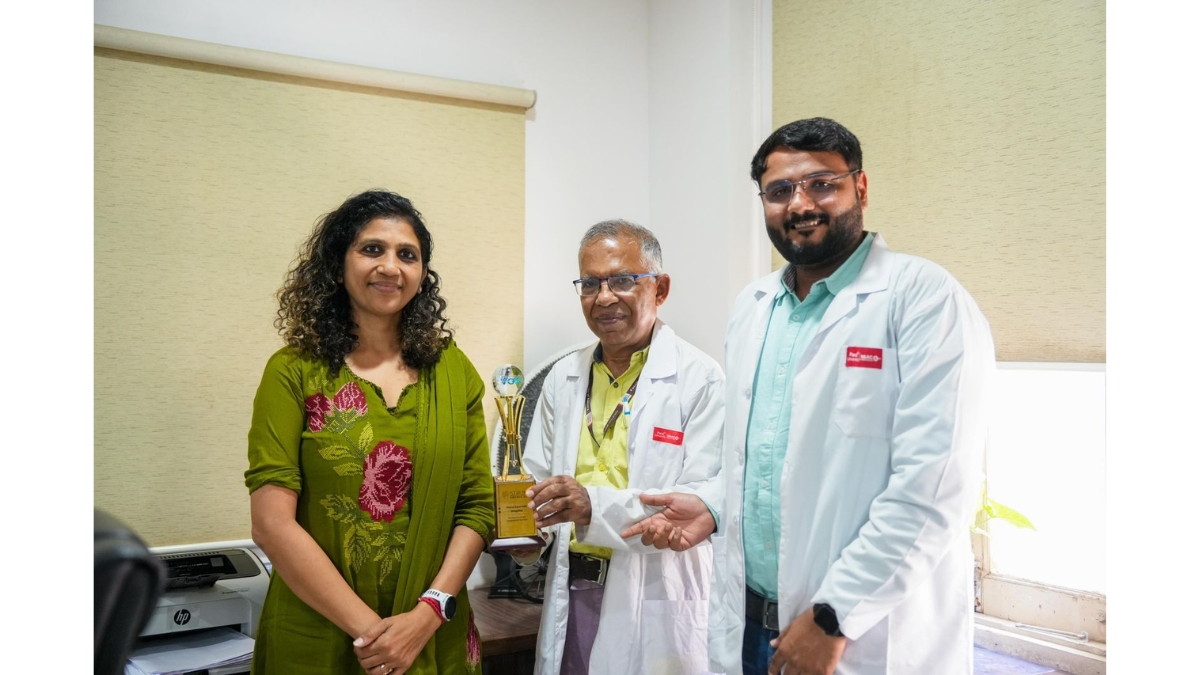
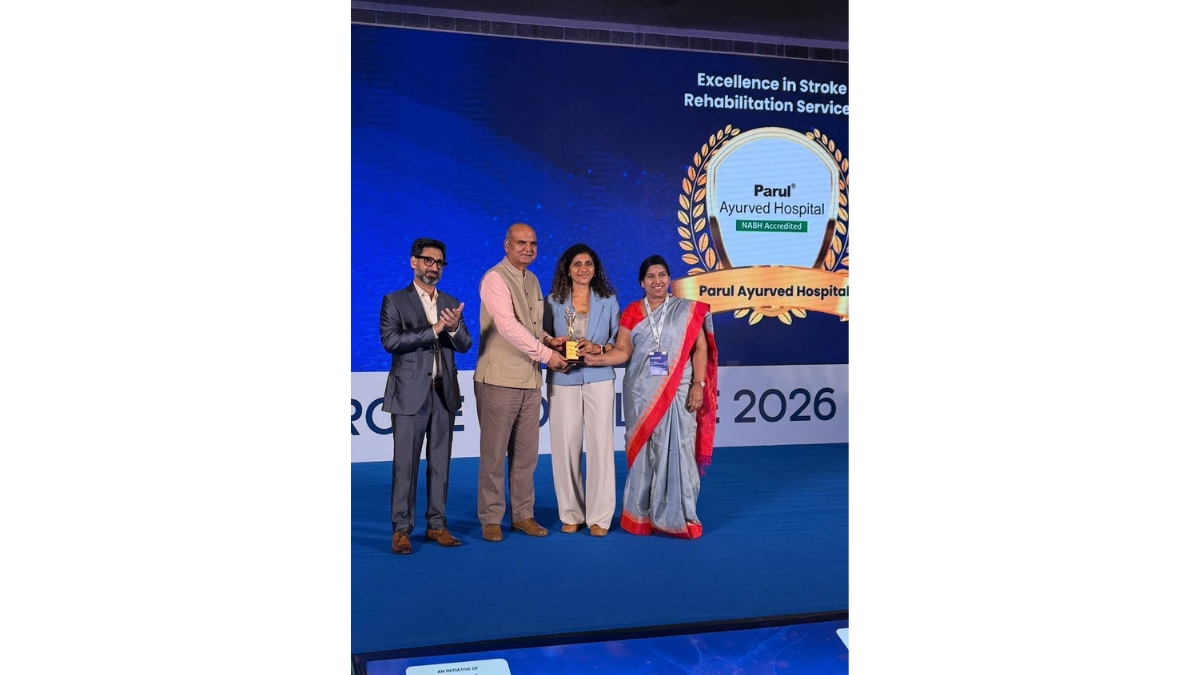
    Vadodara (Gujarat) [India], May 19: Nowadays, where stroke rehabilitation demands both clinical precision and long-term care with compassion, Parul Ayurveda Hospital has redefined restorative healthcare for stroke-affected patients through ayurvedic treatments. At the National Stroke Conclave 2026, organized by Voice of Healthcare, Parul Ayurved Hospital was awarded the “Excellence in Stroke Rehabilitation Services” award for its work towards advanced recovery and integrated rehabilitation for stroke survivors. 

    Balancing the philosophy of wellness focused on patients, the hospital has developed an innovative recovery approach that integrates Ayurveda with the wellness of contemporary medical science. The intersection of ancient psychosocial assistance with allied clinical services offers the recovery continuum for the patients.

    The evolution of rehabilitative services at the hospital has been enhanced through the structured and agile system led by Dr. Komal Patel, integrated within the ecosystem of Parul University. The hospital has a dedicated team of 42 experienced consultants working across various specialized departments, including Kayachikitsa, Panchakarma, Shalya Tantra, Shalakya Tantra (Eye & ENT), Prasuti Tantra & Stri Roga, Kaumarbhritya, and other allied specialties. With over 50 lakh OPD consultations, over 40,000 inpatient (IPD) admissions, over 6,000 surgeries, and over 450 health initiatives aiming for community services, it is no less than an achievement.

    Parul Ayurved Hospital aims to offer affordable and accessible healthcare services to all sections of society. With advanced equipment and infrastructure, operation theaters, specific treatments, all the patient care units, and Panchkarma units, we strive to work towards Ayurveda and holistic wellness. The hospital also provides free OPD consultation services for patients, ensuring that quality Ayurvedic healthcare reaches the maximum number of people.

    Elaborating on the award, Dr. Komal Patel shared that “True rehabilitation is not limited to the clinical recovery of stroke-affected persons. Recovery from stroke also involves confidence, independence, and quality of life in general.” She added that the award is the ‘collective care effort’ of the team, and the commitment of the care providers is the key to integrated and patient-centered recovery assistance.

    The award acknowledged the place for Ayurvedic rehabilitation that is conducted in the framework of contemporary rehabilitation. Parul Ayurved Hospital is reinforcing this care model to enhance access, refuge, and all-inclusive integrity. 

  • “Will My Child Be Okay?”- 5,000+ Children Later, Indore’s Urjasvini Has a Clear Answer for Every Parent Asking That Question

    Indore (Madhya Pradesh) [India], May 19: Children diagnosed with autism spectrum disorder, ADHD, intellectual disability, cerebral palsy, Down syndrome, and other neurodevelopmental conditions are competing at national levels, winning inter-school tournaments, and building independent lives — when supported through structured, individualized intervention from early childhood.

    Urjasvini Child Development Centre, a leading child psychology and special needs institution in Indore, Madhya Pradesh, has now supported over 5,000 children and families across India, and the outcomes are quietly rewriting what families once believed was possible.

    Dr. Vini Jhariya, Clinical and Child Psychologist, TEDx Speaker, and Founder of Urjasvini Child Development Centre and Urjasvini Special School, Indore, has spent over a decade working at the intersection of early intervention, behavioral therapy, special education, and family guidance.

    “Many parents arrive carrying years of fear about their child’s future. The question underneath every consultation is the same — will my child be okay? Our work is to replace that fear with a structured path forward,” says Dr. Jhariya.

    Beyond the Diagnosis: What These Children Are Actually Doing

    The children supported at Urjasvini are not simply attending therapy sessions. They are competing, performing, and building real lives.

    Children from Urjasvini have progressed to national-level Paralympic competition. Others have won inter-school para fencing tournaments. Children who once struggled to communicate are now training in karate, performing in dance recitals, singing on stage, and participating in group events that families once feared were permanently out of reach.

    “A diagnosis tells us where to start. It doesn’t tell us where the child will stop,” says Dr. Jhariya.

    These are not exceptional outliers. The institution positions these achievements as evidence of what becomes possible when children with autism, ADHD, intellectual disability, and other neurodiverse profiles are given structured opportunity, skilled guidance, and consistent support — rather than being managed purely for symptoms.

    An Integrated System Built for Real Outcomes

    Urjasvini Child Development Centre, Indore, provides a full continuum of support for children aged 2 to 16. Services include psychological assessment, autism intervention, ADHD treatment, speech therapy for children, occupational therapy, sensory integration therapy, behavioral therapy, and structured parent training — all under one roof, with every clinical decision supervised directly by Dr. Jhariya.

    This integrated framework — assessment → therapy → education → life skills → independence — is designed to produce outcomes that carry into adulthood, not just improvements visible inside a therapy room.

    Urjasvini Special School, established in 2024, addresses the gap that conventional schooling creates for neurodiverse learners. As a specialized special needs school in Indore, it offers individualized curriculum, functional life skills training, vocational readiness, and therapeutic support alongside academics — preparing children for participation in the real world.

    Why Early Intervention Cannot Wait – Child psychologists and developmental professionals consistently emphasize that early assessment and intervention produce significantly better long-term outcomes. Parents noticing persistent signs — delayed speech, poor social interaction, learning difficulties, hyperactivity, repetitive behaviors, sensory sensitivities, emotional dysregulation, or delayed milestones — are encouraged to seek professional evaluation without delay.

    Common concerns that lead families to consult a child psychologist in Indore include: a child not speaking at the expected age, difficulty forming social connections, school refusal or adjustment problems, frequent emotional outbursts, challenges with self-care, and difficulty following instructions or sustaining attention.

    Early identification allows intervention planning before critical developmental windows narrow — making timing one of the most significant factors in long-term outcomes for children with autism, ADHD, learning disabilities, and developmental delays.

    Building Independence, Not Managing Diagnoses – As awareness of neurodevelopmental conditions, learning disabilities, and child mental health grows across India, Dr. Jhariya believes the national conversation must shift from what children cannot do to what they can be supported to achieve.

    “Families who begin by asking whether improvement is possible often end up asking better questions — how do we build independence, how do we prepare for adulthood, how do we build a full life? That shift is where real progress begins.”

    Families across Indore and Madhya Pradesh seeking autism therapy, ADHD support, speech therapy, learning disability assessment, occupational therapy for children, or special school admission for their child are encouraged to consult the team at Urjasvini Child Development Centre for a structured evaluation and individualized intervention plan.

    About Expert –Dr. Vini Jhariya, M.Phil. Clinical Psychology (RCI), is a TEDx Speaker with over a decade of experience in child and clinical psychology. She is the Founder of Urjasvini Child Development Centre and Urjasvini Special School — providing autism intervention, ADHD treatment, speech therapy, special education, occupational therapy, and child psychology services in Indore, Madhya Pradesh. Contact: dr.vinijhariya@gmail.com .

    https://www.instagram.com/vini_thechildpsychologist

    If you object to the content of this press release, please notify us at pr.error.rectification@gmail.com. We will respond and rectify the situation within 24 hours.
  • From India to the World: Naman Gosalia and AnginaX Are Taking Cardiovascular Prevention to the Global Stage

    From India to the World: Naman Gosalia and AnginaX Are Taking Cardiovascular Prevention to the Global Stage

    From India to the World: Naman Gosalia and AnginaX Are Taking Cardiovascular Prevention to the Global Stage

    Geneva [Switzerland], May 16: In a proud moment for India, Naman Gosalia’s consistent advocacy for making cardiovascular prevention the default, not optional, is now bringing India-born AnginaX into global healthcare and public-health conversations alongside presidents of leading cardiology societies, global healthcare leaders, policymakers, institutions, and international public-health stakeholders from across the world.

    His growing voice on prevention-first healthcare has led to invitations to discussions at World Heart Federation forums and broader health-policy conversations aligned with the United Nations ecosystem, where the future of cardiovascular prevention is increasingly becoming a global priority.

    For decades, healthcare systems around the world have largely focused on treating heart attacks after they happen.

    Naman Gosalia believes the future of healthcare will be defined by something far more important: preventing them before they begin. That belief is now taking India-born AnginaX onto the global stage.

    At a time when cardiovascular disease claims nearly 18 million lives annually worldwide, according to the World Health Organization, Gosalia has become a leading advocate for moving healthcare earlier, before symptoms, before emergencies, and before patients reach catastrophic stages of disease.

    As the Founder of AnginaX, he is leading a prevention-first cardiovascular model that integrates advanced medical science, precise preventive pathways, and intelligent systems into a single, continuous approach to lifelong cardiovascular health.

    The objective is ambitious but deeply human: to ensure people do not enter healthcare for the first time only after a crisis begins.

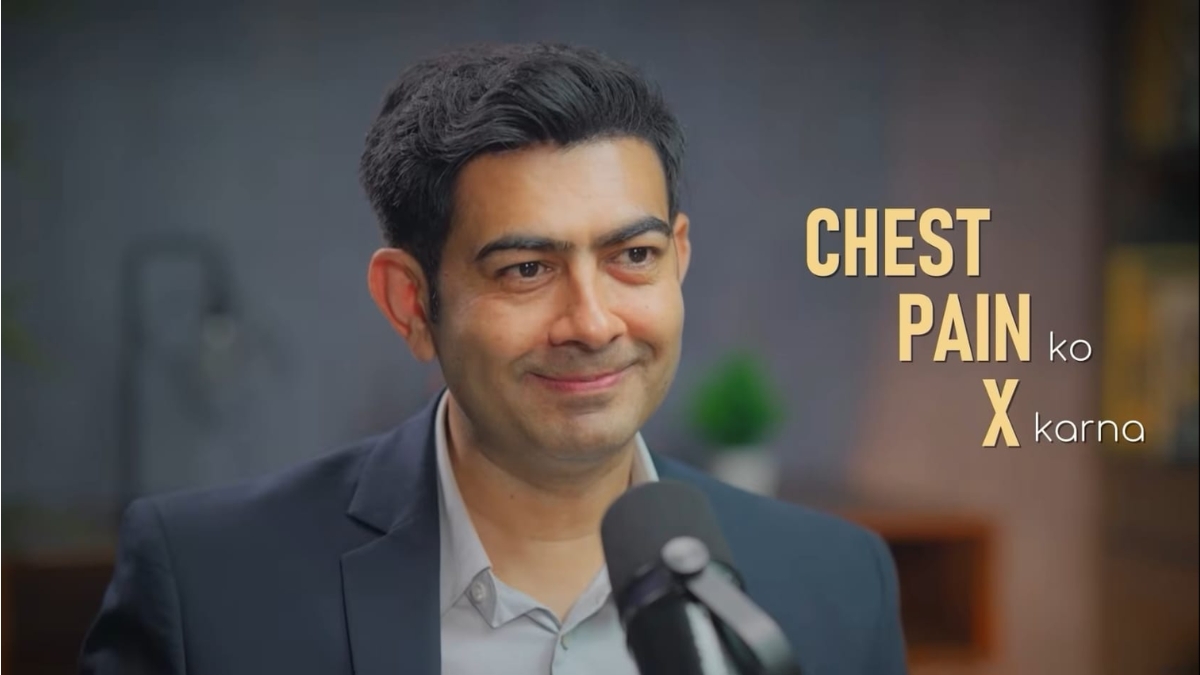
    During a recent podcast conversation on GunjanShouts, Gosalia summarized the philosophy behind the movement:

    “Our fight is against the disease. We don’t want to save lives only at the ICU; we want to protect lives much earlier, while people are still at home.”

    His advocacy is increasingly resonating across clinicians, hospitals, policymakers, and public-health stakeholders exploring how prevention can become a continuous layer integrated into routine healthcare delivery at a real population scale.

    Through AnginaX, Gosalia has brought together cardiologists, physicians, scientists, researchers, engineers, and technologists around one mission: shifting healthcare from reactive treatment toward continuous cardiovascular health building.

    Rather than positioning prevention as occasional screening, the vision focuses on enabling earlier awareness and action before cardiovascular disease progresses toward angina, heart attack, stroke, or catastrophic events.

    Healthcare systems globally continue to face rising chronic disease burden, increasing emergency care costs, and overwhelmed infrastructures. In that environment, prevention is no longer being viewed as a future aspiration.

    It is increasingly becoming a necessity.

    For many across India, this represents a proud moment, an Indian-born prevention vision beginning to influence how the world approaches cardiovascular health at a population scale.

    And while the conversations around AnginaX continue to expand internationally, Gosalia’s central message remains remarkably clear:

    “The future of healthcare will not be defined by how well we treat heart attacks; but by how effectively we prevent them.”

    If you object to the content of this press release, please notify us at pr.error.rectification@gmail.com. We will respond and rectify the situation within 24 hours.

  • Paras Health Launches ‘Umeed Ke Sitare’ to Celebrate Cancer Survivors Ahead of May 16 Showcase

    Paras Health Launches ‘Umeed Ke Sitare’ to Celebrate Cancer Survivors Ahead of May 16 Showcase

    New Delhi [India], May 14: Paras Health has announced the launch of Umeed Ke Sitare, a dedicated initiative aimed at celebrating cancer survivors and promoting conversations around life beyond cancer, emotional healing, and holistic oncology care.

    The initiative will be showcased on May 16 in New Delhi, where cancer survivors, caregivers, and leading oncologists from across the Paras Health network will come together on one platform to honour stories of courage, resilience, and recovery.

    In a key highlight of the presentation, oncology specialists from Paras Health hospitals across different states and regions will walk alongside cancer survivors — symbolising the partnership between doctors, patients, and families throughout the cancer journey.

    The initiative seeks to reinforce the importance of timely diagnosis, multidisciplinary treatment, emotional well-being, and compassionate care in cancer recovery.

    “Umeed Ke Sitare is a tribute to every survivor who chose hope over fear. Through this initiative, we want to celebrate not only survival, but also confidence, healing, and the human spirit.”.

    Paras Health

     “India is witnessing a significant rise in the cancer burden, and with it comes an urgent responsibility for healthcare institutions to continuously advance the standards of oncology care. The future of cancer treatment lies in precision — precision in diagnosis, precision in clinical decision-making, and precision in delivering personalised treatment pathways that improve both survival and quality of life.

    At Paras Health, we have built a strong multidisciplinary oncology ecosystem led by highly experienced oncologists, advanced technologies, and integrated clinical expertise across surgical, medical, and radiation oncology. But beyond clinical excellence, we firmly believe that every cancer journey is deeply human.

    Through ‘Umeed Ke Sitare’, we are not only honouring survivors for their courage and resilience, but also reaffirming our commitment to ensuring that every patient feels seen, supported, and cared for at every stage – from diagnosis and treatment to recovery and rehabilitation. For us, healing goes beyond medicine; it is about restoring hope, dignity, confidence, and the ability to look at life again with strength and optimism.”

    Paras Health

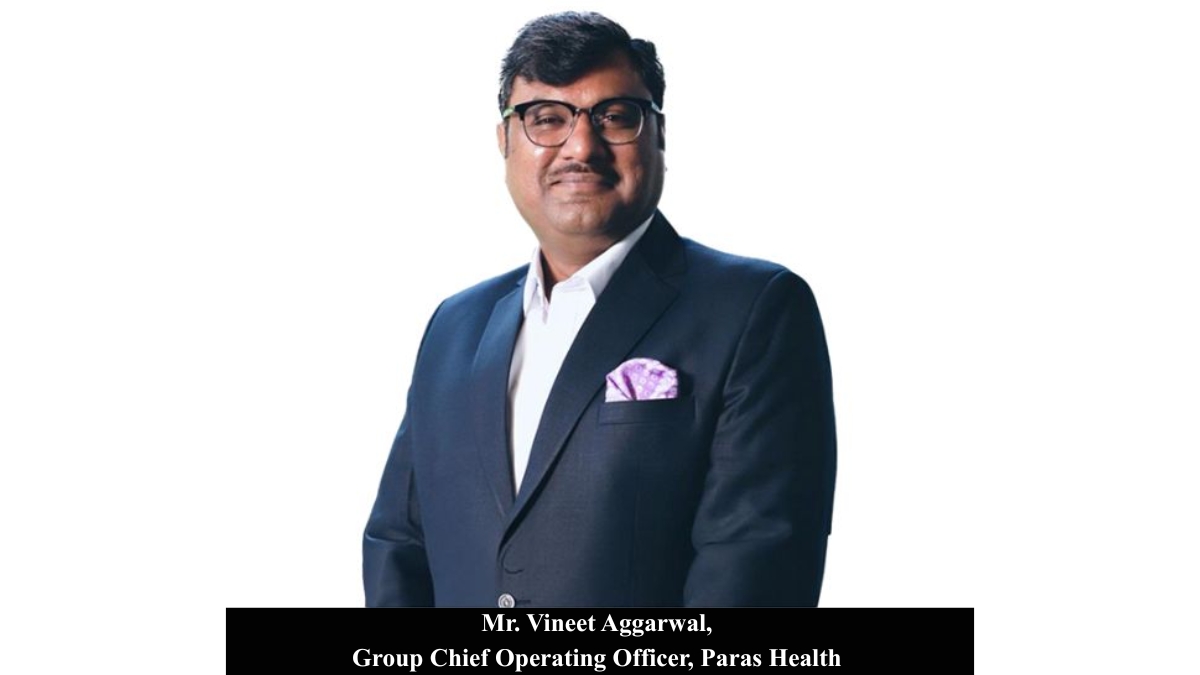
    “As the cancer burden continues to grow across India, healthcare systems must evolve beyond conventional treatment models and build patient-centric ecosystems that combine clinical excellence with compassionate continuity of care. Today, oncology care is not only about treating disease; it is equally about enabling patients and survivors to navigate one of the most challenging phases of their lives with confidence, support, and dignity.

    At Paras Health, we remain deeply committed to strengthening our oncology services through advanced infrastructure, leading oncologists, multidisciplinary collaboration, and precision-driven treatment approaches that improve outcomes and patient experience alike. Equally important is our effort to ensure that survivors remain at the heart of every conversation around cancer care.

    ‘Umeed Ke Sitare’ reflects this philosophy. It is a platform that acknowledges the extraordinary strength of survivors and their families, while creating a culture where stories of resilience, recovery, and hope are celebrated openly. We believe survivors deserve not just successful treatment, but continued emotional support, recognition, rehabilitation, and the reassurance that they are never alone in their journey.”

    According to healthcare experts, while awareness around cancer treatment has increased in India, conversations around survivorship and emotional recovery still remain limited. Through Umeed Ke Sitare, Paras Health aims to encourage greater public awareness around early screening, access to advanced oncology care, and support systems for patients and caregivers.

    The initiative also reflects Paras Health’s focus on integrated cancer care through advanced diagnostics, medical oncology, surgical oncology, radiation therapy, and patient-centric rehabilitation programmes.

    Over the past few years, the healthcare network has expanded specialised medical services across Tier-2 and Tier-3 cities, strengthening access to advanced healthcare beyond metropolitan centres.

    Paras Health has recently received recognition for its contribution towards healthcare leadership, clinical excellence, and expanding integrated healthcare infrastructure across multiple regions in India.

    Following the May 16 showcase, Umeed Ke Sitare will continue as a larger awareness-led movement through digital storytelling, survivor narratives, and public engagement campaigns focused on hope, healing, and life after cancer.

    If you object to the content of this press release, please notify us at pr.error.rectification@gmail.com. We will respond and rectify the situation within 24 hours.
  • Krishna’s Ayurveda, She Care Juice Clinically Proven to Support PCOD Management in 90 Days

    Krishna’s Ayurveda, She Care Juice Clinically Proven to Support PCOD Management in 90 Days

    Jodhpur (Rajasthan) [India], May 12: In a step that brings traditional Ayurveda closer to modern clinical validation, Krishna’s Herbal & Ayurveda has announced the successful completion of a clinical study on its She Care Juice, designed to support women dealing with PCOD-related concerns.

    For millions of women, PCOD is not just a medical term. It often shows up as irregular periods, acne, unwanted facial hair, weight gain, emotional stress, and a constant feeling that the body is out of balance. With She Care Juice, Krishna’s Ayurveda has focused on a formulation that supports women’s health naturally, while now also being backed by clinical observation.

    The study was conducted as a prospective, open-label, single-arm clinical study over 90 days among women diagnosed with PCOD. The findings showed meaningful improvements across key PCOD-related symptoms. The mean mFG score, used to assess hirsutism, reduced from 11.53 to 4.88 by Day 90. Acne severity also improved significantly, with 100% of participants achieving clear or almost clear skin by the end of the study period. Participants also recorded improvements in weight, BMI, waist circumference, menstrual symptoms, and overall quality of life.

    Speaking on the milestone, Mr. Shrawan Daga, Founder & CEO of Krishna’s Herbal & Ayurveda, said, “This clinical milestone is a proud moment for us. It validates our belief that Ayurveda, when backed by scientific research, can deliver safe and effective solutions for modern health challenges like PCOD. She Care Juice is not just a product, it’s a step towards holistic, root-cause wellness for women.”

    The study also reported positive hormonal trends, including a decrease in the LH/FSH ratio among several participants, while metabolic markers remained stable. Importantly, no adverse events or serious adverse events were reported, and liver, kidney, thyroid, haematological parameters, and vital signs remained clinically stable throughout the study.

    With this clinical milestone, Krishna’s Ayurveda aims to strengthen confidence among women looking for a natural, daily wellness support for PCOD management. The brand believes She Care Juice can become a trusted addition to a holistic routine that includes balanced nutrition, lifestyle correction, regular movement, and medical guidance wherever required.

    Disclaimer: This press release is for general information purposes only and should not be construed as professional medical advice. Always consult a doctor before taking any decisions.

  • The Warning Signs Were There; Nobody Was Looking

    The Warning Signs Were There; Nobody Was Looking

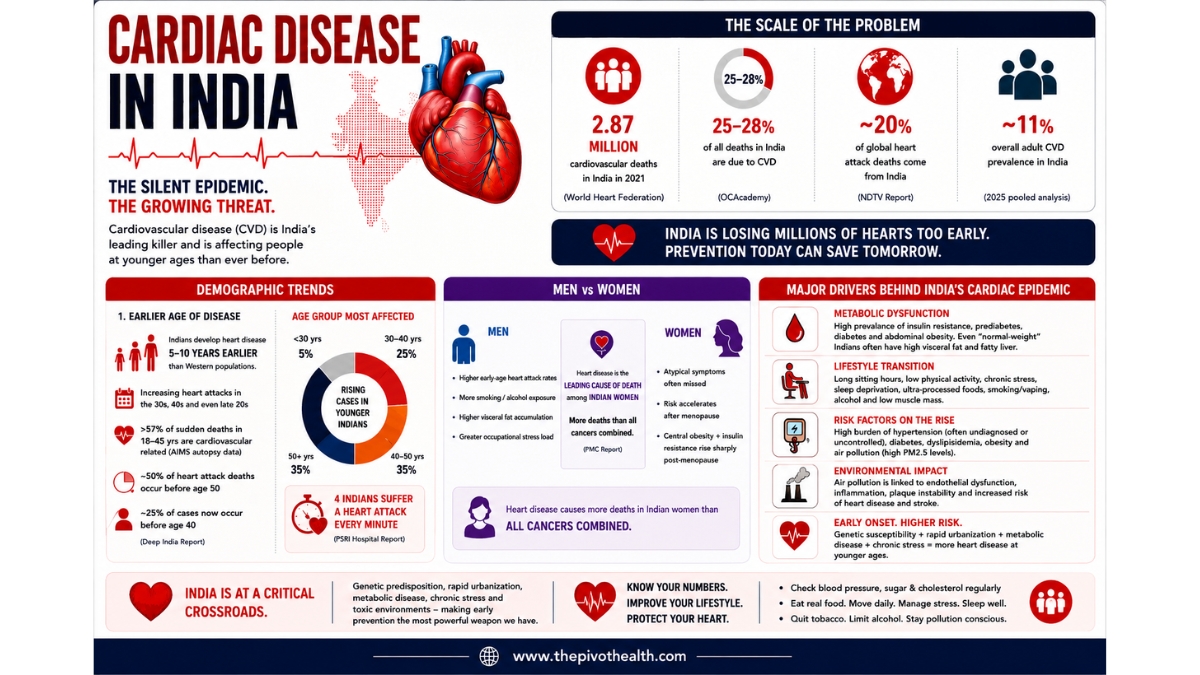
    New Delhi [India], May 11: Every week in India, heart disease claims more than 59,000 lives. That is 350 people every hour dying in the country, accounting for 32% of all fatalities in 2023 alone, according to the Global Burden of Disease study.

    These are not numbers that should surprise us anymore. And yet, the stories behind them still do.

    A founder in his late 40s. A CFO who just passed his annual check-up. A senior executive whose cholesterol was “well within range.” We keep describing these events as sudden. They are not. What they are, almost without exception, is undetected. Stories like this are not unusual in India. They are, increasingly, the norm.

    According to the Global Burden of Disease study (2025), 32% of all deaths in India in 2023 were caused by heart disease, or 350 every hour. More alarming is where these deaths are concentrated: urban, working-age professionals, with cardiac events now occurring almost a decade earlier in India than global averages. Many had no prior diagnosis. Several had normal reports.

    The question a growing number of specialists are asking is not why these events happen. It is why they keep going undetected until it is too late.

    The Gap Nobody Talks About

    Ankur Bhatia spent over two decades in corporate leadership before he began asking that question seriously. What he observed — in colleagues, in peers, in the broader pattern of high-achievers who deteriorated quietly eventually led him away from the boardroom and toward a five-year deep dive into preventive cardiology, nutrition, lifestyle medicine, and the science of early risk detection.

    In 2025, he founded The Pivot Health, a precision preventive health venture built around a single conviction: that the window between early biological dysfunction and an irreversible heart event is both measurable and actionable, and that the medical system, through no fault of its own, is structurally not designed for it.

    “Most heart attacks are not sudden events. They are the result of years of silent accumulation. The body signals long before it breaks down. The tragedy is that we have built a system that only listens once something has already gone wrong.” — Ankur Bhatia, Founder, The Pivot Health

    The problem, Ankur argues, is not that people are not getting check-ups. It is that the check-ups are asking the wrong questions. A standard lipid panel measures total cholesterol. It does not measure ApoB — the particle most directly linked to arterial damage. It does not screen for Lipoprotein(a), a genetically inherited risk factor present in roughly one in five people and entirely absent from routine diagnostics. It does not assess fasting insulin, which can help identify diabetes, which is one of the risk factors for heart problems, or high-sensitivity CRP, which is a marker of silent inflammation in the body, which means plaque formation is accelerated, and also the probability of a heart attack. 

    “Two people can walk out of the same clinic with the same cholesterol reading,” Ankur explains, “and be carrying completely different levels of risk. Standard diagnostics cannot tell you which one is which. That is the gap we are working in.”

    The Pivot Health’s approach — built around what Ankur calls the Detect, Decode, Reverse methodology — begins with a deep diagnostic assessment across eight health dimensions, including metabolic function, inflammatory status, body composition, hormonal balance, and cardiovascular fitness. The goal is not to identify disease. It is to identify the conditions under which the disease is quietly forming. Programmes are then built entirely around the individual — their biology, their schedule, their specific risk drivers — combining evidence-based nutrition, structured movement, stress regulation, and modern health technology to track and shift the markers that matter most.

    Pivot – Treating the Root, Not the Readout

    What distinguishes the more effective approaches emerging in this space is not the technology or the test panel — it is the starting question. Rather than asking “what disease does this person have,” the question becomes “what is this person’s body moving toward, and how fast.” programme at The Pivot Health is built on that distinction — assessing health across multiple dimensions simultaneously, identifying the one or two root drivers creating the most risk, and building an intervention precise enough to fit inside a demanding professional life rather than disrupting it

    A Shift That Cannot Come Fast Enough

    India’s burden of cardiovascular disease is not simply a healthcare problem. It is an economic one. The demographic most at risk, urban professionals between 40 and 55, represents the country’s most productive working population. The cost of losing them, or of managing their decline through years of medication and repeated hospitalisation, is one that corporations, insurers, and families are already absorbing without fully understanding its source.

    There are signs of change. Awareness of preventive health is growing. A small but expanding cohort of physicians, insurers, and corporate health buyers is beginning to look beyond the annual check-up toward programmes that offer genuine risk modification rather than routine reassurance. But specialists in the field caution that the pace remains slow relative to the scale of the problem.

    For Ankur, the urgency is personal as much as professional. “I built this because I watched people I respected fall apart in slow motion, and nobody caught it in time,” he says. “The data was always there. The tests to read it exist. What has been missing is the framework to put it together — and the willingness to intervene before the crisis, not after.”

    In the case of heart disease, what is missed early cannot always be fixed later.

    Pivot Health offers personalised preventive programmes for business leaders, Founders, and senior professionals. www.thepivothealth.com

    Disclaimer: This press release is for general information purposes only and should not be construed as professional medical advice. Always consult a doctor before taking any decisions.

  • ASG Eye Hospital Raises Awareness on Retinoblastoma: Early Detection Saves Children’s Vision

    ASG Eye Hospital Raises Awareness on Retinoblastoma: Early Detection Saves Children’s Vision

    Retinoblastoma in Children: Why Early Detection Matters More Than Most Parents Realise

    New Delhi [India], April 30: Most parents never expect a family photo to raise a medical concern. But for some parents, that is exactly what happens. The camera flash catches something different, one eye glows red as it should, and the other shows a strange white or pale reflection. Easy to dismiss as a glitch. Easy to scroll past.

    For many children, that white glow in the eye is the first visible sign that something is wrong inside the eye.

    Retinoblastoma is not a condition most people grow up knowing about. It is rare. But it is the most common eye cancer seen in young children, and the families who have been through it will tell you the same thing: they wish they had known sooner. Because the earlier it is caught, the more options a family has, and the better the chances of saving both the child’s vision and their life.

    ASG Eye Hospital has made it a priority to change that. Not just by treating the condition, but by making sure more parents, more doctors, and more communities know what retinoblastoma is and how to identify it before it becomes serious.

    Understanding Retinoblastoma and Who It Affects

    Retinoblastoma starts in the retina, the thin layer at the back of the eye that processes light and sends signals to the brain. In young children, certain cells in the retina can begin dividing uncontrollably, forming a tumour. It sounds complicated, but the biology matters less than this simple fact: it grows fast, and it responds well to treatment when it has not spread far.

    Retinoblastoma almost always affects children under five. Some cases run in families, passed down through a gene mutation. In those situations, both eyes can be affected, and siblings or future children may carry the same risk.

    A parent with a family history of retinoblastoma should not wait for symptoms. Screening can begin at birth.

    One of the most common questions doctors hear is whether retinoblastoma can be cured. In many cases, yes, particularly when it is found while still confined to the eye.

    Early Signs of Retinoblastoma That Parents Should Know

    Children rarely complain about their vision changing. They do not know what they are supposed to see. So the early signs of retinoblastoma tend to be spotted by someone watching, a parent, a grandparent, a nursery teacher, or a paediatrician doing a routine check.

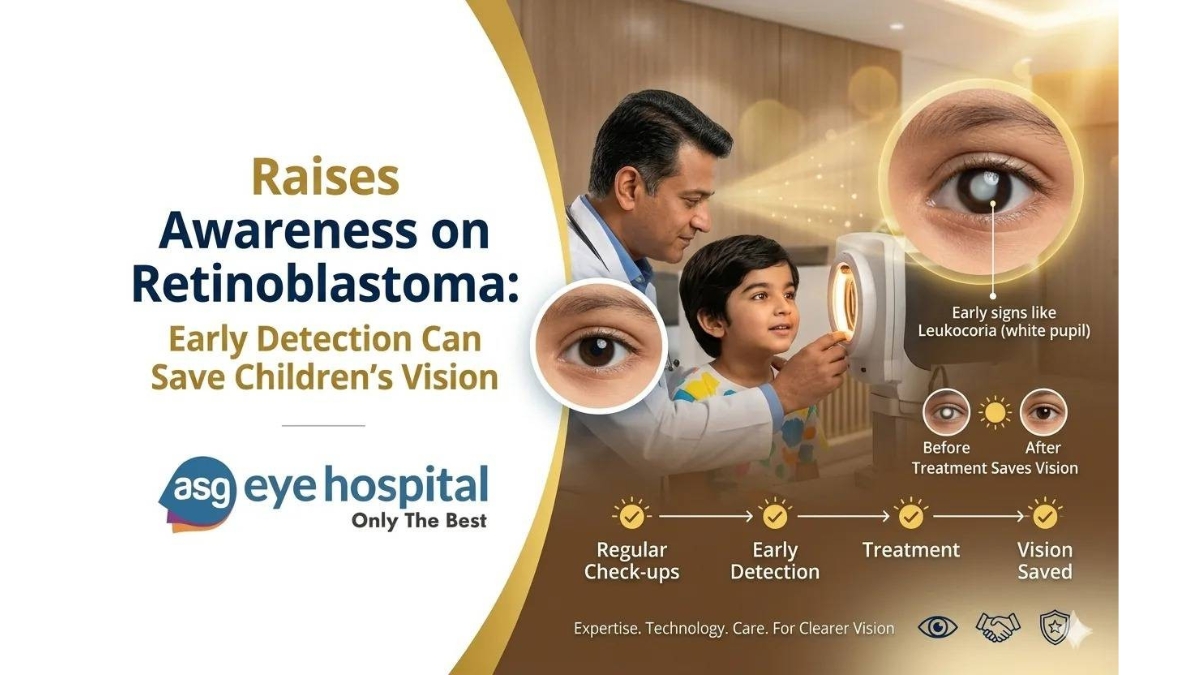
    The sign that gets noticed most often is a white or yellowish glow in the pupil. In medical terms, it is called leukocoria. In everyday life, it shows up most clearly in flash photographs, where one eye catches the light differently from the other. In person, under normal lighting, it can be almost invisible, which is why so many families recall noticing it first in a photo rather than face-to-face.

    Beyond that, other changes that may point to a problem include:

    • One eye turning inward or outward, or appearing misaligned
    • Persistent redness or visible swelling around the eye
    • A shift in the colour of the iris
    • A child rubbing or closing one eye more than usual
    • Older children mentioning they cannot see properly from one side

    One important thing to understand: retinoblastoma does not usually hurt. A child can have a growing tumour and show no signs of discomfort at all. That silence is part of what makes it easy to miss.

    Eye Cancer in Children: Symptoms | What to Look for in Photographs

    It might sound like an overstatement, but a mobile phone camera has genuinely helped catch retinoblastoma in children before a doctor ever got the chance to look.

    Eye cancer in children often shows up in photographs long before they become obvious in daily life. The white reflex in child’s eye, leukocoria, happens because the tumour reflects light back through the pupil in a way healthy retinal tissue does not. With flash photography, that reflection can be quite stark.

    Families describe noticing it at birthday parties, in holiday videos, in a random selfie taken on a Sunday afternoon. Some noticed it across several photos spanning months and convinced themselves it was just the camera angle.

    If one eye consistently shows a pale or white reflection in flash photos, while the other shows the usual red-eye, that is worth taking seriously. It does not mean something is definitely wrong. But it does mean a specialist should take a look.

    Pediatric Eye Cancer Diagnosis: How It Is Confirmed

    When a child is brought in with a suspected eye problem, the examination needs to be thorough and with very young children, that usually means doing it under general anaesthesia. A toddler cannot be asked to stay still and look in a particular direction for the time it takes to properly examine the retina.

    The ophthalmologist uses a specialised indirect ophthalmoscope to view the back of the eye in detail. If a tumour is present, its location, size, and spread are assessed. Ultrasound imaging can help map the extent of what is inside the eye. An MRI is used to check whether anything has spread beyond it.

    A concern that comes up almost every time is whether the child will lose the eye. Understandably so. But the honest answer is that it depends almost entirely on when the diagnosis happens. Caught early, the eye can very often be saved. Caught late, the priority shifts to saving the child’s life.

    At ASG Eye Hospital, paediatric eye examinations are carried out in a setting designed with young patients in mind, because a child who is calm and comfortable makes for a far more accurate assessment.

    Retinoblastoma Treatment in India: What the Process Involves

    Retinoblastoma treatment in India has come a long way. Families in cities across the country now have access to approaches that, not long ago, were only available at a handful of specialised centres abroad.

    Treatment is never one-size-fits-all. It is built around how far the tumour has progressed, whether one eye or both are involved, and what is most likely to preserve vision while eliminating the cancer. The options commonly used include:

    • Chemotherapy – given either through a vein or directly into the artery supplying the eye, to shrink the tumour before other treatments are applied
    • Laser therapy or cryotherapy – used to target and destroy smaller tumours with precision
    • Radiation therapy – considered in specific cases where other approaches are not sufficient
    • Surgical removal of the eye – only when the tumour is at an advanced stage, and saving the eye is no longer a safe option

    These treatments rarely happen in isolation. An oncologist, a paediatric ophthalmologist, and sometimes a radiation specialist work together to build a plan specific to each child.

    Parents often want to know what vision will look like after treatment. Where the eye is preserved, and the response to treatment is good, useful vision is often maintained. But it is not guaranteed, and it depends heavily on where in the retina the tumour was sitting.

    The Role of Routine Eye Checks in Children

    A red reflex test takes about ten seconds. A paediatrician shines a light into a child’s eyes during a routine visit and checks that the reflection looks the same in both. If one eye shows a white or dull reflex instead of the expected red, that child gets referred to a specialist.

    That one check, done at every well-child visit, is one of the most reliable ways to catch retinoblastoma early.

    For children born into families with a known history of the condition, the process goes further. Genetic counselling, testing, and regular eye examinations under anaesthesia may begin from the first weeks of life.

    ASG Eye Hospital actively supports retinoblastoma awareness among paediatricians and general practitioners, because a lot of retinoblastoma cases are first seen not in an eye clinic, but in a general practitioner’s consulting room. The sooner that referral happens, the better the outcome tends to be.

    Why Early Detection Changes Everything

    The gap between an early diagnosis and a late one can mean the difference between a child keeping their eye and losing it. In some cases, it is the difference between a localised tumour and one that has spread beyond the eye entirely.

    Children whose retinoblastoma is diagnosed while still small and contained have the strongest outcomes, both for survival and for sight. Those who reach a specialist after months of unnoticed progression face harder choices and fewer options.

    There is no sophisticated test required to start that process. It begins with a parent knowing what a white reflex in child eye looks like in a photograph. It begins with a General Practitioner who refers rather than waits. It begins with communities talking openly about retinoblastoma, because it is rare and tends to stay in the shadows.

    ASG Eye Hospital, with centres across Jodhpur, Mumbai, Delhi, Jaipur, Pune, Guwahati, and more, is working to make sure that retinoblastoma awareness reaches every corner of the country, because every child deserves to be seen clearly and seen in time.

    FAQs

    1. What Are the Most Common Retinoblastoma Symptoms in Children? 
     The most frequently noticed sign is a white or pale glow in one eye, particularly visible in flash photographs. A squint, persistent redness, or a change in eye colour can also be early indicators worth checking out.

    2. What Causes the White Reflex in a Child’s Eye?

    The tumour sits inside the retina and reflects light through the pupil. Instead of the normal red reflex seen in photos, the affected eye shows white or yellow, a sign that something is different at the back of the eye.

    3. At What Age Does Retinoblastoma Usually Develop? 
     
     The majority of cases are diagnosed in children under five. It becomes significantly less common as children get older and is rarely seen in adults.

    4. Is Retinoblastoma Treatable in India? 
     
     Yes. Access to specialised paediatric eye cancer diagnosis and treatment has improved considerably across India. When found early, outcomes are genuinely encouraging.

    5. Should All Children Be Screened for Retinoblastoma? 
     
     A basic red reflex check at routine paediatric visits is something every child should have. For those with a family history of the condition, more thorough and frequent screening from birth is strongly recommended.

    If you object to the content of this press release, please notify us at pr.error.rectification@gmail.com. We will respond and rectify the situation within 24 hours.
  • ASG Eye Hospital Raises Awareness on Retinoblastoma: Early Detection Can Save Children’s Vision

    ASG Eye Hospital Raises Awareness on Retinoblastoma: Early Detection Can Save Children’s Vision

    Retinoblastoma in Children: Why Early Detection Matters More Than Most Parents Realise

    New Delhi [India], April 30: Most parents never expect a family photo to raise a medical concern. But for some parents, that is exactly what happens. The camera flash catches something different, one eye glows red as it should, and the other shows a strange white or pale reflection. Easy to dismiss as a glitch. Easy to scroll past.

    For many children, that white glow in the eye is the first visible sign that something is wrong inside the eye.

    Retinoblastoma is not a condition most people grow up knowing about. It is rare. But it is the most common eye cancer seen in young children, and the families who have been through it will tell you the same thing: they wish they had known sooner. Because the earlier it is caught, the more options a family has, and the better the chances of saving both the child’s vision and their life.

    ASG Eye Hospital has made it a priority to change that. Not just by treating the condition, but by making sure more parents, more doctors, and more communities know what retinoblastoma is and how to identify it before it becomes serious.

    Understanding Retinoblastoma and Who It Affects

    Retinoblastoma starts in the retina, the thin layer at the back of the eye that processes light and sends signals to the brain. In young children, certain cells in the retina can begin dividing uncontrollably, forming a tumour. It sounds complicated, but the biology matters less than this simple fact: it grows fast, and it responds well to treatment when it has not spread far.

    Retinoblastoma almost always affects children under five. Some cases run in families, passed down through a gene mutation. In those situations, both eyes can be affected, and siblings or future children may carry the same risk.

    A parent with a family history of retinoblastoma should not wait for symptoms. Screening can begin at birth.

    One of the most common questions doctors hear is whether retinoblastoma can be cured. In many cases, yes, particularly when it is found while still confined to the eye.

    Early Signs of Retinoblastoma That Parents Should Know

    Children rarely complain about their vision changing. They do not know what they are supposed to see. So the early signs of retinoblastoma tend to be spotted by someone watching, a parent, a grandparent, a nursery teacher, or a paediatrician doing a routine check.

    The sign that gets noticed most often is a white or yellowish glow in the pupil. In medical terms, it is called leukocoria. In everyday life, it shows up most clearly in flash photographs, where one eye catches the light differently from the other. In person, under normal lighting, it can be almost invisible, which is why so many families recall noticing it first in a photo rather than face-to-face.

    Beyond that, other changes that may point to a problem include:

    • One eye turning inward or outward, or appearing misaligned
    • Persistent redness or visible swelling around the eye
    • A shift in the colour of the iris
    • A child rubbing or closing one eye more than usual
    • Older children mentioning they cannot see properly from one side

    One important thing to understand: retinoblastoma does not usually hurt. A child can have a growing tumour and show no signs of discomfort at all. That silence is part of what makes it easy to miss.

    Eye Cancer in Children: Symptoms | What to Look for in Photographs

    It might sound like an overstatement, but a mobile phone camera has genuinely helped catch retinoblastoma in children before a doctor ever got the chance to look.

    Eye cancer in children often shows up in photographs long before they become obvious in daily life. The white reflex in child’s eye, leukocoria, happens because the tumour reflects light back through the pupil in a way healthy retinal tissue does not. With flash photography, that reflection can be quite stark.

    Families describe noticing it at birthday parties, in holiday videos, in a random selfie taken on a Sunday afternoon. Some noticed it across several photos spanning months and convinced themselves it was just the camera angle.

    If one eye consistently shows a pale or white reflection in flash photos, while the other shows the usual red-eye, that is worth taking seriously. It does not mean something is definitely wrong. But it does mean a specialist should take a look.

    Pediatric Eye Cancer Diagnosis: How It Is Confirmed

    When a child is brought in with a suspected eye problem, the examination needs to be thorough and with very young children, that usually means doing it under general anaesthesia. A toddler cannot be asked to stay still and look in a particular direction for the time it takes to properly examine the retina.

    The ophthalmologist uses a specialised indirect ophthalmoscope to view the back of the eye in detail. If a tumour is present, its location, size, and spread are assessed. Ultrasound imaging can help map the extent of what is inside the eye. An MRI is used to check whether anything has spread beyond it.

    A concern that comes up almost every time is whether the child will lose the eye. Understandably so. But the honest answer is that it depends almost entirely on when the diagnosis happens. Caught early, the eye can very often be saved. Caught late, the priority shifts to saving the child’s life.

    At ASG Eye Hospital, paediatric eye examinations are carried out in a setting designed with young patients in mind, because a child who is calm and comfortable makes for a far more accurate assessment.

    Retinoblastoma Treatment in India: What the Process Involves

    Retinoblastoma treatment in India has come a long way. Families in cities across the country now have access to approaches that, not long ago, were only available at a handful of specialised centres abroad.

    Treatment is never one-size-fits-all. It is built around how far the tumour has progressed, whether one eye or both are involved, and what is most likely to preserve vision while eliminating the cancer. The options commonly used include:

    • Chemotherapy – given either through a vein or directly into the artery supplying the eye, to shrink the tumour before other treatments are applied
    • Laser therapy or cryotherapy – used to target and destroy smaller tumours with precision
    • Radiation therapy – considered in specific cases where other approaches are not sufficient
    • Surgical removal of the eye – only when the tumour is at an advanced stage, and saving the eye is no longer a safe option

    These treatments rarely happen in isolation. An oncologist, a paediatric ophthalmologist, and sometimes a radiation specialist work together to build a plan specific to each child.

    Parents often want to know what vision will look like after treatment. Where the eye is preserved, and the response to treatment is good, useful vision is often maintained. But it is not guaranteed, and it depends heavily on where in the retina the tumour was sitting.

    The Role of Routine Eye Checks in Children

    A red reflex test takes about ten seconds. A paediatrician shines a light into a child’s eyes during a routine visit and checks that the reflection looks the same in both. If one eye shows a white or dull reflex instead of the expected red, that child gets referred to a specialist.

    That one check, done at every well-child visit, is one of the most reliable ways to catch retinoblastoma early.

    For children born into families with a known history of the condition, the process goes further. Genetic counselling, testing, and regular eye examinations under anaesthesia may begin from the first weeks of life.

    ASG Eye Hospital actively supports retinoblastoma awareness among paediatricians and general practitioners, because a lot of retinoblastoma cases are first seen not in an eye clinic, but in a general practitioner’s consulting room. The sooner that referral happens, the better the outcome tends to be.

    Why Early Detection Changes Everything

    The gap between an early diagnosis and a late one can mean the difference between a child keeping their eye and losing it. In some cases, it is the difference between a localised tumour and one that has spread beyond the eye entirely.

    Children whose retinoblastoma is diagnosed while still small and contained have the strongest outcomes, both for survival and for sight. Those who reach a specialist after months of unnoticed progression face harder choices and fewer options.

    There is no sophisticated test required to start that process. It begins with a parent knowing what a white reflex in child eye looks like in a photograph. It begins with a General Practitioner who refers rather than waits. It begins with communities talking openly about retinoblastoma, because it is rare and tends to stay in the shadows.

    ASG Eye Hospital, with centres across Jodhpur, Mumbai, Delhi, Jaipur, Pune, Guwahati, and more, is working to make sure that retinoblastoma awareness reaches every corner of the country, because every child deserves to be seen clearly and seen in time.

    FAQs

    1. What Are the Most Common Retinoblastoma Symptoms in Children? 
     The most frequently noticed sign is a white or pale glow in one eye, particularly visible in flash photographs. A squint, persistent redness, or a change in eye colour can also be early indicators worth checking out.

    2. What Causes the White Reflex in a Child’s Eye?

    The tumour sits inside the retina and reflects light through the pupil. Instead of the normal red reflex seen in photos, the affected eye shows white or yellow, a sign that something is different at the back of the eye.

    3. At What Age Does Retinoblastoma Usually Develop? 
     
     The majority of cases are diagnosed in children under five. It becomes significantly less common as children get older and is rarely seen in adults.

    4. Is Retinoblastoma Treatable in India? 
     
     Yes. Access to specialised paediatric eye cancer diagnosis and treatment has improved considerably across India. When found early, outcomes are genuinely encouraging.

    5. Should All Children Be Screened for Retinoblastoma? 
     
     A basic red reflex check at routine paediatric visits is something every child should have. For those with a family history of the condition, more thorough and frequent screening from birth is strongly recommended.

    If you object to the content of this press release, please notify us at pr.error.rectification@gmail.com. We will respond and rectify the situation within 24 hours.
  • Nature’s Way Alive Enters India, Bringing U.S. Nutraceutical Expertise to the Growing Preventive Healthcare Market

    Nature’s Way Alive Enters India, Bringing U.S. Nutraceutical Expertise to the Growing Preventive Healthcare Market

    New Delhi [India], April 27: The preventive healthcare segment in India is witnessing steady growth, and global nutraceutical brands are increasingly looking at the country as a key market. Tapping into this momentum, Nature’s Way Alive, a widely recognised US-based nutraceutical brand, has officially entered the Indian market.

    The brand is being introduced in India by Dr. Willmar Schwabe India Pvt. Ltd., a part of the globally established Schwabe Group. With a strong legacy in herbal and natural medicine, the group aims to strengthen its presence in the country’s expanding wellness and dietary supplement category through this launch.

    The Schwabe Group traces its origins to 1866, when German pharmacist Dr. Willmar Schwabe established pharmaceutical quality standards in homeopathy and herbal medicine. Over the decades, the company has grown into a global name in phytopharmaceuticals and homeopathy, recognised for its focus on research, quality control and herbal extract expertise.

    The India launch of Nature’s Way Alive comes at a time when concerns around nutrient deficiencies are becoming more visible in urban populations. Several studies indicate that a significant proportion of adults in urban India experience deficiencies in essential nutrients. Besides deficiencies in Vitamin B12 and Iron, Vitamin D deficiency affects 40%1 of urban youth; and 60%1 of the overall urban population suffers from Calcium deficiency. 

    Lifestyle changes are a key contributing factor: long working hours, irregular meal patterns, increasing reliance on processed foods, and rising stress levels. However, consumer awareness around preventive health has also grown alongside. This has prompted the demand for plant-based, food-derived supplements to balance diets and support long-term wellness. Nature’s Way Alive aims to address this demand by offering food-based nutritional supplements derived from fruits, vegetables and herbal extracts, for which it is also known globally. 

    Their initial product portfolio for India includes a range of wellness supplements for adults and kids alike:

    • Men’s Multivitamin – Supports energy, immunity, and overall vitality.
    • Women’s Multivitamin – Designed for energy, bone health, and daily nutritional balance.
    • Omega-3 – Supports heart, brain, and joint health.
    • Calcium Bone Support – Promotes bone strength and density.
    • Single Herb Supplements – Targeted herbal wellness solutions.
    • CoQ10 – Daily essential for heart health to combat cellular fatigue.
    • Kids Tummy Soothe – Child-friendly digestive support against nausea, indigestion, and gas.

    According to Mr. Ashish Kumar, EVP – APAC, Schwabe Group, the launch reflects the company’s commitment to making trusted natural healthcare solutions more widely available. 

    “Consumers today are increasingly conscious about maintaining their health through preventive measures. There is a clear shift towards natural, plant-based supplements that can support everyday nutrition,” he said. “With Nature’s Way Alive, we are bringing globally recognised, food-based nutrition supported by US ideology and German quality standards to Indian consumers complying the local regulation. Our focus is to bridge the daily nutrient gaps while also encouraging individuals to have a proactive approach to overall well-being.”

    Industry observers note that India’s nutraceutical market has been expanding rapidly, driven by rising health awareness, lifestyle changes and growing interest in preventive healthcare solutions. To summarise, Indian consumers want reliable nutritional options for everyday health. This positions the Nature’s Way Alive launch as a major step forward in aiding Schwabe Group’s growth in the evolving Indian wellness landscape in 2026 and beyond. 

    To learn more about Nature’s Way Alive, its mission, and products, visit https://www.natureswayalive.com/ 

    *This is only a trademark and does not represent its true nature.

    Nature’s Way Alive! combines the power of nature and advanced nutrition to create premium multivitamins and supplements for modern lifestyles with nutrient-dense formulas. With vibrant blends of fruits and vegetables, herbs, and extracts, the brand is committed to supporting energy, immunity, and overall vitality, helping people feel alive every day. 

    If you object to the content of this press release, please notify us at pr.error.rectification@gmail.com. We will respond and rectify the situation within 24 hours.
  • Expert Guide on Choosing the Best Hair Transplant Clinic in Delhi NCR

    Expert Guide on Choosing the Best Hair Transplant Clinic in Delhi NCR

    New Delhi [India], April 25: A bare or patchy scalp not only impacts one’s look but also self-esteem and personality. Due to the long-term impact of baldness on personal and professional life, the demand for permanent hair restoration has reached an all-time high. Over the years, New Delhi has cemented its position as a hair restoration hub with people from across the country and abroad coming here for hair transplant procedures. However, with a surge in providers, patients often find themselves overwhelmed by choices. While the market is saturated with options, the difference between a life-changing transformation and a medical complication lies in the selection process. To address this, here is a comprehensive guide to help people choose the best hair transplant clinic in Delhi NCR.

    Choosing Expertise over Everything

    When selecting a hair transplant clinic in Delhi, the patient should give utmost importance to the surgeon. Hair transplant is an art rather than a surgery. It requires knowledge of facial symmetry, graft angulation, and donor management. Dr. Navnit Haror, founder of Dr. Haror’s Wellness, who has pioneered the Ultra Receptive Hair Transplant technique, says that it is the “who” that matters more than the “where.”

    Being a Gold Medalist Dermatologist and international hair transplant surgeon with 17+ years of experience, he believes that a hair transplant is a lifelong change to one’s appearance, so there can be no room for any mistakes, no universal approach. Patients must look for a surgeon who has both clinical precision and an artistic eye. He further says that, “From my first surgery to recent, my aim has always been to make sure that the hairline we make today looks natural even after twenty years.” 

    Deciphering the Technique

    The evolution of hair restoration has moved beyond the outdated, painful methods of the past. Today, the technique used determines the recovery time and the density of the final look. Whether it is the advanced FUE (Follicular Unit Extraction) or specialized Ultra Receptive Hair Transplant, the hair transplant clinic in Delhi must offer a customized plan tailored to the patient’s specific grade of baldness.

    “Innovation should never come at the cost of safety,” notes Dr. Haror. “We utilize the latest international protocols to ensure maximum graft survival rates. By integrating cutting-edge hair transplant techniques with meticulous graft handling, we can achieve results that are virtually indistinguishable from natural hair growth.“

    Balancing Cost and Value

    Hair transplant cost in Delhi NCR is one of the main issues for many people. However, hair transplant experts caution against selecting a clinic based solely on the lowest price. “Cheap” hair transplant surgery often leads to “expensive” repair surgeries in the future. A well-established clinic maintains complete transparency about the cost without any secret charges. The investment should cover not just the surgery, but also the clinic’s environment, facilities offered, and the overall post-operative care that ensures the longevity of the results. 

    The Proof is in the Results

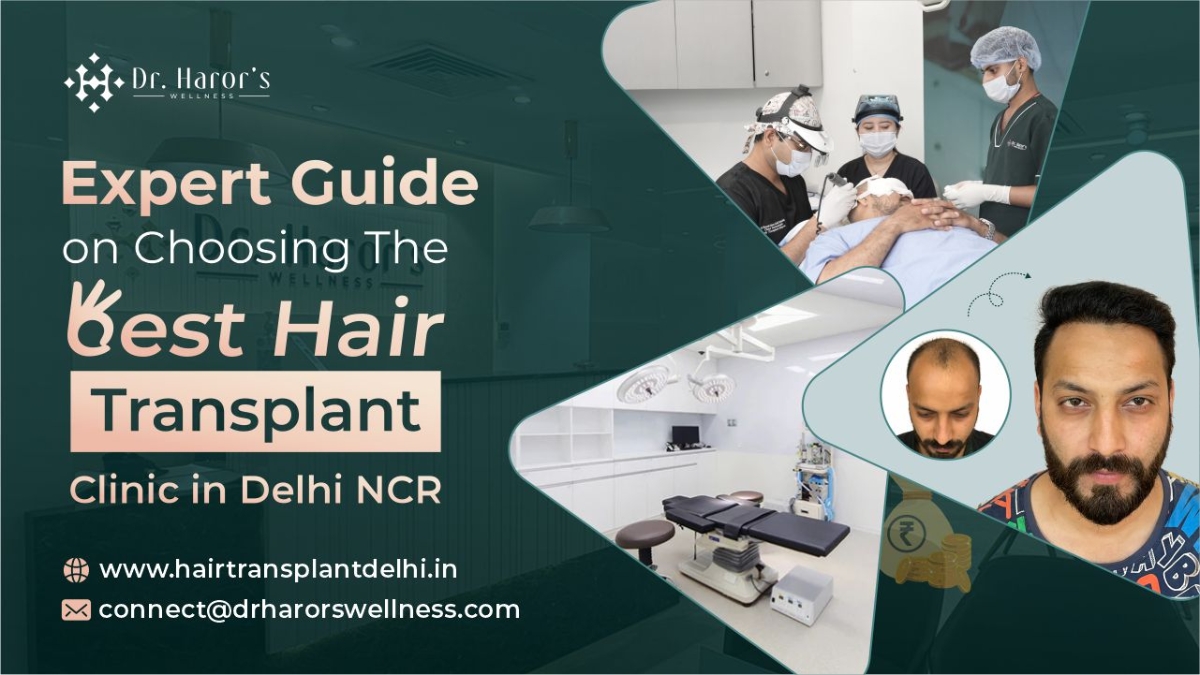
    A gallery full of successful hair transplant results is the trademark of the best hair transplant clinic in Delhi NCR. So, patients are advised to go beyond advertising and see actual hair transplant results. 

    “At the end of the day, our work should do the talking through the confidence of our patients,” says Dr. Navnit Haror. He further says, “When a patient looks in the mirror and sees a fuller head of hair and a renewed sense of self, it is the real measure of a successful transplant. We don’t just move hair; we restore identities.”

    Dr. Haror’s Wellness – The Best Hair Transplant Clinic in Delhi 

    Dr. Haror’s Wellness, located in the heart of the National Capital, is an aesthetic hub for those who want to experience world-class hair restoration and aesthetic treatment. The clinic is headed by Dr. Navnit Haror, a gold medalist dermatologist, and Dr. Vineeta Pathak, cosmetologist & aesthetic physician. The clinic is known for ethics, patient safety, and international standards. Their treatment philosophy is based on the idea that each patient should get a unique experience. The entire process, starting with the first consultation, where the doctor carries out a comprehensive scalp analysis, up to the final follow-up, is managed with the highest professionalism.

    If you are dealing with permanent hair loss and searching for the best hair transplant clinic in Delhi NCR, Dr. Haror’s Wellness should be at the top of your list. Their focus on the latest techniques to deliver world-class results at competitive costs makes them the favorite among celebrities, professionals, and international patients.  Schedule your consultation today to experience excellence in hair restoration. Under the expert guidance of Dr. Navnit Haror, a Gold Medalist Dermatologist and international hair transplant surgeon, your journey to a fuller head of hair is in the safest possible hands.

    If you object to the content of this press release, please notify us at pr.error.rectification@gmail.com. We will respond and rectify the situation within 24 hours.