Category: Health

  • Dr. Haror’s Wellness Hits a Milestone with 20,000+ Successful Hair Transplant Procedures

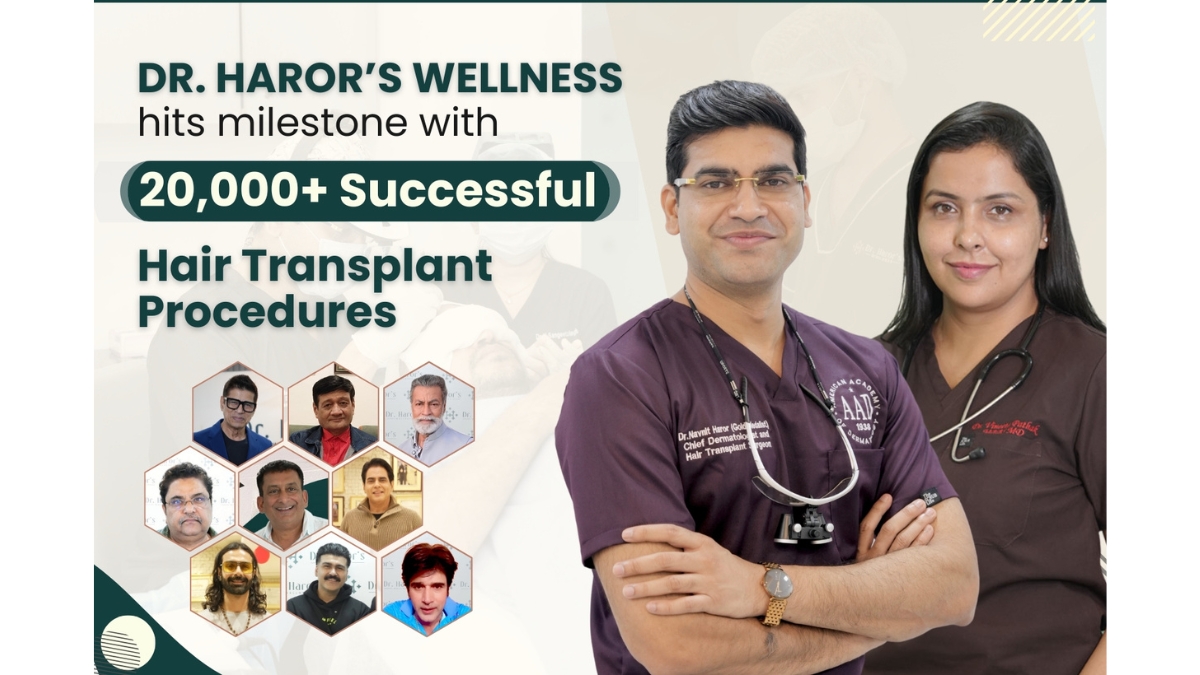
    Dr. Haror’s Wellness Hits a Milestone with 20,000+ Successful Hair Transplant Procedures

    New Delhi [India], August 4: Dr. Haror’s Wellness, one of the leading hair transplant clinics in New Delhi, India, recently announced a significant milestone in operations. The clinic said it has successfully completed 20,000+ hair transplant procedures in its one-decade history. This is a historic achievement that puts them in the leadership position for advanced hair restoration procedures. Dr. Haror’s Wellness’s continuous focus on innovation, technology, and patient care make them a global leader in surgical hair restoration treatments.

    A Significant Achievement in Hair Restoration

    Founded by Dr. Navnit Haror, a gold medalist dermatologist & international hair transplant surgeon, and Dr. Vineeta Pathak, Chief Aesthetician & Hair Transplant Surgeon, Dr. Haror’s Wellness has built its reputation as a leading hair transplant clinic in India with a specialization in surgical hair restoration. The clinic’s achievement indicates commitment to world-class hair restoration solutions and the growing demand for minimally invasive procedures that deliver natural and aesthetically pleasing results.

    “Completing 20,000+ successful procedures is a significant milestone and accomplishment for us,” said Dr. Navnit Haror. “We remain committed to advancing surgical methods, precision in procedures, expert care, and innovation to help people get back what belongs to them,” he noted.

    “This is a very proud moment for all of us at Dr. Haror’s Wellness. Performing over 20,000 successful procedures is a huge achievement. It shows people’s faith and trust in our surgical prowess and the kind of expertise and care we provide,” says Dr. Vineeta Pathak on the milestone.

    Trusted by Patients from All Walks of Life

    Over the years, Dr. Haror’s Wellness has built a strong list of patients from all walks of life, including famous Bollywood actors, public figures, celebrities, and international patients. Prominent celebrities like Sudesh Berry, Ashmit Patel, Ghajini fame Pradeep Ram Singh Rawat, and TV actor Aman Verma are some names who chose Dr. Haror’s Wellness for their hair transformation. Their reputation extends across borders, with patients from the USA, the UK, Australia, the UAE, and other European and American countries visiting them for the procedure due to their high-quality surgery at an affordable hair transplant cost.

    Driving Innovation in Hair Restoration

    A major contributor to Dr. Haror’s Wellness’ historic achievement is its continuous innovation and adoption of the latest advancements in surgical hair restoration. For a long time, graft survival rate has been a major concern among hair transplant doctors, especially in the FUE method, where grafts remain outside the body for a significant amount of time, thus hampering their survival rate.

    Dr. Navnit Haror recognized this challenge and developed a unique technique, URHT – Ultra Receptive Hair Transplant, in which graft extraction and implantation happen almost immediately without the need for channel creation or incision at the recipient site. A specialized implant pen is used in this method for graft extraction and implantation.

    Due to immediate implantation, grafts don’t stay outside the body for a long duration, which in turn increases their survival rate. This hair transplant technique has increased precision, improves graft survival rate, facilitates faster recovery, and delivers 25–30% better outcomes than other methods.

    Commitment to Excellence in Hair Restoration

    The team of surgeons led by Dr. Navnit Haror and Dr. Vineeta Pathak has excelled in several hair transplant techniques, such as FUE, Sapphire FUE, DHT, URHT, etc. These are minimally invasive techniques that help deliver more precise, better, and natural results with faster recovery.

    Beyond the surgical approach, Dr. Haror’s Wellness prioritizes patient’s safety and comfort, hence, uses US FDA-approved surgical equipment, follows international surgical guidelines, and adheres to globally recognized safety and hygiene standards.

    Looking Ahead

    With the demand for permanent hair restoration increasing rapidly, Dr. Haror’s Wellness plans to expand its footprint at the national and international levels. Dr. Haror’s Wellness further plans to invest in future innovation and research in hair restoration, training, and knowledge-sharing programs. Its long-term vision is to make advanced hair restoration solutions accessible to the masses in India and overseas while supporting the growing needs and standards of the modern hair restoration sector.

    Disclaimer: This article is based on information provided by the company and is intended for informational purposes only. It should not be construed as medical advice, a recommendation, or an endorsement of any treatment, procedure, clinic, or healthcare provider. Hair transplant outcomes may vary from person to person. Readers should consult a qualified medical professional before making any healthcare or treatment-related decisions.

  • Dr Batra’sÂŽ Introduces HairGain — India’s First Advanced Hair Regrowth Treatment Powered by 50 Billion Exosomes

    Dr Batra’s® Introduces HairGain — India’s First Advanced Hair Regrowth Treatment Powered by 50 Billion Exosomes

    Novel exosome-powered therapy marks a new milestone in regenerative hair restoration, offering a non-surgical solution built on Dr Batra’s® proprietary TriXo Complex

    Mumbai (Maharashtra) [India], August 3: Marking a new milestone in regenerative medicine, Dr Batra’s® Healthcare today announced the launch of HairGain, India’s first advanced hair regrowth treatment powered by 50 Billion Exosomes, bringing one of the world’s most promising regenerative technologies to patients seeking a non-surgical solution for hair restoration.

    Hair loss is no longer just a cosmetic concern — it has become an emotional and confidence-impacting issue for 150 million people across India, spanning age groups. From hereditary hair loss and post-pregnancy hair fall to menopause-related thinning and stress-induced hair loss, people are increasingly seeking effective solutions that go beyond managing hair fall to actually promoting natural hair regrowth.

    HairGain has been developed for men and women experiencing different stages and causes of hair loss, including hereditary hair loss (male and female pattern baldness), post-pregnancy hair fall, post-menopausal hair thinning, stress-induced hair loss and early-stage hair thinning. By delivering powerful regenerative signals directly to the scalp, HairGain works to stimulate dormant hair follicles, improve scalp health and encourage the body’s natural hair growth process — helping restore thicker, denser and healthier-looking hair over time.

    At the heart of HairGain is an advanced formulation powered by 50 Billion Exosomes — tiny biological messengers that play a critical role in cell-to-cell communication and tissue regeneration. These exosomes help activate dormant follicles, promote cellular repair and create an optimal environment for new hair growth.

    The treatment is built around Dr Batra’s® proprietary TriXo Complex, a multi-layered regenerative approach that combines the power of exosomes with scientifically selected ingredients including PDRN (Polydeoxyribonucleotide), collagen, caffeine, growth factors, polypeptides and copper tripeptides. Together, these ingredients work synergistically to regenerate damaged follicles, improve scalp microcirculation, strengthen the scalp barrier, extend the active growth phase of hair and enhance hair density and quality — supporting healthier hair growth from the root while improving the strength and resilience of existing hair.

    HairGain is expected to deliver visible improvements in approximately 75 days, depending on an individual’s condition and treatment protocol. Patients can expect healthier scalp conditions, reduced hair fall, stronger hair roots, improved hair thickness and density, and noticeable hair regrowth under expert clinical guidance — making it one of the fastest non-surgical regenerative hair restoration solutions offered by Dr Batra’s®.

    Commenting on the launch, Dr. Akshay Batra, Vice-Chairman and Managing Director, Dr Batra’s® Healthcare, and the first Indian President of the Trichological Society of London (UK), said:

    “Hair restoration is entering a completely new era. Today’s consumers are looking for solutions that are backed by science, are minimally invasive and capable of delivering meaningful hair regrowth by working with the body’s own regenerative mechanisms. Exosome therapy represents one of the most exciting advances in regenerative medicine because it delivers powerful biological signals that help awaken dormant hair follicles and support natural hair growth.”

    “Unlike PRP, where results can vary depending on the quality and concentration of an individual’s own platelets, HairGain delivers a standardized dose of 50 Billion Exosomes, ensuring a far more consistent regenerative stimulus for the scalp. For many individuals experiencing early to moderate stages of hair loss, this offers a compelling non-surgical option that may help restore hair naturally before considering more invasive procedures such as hair transplantation.”

    With over four decades of expertise in hair and scalp care, Dr Batra’s® Healthcare continues to invest in next-generation regenerative therapies that combine medical science, clinical research and innovation. The launch of HairGain marks another significant milestone in the company’s mission to make advanced global technologies accessible to Indian consumers and redefine the future of hair restoration with safe, science-backed and personalized treatment solutions.

    About Dr Batra’s® Healthcare

    With over 200+ clinics in around 130 cities across 10 countries including India, Bangladesh, UK, UAE, Thailand, Malaysia and Bahrain Dr Batra’s® Homeopathy Clinics has over 350 doctors including skin specialists, hair specialists, and experienced homeopathic doctors. Dr Batra’s® specializes in Hair, Skin, Allergies, Child and Women’s Health, Mental Health, Sexual Health, and Weight Management ailments including Hair loss, Vitiligo, Psoriasis, Acne, Low immunity, Tonsillitis, Stress Management, Migraine, Thyroid, PCOS, Menopause, Allergies, Sexual Health, Weight Management and Infertility. 

    For more information, visit www.drbatras.com.

    If you object to the content of this press release, please notify us at pr.error.rectification@gmail.com. We will respond and rectify the situation within 24 hours.

  • Caring for an Ageing India: Challenges and Opportunities

    Mumbai (Maharashtra) [India], July 31: By 2050, one out of every five Indians will be over 60. That single fact flips the usual story of India being a “young country” on its head.

    A Shift Nobody Saw Coming

    For years, people talked about India’s youth—median age around 28, an unstoppable workforce everyone admired. Now, if you stroll through any middle-class neighborhood in Pune or Kochi, you can’t help but see more grey hair on morning walks, more elderly folks shopping alone, and more homes where the kids have left for Bengaluru or Toronto, leaving their parents behind.

    The United Nations Population Fund says India’s elderly population will top 300 million by 2050, almost triple what it is now. Kerala’s already there, with over 16% of residents aged 60 or older. It looks more European, demographically speaking, than the rest of the country. What Kerala’s handling today, places like Uttar Pradesh and Bihar will face in a couple decades.

    Families Aren’t the Safety Net They Once Were

    The old way—joint families caring for their elders—is coming apart as migration and urban lifestyles take over.

    Look at Meera Krishnan, a retired schoolteacher in Chennai, age 74. Her sons work in the US and Dubai. She manages her diabetes medication herself, relies on a part-time helper for daily chores, and video-calls her grandkids way more than she sees them in person. This isn’t a rare story anymore; it’s what life looks like for lots of urban seniors.

    HelpAge India’s surveys show a big shift—more elderly folks living alone or just with a spouse. That’s a far cry from the multi-generational home that used to be the norm. Elder abuse and neglect, once whispered about, are now openly documented, especially when it comes to property disputes or financial wrongdoing.

    Healthcare: Still Catching Up

    India’s healthcare was really built for mothers, babies, infectious diseases, and emergencies—not for diabetes, hypertension, arthritis, dementia, heart disease, or anything people need managed over decades.

    Geriatric medicine barely exists outside spots like AIIMS Delhi or NIMHANS Bengaluru. Most hospitals don’t have a geriatric ward, trained specialists, or facilities for palliative or long-term care. Rural India is even tougher. Picture an elderly farmer in Vidarbha trekking over 50 kilometers just to see a basic doctor—specialists are basically out of reach.

    Out-of-pocket healthcare costs are rough. Government programs like Ayushman Bharat have helped, but lots of elderly folks, especially those without formal pensions, still spend a chunk of their savings on medical expenses late in life.

    Pension Coverage: The Reality

    Only a small share of India’s working population gets a structured pension—mostly government or corporate employees with schemes like EPF or NPS. Nearly everyone else, whether in agriculture, retail, or informal work, retires without much of a safety net.

    The Atal Pension Yojana tries to bridge this gap for informal workers, offering a modest, guaranteed pension after 60. Enrollment keeps climbing, into the crores, but plenty of rural areas don’t know it well and the payout—often just a few thousand rupees a month—isn’t enough for modern living costs or emergencies.

    Finding Opportunity in the Challenge

    Sure, it’s a challenge, but India’s ageing boom is also creating new opportunities—ones people are just starting to notice.

    Senior living is becoming a legitimate industry. Antara and Columbia Pacific Communities have built retirement settlements in places like Dehradun, Bengaluru, and Chennai, offering assisted living, healthcare support, and community activities for wealthier seniors. What used to be niche real estate is now attracting big investments.

    Elder-care startups are filling the gaps where the government can’t. Companies like Emoha and Khyaal have subscription plans that cover emergency medical help, companionship calls, and day-to-day support for elders whose children live far from home. These services really address the “distance care” problem families like the Krishnans face.

    Telemedicine is promising, too. Apollo TeleHealth and similar projects connect rural seniors with city specialists, so they don’t have to deal with exhausting travel just for a check-up. For someone aged 70 with limited mobility, a video consultation is sometimes the difference between getting help or letting things slide.

    Kerala’s example is worth noting. Its “Vayomithram” scheme sends mobile medical units, offers palliative care, and provides social support for seniors, all coordinated by local government. It’s one of the few states actually building elder-care infrastructure in advance, instead of scrambling when it’s too late.

    What Comes Next

    India can’t simply copy Western ideas—nursing homes and retirement communities don’t totally fit with the way Indian families operate, at least not yet. But we can’t rely solely on the old joint family system either.

    The best way forward? Probably a mix. Think home-based and community care, more geriatric training in medical colleges, better pension cover for informal workers, and continued private sector innovation in senior living and elder tech. States that start now—following Kerala’s lead, training doctors, expanding pension awareness—will handle this shift way better than those that wait for the wave to crash.

    India’s growth was built on its youth. The next chapter depends on how well we care for those who aren’t young anymore—and how much we manage to create from this new reality, both socially and economically.

    PNN Health

  • India’s Doctor Shortage: Why It Exists and How Telemedicine Could Help

    Mumbai (Maharashtra) [India], July 30: Walk into any district hospital in eastern Uttar Pradesh before lunchtime, ask a doctor how many patients they’ve seen, and you’ll probably be shocked by the answer. The truth is, in much of rural India, one government doctor still cares for tens of thousands of people. Sure, the country’s health numbers look better on paper these days. But out in the real world, the doctor shortage is as tough as ever and nowhere near solved.

    The Numbers Tell Two Different Stories

    Let’s talk numbers. Officially, India now beats the World Health Organization’s target — about one doctor for every 811 people if you count both modern and traditional AYUSH practitioners. That’s a real jump from a decade ago, when things hovered closer to one for every 1,500 and global experts kept calling us “doctor-short.” But these averages miss something big: geography. Over 80% of doctors cluster in cities, even though most Indians still live in villages and small towns. That leaves rural areas with barely three doctors for every 10,000 people. In cities, it’s thirteen. The national ratio sounds fine until you actually leave the city.

    And then there’s the slow talent drain. Each year, thousands of Indian-trained doctors pack up and leave for better jobs and clearer career paths overseas. The UK’s NHS alone has over 30,000 doctors trained in India. Every time one leaves, that’s years of subsidized medical education now working abroad, not at home.

    Why the Gap Persists

    What’s behind the gap? Honestly, we all know the reasons, but they’re hard to fix. Medical college seats have doubled since 2014—over 800 now!—yet getting in is as competitive as ever, and private college fees put medicine out of reach for most. Plenty of hopefuls wind up studying in places like China, Eastern Europe, or Central Asia, and some return to an Indian system that often doesn’t know quite what to do with them.

    Once they’re out, the economics push people even further from rural postings. Imagine being a new doctor sent to a remote primary health center: unreliable housing, patchy electricity, broken equipment, zero professional support. Compare that to private hospitals in Mumbai or Delhi — higher pay, better gear, bigger city perks. It’s no surprise young doctors head for the cities, even when forced rural postings are supposed to nudge them elsewhere.

    There’s also a teaching gap. Adding more colleges means little if there aren’t enough good teachers, and new schools sometimes struggle just to fill faculty slots required by the National Medical Commission.

    Telemedicine as a Practical Bridge

    So where does that leave us? Well, over the past few years, telemedicine has quietly become a lifeline in India, not as a replacement for more doctors, but as a creative way to stretch limited resources.

    Take eSanjeevani — the government’s own telemedicine platform. It lets patients in village clinics connect via video to distant specialists in medical colleges or district hospitals, no matter how far away they are. Over 300 million consultations and counting, mostly for women, the elderly, and rural patients who might otherwise skip care entirely because “the specialist is too far.” A heart patient out in Chhattisgarh doesn’t have to lose a day traveling to Raipur; a woman in remote Uttarakhand can talk to experts at AIIMS Rishikesh without leaving home. During pandemic peaks, this kind of remote care eased the flood at hospitals and helped people get medical advice safely.

    Private startups have jumped in, too — app-based consultations, home medicine delivery, AI for simple diagnoses. These services help people in cities and semi-urban areas, but honestly, the most remote places still miss out.

    No, none of this is perfect. eSanjeevani fights with patchy internet, uneven staff training, and wrong referrals when triage isn’t done right. No video call can replace the hands and judgment of a good surgeon when you really need one.

    But think about the alternative. For someone who’s got no shot at seeing a specialist, even a quick remote consult is way better than skipping care altogether because the right doctor’s 200 kilometers away.

    Where This Leaves India

    So what’s the big picture? Fixing India’s doctor shortage for real means building more medical colleges with good faculty, making rural jobs a better deal, and creating reasons for young doctors to stay instead of leaving for London or New York. That’s not a quick or easy fix.

    Still, even as we work on those bigger solutions, telemedicine buys time. And when distance itself is the biggest hurdle, buying time for millions isn’t a “small” win. It’s huge.

    PNN Health

  • Dr. Pruthvi Vaity Envisions a New Era of Longevity Medicine and Preventive Wellness in India

    Dr. Pruthvi Vaity Envisions a New Era of Longevity Medicine and Preventive Wellness in India

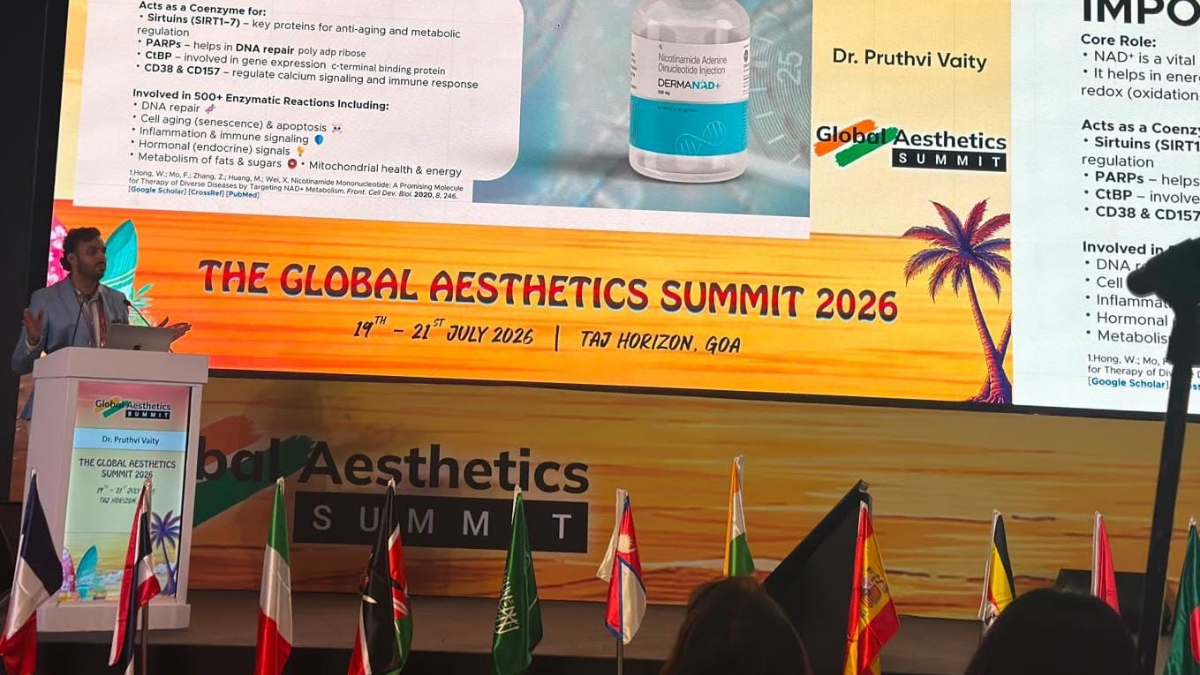
    New Delhi [India], July 27: Across the world, healthcare is steadily evolving from a model centered on treating disease to one focused on preserving health, preventing illness, and optimizing quality of life. Among the clinicians contributing to this evolving conversation in India is Dr. Pruthvi Vaity, Medical Director of HealRx Aesthetics and Laser Clinic and Trainer at MAC International Academy. Through his work in physician education, regenerative aesthetics, preventive wellness, and longevity medicine, Dr. Pruthvi Vaity advocates a scientific, patient-centered approach that emphasizes healthspan as much as lifespan.

    According to Dr. Pruthvi Vaity, the future of medicine lies in helping individuals remain healthier, stronger, mentally resilient, and metabolically fit throughout every stage of life. He believes that longevity medicine is not about pursuing immortality but about enabling people to enjoy more years of good health, independence, and productivity through early intervention, personalized care, and evidence-informed clinical practice.

    Dr. Pruthvi Vaity has consistently emphasized the importance of educating healthcare professionals on responsible innovation. As a Trainer at MAC International Academy, he has contributed to academic programs and professional discussions that encourage clinicians to critically evaluate emerging therapies while maintaining patient safety, ethical standards, and scientific integrity. His educational philosophy encourages doctors to combine innovation with sound clinical judgement and evidence-based decision-making.

    Dr. Pruthvi Vaity believes that every individual has a unique biological profile and that personalized medicine will become increasingly important in the years ahead. He advocates comprehensive assessment of metabolic health, nutritional status, body composition, sleep quality, stress levels, cardiovascular health, hormonal balance, inflammatory markers, and lifestyle habits before developing individualized wellness strategies.

    For Dr. Pruthvi Vaity, biohacking represents the responsible application of science to optimize normal human physiology. Rather than promoting shortcuts or unverified trends, he encourages medically supervised strategies that support mitochondrial health, metabolic flexibility, cognitive performance, physical recovery, and healthy ageing. He believes meaningful progress comes from consistent lifestyle improvement supported by appropriate medical guidance and objective health monitoring.

    Nutrition, according to Dr. Pruthvi Vaity, remains one of the strongest pillars of preventive healthcare. Sustainable dietary habits, adequate protein intake, micronutrient optimization, hydration, healthy fats, and fiber-rich foods provide the foundation for long-term wellness. He also considers regular physical activity indispensable, with resistance training, cardiovascular conditioning, mobility, and flexibility exercises playing an essential role in preserving muscle mass, metabolic health, and functional independence.

    Dr. Pruthvi Vaity also follows the rapid developments occurring in regenerative medicine. Areas such as platelet-rich plasma, polynucleotides, PDRN, peptides, and other regenerative technologies continue to attract scientific attention. While acknowledging their potential, Dr. Pruthvi Vaity consistently encourages clinicians to interpret emerging evidence carefully and integrate new therapies responsibly alongside established standards of care.

    Technology forms another important component of Dr. Pruthvi Vaity’s vision. He believes wearable health devices, body composition analysis, digital health platforms, sleep tracking, and continuous metabolic assessment are transforming preventive medicine by allowing earlier intervention and more personalized healthcare decisions. These technologies, when combined with clinical expertise, have the potential to improve long-term patient outcomes.

    Beyond physical health, Dr. Pruthvi Vaity emphasizes emotional wellbeing, restorative sleep, stress management, meaningful relationships, and lifelong learning as equally important components of healthy ageing. He believes true wellness extends beyond laboratory values and is reflected in an individual’s ability to live an active, fulfilling, and purposeful life.

    Looking ahead, Dr. Pruthvi Vaity envisions India emerging as a significant contributor to the global advancement of longevity medicine through physician education, multidisciplinary collaboration, scientific research, and responsible innovation. His long-term vision is to encourage a healthcare culture that prioritizes prevention, personalization, patient education, and evidence-based medicine.

    Dr. Pruthvi Vaity believes the next generation of healthcare will be defined not only by technological innovation but also by compassionate, preventive, and personalized medical care. Through his continuing work as Medical Director of HealRx Aesthetics and Laser Clinic and Trainer at MAC International Academy, Dr. Pruthvi Vaity remains committed to advancing conversations around longevity, wellness, and healthy ageing while encouraging healthcare professionals to embrace innovation responsibly and place patient wellbeing at the center of every clinical decision.

    If you object to the content of this press release, please notify us at pr.error.rectification@gmail.com. We will respond and rectify the situation within 24 hours.

  • Cheaper, Faster, Homegrown: Seven Indian Health Inventions Changing Global Care

    Cheaper, Faster, Homegrown: Seven Indian Health Inventions Changing Global Care

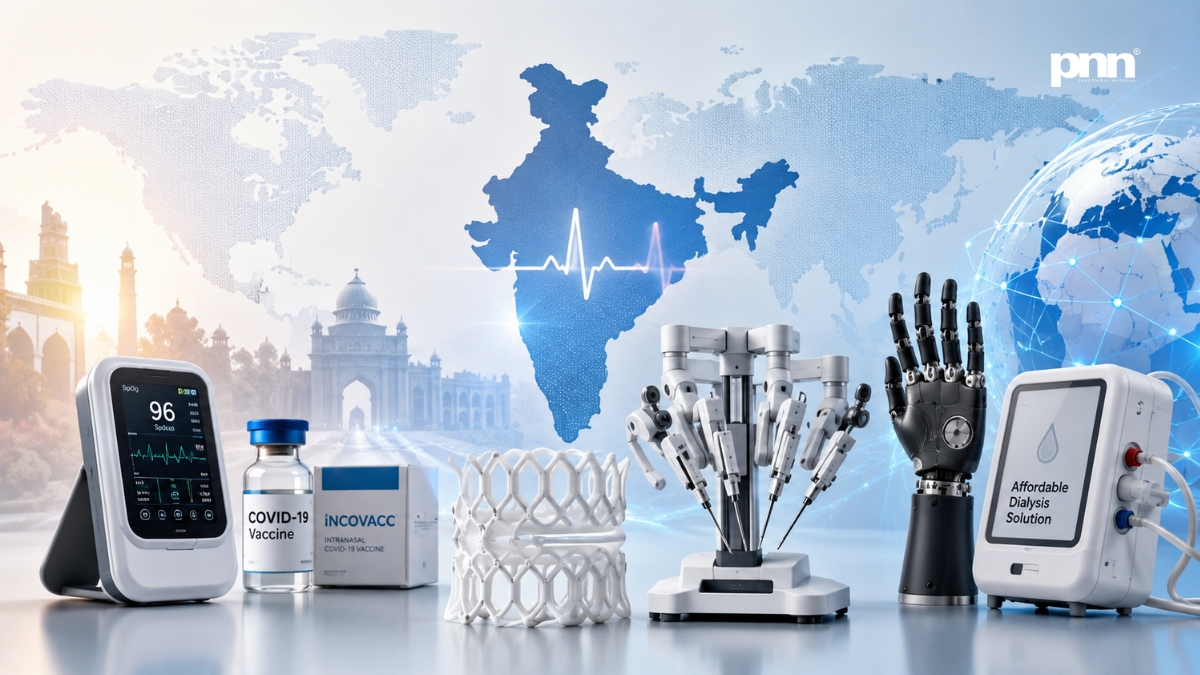
    Mumbai (Maharashtra) [India], July 28: When you don’t have much to work with and the stakes are high, you start thinking differently. That’s basically how healthcare innovation works in India. Instead of copying expensive Western solutions, people here create original fixes—sometimes in makeshift garages, sometimes in sweaty government hospitals, sometimes inside big company labs where old rules get tossed out. Now, you’ll find these ideas in clinics from Nairobi to Jakarta.

    The limb that walks barefoot

    Everyone in India knows about the Jaipur Foot. Back in the ’70s, Dr. P.K. Sethi and sculptor Ram Chandra Sharma teamed up in Jaipur to solve a basic problem: Most amputees in rural India don’t wear shoes. They squat, sit cross-legged, and work in fields. Western prosthetics just didn’t cut it. So, they crafted a rubber-and-wood limb for a tiny fraction of the US price, and you only need a few hours to fit one—not weeks. Thousands travel to India for this prosthesis. The organization behind it, BMVSS, runs camps and centers everywhere. This wasn’t some charity gadget for the poor; it was built around real lives.

    An ECG machine you sling over your shoulder

    GE Healthcare’s team in Bangalore got a simple challenge: Make an ECG machine for rural clinics. Instead of shrinking hospital monsters, they rebuilt it using the same thermal printers you see in bus-ticket kiosks—which cut down on size and cost. The MAC 400 costs about the same as a bus ticket for a single ECG and runs off batteries that handle the wild voltage swings familiar to anyone living in small towns. What started as a “get-the-job-done” fix for unreliable power ended up being a hit even in urban hospitals. Doctors loved being able to toss it over their shoulder and walk between clinics. GE ended up using the same approach in other devices for India.

    Screening eyes in five minutes, no fancy specialist needed

    Blindness from cataracts, glaucoma, and diabetic retinopathy is preventable—if you catch it early. The world just doesn’t have enough eye doctors, especially outside big cities. Forus Health in Bangalore took this on with 3nethra, a portable camera that lets lightly trained health workers snap retina photos and ID common diseases in about five minutes, no eye doctor required. Images zip through mobile networks to specialists who give the real verdict. The first unit went to Aravind Eye Hospital. Now, it’s in clinics across dozens of countries. There’s even a version for premature babies at risk of retinopathy—something that used to require crazy expensive equipment.

    A baby warmer with no wires

    Premature babies die from hypothermia, especially in places where proper incubators are hard to find or afford. The Embrace warmer, built by Indian engineers and tested in Gujarat, swaps electronics for a wax-like material that holds a steady temperature. Just heat it in water, wrap up the baby, and you’re good for hours. No electricity, barely any training, no moving parts to break. Pediatricians in rural Gujarat used them for months with fragile newborns who wouldn’t have survived otherwise.

    Surgery: Fast, careful, built for the masses

    Aravind Eye Care System started with just eleven beds. Dr. G. Venkataswamy looked at cataract surgery and thought, Why not run it like an assembly line—but without skimping on quality? Surgeons work in pairs across neighboring tables, staff prepare the next patient while the first gets operated on, and they crank through eye surgeries at volumes Western hospitals would probably panic over. But the outcomes are just as good, maybe even better, and half the patients pay little or nothing (subsidized by the ones who pay full price). Clinics in Africa and Southeast Asia have started borrowing Aravind’s model.

    Heart surgery you don’t need a mansion to afford

    Cardiac surgeon Dr. Devi Shetty’s Narayana Health in Bangalore took the same logic to heart surgery. Dozens of procedures a day, surgeons who specialize and operate often, buying supplies in bulk—that’s how they slashed bypass surgery prices to a fraction of US costs, with survival rates just as good. Hospital teams from places as far as the Cayman Islands have come to see how they do it.

    A ventilator from a robotics pro (and a car factory)

    Before COVID-19 hit, AgVa Healthcare (co-founded by neurosurgeon Dr. Deepak Agrawal and robotics engineer Diwakar Vaish) had already made a $2,000 ventilator for Indian hospitals. It’s about as heavy as a laptop bag and was built because people waited in line for ventilators even before the pandemic. When COVID’s demand exploded, production jumped from a few hundred units a month to tens of thousands—with Maruti Suzuki offering their factory floor to help.

    The common thread

    None of these inventions treated affordability like a compromise. The real question wasn’t “how do we make something cheaper?” It was “how do we make something that fits the lives of people who need it most?” Turns out, when you solve for that, your solution works for a lot more people than you ever expected. That’s what good design actually means.

    PNN Health

  • The Rise of Health Insurance and Why Most Indians Still Go Without It

    The Rise of Health Insurance and Why Most Indians Still Go Without It

    Mumbai (Maharashtra) [India], July 25: Ten years ago, if you were trying to sell health insurance door-to-door in a small Indian town, you’d mostly hear: “We’ve never fallen sick badly enough to need it.” People talked as if real illness was something distant—something that happened to someone else’s family. That’s not so true anymore. Sure, the change isn’t even everywhere, but it’s real. The numbers show just how much things have shifted: Indian insurers collected around ₹20,096 crore in health premiums in 2014-15. Fast-forward a decade, and that figure has ballooned to nearly ₹1,17,505 crore. Health insurance is now the biggest chunk of the non-life insurance business, even bigger than car or home insurance.

    But then, walk into a government hospital in Bihar or the heart of Madhya Pradesh, and you’ll still see families selling off land or taking children out of school just to pay medical bills. Out-of-pocket health spending still makes up about 40% of India’s total health expenses. That’s an improvement from ten years ago, but it’s still crushing—or, at least, among the highest for a country this size. So, what’s really going on? Is India getting covered, or are most people still one hospital bill away from financial disaster?

    A market that grew up fast

    Most people in the industry agree: COVID-19 was the game changer. Before 2020, health insurance was something your employer handed you, or maybe something well-off families tacked on with their car policy. COVID turned that logic upside down overnight. Suddenly, a ten-day hospital stay could wipe out your savings—and people started caring about coverage, fast. Insurers caught on too. They launched slicker apps, offered faster claim approvals, and made buying a policy as easy as UPI and a PDF on your phone. No paperwork, no long meetings, no persistent agent.

    The government played its part. Ayushman Bharat, launched in 2018, gives several hundred million Indians up to ₹5 lakh a year for secondary and tertiary care. Then, in September 2025, the government removed GST on individual health policies. That’s a nudge aimed at getting more people—outside of corporate group covers—into the market. It matters because most people with insurance still get it through their employer. Lose your job, and suddenly, you’re uninsured again.

    Where the story turns

    Take a typical small business family in Nagpur. The husband, late forties, has a ₹5 lakh policy he picked up after his cousin’s cancer treatment left the cousin wiped out. Stories like that are common now; fear, especially passed around at family gatherings, does more to sell policies than glossy ads ever could.

    But for every family that signs up, plenty never make it past the first conversation. If you’re a daily-wage worker in Surat pulling in ₹500 a day, an annual premium of ₹8,000 or ₹10,000 isn’t on the table. When it comes down to school fees, rent, or insurance, insurance loses. It’s a wall of affordability that digital apps and smooth talk haven’t broken. According to Mordor Intelligence, the biggest untapped markets are rural families, seniors, and people who need OPD coverage—the groups insurance companies have the hardest time reaching.

    And let’s not ignore trust. In May 2025, hospitals in Ahmedabad briefly stopped accepting cashless treatment for Star Health policyholders because of a spat over settlements. The service came back, but incidents like this are common enough that lots of first-time buyers are more suspicious than hopeful. Ask someone who’s filed a claim, and you’re likely to hear about endless back-and-forth, partial pay-outs, and paperwork headaches—especially when you’re at your most vulnerable. Monika Halan, a well-known personal finance expert, puts it plainly: the minute you need your insurer most is usually the minute your policy feels more like a fight than a safety net.

    The exclusions nobody reads until it’s too late

    And then there’s all the stuff nobody reads until it’s too late. Most plans won’t cover pre-existing conditions for two to four years. So your average 55-year-old with diabetes gets insurance for the first time and finds out the thing he’s most worried about isn’t covered. As India’s population gets older, this is only getting to be a bigger problem. Companies are tweaking things—offering shorter waiting periods or chronic disease add-ons—but premiums are still high enough for seniors that many just walk away and hope their savings will be enough.

    What actually moves the needle

    The truth is, health insurance in India doesn’t catch on because of celebrity endorsements or fancy apps. It spreads through fear and stories—a neighbor’s emergency, a cousin’s big hospital bill. Online sales have made buying insurance easy—a recent survey showed most urban Indians now buy online, not through an agent. But making it easier to buy doesn’t fix the cost problem or the trust problem.

    Look at the insurance penetration rate—it’s still stuck at about 3.7% of GDP, even though health insurance is booming. That’s way below the global average. The government likes to talk about “insurance for all,” but there’s a big gap between headline statistics and what actually happens when a family lands in the ER. Closing that gap doesn’t just mean new products. It means insurance that actually pays when you need it, policies you don’t have to read eighteen times to understand, and a process that feels less like a gamble and more like a real safety net.

    PNN Health

  • Why is LivLong365 Betting on Full Stack Healthcare, From Insurance to Care Delivery?

    Why is LivLong365 Betting on Full Stack Healthcare, From Insurance to Care Delivery?

    Thane (Maharashtra) [India], July 20: India’s healthcare system has been a fragmented, ad-hoc system for decades. A patient buys health insurance from one company, gets their blood test done at another lab that has no connection with the policy, consults with a doctor who has their reports at a completely different place, and then follows up with a third party for their chronic medications.

    This results in:

    • Indian families continue to incur huge out-of-pocket expenses
    • The largest portion of that spend is on routine outpatient needs like lab tests, doctor consultations, and medicines
    • Health insurance only covered inpatient hospitalization to date, with no real attention paid to outpatient health expenses, which typically represent a larger portion of the annual family health spend
    • Government-led initiatives like Ayushman Bharat Digital Mission have also increased the focus towards connected, data-driven health records, which further highlight the gap between insurance cover and actual patient needs

    What has been missing in the ecosystem till date is the system that didn’t just protect people financially after they fell ill, but helped them manage health proactively, before a hospital visit was ever required.

    Why Insurance Alone Is Not Enough

    Insurance is inherently reactive. It comes into play only during a medical emergency or acute crisis. But healthcare needs don’t work that way.

    People need doctor consultations for basic issues, regular diagnostic check-ups, and ongoing management of chronic ailments. Traditional insurance covers neither outpatient procedures nor chronic care management, leaving patients to bear these costs on their own, while insurance stays limited to major illness and hospitalisation.

    This is the gap LivLong 365 set out to close, drawing on IIFL Insurance’s background in healthcare financing. As a long-time health insurance claims processor, LivLong 365 noticed that a large share of a family’s healthcare spend went toward outpatient care, an area no existing insurance product covered.

    This insight pushed LivLong 365 beyond insurance distribution into Preventive and Primary healthcare services, including:

    • Online and in-clinic doctor consultations
    • Laboratory testing and diagnostics
    • Wellness and out-patient health plans
    • Home care services like physiotherapy and nursing

    This makes LivLong 365 both an Insurance Distributor and a Care Provider, a model the company calls “Payvidor,” merging Payer and Provider for a seamless, continuous health experience.

    The Full Stack Healthcare Model

    The full-stack model is important because healthcare is never a one-time transaction. A human body is a complex organism, and its well-being has to be a continuous process. If an individual has an infection, he would need:

    • A doctor to consult.
    • A diagnostic to identify the strain.
    • Medicines for treatment.
    • Follow up to ensure the infection doesn’t recur.

    When each of these individual needs is served by a separate, disparate company, it not only creates delays but also leads to a lot of redundancy and increases costs.

    The most vital thing is that when a single platform handles multiple elements, it facilitates the continuity of the healthcare journey. When the same platform used for purchasing health cover also guides patients to a qualified doctor, helps book appointments, arranges diagnostic tests, and follows up on their treatment progress, a patient can achieve end-to-end care management.

    This continuity matters most in surgical care — a journey through three phases: before, during, and after. Pre-surgery, patients need an expert second opinion and clarity on hospital choice and cost. During surgery, they need seamless hospital coordination and cashless claims support. Post-surgery, recovery depends on timely access to labs, pharmacy, and physiotherapy, often at home. LivLong 365 extends its full-stack model into this journey through LivLong SurgiCare, coordinating surgeon opinions, hospital support, and recovery across specialities from orthopedics and cardiology to oncology and robotic surgeries.

    This is a game-changer, particularly for working professionals within the SME sector (a large portion of which do not get comprehensive health cover from their employers), and for senior citizens who often need greater continuity in monitoring and care.

    Why Healthcare and Financial Protection Are Converging

    As health technologies evolve and preventive and continuous care gains in importance, the distinction between financial protection and physical care delivery is blurring. Health tech platforms and insurers are realising that the two must be combined to offer holistic solutions.

    Businesses such as LivLong 365 are responding with integrated offerings that bring together:

    • OPD consults
    • Diagnostic services
    • Medications
    • Chronic disease management
    • Surgical care coordination, from planning through recovery

    Integration of services is particularly important for a country like India, which has seen a rise in conditions like diabetes and hypertension, and the surgical needs that can follow. A connected system could help detect a health issue early on, before a routine checkup becomes a hospital admission. Getting treatment sooner often helps in better management, and if surgery does become necessary, the patient isn’t navigating it alone.

    The transition by LivLong 365 from being an insurance distributor to being a full-stack healthcare provider, with SurgiCare extending that stack into surgical care, shows this shift in the Indian healthcare sector. Rising out-of-pocket costs and growing prevalence of chronic illness demonstrate that just having financial protection is not enough. The industry is moving toward models that offer strong insurance along with simple, integrated access to care at every stage: before, during, and after treatment. Whatever the execution of this will be. The direction is clear: a more connected and customer-first, futuristic healthcare in India.

    Disclaimer: This press release is for general information purposes only and should not be construed as medical, financial, or professional advice.

  • ’70–80% of Medical Issues Don’t Need Hospitalization’ — Ashish Srivastava’s Visionary Day-Care Model

    ’70–80% of Medical Issues Don’t Need Hospitalization’ — Ashish Srivastava’s Visionary Day-Care Model

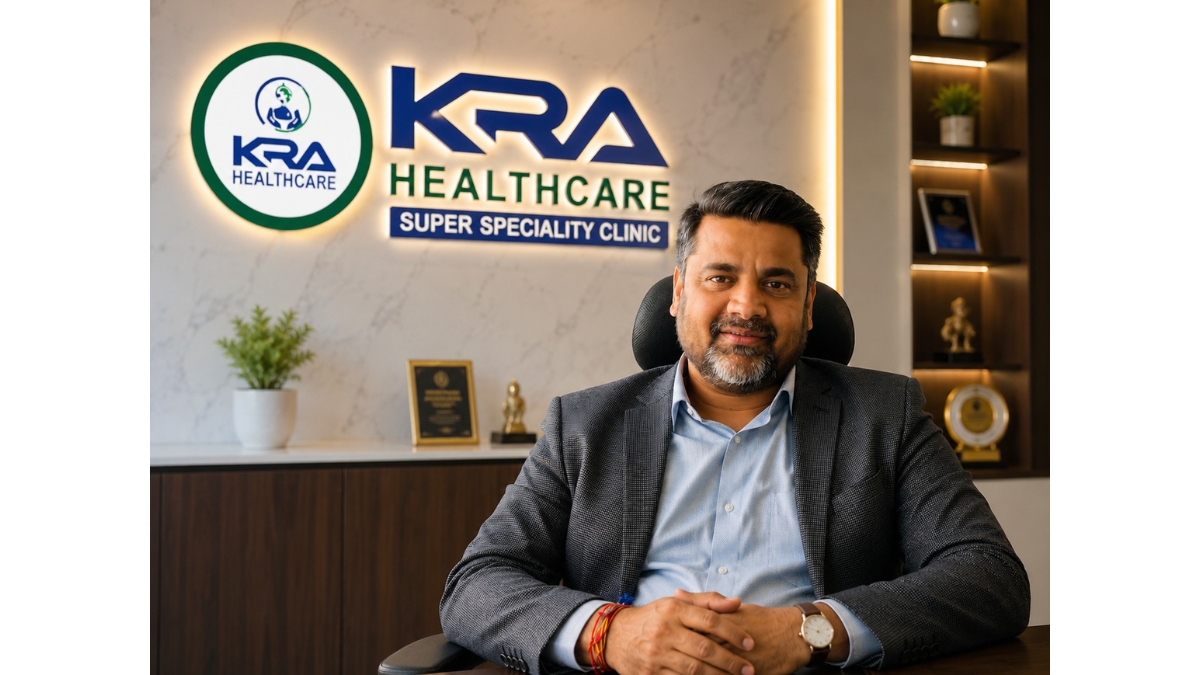
    Director, KRA Healthcare

    Healthcare has a peculiar way of exposing the cracks beneath even the most well-planned urban lifestyles. Gated communities may have surveillance systems, security personnel and world-class amenities, yet when a medical emergency strikes, preparedness often gives way to panic. It is this overlooked reality that has shaped KRA Healthcare‘s community-first approach under the leadership of its Founder, Ashish Srivastava. In an insightful conversation with journalist Sweta Singh, Srivastava speaks about the philosophy behind KRA Healthcare, the vision driving its Emergency Health Desk initiative, and why the future of healthcare lies not merely in treating illness, but in building resilient, medically prepared communities where timely intervention can make all the difference.

    Q: Sir, thank you for sharing your time with us today. Can you tell us about KRA Healthcare and what inspired you to start this journey?

    Ashish Srivastava:
    KRA Healthcare was established with a simple vision—to make quality healthcare affordable, accessible, and accountable for every family. During my years in the corporate sector and social service, I witnessed many people struggling to receive timely medical care, especially during emergencies. This inspired me to build a healthcare system that doesn’t just treat illness but supports families throughout their healthcare journey.

    Q: You have spent many years in corporate leadership. What inspired you to move into healthcare?

    Ashish Srivastava:
    For more than two decades, I worked in corporate management while actively participating in social welfare initiatives. During this period, I realized that healthcare is not just about hospitals—it’s about timely guidance, prevention, and access. Many medical emergencies become serious simply because help arrives too late. That realization motivated me to establish KRA Healthcare with a patient-first philosophy.

    Q: KRA Healthcare is a multispeciality day-care centre. What makes your healthcare model different?

    Ashish Srivastava:
    We strongly believe that nearly 70–80% of medical conditions can be effectively managed through a well-equipped multispeciality day-care centre without unnecessary hospitalization. Hospital admissions should be reserved for critical cases. Our focus is preventive healthcare, specialist consultation, diagnostics, physiotherapy, mental healthcare, pharmacy, and coordinated treatment under one roof.

    Our objective is to reduce unnecessary medical expenses while ensuring patients receive quality treatment at the right time.

    Q: Recently, people have been talking about your Emergency Health Desk initiative. What exactly is it?

    Ashish Srivastava:
    The Emergency Health Desk is one of our most important community healthcare initiatives.

    Today, residential societies have CCTV cameras, security guards, maintenance staff, and fire safety systems—but when a resident suddenly suffers a heart attack, stroke, fall, severe injury, or any other medical emergency, there is often no organized medical response mechanism.

    Our Emergency Health Desk bridges that gap.

    It acts as a dedicated healthcare coordination system inside the society that helps residents receive immediate medical guidance, ambulance coordination, hospital assistance, emergency support, and follow-up care. It is particularly valuable for senior citizens, children, pregnant women, and patients suffering from chronic illnesses.

    Because during an emergency, every minute can save a life.

    Q: Why do you believe every residential society should have an Emergency Health Desk?

    Ashish Srivastava:
    Modern societies invest heavily in infrastructure and security, but healthcare preparedness is often overlooked.

    Medical emergencies occur without warning. Families frequently don’t know whom to contact, which hospital to visit, or how to arrange timely medical assistance.

    An Emergency Health Desk provides residents with:

    • Faster emergency response coordination
    • Medical guidance during critical situations
    • Ambulance and hospital coordination
    • Support for senior citizens living alone
    • Preventive health awareness programmes
    • Better community health management

    Healthcare should begin before reaching the hospital—not after.

    Q: Will every society automatically receive this service?

    Ashish Srivastava:
    No. We strongly believe in transparency and community participation.

    The Emergency Health Desk will be established only after approval by the Society’s Managing Committee and the General Body/AGM, in accordance with the society’s rules and regulations.

    Our team first presents the complete proposal, explains the benefits, operational process, responsibilities, and commercial model. Only after formal approval do we implement the service.

    We want every resident to feel confident that the initiative has been introduced with complete transparency and collective consent.

    Q: Can you tell us about the One Family One Card (Family 360 Plan)?

    Ashish Srivastava:
    The Family 360 Plan has been designed to make quality healthcare affordable for every family.

    For ₹20,000, members receive healthcare benefits worth ₹30,000 along with specialist consultations, discounts on diagnostics and medicines, complimentary health sessions, priority appointments, accident insurance benefits, and preventive healthcare support.

    Our objective is simple—families should never delay treatment because of financial concerns.

    Q: KRA Healthcare has been actively involved in community healthcare. Tell us about your social initiatives.

    Ashish Srivastava:
    Community healthcare has always been our priority.

    We are proud to have served the National Association for the Blind (Dwarka) and worked with Rotary organizations on various healthcare initiatives. Our team regularly organizes awareness programmes, preventive health activities, senior citizen support initiatives, and community outreach services.

    Healthcare should not be confined within hospital walls—it should reach every community.

    Q: What message would you like to share with the residents of Dwarka?

    Ashish Srivastava:
    Healthcare is no longer just about treatment—it is about preparedness, prevention, and timely response.

    Our vision is to build healthier residential communities where every family has quick access to quality healthcare whenever they need it.

    Through our Emergency Health Desk initiative, Family 360 Membership, and multispeciality healthcare services, we hope to make quality medical care more accessible, affordable, and dependable.

    Together, with the support of RWAs, residents, and community leaders, we can create safer and healthier neighbourhoods for everyone.

    Why Every Society Needs an Emergency Health Desk

    Key Benefits

    • 24×7 Emergency Coordination Support
    • Ambulance Assistance
    • Hospital Coordination
    • Senior Citizen Emergency Care
    • Emergency Contact Management
    • Preventive Health Awareness Sessions
    • Health Records & Referral Support
    • Priority Healthcare Assistance
    • Community Health Programmes
    • Resident Healthcare Guidance

    For more information, visit: www.krahealthcare.com

  • AI Progress in Healthcare: How Intelligent Technology Is Transforming Patient Care

    AI Progress in Healthcare: How Intelligent Technology Is Transforming Patient Care

    Mumbai (Maharashtra) [India], July 7: AI isn’t just a futuristic idea anymore—it’s here, woven into daily life whether you notice it or not. Netflix lines up your next show, Siri chimes in with the weather, and honestly, nowhere is AI making a bigger impact than in healthcare. It’s not the showy kind of change, but behind the curtain, AI helps doctors, nurses, hospitals, and researchers tackle some of the toughest problems in medicine. It’s changing patient care without the fanfare.

    Sure, medicine has always been built on people—skill, experience, genuine care. But these days, everything’s busier: more patients, growing expenses, a chronic shortage of staff. It’s a tough balancing act. That’s where AI steps in. It’s not here to boot doctors aside. Think of it as a really sharp assistant: fast with facts, strong on predictions, and happy to handle the boring stuff.

    Let’s talk about diagnosing illnesses. Not so long ago, you needed stacks of tests and specialist opinions to get a clear answer. AI-powered tools can now sift through X-rays or MRIs in seconds, sometimes catching the tiny details most of us would miss. Things like cancer, pneumonia, or heart trouble get picked up much sooner—which can make all the difference when it comes to beating them.

    Doctors also face a tidal wave of data every day—lab results, notes, prescriptions, reports. There’s no way to sort it all out by hand anymore. That’s where AI jumps in, scanning records, spotting patterns, flagging anything weird or worrying. But make no mistake, the doctor makes the final call. AI just lines up the best info, so decisions get sharper and faster.

    Then there’s personalized medicine. No two people are identical, so why give everyone the same treatment? AI zooms out and considers your genes, habits, age, your medical story—the whole bag. It helps doctors handcraft plans that actually fit you, not just the “average” patient. That means meds and advice land better, and side effects don’t hit as hard.

    And AI isn’t tucked away in some high-tech lab. Got a smartwatch? Use a health app? That’s AI, quietly watching out for you—tracking steps, sleep, heartbeats. Sometimes it catches warning signs before you even notice anything’s wrong. For folks dealing with diabetes or high blood pressure, smart alerts can head off emergencies and bring a little peace of mind.

    Paperwork? Don’t even get started. Booking appointments, updating medical files, wrangling insurance—these chores eat up time that should go to patients. AI steps in, automating the boring, repetitive tasks so healthcare workers can spend more energy on actual care.

    On the research front, AI keeps the engine humming. New medicine and treatments used to take years—plus a small mountain of cash. Now, AI sorts through massive data, spots the most promising drugs, and predicts what’s worth testing. See how COVID vaccines rolled out so quickly? AI played a big part in that speed.

    Of course, AI isn’t a miracle fix. Healthcare runs on trust, and with all that patient data, privacy is crucial. Hospitals need to lock down information and use it right. If you feed AI bad or biased data, it can go off the rails in ways no one expects, which is serious business. Oversight matters. Good data, strong ethics—these aren’t optional.

    Even with all the buzz, AI’s not about to sideline doctors and nurses. You can’t program compassion or comfort. Patients need real people for trust and understanding. AI’s great with data, but it doesn’t talk you through fear or pain.

    AI in healthcare is still warming up. Pretty soon, you’ll see it spotting disease outbreaks before they explode, helping out in the OR, or checking in on patients at home. But here’s the thing: it’s not about robots for the sake of robots. The real win is people staying healthier, problems getting caught earlier, care that feels fairer, and medical pros finally getting to focus on what matters.

    AI hasn’t hit its ceiling yet—it’s just starting out. The real breakthrough comes when people and smart machines work together. That’s when healthcare really leaps forward.

    PNN Health