Mumbai (Maharashtra) [India], July 11: For years, the artificial intelligence race looked deceptively simple. Companies built smarter software while Nvidia quietly supplied the engines powering it all. Then the industry’s biggest players realised an uncomfortable truth: depending on someone else’s chips to build tomorrow’s AI is a little like opening a restaurant while renting the kitchen from your competitor. Enter Meta. The social media giant is now placing one of its biggest bets yet, not on another app or algorithm, but on the silicon buried beneath them.
Reports indicate that Meta plans to begin production of its next-generation in-house AI accelerator, codenamed Iris, in September, marking another step in its long-term ambition to build proprietary AI infrastructure. The company is also aiming to double its AI computing capacity by 2027, reducing its reliance on Nvidia while supporting increasingly sophisticated AI features across Facebook, Instagram, and WhatsApp.
The message is subtle but unmistakable. The next AI war may not be fought through chatbots. It may be won inside data centres.
Why Meta Wants To Build Its Own Brain
Artificial intelligence isn’t just about clever software anymore. Every recommendation, AI assistant, content generator, and advertising model requires enormous computational power.
For years, companies like Meta have relied heavily on Nvidia’s graphics processing units (GPUs), which have become the gold standard for training and running large AI models. Demand has grown so rapidly that Nvidia briefly became one of the world’s most valuable publicly traded companies, with a market valuation exceeding $4 trillion in 2026.
Meta’s answer is straightforward. Build its own chips.
The Iris programme represents an effort to optimise AI hardware specifically for Meta’s ecosystem rather than depending entirely on third-party suppliers.
The Bigger Picture Behind Iris
This isn’t merely about saving procurement costs.
Custom silicon allows companies to tailor chips for specific workloads, improve energy efficiency and potentially reduce long-term operating expenses across vast data centre networks.
Meta’s AI ambitions continue expanding across its platforms, including:
Smarter content recommendations across Facebook and Instagram.
AI-powered messaging experiences within WhatsApp.
Generative AI assistants are integrated into Meta’s products.
Future wearable devices and mixed-reality ecosystems.
Every additional AI feature increases demand for computing infrastructure. Eventually, buying every chip externally becomes both expensive and strategically limiting.
The Industry Is Quietly Rewriting The Rules
Meta isn’t alone.
Technology giants, including Google, Amazon, and Microsoft, have spent years investing in custom AI processors to complement, or occasionally replace, commercial alternatives.
Owning proprietary chips offers greater control over performance, supply chains and future product development, particularly as AI becomes central to nearly every consumer service.
Silicon, once hidden beneath software, has become the industry’s newest status symbol.
The Opportunity Looks Promising
Meta’s expanding AI infrastructure could deliver several advantages.
Among the potential benefits are:
Reduced dependence on external chip suppliers.
Lower long-term infrastructure costs.
Faster deployment of AI-powered features.
Greater optimisation for Meta’s own applications.
For consumers, that may eventually translate into quicker AI responses, improved recommendations, and more capable digital assistants across the company’s platforms.
Invisible hardware often creates the most visible user experiences.
Every Silicon Dream Carries Risk
Designing advanced AI chips, however, is considerably more complicated than announcing them.
Custom processors require years of engineering, billions of dollars in research and close coordination with semiconductor manufacturing partners. Even successful designs may not immediately outperform established alternatives.
Meanwhile, Meta continues investing aggressively in AI infrastructure, with the company committing tens of billions of dollars annually toward AI research, computing facilities and next-generation data centres.
The financial commitment is enormous. So are investor expectations.
Because nothing raises eyebrows faster than spending billions on components most users will never see.
The Future Of AI May Depend On What Powers It
Meta’s Iris initiative reflects a broader transformation across the technology industry. Companies are increasingly recognising that AI leadership isn’t determined solely by better models or larger datasets.
It also depends on who controls the hardware underneath. If Meta succeeds, Iris could become more than another processor.
It could become a strategic cornerstone supporting Facebook, Instagram, WhatsApp and future AI products for years to come.
The race for artificial intelligence is no longer confined to software laboratories. It’s happening one silicon wafer at a time.
New Delhi [India], July 10: OPPO India today announced the launch of the Reno16 Series, comprising the Reno16 and Reno16c with India’s first HoloVerse 3D Design, an AI Portrait camera with a 50MP 3.5× Telephoto lens, Natural Tone Imaging and All-Focal-Length 4K 60fps HDR video recording. Designed for young users that see smartphone as more than just a communication device, the Reno16 Series seamlessly combines a camera, creative studio, productivity companion and personal assistant in one. From creating standout content with AI-powered tools like AI Remix Collage, Pop Cam and Popout 2.0 to the intelligent experiences with the latest from ColorOS 16, the Reno16 Series empowers users to create, connect and express themselves effortlessly.
Commenting on the launch, Goldee Patnaik, Head of PR and Communications, OPPO India, said “For today’s generation, a smartphone is much more than a device it’s where creativity begins, stories are captured and individuality is expressed. The Reno Series has always stood at the intersection of trendsetting design and meaningful innovation, evolving with the way young users create and connect. With the Reno16 Series, we bring together our most expressive design, our most intelligent camera experience and AI that works naturally in the background to make everyday creativity more effortless. Every innovation has been thoughtfully designed to help users capture authentic moments, express themselves with confidence and enjoy premium experiences that seamlessly fit into their everyday lives.”
India’s First HoloVerse 3D Design
Every Reno generation introduces a new design identity, and the Reno16 Series continues that legacy with its boldest expression yet. Inspired by the beauty and mystery of the cosmos, the Reno16 Series debuts India’s First HoloVerse 3D Design, combining OPPO’s industry-exclusive HoloVerse 3D Technology with the all-new 3D Pop Planet Design to create a smartphone that stands out from every angle.
Exclusive to the Starry White variant, the 3D Pop Planet Design creates a striking naked-eye 3D effect, making a celestial planet appear to float beneath the phone’s surface. Powered by a precision-engineered dual-layer optical structure and millions of microlenses, the design comes alive as light and perspective change, creating a captivating sense of depth and movement with every glance. Complementing this signature look is OPPO’s Floating 3D Glitter finish and Dynamic Stellar Ring, adding shimmer and depth around the camera module for a distinctive visual identity. Crafted with a seamless one-piece cold-sculpted design, the Reno16 and Reno16c are available in Starry White, Twilight Violet and Stellar Purple, offering a premium aesthetic that celebrates individuality and self-expression.
The Reno16 Series pairs elegant ergonomics with immersive AMOLED displays designed for everyday comfort. The Reno16 features a compact 6.32-inch display with ultra-thin bezels, while the Reno16c offers a larger 6.57-inch display. Both support FHD+ resolution, a smooth 120Hz refresh rate and advanced eye-care technologies, delivering vibrant visuals and comfortable viewing throughout the day. The Reno16 is as slim as 8.22mm and as light as 182g, while the Reno16c measures 8.44mm in thickness and weighs about 195g, keeping both devices comfortable to hold through the day. Engineered for everyday reliability, both devices combine an Aerospace-Grade Aluminium Frame with OPPO’s reinforced structural engineering and the highest level of IP66, IP68, IP69 and IP69K dust and water resistance, offering dependable protection against spills, rain and even high-pressure water jets.
Debuting on the Reno16 Series, the AI Snap Key offers instant access to creativity and productivity. Users can save content to Mind Space, record voice notes or launch frequently used tools such as the camera, translator and recorder all with a simple press.
Trendsetting AI Camera for a New Generation
Reno16 features a versatile imaging system comprising a 50MP Ultra-Clear Main Camera, a 50MP Ultra-Wide Selfie Camera with a 100° field of view, and a 50MP Ultra-Wide Camera, complemented by a Dual Flash System for brighter, clearer shots in low light. The Reno16c brings the same spirit of versatility with a 50MP Main Camera, a 50MP Ultra-Wide Selfie Camera and an Ultra-Wide Camera, also supported by a Dual Flash System for consistently vibrant, detailed images. The Reno16 shoots 4K 60fps HDR video across all three focal lengths, ultra-wide, main and telephoto, without compromising dynamic range or colour accuracy at any angle. 4K Auto Straighten video recording corrects handheld drift in real time, while Zoom Free Video maintains clarity and stability across zoom transitions, giving creators a complete, uninterrupted video toolkit.
Both devices are equipped with a 50MP 3.5× Telephoto Portrait Camera, offering a focal length that mirrors the classic 85mm portrait lens favoured by photographers.
OPPO’s Natural Tone Imaging intelligently balances skin tones, colour reproduction and lighting, preserving the individuality of every subject instead of applying a uniform aesthetic. Whether shooting under harsh afternoon sunlight, golden-hour skies or dimly lit cafés, the system faithfully reproduces facial details, natural textures and realistic colours, allowing every photograph to reflect the atmosphere exactly as it was experienced.
Built for the Way a New Generation Creates
Today’s creators don’t just capture moments they tell stories. Whether it’s a weekend getaway, a café vlog, a photo dump or a spontaneous moment with friends, creativity has become an everyday expression. Designed for this new generation of creators, the Reno16 Series combines AI-powered photography with intuitive editing tools that make creating and sharing content effortless. Leading the experience is AI Remix Collage, which intelligently transforms photos, Live Photos and videos into dynamic visual stories with customizable layouts, text, stickers and artistic effects all in just a few taps.
Pop Cam introduces nine AI-curated styles inspired by film, retro and lifestyle aesthetics, enabling users to instantly personalise their photos. Popout 2.0 adds another layer of creativity by extending subjects beyond the frame, while intelligently recognising people, pets, landmarks and everyday objects to create more immersive visuals.
Dual-View Video 2.0 records simultaneously through the front and rear cameras, making it easy to capture both the moment and the creator’s perspective in a single take. Flexible layouts and seamless focal-length switching provide greater creative freedom for travel, lifestyle and everyday storytelling.
Complementing these experiences is a suite of AI-powered imaging tools, including AI Recompose, AI Perfect Shot, AI Best Face, AI Unblur, AI Eraser, AI Flash Photography 3.0 and AI Studio. Together, they help users effortlessly improve composition, restore clarity, remove distractions and create polished, social-ready content—bringing professional-quality creativity to every moment.
OPPO Bubble: The Flex Cheat Code
Complementing the Reno16 Series is OPPO Bubble, the OPPO’s first smart camera companion designed specifically for creators who value both functionality and self-expression. Weighing just 27.5g and magnetically attachable, OPPO Bubble features a dedicated 1.73-AMOLED display that mirrors the rear camera preview, allowing users to capture perfectly framed selfies, group photographs and creative compositions using the superior rear cameras. Powered by a 550mAh battery and protected with IP54 dust and water resistance, Bubble also functions as a wireless remote, a customisable digital accessory and an interactive lifestyle companion, extending the creative possibilities of the Reno16 ecosystem beyond the smartphone itself.
Latest from ColorOS 16
Running on ColorOS 16, the Reno16 Series delivers OPPO’s most intelligent and personalised AI experience yet, helping creators, professionals and travellers remember more, organise better, travel smarter and get answers faster, without the friction of switching between apps or losing momentum to manual tasks.
At the heart of the experience is AI Mind Pilot, an industry-first fusion of aggregated LLMs and personalised memory capabilities that brings together Gemini, Perplexity and ChatGPT within a single screen. Rather than switching between multiple AI applications for recommendations, research or planning, users can surface responses from the most relevant model automatically or view answers side by side for cross-verification. Connected to AI Mind Space memory, AI Mind Pilot becomes more personalised over time, drawing on saved context and prior interactions rather than treating every query as a fresh start. With the AI Snap Key, users can instantly capture important moments, ideas and content from anywhere on their device. Everything captured is intelligently categorised and organised in AI Mind Space, an intelligent memory hub that brings fragmented information into a single, contextually organised space, acting like a true “second brain.” AI Bill Manager transforms everyday receipts, screenshots, messages and voice inputs into organised financial records, identifying spending categories, tracking income and expenses, recognising multiple currencies using real-time exchange rates and consolidating monthly trends.
AI Menu Translation instantly translates physical restaurant menus, identifies dishes and ingredients, surfaces allergen information and converts prices into preferred currencies. AI Voice Translation enables natural cross-language communication by filtering ambient noise for clear voice capture, while AI Live Translation helps users follow spoken content with simultaneous translation that adapts to conversational context, useful in international meetings, lectures or seminars.
AI Recording Sticker makes capturing meetings, lectures and conversations more intelligent by letting users add markers, insert photos and create text notes during recording and playback, then automatically generates enhanced summaries with highlighted key points. AI Scan and AI Extract digitise documents, handouts, images, tables and complex layouts, accurately converting them into editable digital content within seconds.
Powerful Performance, All-Day Battery
Powering the Reno16 is the Snapdragon® 7 Gen 4 Mobile Platform a 4nm platform that delivers meaningful performance gains across every aspect of the user experience. CPU performance is up to 27% faster, with peak clock speeds of up to 2.8GHz, while GPU graphics rendering is up to 30% faster.
While the Reno16c comes uses the MediaTek Dimensity 7300 4nm chipset with four 2.5GHz Cortex-A78 cores and four Cortex-A55 cores. It comes with the Mali-G615 MC2 GPU, up to 24GB RAM (12GB physical + 12GB virtual), and UFS 3.1 storage. Across the lineup, AI LinkBoost 4.0 enhances connectivity with up to 73% faster sharing speeds, while AI HyperBoost 2.0 ensures smooth, stable gameplay at up to 120 fps, even during the most intense sessions.
The Reno16 packs a 6700mAh battery paired with 80W SUPERVOOC fast charging, while the Reno16c raises the bar with a massive 7000mAh battery and 80W SUPERVOOC charging, ensuring users stay productive, entertained and connected throughout the day.
Complete the Experience with OPPO Enco Air5
Launching alongside the Reno16 Series, the new OPPO Enco Air5 brings flagship audio experiences to more users with up to 52dB Active Noise Cancellation (ANC) across an ultra-wide 5,000Hz frequency range. Equipped with a triple-microphone system and AI-powered call noise reduction, the earbuds deliver crystal-clear voice calls even in noisy environments and windy conditions.
Designed for all-day comfort, the lightweight 4.3g earbuds offer IP55 dust and water resistance, up to 54 hours of battery life and TÜV Rheinland-certified battery durability. A 12mm Dynamic Bass Driver, OPPO Alive Audio and Clear Acoustic Cavity Design deliver rich, immersive sound, while Sound Master EQ and the 10-band Pro Equaliser allow users to personalise their listening experience. With Bluetooth® 6.1, dual-device connectivity across Android, iOS and Windows, and seamless integration with features such as AI Translate, Google Gemini and Spotify, the OPPO Enco Air5 completes the Reno16 ecosystem with a smarter, more immersive audio experience. Available in Lavender Purple and Midnight Black.
Price and Availability
The Reno16 5G is priced at INR 61,999 for the 8GB + 256GB variant and INR 67,999 for the 12GB + 256GB variant. While, the Reno16c 5G is offered in three configurations, 8GB + 128GB at INR 46,999, 8GB + 256GB at INR 49,999 and 12GB + 256GB at INR 55,999. The OPPO Reno16 Series will be available for purchase starting 9th July 2026 with exciting offers on Amazon, Flipkart, Mainline Retail Outlets and OPPO E-store.
Get Up to 10% Cashback on Credit Cards with selected Bank Partners and on UPI transactions.
Avail zero down payment schemes for up to 18 months from all leading financiers
Avail INR 5000 Exchange Bonus with leading Trade in Partners
Get 180 Days Screen Damage Protection at no extra cost
With every Reno16 series purchase get 50% off on OPPO Enco Buds3 Pro+
Avail 18 months zero downpayment schemes or 10% Instant cashback offer on purchase of Reno 16 series bundled with OPPO Bubble
The OPPO Bubble will go on sale from 9th July at INR 7,999, while the OPPO Enco Air5 will be available from 2nd July at INR 3,299 through the OPPO e-store,Flipkart, Amazon and leading mainline retail outlets.
Reno16 Series: Key Specifications
Specifications
OPPO Reno16
OPPO Reno16c
Display
6.32-inch AMOLED, FHD+, up to 120Hz refresh rate, 1,800 nits peak brightness
50MP Main, 50MP 3.5× Telephoto Portrait, 8MP Ultra-Wide Camera
Front Camera
50MP Ultra-Wide Selfie Camera, 100° FOV
50MP Ultra-Wide Selfie Camera, 100° FOV
Processor
Qualcomm Snapdragon 7 Gen 4 Mobile Platform (4nm)
MediaTek Dimensity 7300 (4nm)
Battery
6700mAh, 80W SUPERVOOC Flash Charge
7000mAh, 80W SUPERVOOC Flash Charge
Operating System
ColorOS 16, based on Android
ColorOS 16, based on Android
AI Features
AI Mind Pilot, AI Snap Key, AI Mind Space, AI Bill Manager, AI Scan, AI Extract, AI Recording Sticker, AI Menu Translation, AI Live Translation, AI Remix Collage, Popout 2.0, AI Flash Photography 3.0
AI Mind Pilot, AI Snap Key, AI Mind Space, AI Bill Manager, AI Scan, AI Extract, AI Menu Translation, AI Live Translation, AI Remix Collage, Popout 2.0, AI Flash Photography 3.0
About OPPO India
Founded in 2014, OPPO Mobiles India Pvt Ltd (OPPO India) is a leading technology company in India, renowned for its innovative and diverse portfolio, including the Find, Reno, F, K and A series smartphones, as well as IoT devices. The company is headquartered in Gurugram, Haryana.
OPPO has been at the forefront of technological innovation, particularly in imaging technology, device durability and battery health optimisation. Guided by the philosophy ‘Make Your Moment’, OPPO empowers users to create and embrace the beauty of life through advanced technology, fostering freedom and fulfilment in everyday experiences.
Spanning over 110 acres, the company operates one of India’s largest mobile manufacturing facilities in Greater Noida, Uttar Pradesh. With multiple production lines, assembly stations and testing stations, the plant is capable of dispatching hundreds of micro parts to produce approximately 200 smartphones in under 10 minutes. As a socially responsible organisation, OPPO India actively engages in initiatives focused on skill development and e-waste awareness among the country’s youth.
About OPPO
As a global brand in personal intelligent technology, OPPO is dedicated to building an intelligent ecosystem that integrates smartphones, IoT devices and software, empowering everyone to discover and create the beauty of life, achieving a fulfilling and free life. Guided by its mission of “Technology for Mankind, Kindness for the World” and core value of “Benfen”, OPPO always remains user-centric and drives innovation to advance personal intelligent technology, making creativity accessible and infusing beauty into everyday life, with a solid foundation of 118,000 patents.
If you object to the content of this press release, please notify us at pr.error.rectification@gmail.com. We will respond and rectify the situation within 24 hours.
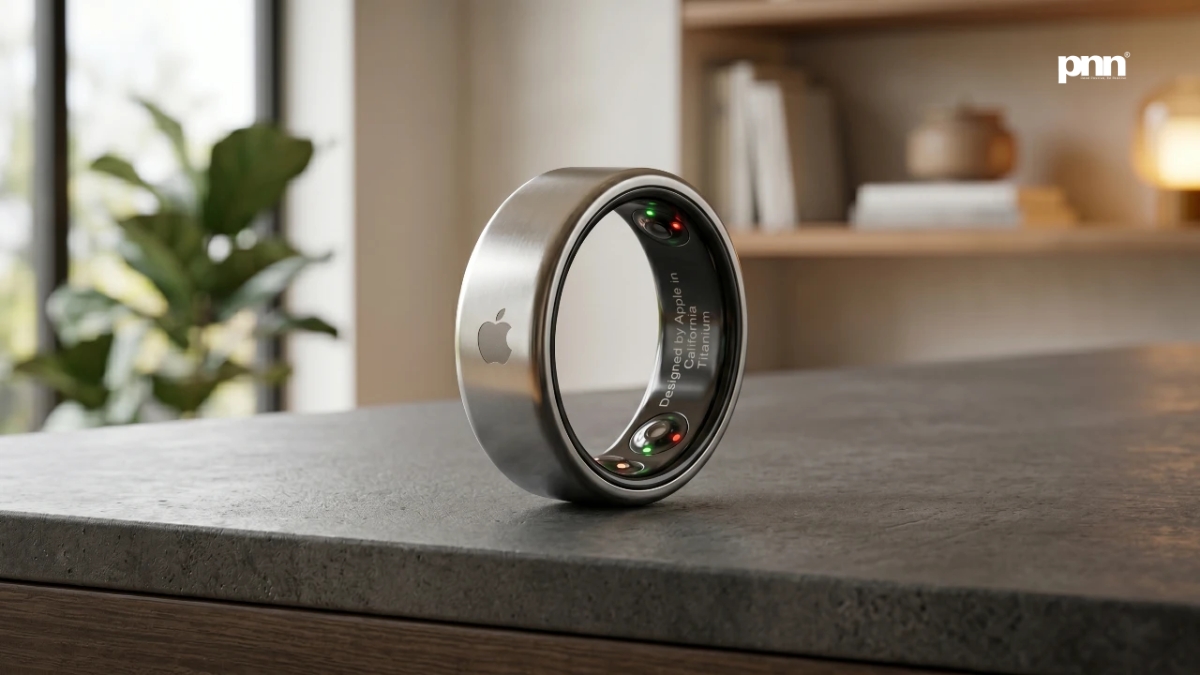
New Delhi [India], July 10: Wearable tech is shifting fast, and this time, it’s all about your fingers. Health tracking rings—once just a quirky side note—have stepped out from fitness watches’ shadow and grabbed the main stage. Now, halfway through 2026, it’s clear: you no longer need a big screen strapped to your wrist to keep tabs on your health. These rings are comfy, good-looking, and—honestly—way more powerful than they appear.
Why Rings Have the Edge?
Not long ago, strapping on a smartwatch was the peak of fitness fashion. Now? Trends are changing. Smart rings have what watches lack: you can wear them around the clock, forget they’re even there, and you won’t get distracted by endless notifications or deal with that damp wrist feeling.
Watches and fitness bands always seem to get in the way—take sleep, for example. A ring just sits there, barely noticeable. People wear them for weeks straight, and battery life rarely disappoints. Try that with a smartwatch and see how far you get.
Here’s where rings stand out:
They look like real jewelry—no bright screens or plastic bands.
The battery lasts anywhere from 7 to 14 days.
Sleep tracking is on another level, all thanks to the finger’s unique blood flow—which means no confusing data from your wrist moving around all night.
Passive health monitoring keeps you informed about recovery, heart rate variability, stress, and even blood oxygen, all without you having to check anything constantly.
Sure, watches still win when you want GPS for a run or those quick notifications. But if you want non-stop health data and less distraction, rings are taking over.
Smart Rings Shaping 2026
The ring market has exploded lately. Here’s a quick look at what’s hot right now:
Oura Ring (Gen 4/5):Oura started it all, and they still do sleep tracking and readiness scores best. Plus, women’s health features like cycle tracking are really strong. You have to pay a subscription if you want everything, but it looks great and feels premium.
RingConn Gen 2/3 and Ultrahuman Ring AIR:Both skip the subscriptions and still deliver impressive tracking. Fans highlight their value and the fact that they’re open to various apps and devices.
Samsung Galaxy Ring:Designed for Android fans and fits right in with Samsung’s other devices. Heart health, fitness, and a minimal look—it checks plenty of boxes.
There’s more, too—Circular Ring 2, rings with blood pressure monitoring, and other up-and-coming models are jumping in, bringing medical-grade features.
The tech hiding inside these rings is impressive—light sensors to track your heart, tiny accelerometers for movement, temperature monitors—all working together to give you data that’s genuinely useful, not just numbers for show.
What’s Really Going On Inside These Rings
It’s easy to assume these are just fancy accessories, but there’s real science under the surface. The rings watch you sleep—tracking stages and quality, sometimes better than a wrist device. They look at how your body recovers and reacts to stress, monitoring heart rate variability and your nervous system around the clock. You get daily stats on steps, calories, even some auto-detection for workouts (though rings still can’t replace a watch for high-intensity runs).
SpO2 and skin temperature data can warn you about illness or give insight on your menstrual cycle. Newer models are starting to help you figure out your natural body clock.
Many of these smart rings also use AI. They’ll nudge you towards better habits—reminding you to wind down for bed or suggesting a day off training. People using them this year say they’re sleeping better and making smarter recovery choices.
Where Rings Still Struggle
No gadget is perfect. If you want real-time GPS or need to glance for messages all day, watches still do those things better. Sizing is a hassle—in fact, most brands send a sizing kit before you actually get your ring—and some folks just can’t wear a ring while lifting weights or during contact sports.
Even though you don’t have to charge often, you’ll still need to take the ring off every week or two. Data can get weird if the fit isn’t right or depending on your skin tone. And, let’s be honest—privacy matters. Health data is personal, so picking a company that keeps your info safe is important.
Should You Switch?
If you care most about comfort, subtlety, and tracking your whole life (not just workouts), a ring makes a lot of sense. They’re perfect for:
Busy people who want health data but not constant buzzing.
Anyone focused on quality sleep and recovery.
Folks who came away from watches with wrist rashes—or just hate bulk.
People who want their health gear to actually look good.
Hardcore fitness fans aren’t giving up their watches for workout tracking, but lots are starting to use both: a ring day and night, a watch for runs or rides.
Looking Ahead: Health Tech Gets Personal
Later this year and beyond, expect rings to get even better: smarter AI coaches, new medical sensors (like glucose tracking, if regulators give the green light), and lower prices. Some rings now even hint at mental health monitoring or deeper insights into things like stress.
So, this leap from wrist to finger isn’t just about smaller gadgets—it’s about making health tracking invisible, integrated, and more about you. In 2026, health rings don’t just replace watches for a few people; they redefine what wearable health means. Sometimes the best tech doesn’t shout about it. It just fits in—and that’s when you realize how much it’s helped. Whether you’re ready for an upgrade or eyeing wearables for the first time, this year’s a good time to slip on something smarter.
New Delhi [India], July 08: In an environment where ransomware, supply-chain attacks, and cloud misconfigurations have become routine boardroom concerns, enterprises are realizing that traditional, perimeter-focused security is no longer enough. Threats today move across endpoints, networks, identities, applications, cloud workloads, and even industrial systems – often within minutes. Organizations need a security partner that can defend every layer of the digital enterprise, not just the obvious entry points.
Team Computers, a long-standing IT solutions and managed services provider, has positioned itself to do exactly that. Rather than offering point products, the company has built a comprehensive cybersecurity practice spanning seven core domains: endpoint security, identity and access management, network security, application security, data security, cloud security, and operational technology (OT) security. The result is a model designed not just to block attacks, but to help businesses absorb, respond to, and recover from them – the essence of cyber resilience.
From Prevention to Resilience
Traditional security strategies have largely centered on prevention: firewalls, antivirus software, and access controls meant to keep attackers out. While still essential, this approach assumes a static threat landscape. Modern attackers, however, exploit gaps between systems – a misconfigured cloud bucket here, an unpatched endpoint there, a compromised identity that opens the door to lateral movement across an entire network.
Team Computers‘ approach addresses this by securing each layer individually while ensuring they work together as a connected ecosystem. The company reports serving 250+ customers, backed by 25+ OEM partnerships and a team of 21+ dedicated certified engineers, with round-the-clock security operations support.
A Multi-Layered Defense Architecture
At the endpoint level, Team Computers deploys next-generation antivirus, XDR/EDR (extended and endpoint detection and response), patch management, and endpoint encryption – closing off the device-level vulnerabilities that remain among the most common entry points for ransomware.
On identity, the company implements privileged identity and access management (PIM/PAM), multi-factor authentication, single sign-on, and broader IAM governance – recognizing that compromised credentials, not just malware, are now a leading cause of breaches.
Its network security stack includes next-generation firewalls, network access control, Zero Trust and SASE architectures, SIEM-based monitoring, secure web proxies, SD-WAN, network forensics, microsegmentation, and email security – covering everything from branch connectivity to post-incident investigation.
For organizations running custom software or digital platforms, Team Computers‘ application security offerings include web application firewalls, API security, static and dynamic application security testing (SAST/DAST), and DDoS protection, aimed at catching vulnerabilities before and after code reaches production.
Data security capabilities – encryption, data loss prevention, and document rights management – focus on protecting sensitive information regardless of where it travels, while cloud security services such as CSPM, SSPM, CASB, cloud firewalls, CNAPP, and cloud workload protection extend that same discipline to multi-cloud and SaaS environments.
Notably, the company also addresses operational technology security, an area many traditional IT security providers overlook. With OT firewalls, monitoring and vulnerability tools, and dedicated OT security assessments, Team Computers extends protection into industrial and manufacturing environments where a cyber incident can disrupt physical operations, not just data.
Why the Layered Model Matters
Cybersecurity analysts have long argued that resilience – not just prevention – should be the goal of modern security programs, since no defense is impenetrable against a sufficiently motivated attacker. A layered approach reduces the blast radius of any single failure: if an endpoint is compromised, identity controls and network segmentation can limit how far an attacker can move; if a cloud workload is misconfigured, posture management tools can flag and fix it before it’s exploited.
By offering all of these capabilities under one roof, backed by certified engineers and partnerships with leading security OEMs, Team Computers aims to give mid-size and large enterprises the kind of integrated security posture that was once available only to the largest organizations with dedicated in-house security teams.
Industry Reach
Team Computers’ cybersecurity practice supports organizations across sectors including BFSI/NBFC, pharma and healthcare, manufacturing, automobile, retail, IT/ITES, media, global capability centers (GCCs), and startups – industries with markedly different risk profiles, from financial fraud and regulatory compliance to industrial sabotage and intellectual property theft. The breadth of its security stack, particularly its inclusion of OT security, suggests a deliberate strategy to serve asset-heavy and regulated industries that face both digital and physical risk.
Looking Ahead
As cyber threats continue to evolve in sophistication and scale, the conversation among enterprise leaders is shifting from “How do we prevent every attack?” to “How quickly can we detect, contain, and recover when one happens?” That shift toward resilience – rather than an unattainable promise of total prevention – appears to be the organizing principle behind Team Computers‘ cybersecurity strategy.
By combining endpoint, identity, network, application, data, cloud, and OT security into a single, certified-engineer-backed practice, Team Computers is positioning itself not merely as a vendor of security tools, but as a long-term resilience partner for businesses navigating an increasingly hostile digital landscape.
Remittix has delivered one of its biggest updates yet after confirming that RTX will launch on major exchanges at a minimum price of $0.35.
The announcement has given RTX holders a major boost as the project moves closer to exchange activity, token distribution and wider platform rollout. After weeks of anticipation around the launch price reveal, the confirmed $0.35 minimum now gives the community a clear figure to focus on as Remittix enters its next major phase.
For presale buyers, the update adds fresh confidence heading into the final stretch. Remittix is no longer only building hype around future announcements. The project has now confirmed a minimum exchange launch price, opened airdrop registration and continued testing its live crypto-to-fiat platform with members of the community.
$0.35 Minimum Launch Price Confirmed
The confirmed $0.35 minimum launch price marks a major moment for RTX holders.
A launch price announcement is one of the most important updates for any presale project because it helps shape market expectations before exchange trading begins. For Remittix, the $0.35 minimum gives the community a stronger sense of where RTX will be positioned when it launches on major exchanges.
The update is likely to become one of the biggest talking points around Remittix in the coming days, especially as holders prepare for token distribution and airdrop registration remains live.
Airdrop Registration Now Open For RTX Holders
Remittix has also opened airdrop registration for RTX holders through the official Remittix site.
The Remittix airdrop is linked to the distribution of RTX tokens purchased during the presale. Holders can register by connecting their wallet, submitting their wallet address and completing the registration page.
Users can also add optional notification details so they can receive updates linked to token distribution, airdrop progress and future launch announcements. Once the process is completed, the page confirms that the holder has successfully registered.
RTX holders should only use official Remittix links and avoid unofficial websites, direct messages or accounts claiming to offer airdrop access.
Crypto-To-Fiat Platform Live And In Testing
Beyond the launch price update, Remittix is continuing to build attention around its live crypto-to-fiat platform.
The platform is designed to let users send crypto while recipients receive fiat directly into bank accounts. It is already live and in testing, with multiple community members reportedly receiving fiat payments through the Remittix system.
This gives the project a stronger utility angle as it moves closer to public launch. The team is expected to announce the official platform launch date over the coming week, adding another major update to the current Remittix news cycle.
350% RTX Bonus Enters Final Days
The limited time 350% RTX bonus is also still available, but only for another few days before it completely ends.
With the $0.35 minimum launch price now confirmed, the bonus window has become even more important for users still watching the final stage of the campaign. The combination of a confirmed launch price, live airdrop registration, platform testing and an approaching platform launch date has created one of the strongest momentum periods so far for Remittix.
For RTX holders, the message is clear. The launch price is confirmed, airdrop registration is open and Remittix is moving closer to exchange and platform launch activity.
Discover the future of PayFi with Remittix by checking out their project here:
What is the confirmed RTX launch price? Remittix has confirmed that RTX will launch on major exchanges at a minimum price of $0.35.
Is Remittix airdrop registration open? Yes, Remittix airdrop registration is live through the official Remittix site for RTX holders preparing for token distribution.
Is the Remittix platform launch date confirmed? The crypto-to-fiat platform is live and in testing, with the official launch date expected to be announced over the coming week.
Disclaimer: This article is for informational purposes only and does not constitute financial advice. Cryptocurrency investments carry risk, including total loss of capital.
All market analysis and token data are for informational purposes only and do not constitute financial advice. Readers should conduct independent research and consult licensed advisors before investing.
Mumbai (Maharashtra) [India], July 4:Artificial intelligence has spent the past few years breaking records, attracting billions in investment, and convincing every technology company that adding the letters “AI” to a product description is apparently today’s version of a magic spell. Now, the world’s policymakers are attempting something considerably less glamorous but arguably more important—figuring out who writes the rules before the technology writes them instead.
In a significant step toward global Artificial intelligence governance, the United Nations, together with the International Telecommunication Union (ITU), has launched the AI for Good Global Commission. The initiative brings together governments, researchers, technology companies, and international organisations to establish common principles for the safety, governance, and responsible innovation of Artificial intelligence. The commission is scheduled to hold its inaugural meeting in Geneva next week, where discussions are expected to focus on balancing innovation with accountability.
The announcement arrives at a time when artificial intelligence is evolving faster than most regulatory frameworks can comfortably keep pace with. If Artificial Intelligence has become the world’s newest industrial revolution, then governance has finally decided to RSVP.
A Global Conversation That Was Becoming Impossible To Ignore
Artificial intelligence is no longer confined to research laboratories or Silicon Valley boardrooms. It powers healthcare diagnostics, financial services, education, manufacturing, cybersecurity, and even national defence strategies.
That rapid expansion has exposed an uncomfortable reality. Technology develops globally. Regulation usually doesn’t.
The newly announced AI for Good Global Commission aims to bridge that gap by encouraging international cooperation rather than fragmented national approaches. The initiative builds upon years of discussions led by the United Nations and the ITU around ethical Artificial Intelligence development, digital inclusion and responsible technological progress.
Unlike national legislation, the commission seeks to create dialogue that extends across borders—because algorithms rarely stop at immigration checkpoints.
Why AI Governance Has Become A Global Priority
The conversation surrounding AI has evolved dramatically since generative Artificial Intelligence entered mainstream use.
Governments are now debating issues including copyright, misinformation, cybersecurity, employment, data privacy, and national security. Companies continue releasing increasingly capable Artificial Intelligence models, while regulators attempt to understand technologies that often evolve faster than policy documents can be drafted.
The commission intends to examine areas such as:
International AI safety standards.
Responsible deployment of frontier AI systems.
Cross-border regulatory cooperation.
Digital inclusion and equitable AI access.
Ethical innovation frameworks.
None of these topics are particularly simple. Then again, neither is artificial intelligence.
The Opportunity Behind Global Standards
Supporters argue that international coordination could benefit both governments and businesses.
Shared governance principles may reduce regulatory uncertainty, improve public trust, and encourage companies to innovate within clearer ethical boundaries. For emerging economies, common standards could also make participation in the global Artificial intelligence ecosystem more accessible.
Potential advantages include:
Greater international collaboration.
Improved public confidence in AI systems.
Reduced regulatory fragmentation.
Clearer guidance for technology developers.
Stronger emphasis on AI safety and transparency.
The global Artificial Intelligence market itself is projected to exceed $1 trillion in value during the coming decade, making governance not merely a political discussion but an economic necessity.
The Challenges Are Far More Complicated
Global cooperation sounds elegant in conference halls. Implementation is considerably messier.
Countries often have different priorities regarding privacy, surveillance, innovation and national competitiveness. Technology companies also operate under varying legal systems, making universal standards difficult to enforce.
Critics have long argued that international commissions sometimes produce ambitious recommendations but limited practical enforcement. Others worry that excessive regulation could inadvertently slow innovation while failing to keep pace with rapidly evolving Artificial intelligence capabilities.
In technology, yesterday’s policy can become tomorrow’s historical document remarkably quickly.
Innovation And Regulation Don’t Have To Be Rivals
One misconception surrounding Artificial intelligence governance is that regulation automatically opposes innovation. Increasingly, industry leaders argue the opposite.
Predictable rules often encourage investment by reducing uncertainty for developers, enterprises, and consumers alike. Responsible governance can establish trust without necessarily limiting technological advancement, provided regulations remain flexible enough to evolve alongside innovation.
Finding that balance will likely become one of the commission’s greatest challenges.
Nobody wants artificial intelligence to become the digital equivalent of the Wild West. Nobody wants innovation trapped inside endless paperwork either.
The Bigger Story Isn’t About Geneva
The first meeting may take place in Geneva. The real conversation is global.
Artificial intelligence is reshaping economies, education, healthcare, and international competition at a remarkable speed. The creation of the AI for Good Global Commission signals growing recognition that governance can no longer remain an afterthought.
Whether the initiative ultimately produces binding international standards or simply strengthens cooperation remains to be seen. Even so, bringing governments, researchers, and technology companies to the same table represents a meaningful step toward addressing challenges that no single nation can solve alone.
Perhaps the most remarkable development isn’t that the United Nations has launched another international commission.
It’s that artificial intelligence has become influential enough for the world to realise that governing tomorrow’s technology requires cooperation today.
Because if machines are learning from humanity, it might be wise for humanity to agree on the lesson plan first.
Mumbai (Maharashtra) [India], July 3:For decades, India’s journey to space had a familiar signature. The rockets were government-built, the missions were nationally celebrated, and every successful launch quietly reminded the world that innovation didn’t always require billion-dollar extravagance. Today, however, a different chapter is unfolding. The spotlight is slowly shifting from public institutions to ambitious private startups, where engineers, entrepreneurs, and investors are collectively rewriting India’s commercial space story.
At the centre of this momentum is Skyroot Aerospace, which is preparing for the launch of Vikram-1, India’s first privately developed orbital rocket. Although the mission has yet to lift off, its significance extends far beyond one launch vehicle. It symbolises a broader transformation in India’s aerospace ecosystem, where private companies are increasingly moving from suppliers to full-fledged innovators.
The countdown, it seems, isn’t just for a rocket. It’s for an entirely new industry.
A New Chapter Beyond ISRO
India’s achievements in this have long been associated with the Indian Space Research Organisation (ISRO). From the Mars Orbiter Mission (Mangalyaan) to the recent success of Chandrayaan-3, ISRO has built a global reputation for delivering ambitious missions at remarkably efficient costs.
Yet, the global space economy has changed dramatically.
Governments are no longer expected to do everything themselves. Around the world, commercial companies are designing rockets, manufacturing satellites, providing launch services and developing technologies that once belonged exclusively to national agencies.
India is now embracing that model.
Policy reforms introduced over the past few years—including the creation of IN-SPACe, which facilitates private-sector participation—have encouraged startups to build launch vehicles, satellite platforms, and advanced aerospace technologies.
The result is an ecosystem that barely existed a decade ago. Apparently, reaching for the stars is no longer reserved for governments.
Why Vikram-1 Matters
Skyroot’s Vikram-1 represents more than another rocket waiting on a launch pad.
It represents confidence.
If successful, the mission would demonstrate that privately developed Indian launch vehicles are capable of placing satellites into orbit, opening new opportunities for commercial customers both domestically and internationally.
The rocket is designed to serve the growing small satellite market, one of the fastest-expanding segments within the global space economy. As satellite constellations continue supporting communications, navigation, Earth observation and climate monitoring, demand for reliable launch services is rising rapidly.
For Skyroot, the mission is technical. For India’s private industry, it is symbolic.
Investment Is Following The Opportunity
Investor confidence in India’s ecosystem has grown significantly.
Industry estimates suggest that Indian space startups have collectively attracted well over $400 million in private funding in recent years, while government initiatives continue encouraging domestic manufacturing and technological innovation.
Companies are now emerging across multiple areas of the value chain, including:
Launch vehicle development
Satellite manufacturing
Earth observation technologies
Space data analytics
Propulsion systems
Communication infrastructure
Analysts estimate the global space economy could surpass $1 trillion by 2040, creating enormous opportunities for countries capable of building competitive commercial ecosystems.
India clearly wants a larger share of that future.
The Benefits Extend Beyond Rockets
The rise of private aerospace companies carries implications far beyond space exploration.
A stronger commercial ecosystem can generate high-skilled employment, attract foreign investment, and accelerate innovation across industries, including defence, telecommunications, agriculture, and disaster management.
Potential advantages include:
Greater private investment in advanced technology.
High-value engineering and manufacturing jobs.
Improved satellite launch capabilities.
Increased international commercial partnerships.
Stronger global competitiveness for India’s technology sector.
The ripple effects may ultimately reach far beyond launch pads.
Every successful rocket carries hundreds of smaller industries along with it.
The Challenges Remain Grounded
Despite growing optimism, commerce remains one of the world’s most difficult businesses.
Rocket development demands enormous capital, years of testing and extremely high engineering standards. A single unsuccessful launch can delay programmes, affect investor confidence and significantly increase costs.
Private companies also face several practical hurdles:
High research and development expenditure.
Complex regulatory compliance.
Intense global competition.
Launch reliability expectations.
Long profitability timelines.
Space, after all, has never rewarded shortcuts. Gravity remains wonderfully unbiased.
The Bigger Picture
Perhaps the most remarkable aspect of India’s commercial space journey isn’t that startups are building rockets.
It’s that they’re changing the national conversation.
Not long ago, private participation in India’s sector seemed like a distant possibility. Today, entrepreneurs are discussing orbital launches, reusable technologies and global customers with growing confidence.
Whether Vikram-1 becomes a flawless success or simply another learning milestone, its importance extends beyond a single mission.
It represents an industry discovering its own identity.
The Final Countdown
India’s private space sector is no longer an experimental side project—it is steadily becoming an integral part of the country’s technological ambitions. Skyroot Aerospace’s upcoming Vikram-1 mission reflects years of policy reform, engineering talent and investor confidence converging toward a common objective: making India a significant player in the global commercial space economy.
The journey ahead remains demanding.
Rockets will fail. Funding cycles will fluctuate. Competition will intensify.
Yet history suggests that every mature space programme is built as much on perseverance as precision. Perhaps India’s greatest launch isn’t Vikram-1 itself.
Perhaps it’s the confidence that the next generation of space pioneers no longer has to wait for permission to build the future.
Mumbai (Maharashtra) [India], July 3:For years, humanoid robots have lived comfortably inside factories, research labs, and science-fiction films. They assembled cars, transported packages, and occasionally reminded audiences that machines taking over the world was always just two sequels away. Today, however, robotics companies appear to have a different ambition—not replacing factory workers, but becoming household companions.
Chinese robotics company UBTech has unveiled its new U1 humanoid robot series, a product aimed at bringing intelligent personal robots closer to mainstream consumers. The announcement reflects a growing shift across the global robotics industry, where companies are increasingly designing machines not only for industrial productivity but also for homes, education, healthcare, and everyday assistance.
The message is subtle but significant.
Robots are no longer being built exclusively to work for businesses. Increasingly, they’re being designed to work for people.
From Factory Floors To Family Rooms
Humanoid robotics has evolved considerably over the past decade. Early development largely focused on manufacturing, logistics, and warehouse automation, where robots could perform repetitive tasks more efficiently than humans.
UBTech itself is no stranger to this evolution.
Founded in 2012 and headquartered in Shenzhen, the company has spent years developing robotics platforms for education, research, and enterprise customers. Its Walker series demonstrated advanced mobility and AI capabilities, while partnerships with automotive manufacturers showcased robots working alongside human employees.
The newly introduced U1 series, however, represents something different.
Instead of targeting assembly lines, it reflects the industry’s growing confidence that humanoid robots may eventually find a place inside ordinary households.
Apparently, the smart home wasn’t quite smart enough. Now it’s getting legs.
Why Consumer Robotics Is Suddenly Accelerating
Artificial intelligence has dramatically changed what robots can accomplish.
Earlier generations relied heavily on pre-programmed commands. Modern humanoid robots increasingly combine computer vision, large language models, voice interaction, object recognition, and autonomous navigation, allowing them to perform more natural conversations and practical daily tasks.
As AI models become more sophisticated, hardware manufacturers are racing to create machines capable of bringing those digital capabilities into physical environments.
The result is a rapidly expanding market where humanoid robots are no longer viewed solely as engineering demonstrations but as potential consumer products.
Industry analysts estimate the global humanoid robotics market could exceed tens of billions of dollars over the next decade, driven by advances in AI, declining component costs, and increasing demand across healthcare, education and personal assistance.
The robot revolution isn’t arriving with dramatic explosions. It’s quietly ringing the front doorbell.
The Opportunity Beyond Automation
Supporters argue that companion robots could solve several real-world challenges.
Ageing populations across many countries continue to increase demand for elderly care and personal assistance. Labour shortages persist in healthcare and domestic services. Families increasingly seek technology capable of assisting with routine household activities.
Potential applications include:
Home assistance for elderly individuals.
Educational support for children.
Basic household task management.
Interactive companionship.
Smart home integration through voice-controlled AI.
Unlike industrial robots, consumer humanoids are being designed around interaction rather than production.
Their greatest value may not lie in lifting heavy boxes. It may lie in making daily life slightly less complicated.
The Challenges Are Just As Real
For all the excitement surrounding personal robotics, the path to widespread adoption remains uncertain.
Humanoid robots remain expensive to manufacture, requiring advanced sensors, specialised actuators, powerful processors, and increasingly sophisticated AI software.
Privacy also remains a significant concern.
A household robot equipped with cameras, microphones, and continuous internet connectivity inevitably raises questions about data security, surveillance, and digital trust.
Additional challenges include:
High purchase costs.
Maintenance and software updates.
Battery limitations.
Public acceptance of humanoid companions.
Ethical concerns surrounding AI decision-making.
Consumers may embrace intelligent assistants.
Whether they want one walking through the living room remains another question entirely.
The Bigger Industry Race
UBTech’s announcement also reflects broader competition across the robotics sector.
Technology companies worldwide are investing heavily in humanoid robotics, viewing the category as one of artificial intelligence’s next commercial frontiers. Major investments are flowing into AI hardware, robotic mobility, and autonomous systems, while governments increasingly support domestic robotics research as part of long-term industrial strategies.
The global robotics industry itself is already valued at well over $40 billion annually, with AI-driven service robots expected to become one of its fastest-growing segments throughout the coming decade.
The opportunity extends beyond hardware sales.
Software subscriptions, cloud services, maintenance contracts and AI upgrades could eventually become recurring revenue streams, making consumer robotics a long-term ecosystem rather than a one-time purchase.
The Human Question Behind The Machine
Perhaps the most interesting aspect of UBTech’s U1 launch isn’t the robot itself. It’s what it says about changing expectations.
For generations, technology has helped people communicate faster, travel farther, and access information instantly.
Now it’s beginning to participate directly in everyday life. The real competition isn’t between humans and machines.
It’s between technology that genuinely assists people and technology that merely impresses them. If companion robots ultimately succeed, it won’t be because they resemble humans. It will be because they prove useful enough that people stop noticing the difference.
The Final Thought
UBTech’s U1 humanoid robot series represents more than another product launch—it highlights the industry’s transition from industrial automation to consumer companionship. Artificial intelligence is no longer confined to smartphones or cloud platforms; it is steadily moving into physical machines designed to share our homes and routines.
Whether consumers are ready for that future remains to be seen.
One thing, however, appears increasingly certain. The next member of the smart home may not be another speaker, another display or another app.
It may simply greet you at the door. Hopefully remember where you left your keys.
Mumbai (Maharashtra) [India], July 3:Social media has always demanded one thing: your attention. For over a decade, that attention has lived inside a smartphone screen, where every swipe, reel, and Story competed for a few more seconds of your day. Now, Meta appears determined to move Instagram beyond the phone altogether. The platform’s latest immersive Story features for its AI glasses ecosystem suggest that the future of social networking may not be in your hand—it may be sitting quietly on your face.
The announcement marks another significant milestone in Meta’s long-term wearable AI strategy, integrating Instagram more deeply with its smart glasses platform. Rather than simply recording videos, users will reportedly be able to capture, edit, and share Stories through AI-assisted interactions, creating a hands-free social experience that feels closer to real life than traditional content creation.
It is an ambitious vision. After all, smartphones already consume enough of our lives.
Apparently, the next logical step is ensuring we don’t even have to hold them anymore.
Instagram Is Quietly Rewriting The Storytelling Rulebook
Instagram has evolved dramatically since its launch in 2010. What began as a simple photo-sharing application has transformed into one of the world’s largest digital ecosystems, serving well over two billion monthly active users across creators, businesses, and everyday consumers.
Stories, introduced in 2016, fundamentally changed how people documented their lives. Unlike polished Instagram posts, Stories encouraged spontaneous, temporary, and authentic moments.
Meta now appears ready to evolve that experience once again.
According to recent updates, the new Story features are being designed specifically for Meta AI-powered smart glasses, allowing users to record moments through voice commands, contextual AI assistance and wearable cameras rather than constantly reaching for a smartphone.
The objective isn’t simply convenience. It’s to make technology disappear into everyday life.
Meta’s Bigger Wearable AI Ambition
Instagram’s latest features don’t exist in isolation. They represent another piece of Meta’s much broader investment in wearable computing.
Over the past several years, Meta has invested tens of billions of dollars into Reality Labs, the division responsible for AI glasses, virtual reality headsets and mixed-reality technologies. While Reality Labs has reported significant operating losses exceeding $60 billion cumulatively since 2020, CEO Mark Zuckerberg has consistently described wearables as one of the company’s biggest long-term priorities.
The reasoning is straightforward. If smartphones defined the past fifteen years… AI wearables may define the next fifteen.
Rather than opening apps, future users may simply look, speak and interact naturally while artificial intelligence quietly manages the experience in the background.
Instagram becomes less of an application. More of an extension of vision itself.
Why Stories Are The Perfect Testing Ground
Stories have always been Instagram’s most immediate form of communication.
Coffee spills. Concert clips. Unexpected sunsets. Embarrassing gym selfies that disappear before anyone remembers them. Wearable AI fits naturally into that philosophy.
Instead of interrupting a moment to unlock a phone, frame a shot and apply filters, users could theoretically capture experiences as they happen through AI-powered glasses.
Content creation becomes frictionless. The question, however, is whether friction was ever the real problem.
The Bright Side: Convenience Meets Creativity
For creators, influencers and businesses, wearable AI could unlock entirely new forms of storytelling.
Some of the biggest potential advantages include:
Hands-free Story creation during travel, sports and live events.
Real-time AI editing suggestions without opening multiple apps.
More immersive first-person content for audiences.
Faster publishing workflows for creators and brands.
For businesses, the opportunities extend beyond entertainment.
Retail demonstrations, restaurant experiences, tourism campaigns and educational content all become easier to document naturally without additional production equipment.
Instagram has always rewarded authenticity.
Ironically, it now wants technology to become almost invisible.
The Shadows Behind The Smart Glasses
Every technological leap brings equal measures of excitement and apprehension.
Smart glasses remain one of the most debated consumer technologies precisely because they blur the line between convenience and surveillance.
Several concerns continue to dominate discussions:
Privacy implications when wearable cameras become commonplace.
Questions surrounding consent in public recording environments.
Potential misuse through hidden or passive content capture.
Battery limitations and premium hardware pricing.
Whether consumers genuinely want another connected device.
History suggests that revolutionary hardware isn’t guaranteed mainstream adoption.
Google Glass discovered that lesson rather publicly.
Meta hopes AI will change the ending.
The Business Behind The Vision
Instagram’s wearable integration is not merely a product update. It is part of Meta’s long-term commercial strategy.
Advertising remains Meta’s primary revenue engine, generating well over $160 billion annually across its family of applications. Creating richer forms of content naturally increases engagement, creator activity and advertising opportunities.
At the same time, wearable devices open entirely new revenue streams through premium hardware, AI subscriptions and ecosystem services.
The investment may appear enormous today. Meta seems convinced it will look inexpensive tomorrow.
More Than A Gadget—A Shift In Human Behaviour
Perhaps the most fascinating aspect of Instagram’s AI glasses isn’t the technology itself. It’s the behavioural change they represent.
For years, society has criticised people for experiencing concerts, vacations and family gatherings through smartphone screens.
Wearable AI promises to remove that barrier. Or perhaps simply relocate it.
Whether these new Story features become the next mainstream social experience or remain a niche experiment will depend less on the hardware and more on public trust.
People readily embrace convenience. They hesitate when convenience starts looking back at them.
The Final Frame
Instagram’s latest wearable Story features a signal that Meta’s ambitions stretch far beyond social media. The company is attempting to redefine how moments are captured, shared, and remembered, replacing traditional smartphone interactions with AI-powered experiences that feel increasingly seamless.
Whether consumers are ready for that future remains uncertain. One thing, however, seems increasingly clear.
The next battle for social media dominance may not happen on your phone. It may happen right in front of your eyes.
Because in the age of wearable AI, the camera is no longer something you carry. It’s becoming something you wear.
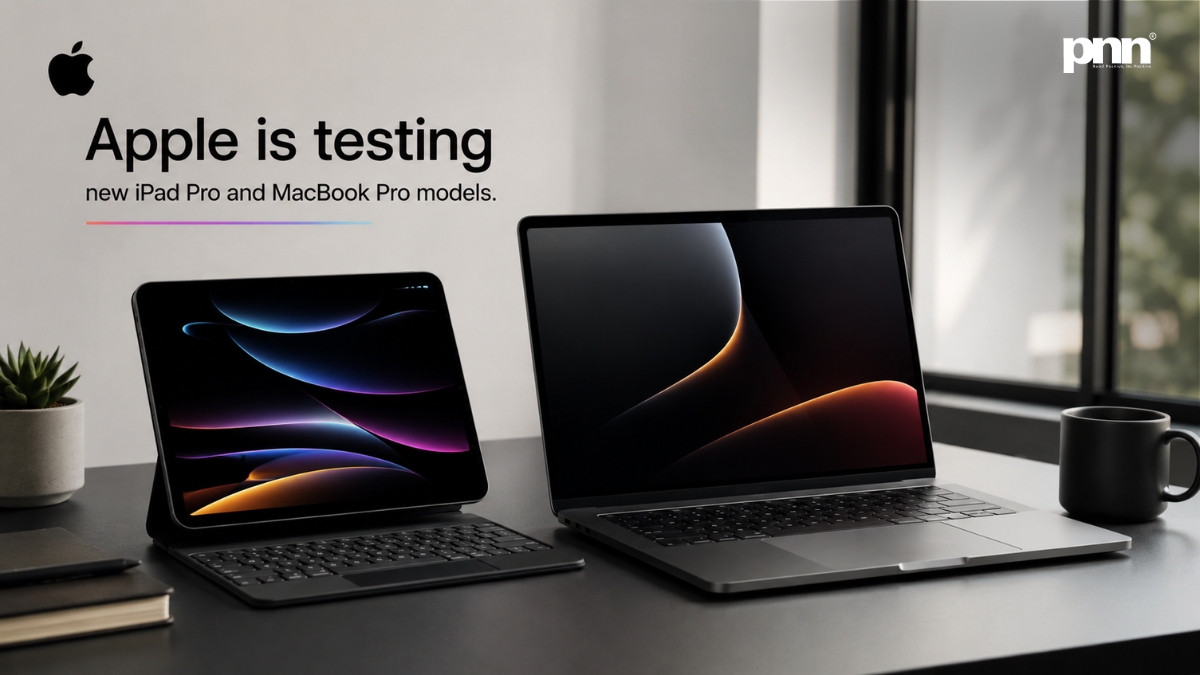
Mumbai (Maharashtra) [India], July 3:Apple has always treated product development like a carefully rehearsed magic trick. By the time the curtain rises, the audience already knows something extraordinary is coming—just not exactly how. The latest reports suggest the company is quietly testing four new iPad Pro models alongside redesigned MacBook Pro laptops, signalling that Apple’s next act may revolve less around hardware and far more around artificial intelligence.
Although Apple has not officially confirmed launch dates, reports indicate that the upcoming devices will feature next-generation Apple Silicon, improved performance, and a stronger emphasis on AI-powered capabilities. The news arrives as competition across the technology industry intensifies, with nearly every major manufacturer racing to position AI as the defining feature of modern computing.
Apple, however, appears content doing what it usually does best, arriving fashionably late, then pretending it invented the party.
The Next Generation Is About More Than Faster Chips
For years, Apple upgraded its devices by focusing on thinner designs, brighter displays, and increasingly powerful processors. While those improvements remain important, the conversation surrounding its next generation of products appears noticeably different.
According to reports, Apple is testing four new iPad Pro variants alongside redesigned MacBook Pro models powered by newer Apple Silicon chips expected to succeed the current M-series lineup. Industry observers anticipate significant improvements in AI processing, on-device machine learning, battery efficiency, and multitasking performance.
Unlike cloud-based AI services, Apple has consistently prioritised on-device intelligence, allowing many AI features to run directly on its hardware while maintaining its long-standing emphasis on privacy.
The processor is no longer just the brain of the device. It’s quietly becoming its personality.
Apple’s AI Strategy Is Finally Taking Shape
For much of the generative AI boom, critics questioned whether it was falling behind competitors introducing chatbots, AI assistants, and enterprise AI platforms at remarkable speed.
Apple responded differently.
Rather than rushing experimental products into consumers’ hands, the company spent the past year integrating Apple Intelligence, strengthening Siri, enhancing writing tools and expanding AI capabilities across iOS, macOS, and iPadOS.
The reported testing of new iPad Pro and MacBook Pro models suggests that future hardware will increasingly be designed around AI workloads rather than simply supporting them.
That distinction matters. It rarely builds hardware first and software later.
It prefers making both appear as though they always belonged together.
Why The iPad Pro And MacBook Pro Still Matter
Some industry analysts have questioned whether premium tablets and laptops still command the same excitement they once did.
It seems unconvinced.
The iPad Pro has gradually evolved from a media-consumption device into a platform for creative professionals, designers, filmmakers and engineers. Likewise, the MacBook Pro continues to dominate workflows involving software development, video production, music composition and artificial intelligence research.
Apple’s Mac business alone generates tens of billions of dollars in annual revenue, while the iPad remains one of the company’s strongest hardware categories despite an increasingly competitive tablet market.
If these reported upgrades successfully deliver meaningful AI performance improvements, they could strengthen Apple’s position among professionals seeking local AI processing without relying exclusively on cloud infrastructure.
The Pros And The Challenges
Every major hardware refresh creates fresh opportunities—and fresh expectations.
Potential Advantages Include:
Faster Apple Silicon with enhanced AI performance.
Improved battery life and energy efficiency.
More capable on-device machine learning features.
Greater productivity for creators, developers and professionals.
However, the anticipated launch also presents familiar challenges.
Possible Concerns Include:
Premium pricing that may remain inaccessible for many consumers.
Incremental hardware changes compared with previous generations.
Growing expectations surrounding AI features that may vary by region.
Pressure to justify upgrades for users with recent Apple devices.
Consumers no longer ask whether a new device is faster. They ask whether it’s smart enough to replace part of their workflow.
The Bigger Picture
Apple‘s reported testing programme isn’t simply about refreshing its premium hardware lineup. It reflects a broader transition taking place across the technology industry.
The next generation of laptops and tablets will increasingly compete not only on processing power or display quality but on how intelligently they assist users throughout the day.
Whether these devices arrive later this year or slightly beyond remains uncertain, and Apple has yet to officially confirm any launch schedule. Still, the reports reinforce one reality.
The AI race is no longer confined to chatbots. It’s moving directly into the computers sitting on our desks and the tablets resting in our backpacks.
Perhaps Apple’s biggest challenge isn’t building faster machines anymore. It’s convincing users that the smartest computer they’ve ever owned is also the one worth upgrading to.
 fast charging, while the Reno16c raises the bar with a massive 7000mAh battery and 80W SUPERVOOC