Tag: national

  • Surat industrialist Piyush Desai’s exemplary ‘Hiraba No Khumkar’ initiative for girls’ education

    Surat industrialist Piyush Desai’s exemplary ‘Hiraba No Khumkar’ initiative for girls’ education

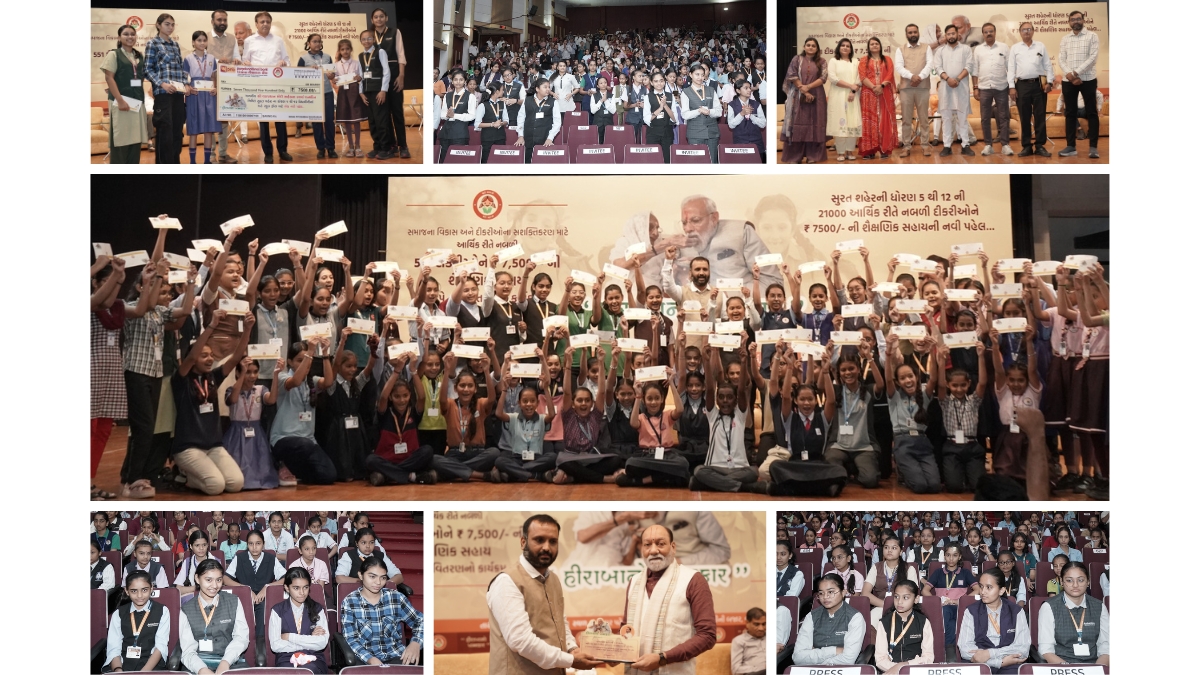
    With support to 551 more girls, the initiative has now benefited 1,102 students, and assistance of Rs. 7,500 each has also been extended to 7,500 farmers affected by unseasonal rains.

    Surat (Gujarat) [India], November 13: Surat-based industrialist Piyush Desai’s educational initiative ‘Hiraba No Khumkar’, aimed at promoting the education of the girl child, has evolved into a broader social movement with additional financial support for farmers affected by unseasonal rainfall.

    Launched on the occasion of Prime Minister Narendra Modi’s 75th birthday, the initiative initially supported 551 girls from economically disadvantaged families through educational assistance of Rs. 7,500 each, covering school fees and related expenses.

    At an event today, support was extended to an additional 551 students, bringing the total number of beneficiaries to 1,102. So far, assistance amounting to Rs. 41,32,500 has been disbursed.

    Speaking on the occasion, Piyush Desai said, “Educating a daughter is the most effective way to strengthen the nation’s future. With the blessings of Hiraba, it is my resolve to continue this mission and reach many more families in the years ahead.”

    He announced that the goal is to assist 21,000 girls through educational grants totalling Rs. 15 crore and 75 lakhs. In addition, he also announced financial assistance of Rs. 7,500 for 7,500 farmers to help mitigate the losses caused by unseasonal rains.

    The event was attended by students, parents, social workers, and industrialists, who commended the initiative and described it as an inspiration for the wider business community.

    Originally belonging to Nanota village in Banaskantha, Piyush Desai has emerged as a successful entrepreneur with business interests in textiles, real estate, and finance. Despite his success, he considers the “Hiraba No Khumkar” campaign, launched with a strong sense of social responsibility, as one of the most meaningful endeavours of his life.

    The initiative, named in honour of Prime Minister Narendra Modi’s late mother, Hiraba, was launched on September 17, 2025, marking the PM’s 75th birthday.

  • Gujarat’s Airline Ventura Airconnect Becomes a Divine Messenger (DEV-DOOT) through Organ Transfer Service

    Gujarat’s Airline Ventura Airconnect Becomes a Divine Messenger (DEV-DOOT) through Organ Transfer Service

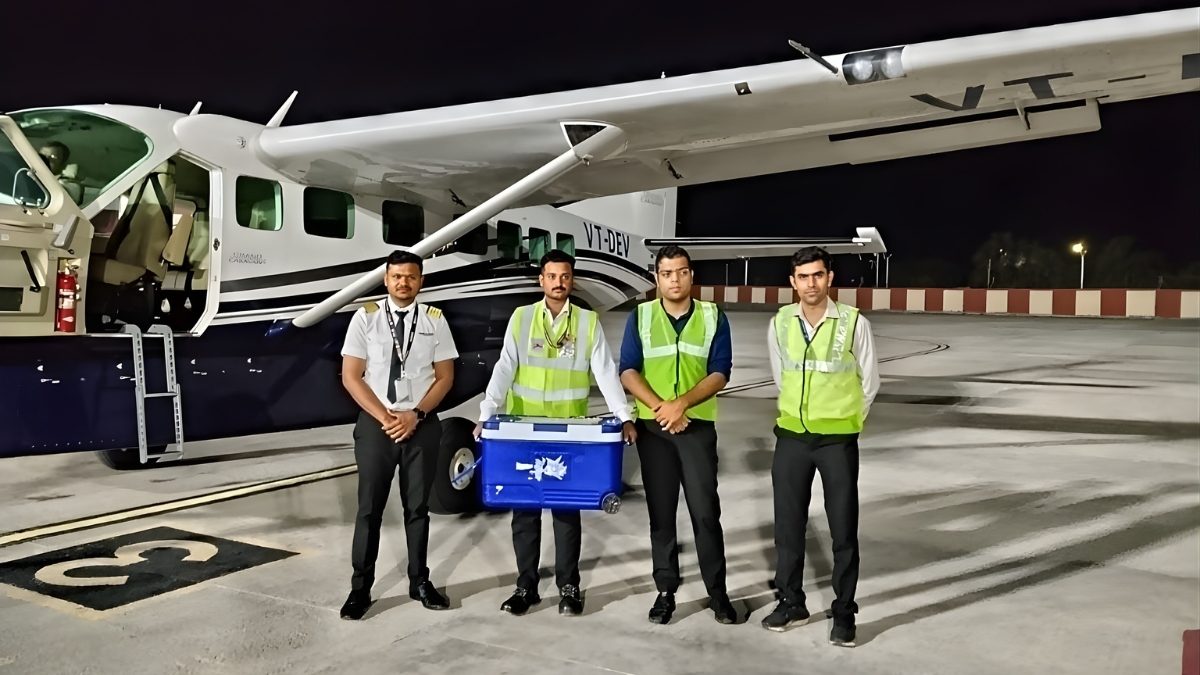
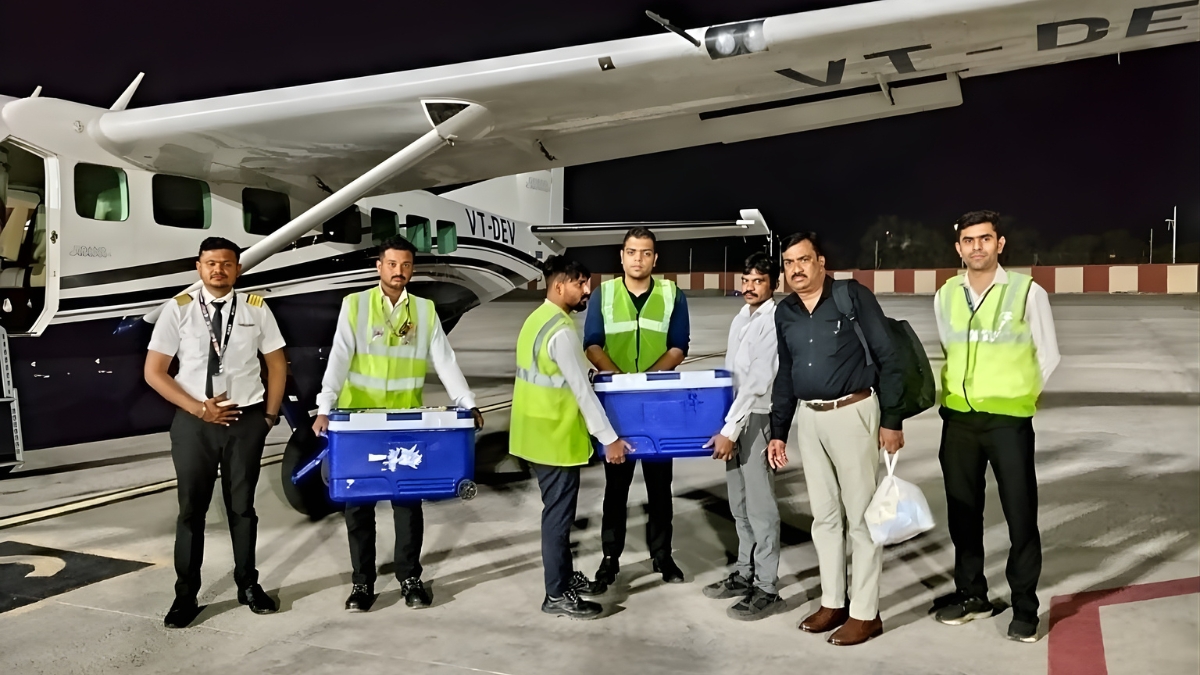
    The airline carried out its first organ transfer flight from Jamnagar to Ahmedabad last week.

    Surat (Gujarat) [India], November 11: When most airlines chase passengers, Ventura Airconnect decided to chase purpose. The Gujarat-based regional carrier just added a life-saving chapter to Indian aviation — an air service dedicated to organ transfer.

    From Passenger Flights to Life Flights

    Surat-headquartered Ventura Airconnect — already known for connecting smaller Gujarat cities by air — has now expanded its wings into something far greater: humanity. The airline recently received formal approval to transport human organs for donation across cities, ensuring time-sensitive deliveries that could quite literally decide between life and death.

    Within days of the clearance, the airline executed its first successful organ transfer flight from Jamnagar to Ahmedabad, marking the beginning of what could become a defining public-private collaboration in emergency healthcare logistics.

    Ventura’s newly repurposed aircraft — a VT-DEV — now proudly carries a mission beyond passengers or parcels. Aptly named “Dev”, it’s being hailed as the “Devdoot” (divine messenger) of the skies — flying not for profit, but for people.

    A Vision That Took Flight Long Before the Organs Did

    To understand Ventura’s new humanitarian stride, it helps to remember where it came from. The airline was founded in 2014 by three Surat-based industrialists — Govindbhai Dholakia, Savjibhai Dholakia, and Lavjibhai Badshah — at a time when Surat itself didn’t even have a full-fledged airport.

    Their motive was simple yet audacious: bring intra-state air connectivity to Gujarat, bridging smaller cities like Bhavnagar, Rajkot, Amreli, and Surat through affordable flights. What began as a niche initiative for convenience gradually evolved into a reliable lifeline for regional travellers — business owners, families, and medical patients alike.

    Today, Ventura Airconnect operates daily scheduled flights between key urban centres and rural pockets, transforming Gujarat’s air network from an afterthought into an example of what focused entrepreneurship can achieve.

    Organ Transfer

    Turning Business Wings into Angel Wings

    The new Organ Transfer Air Service is Ventura’s next logical leap — and perhaps its most meaningful one yet.

    Every minute counts when an organ needs to be transplanted. Traditional ground routes or commercial airline schedules often fail to match the urgency. Ventura’s compact fleet and flexible operations allow swift mobilisation, meaning a liver, kidney, or heart can reach its destination in precious minutes instead of lost hours.

    In an age where “corporate social responsibility” is often confined to PowerPoint slides, Ventura’s move feels refreshingly authentic. The airline isn’t branding this as charity — it’s branding it as “civic service fused with purpose.”

    And yes, the service comes at nominal rates, proving that profit and compassion aren’t mutually exclusive.

    When the Private Sector Becomes Public Spirit

    Let’s face it — it’s not every day that an airline gets described as a “devdoot.” But Ventura’s initiative deserves the title.

    This isn’t about flashy press releases or political ribbon-cuttings. It’s about industrialists-turned-aviators using their network, capital, and persistence to fill a critical gap in the system.

    India’s organ donation framework has long faced challenges — from logistics to cold storage to bureaucracy. Timely organ transfer remains one of the biggest pain points in the chain. With Ventura stepping in, Gujarat now gets a practical model for state-level organ logistics — one that could easily be replicated nationwide.

    The message is clear: you don’t have to be the biggest airline in India to make the biggest impact.

    Organ Transfer

    A Symbolic Aircraft — and a Real Change

    The symbolism of the aircraft registration — VT-DEV (“Dev”) — is poetic but grounded in purpose. It’s not just a name; it’s a narrative. Each flight that “Dev” undertakes could mean another heartbeat continues, another family gets a miracle, another surgeon gets the time they need.

    Ventura Airconnect has effectively blurred the line between aviation and altruism. The company’s eleven-year journey — from filling regional gaps to saving lives — is a rare success story where private initiative meets public value.

    The Broader Picture: Gujarat Leading by Example

    In a nation as vast and populous as India, infrastructure often decides outcomes — especially in healthcare. Gujarat’s private players have long been known for their entrepreneurial flair, and Ventura Airconnect’s move adds a humanitarian halo to that reputation.

    This could well set the tone for state-level organ air corridors, reducing dependency on congested metros and enabling tier-2 hospitals to coordinate transplants faster.

    It’s not just about wings. It’s about will.

    In the End, Purpose Flies Higher Than Planes

    Ventura Airconnect’s evolution from a regional connector to a humanitarian enabler is a story worth bookmarking — and benchmarking.

    The company has shown that aviation doesn’t always need to chase market share; sometimes, it can chase miracles. And in a country where thousands die each year waiting for an organ, this initiative might just turn “waiting” into “living.”

    After all, when business meets benevolence, even the skies salute.

    PNN National

  • SBI CME Soldierathon 3.0 Concludes with Record Participation and Inspiring Displays of Patriotism

    SBI CME Soldierathon 3.0 Concludes with Record Participation and Inspiring Displays of Patriotism

    SBI CME Soldierathon 3.0 united soldiers and civilians in Pune, promoting fitness, patriotism, and support for wounded heroes through the Fit India Movement.

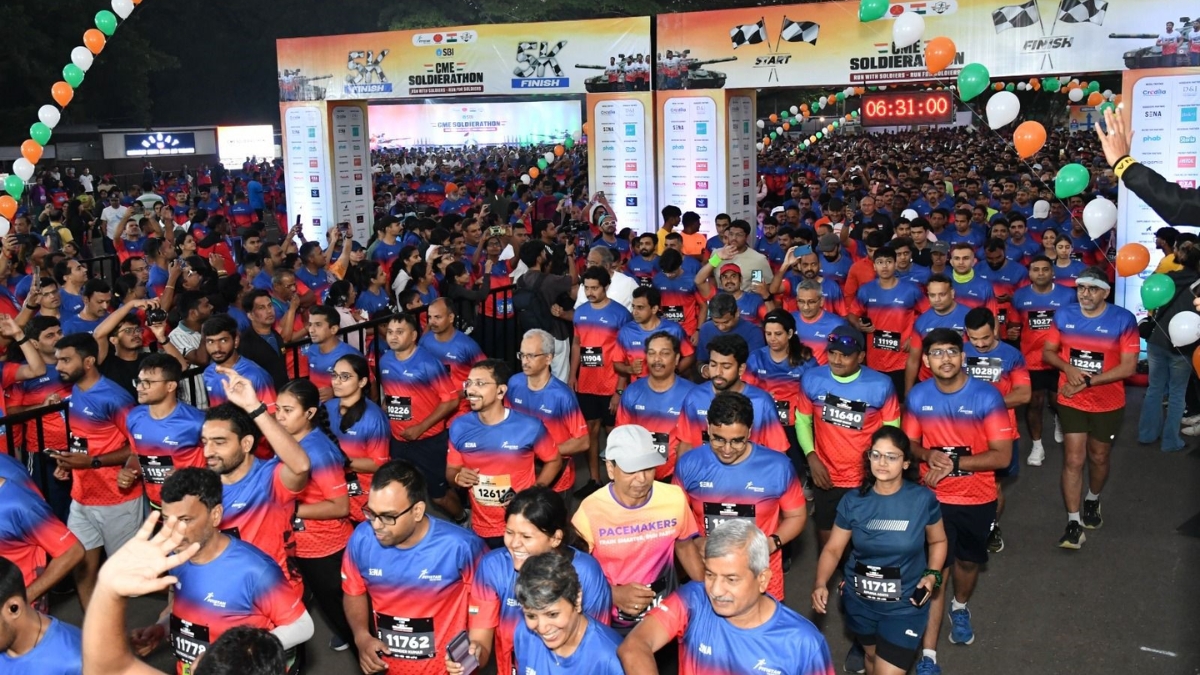
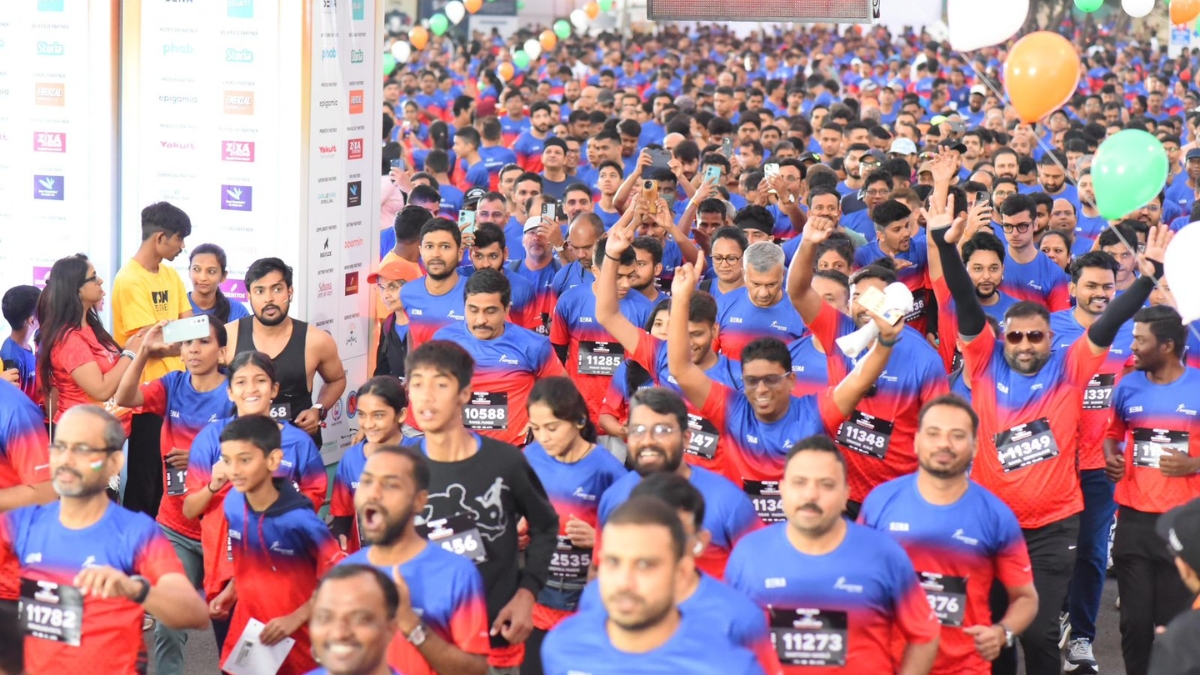
    Pune (Maharashtra) [India], November 11: The third edition of the SBI CME Soldierathon 3.0 concluded on a historic note, uniting runners, serving soldiers, veterans, wounded heroes, families and fitness enthusiasts from across India under one tricolour spirit of fitness and patriotism.

    Organised by Fitistan – Ek Fit Bharat in collaboration with the CME of the Indian Army, the event stood as a powerful testament to the vision of Hon’ble Prime Minister Shri Narendra Modi’s Fit India Movement, blending discipline, purpose and national pride on one grand platform.

    This year’s Soldierathon witnessed an overwhelming participation of 8,720 runners across four categories:

    • 21 km Half Marathon
    • 10 km Run
    • 5 km Run
    • Cheer Buddy Category

    Saluting the Brave-Giving Back to Our Heroes

    In line with Soldierathon’s enduring mission to support the nation’s wounded warriors, a generous contribution of ₹5,00,000 was made to the Paraplegic Rehabilitation Centre (PRC), Kirkee, to aid the rehabilitation and welfare of injured soldiers.

    SBI CME Soldierathon 3.0

    Launch of SENA, A Movement Beyond Fashion

    A major highlight of this edition was the official launch of SENA, A purpose-driven lifestyle initiative born from the spirit of Soldierathon.

    SENA aims to empower wounded soldiers, support soldier families and create a sustainable wellness community that promotes fitness as a shared way of life for both civilians and the armed forces.

    National Half Marathon Championship at SBI CME Soldierathon 3.0

    This year also marked the hosting of the prestigious National Half Marathon Championship, where elite runners shared the track with defence personnel and citizens, showcasing competitive spirit & camaraderie through fitness.

    In a thrilling finish, CTW CME Pune emerged as the Team Championship Winner, lifting the National Half Marathon Trophy with an impressive average team time of 1 hour, 22 minutes, and 19 seconds.

    The winning team was awarded the Championship Trophy and a cash prize of ₹1,00,000. CME Commandant Lt General Ramesh Felicitated winners of SBI CME Soldierathon and applauded their winning efforts.

    Speaking at the event, Shri G. S. Rana, Deputy Managing Director, SBI, lauded the seamless organisation, enthusiastic participation and Soldierathon’s strong message of unity, service and the Fit India Movement.

    The organisers expressed heartfelt gratitude to Team CME, all volunteers, defence personnel, sponsors, ambassadors, pacers and partners whose combined efforts made Soldierathon 3.0 a resounding success.

    As the sun set on another glorious edition of Soldierathon, every participant carried home memories of courage, camaraderie and the indomitable spirit of the Indian soldier continuing the mission of “Run for Soldiers. Run with Soldiers.”

    If you have any objection to this press release content, kindly contact pr.error.rectification@gmail.com to notify us. We will respond and rectify the situation in the next 24 hours.

  • Honourable Prime Minister Shri Narendra Modi Graces the Largest Gathering of Paediatric Cardiac Surgery Patients at Nava Raipur

    Honourable Prime Minister Shri Narendra Modi Graces the Largest Gathering of Paediatric Cardiac Surgery Patients at Nava Raipur

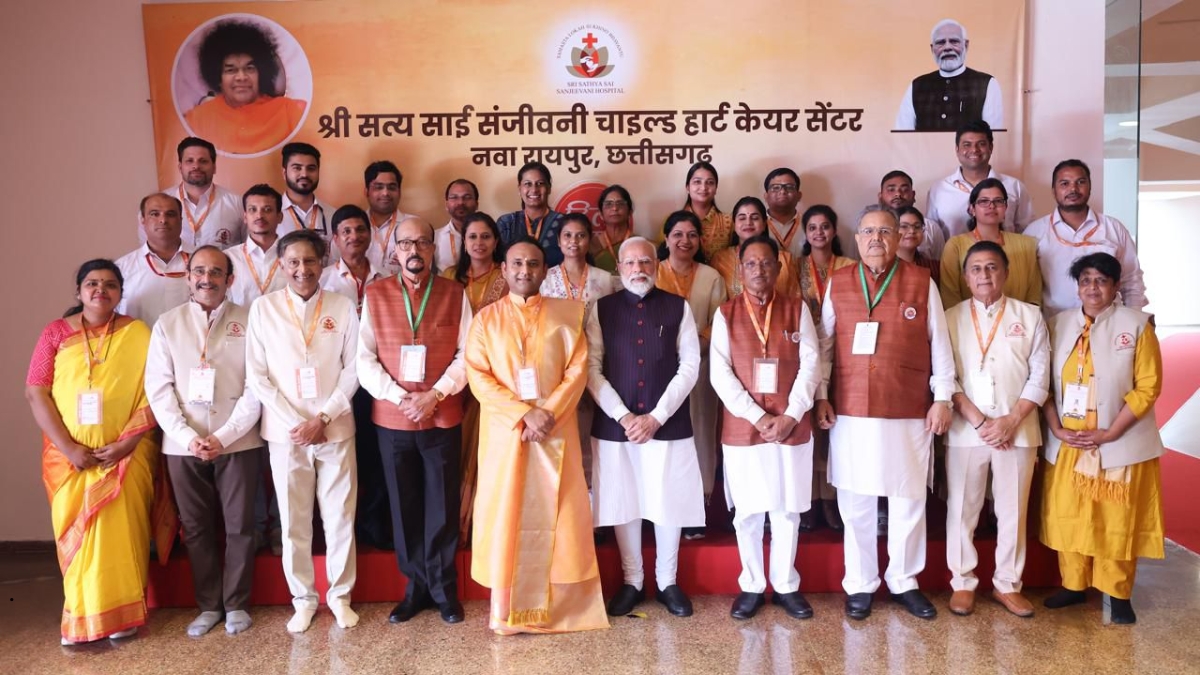
    Raipur (Chhattisgarh) [India], November 10: Prime Minister Narendra Modi graced the largest gathering of paediatric cardiac surgery patients, recognised by Guinness World Records, at Nava Raipur. Welcomed by Sadguru Sri Madhusudan Sai, Founder, Sri Sathya Sai Sanjeevani Centres for Child Heart Care, Prime Minister interacted with 2500 children from various age groups who have received free life-saving cardiac surgeries as a part of the ‘Gift of Life’ initiative. He reflected “As we talk about Viksit Bharat (Developed India) by 2047, every state is moving in that direction. The effort is being made to ensure that our future, our young generation, remain healthy.”

    The Sri Sathya Sai Sanjeevani Centre for Child Heart Care, Nava Raipur, as part of the One World One Family Mission’s largest chain of paediatric cardiac care hospitals, has been instrumental in offering advanced, world-class cardiac care to children with congenital heart diseases. Envisioning compassion in action, it enables children with health, hope, and dignity, to realise their aspirations.

    On the momentous occasion, Sadguru Sri Madhusudan Sai, Founder, One World One Family Mission, remarked “Compassion without commercialisation is the only way forward to restore the rhythm of little hearts!” He extended heartfelt gratitude to honourable Prime Minister for gracing the event, exemplifying how true vision can strengthen the crucial pillars of a nation.

    Dr C. Sreenivas, Sri Sunil Gavaskar, Sri Vivek Narayan Gaur, Sri B. N. Narasimha Murthy, and Sri V. Krishnan, eminent patrons of One World One Family Mission, joined in celebrating a milestone that truly echoes the spirit of Vasudhaiva Kutumbakam and the ideal that healthcare is a right, not a privilege.

    This recognition underscores the commitment of One World One Family Mission towards free-of-charge, world-class, accessible, and equitable cardiac care for all. The Mission has treated over 37,000 children with congenital cardiac defects in India, and beyond, so far. It is a reminder of the power of compassion that knows no boundaries.

    If you object to the content of this press release, please notify us at pr.error.rectification@gmail.com. We will respond and rectify the situation within 24 hours.

  • SEBI Warning on Digital Gold: Major Risk Alert for Investors – 2025

    SEBI Warning on Digital Gold: Major Risk Alert for Investors – 2025

    Mumbai (Maharashtra) [India], November 10: India’s market watchdog just dropped a truth bomb on digital gold. SEBI has officially warned that buying gold online through unregulated platforms might shine bright on your app but can burn deep in your pocket.

    The Gold Rush Goes Digital, But Not Regulated

    Everyone’s chasing gold. The metal’s hitting record highs, and digital platforms promise an easy way to own a piece, for as little as ₹10. Apps like Paytm, PhonePe, and even jewellers like Tanishq and MMTC-PAMP have turned gold investment into a tap-and-go experience.

    But here’s the kicker: SEBI says none of this is under its control. These platforms may be popular, but they’re completely outside India’s securities law. Which means, if something goes wrong, you’re on your own.

    In a blunt statement, SEBI clarified that digital gold or e-gold isn’t classified as a security or commodity derivative. Translation? It’s not regulated by SEBI. No safety net. No investor protection mechanisms. Just you, your app, and faith.

    What SEBI Actually Said

    According to SEBI’s press release, “Such digital gold products operate entirely outside the purview of SEBI. These may entail significant risks for investors and expose them to counterparty and operational risks.”

    That’s regulatory speak for: “If the company defaults, vanishes, or messes up your account, SEBI can’t help.”

    The regulator also reminded investors that India already offers multiple regulated ways to invest in gold. These include:

    • Gold Exchange Traded Funds (ETFs) offered by mutual funds
    • Exchange-traded commodity derivative contracts
    • Electronic Gold Receipts (EGRs) traded on recognised stock exchanges

    Each of these falls under SEBI’s framework, with registered intermediaries and defined investor protections.

    Who’s Selling Digital Gold Anyway?

    Big names, actually. Tanishq, part of the Tata Group, offers “Tanishq Digital Gold” in partnership with SafeGold, letting users start with ₹100. MMTC-PAMP claims leadership in the segment, touting purity, storage, and flexibility. Aditya Birla Capital, Paytm, and Caratlane also promote digital gold as a convenient savings tool.

    The trust factor of these brands gives investors a false sense of safety. SEBI’s message? Brand trust ≠ regulatory protection. Even the biggest names can’t guarantee security if the product itself sits outside regulation.

    India’s Digital Gold Craze by the Numbers

    India’s love affair with gold has gone digital fast. NPCI data shows that in September alone, Indians purchased ₹1,410 crore worth of digital gold via UPI, nearly double the ₹761 crore spent in January.

    The surge coincided with gold prices skyrocketing from ₹76,000 to over ₹1.13 lakh per 10 grams. Clearly, the digital route appealed to micro-savers and first-time investors who wanted a bite of the golden pie without physical storage headaches.

    But while the demand is genuine, regulation hasn’t caught up. The Reserve Bank of India doesn’t regulate it either. Digital gold, for now, is nobody’s child, too financial for jewellers, too informal for regulators.

    What Could Go Wrong

    Plenty. Since these platforms are unregulated, you have no guarantee that the gold actually exists, is safely stored, or is auditable. Custody risk is real, your digital claim might not match any physical holding.

    And if the platform collapses or mismanages data? You’re left holding digital dust. No SEBI dispute resolution, no investor grievance redressal.

    The government had earlier discouraged similar “gold saving schemes” by jewellers that ran purely on trust. SEBI’s tone here suggests a repeat of that caution, different packaging, same risk.

    Safer Ways to Go for Gold

    For those who love gold but not risk, SEBI’s advice is simple: stick to regulated routes.

    • Gold ETFs: Traded on exchanges, backed by physical gold, and managed by mutual funds.
    • EGRs (Electronic Gold Receipts): The new kid on the block, letting investors hold and trade gold digitally, fully within the legal market.
    • Commodity Derivatives: For the pros who understand volatility.

    Each of these offers clarity, transparency, and grievance mechanisms, the boring stuff that saves your portfolio in a crisis.

    Investor Lesson: Shine vs Substance

    Digital gold looks sleek. It fits modern India’s fintech image, instant, mobile-first, and bite-sized. But until there’s regulation, it’s like buying gold from a WhatsApp group.

    As SEBI reminds us, the real shine lies in security. A true investor doesn’t just chase returns, they demand regulation.

    PNN News

  • Tribute to Cow Protectors on 7th November at Swadeshi Rashtriya Gaudhan Summit 2025

    Tribute to Cow Protectors on 7th November at Swadeshi Rashtriya Gaudhan Summit 2025

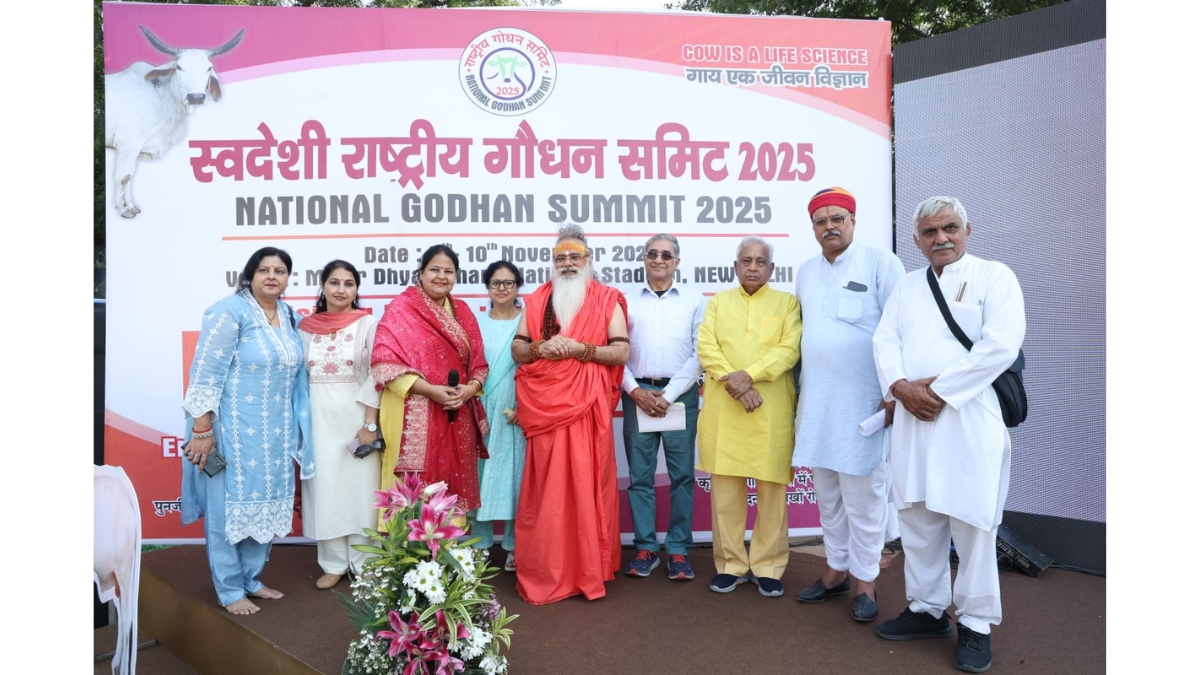
    New Delhi [India], November 8: The Swadeshi Rashtriya Gaudhan Summit 2025 witnessed a deeply emotional and historic moment today as the Rashtriya Gaudhan Mahasangh paid tribute to cow protectors from across the country who sacrificed their lives in the service of the cow, the Swadeshi movement, and environmental preservation.

    The day holds special significance as November 7, 2006 marks the founding of the Rashtriya Gaudhan Mahasangh as an “idealistic non-violent movement.” Since then, the day has been observed every year as “Gaubalidan Smriti Diwas” (Martyrs’ Memorial Day) and the Foundation Day of the Mahasangh.

    The program commenced at 9 a.m. with Vedic chanting, havan (ritual offering), and gau poojan (cow worship). This was followed by two minutes of silence to honor all the cow protectors. The gathering included representatives from Gaushalas, farmer organizations, environmentalists, youth volunteers, and social activists from across India, all of whom reaffirmed their collective commitment to cow welfare and the vision of Atmanirbhar Bharat (self-reliant India).

    Speaking on the occasion, Mr. Vijay Khurana, National Convener and Chief Spokesperson of Rashtriya Gaudhan Mahasangh, said, “The cow is not just at the heart of our culture but is also the backbone of an Atmanirbhar Bharat. Those who sacrificed their lives for cow protection are the eternal symbols of this ideology. The Rashtriya Gaudhan Mahasangh will continue to work tirelessly to fulfill their vision.”

    He announced that in the coming years, November 7 will be observed nationwide as “Gau Seva Sankalp Diwas” (Cow Service Commitment Day), during which schools, panchayats, and Gaushalas will organize cow welfare and environmental awareness campaigns.

    A symposium on the topic “Cow Economy and the Future” was also held on the occasion, where experts highlighted that if the 9.5 lakh tonnes of cow dung produced annually by India’s 22,000 Gaushalas were utilized scientifically, the nation could prevent the felling of approximately 50 million trees each year.

    Furthermore, the production of organic fertilizers, biogas, natural pesticides, and Panchgavya-based medicines has the potential to create millions of employment opportunities in rural India. The event also honored 25 volunteers for their remarkable contribution to cow welfare. The tribute ceremony concluded with the national anthem and the collective chant of “Gau Mataram.”

    Swadeshi Rashtriya Gaudhan Summit 2025 — A Five-Day Movement Toward Self-Reliant India

    This program forms an integral part of the six-day Swadeshi Rashtriya Gaudhan Summit 2025, being held from November 5 to 10, 2025, at Major Dhyan Chand National Stadium, India Gate Circle, New Delhi.

    The central theme of the summit is — “Atmanirbhar Bharat through the BioE3 Policy – Environment, Economy, and Employment.” According to Mr. Vijay Khurana, the BioE3 Policy provides a practical framework for achieving sustainable growth in India. “Our goal is to ensure that Gaudhan (cow wealth) is not confined to service alone but becomes a means of balance between livelihood, environment, and economy,” he said.

    Over 600 stalls have been set up at the venue, showcasing Panchgavya products, organic farming solutions, green energy innovations, and eco-friendly technologies. The summit has become a vibrant platform for farmers, Gaushala operators, scientists, and entrepreneurs to engage in dialogue, innovation, and collaboration.

    During its two-decade journey, the Rashtriya Gaudhan Mahasangh has made remarkable progress in spreading the concept of a cow-based sustainable economy–

    • In 2006, India had around 9,500 Gaushalas, which has now grown to over 22,000.
    • The cow population has increased from 95 million to 220 million.
    • Thousands of farmers have transitioned from chemical farming to cow-based organic agriculture.

    Speaking on the ongoing summit, Mr. Vijay Khurana added,

    “This is not merely a cultural or religious initiative but a national movement leading India toward sustainability and self-reliance. The cow is the soul of India — and until Gaudhan becomes part of our economic framework, the dream of a truly self-reliant nation will remain incomplete.”

    The Swadeshi Rashtriya Gaudhan Summit 2025 continues till November 10.

    Venue: Major Dhyan Chand National Stadium, India Gate Circle, New Delhi
    Time: 9:00 AM to 9:00 PM

    About Rashtriya Godhan Mahasangh

    An Idealistic Non-Violent Movement dedicated to the welfare of cows and the promotion of cow-based sustainable innovations. Triple E: Environment, Economy, and Employment at the Core. At the heart of this summit lies the Triple E philosophy-focusing on Environment, Economy, and Employment, driving a powerful movement that blends tradition with innovation.

    If you object to the content of this press release, please notify us at pr.error.rectification@gmail.com. We will respond and rectify the situation within 24 hours.
  • Groww IPO Nov 7: Massive Retail Demand Ignites The Indian Market Confidence – 2025

    Groww IPO Nov 7: Massive Retail Demand Ignites The Indian Market Confidence – 2025

    Mumbai (Maharashtra) [India], November 7: India’s investors didn’t just show up for Groww’s IPO – they stormed the gates. On the same day, SEBI doubled down on its reform roadmap. The message: India’s capital markets are not waiting for validation. They’re dictating the pace.

    Groww IPO News: Retail Investors Lead The Charge

    The Groww IPO news is the best headline Indian markets could ask for this quarter.

    By 11:20 a.m. on the final day of bidding (November 7), the ₹6,632 crore IPO of Billionbrains Garage Ventures had received bids for 91.22 crore shares, against 36.47 crore shares on offer. That’s 2.5 times subscription.

    Here’s how the numbers break down:

    • Retail Individual Investors (RIIs): 6.43x subscribed
    • Non-Institutional Investors (NIIs): 4.34x
    • Qualified Institutional Buyers (QIBs): 27% so far

    Even before the public sale began, Groww locked in ₹2,984 crore from anchor investors. Not bad for a fintech that started as a mutual fund discovery platform and ended up becoming the go-to investing app for a new generation.

    For retail investors, this IPO wasn’t about speculation. It was about validation. A tech-driven, homegrown brokerage commanding premium demand in an IPO season already crowded with contenders.

    The rise of India’s investing class

    If you want to understand the real story behind the Groww IPO news, stop looking at valuations and start looking at behavior. India’s middle class is no longer parking savings in gold or real estate. They’re opening demat accounts faster than ever – and they’re confident enough to back digital brokers like Groww.

    Retail participation is not a trend anymore. It’s the new base of the pyramid.

    Groww represents that shift. It’s not selling dreams – it’s selling control. The ability to trade, invest, and build wealth without waiting for anyone’s permission.

    Why Groww Is More Than Just Another IPO?

    Every IPO has hype. This one has heart. 

    Groww’s appeal lies in its simplicity: low friction, transparent fees, and a user interface that doesn’t make you feel like you need a finance degree to invest.

    The retail crowd recognizes that. So does the market. The oversubscription isn’t a fluke – it’s a signal. When investors pile into a company that built its business on trust and access, it means the market has matured. It’s no longer about FOMO; it’s about alignment.

    SEBI Market Reforms 2025: Making The System Sharper

    While the Groww IPO was raking in bids, SEBI Chairperson Tuhin Kanta Pandey was sending another signal – reform season is in full swing.

    Speaking at the CNBC-TV18 Global Leadership Summit 2025, he said India’s capital markets are not just a reflection of the economy – they’re a pillar of Viksit Bharat.

    “Capital markets are not just a barometer of the economy, but central to the aspirations of Viksit Bharat.”

    Pandey’s statement wasn’t for applause. It was a commitment. SEBI is preparing a slate of reforms that will make India’s markets faster, cleaner, and more inclusive.

    F&O, short-selling, and the liquidity reset

    Pandey laid out SEBI’s plan to review futures and options, short-selling, and buyback norms – all designed to deepen market liquidity.

    Key highlights:

    • A new options framework aligned with global best practices but adapted for Indian realities.
    • Continued weekly F&O settlements for more certainty.
    • A comprehensive review of the Securities Lending and Borrowing Mechanism (SLBM), which he admitted is still underdeveloped.

    He also hinted that regulatory caps on costs may need to evolve. Transparency will remain non-negotiable, but flexibility must follow innovation.

    If you translate the bureaucratic language, he basically said: we’re not here to slow things down – we’re here to build an engine that can handle full throttle.

    Mutual funds: The next growth weapon

    Pandey didn’t mince words about India’s mutual fund landscape.

    The sector’s AUM remains below 25% of GDP, well below global benchmarks.

    Urban India is showing decent participation – around 15% – but rural India still lags at 6%. That’s not a gap. That’s an opportunity worth trillions.

    His prescription: greater awareness, better governance, and deeper distribution. Mutual funds aren’t a side show anymore – they’re the next rocket booster for India’s financialization story.

    Governance, transparency, and India’s big test

    SEBI is also reviewing Listing Obligations and Disclosure Requirements (LODR) to ensure listed firms maintain real transparency, not checkbox compliance.

    “Optimum regulation – neither too tight nor too loose.”

    That one line sums up SEBI’s new philosophy. Market freedom with accountability. Growth with guardrails.

    If India gets that balance right, capital inflows – domestic and foreign – will only accelerate.

    Bottom line

    The Groww IPO news isn’t just about oversubscription stats. It’s the story of how confidence compounds. Retail investors are stepping up. Regulators are stepping in. And together, they’re turning India’s markets from a playground into a powerhouse.

    Pandey said it best – India’s domestic capital base is “a deep well waiting to be deployed.” Groww just proved the water runs deep.

    PNN News

  • IDRC’s 4th Arbitration in India Conclave 2025: We will Strengthen Institutional Arbitration, Law Min. Meghwal

    IDRC’s 4th Arbitration in India Conclave 2025: We will Strengthen Institutional Arbitration, Law Min. Meghwal

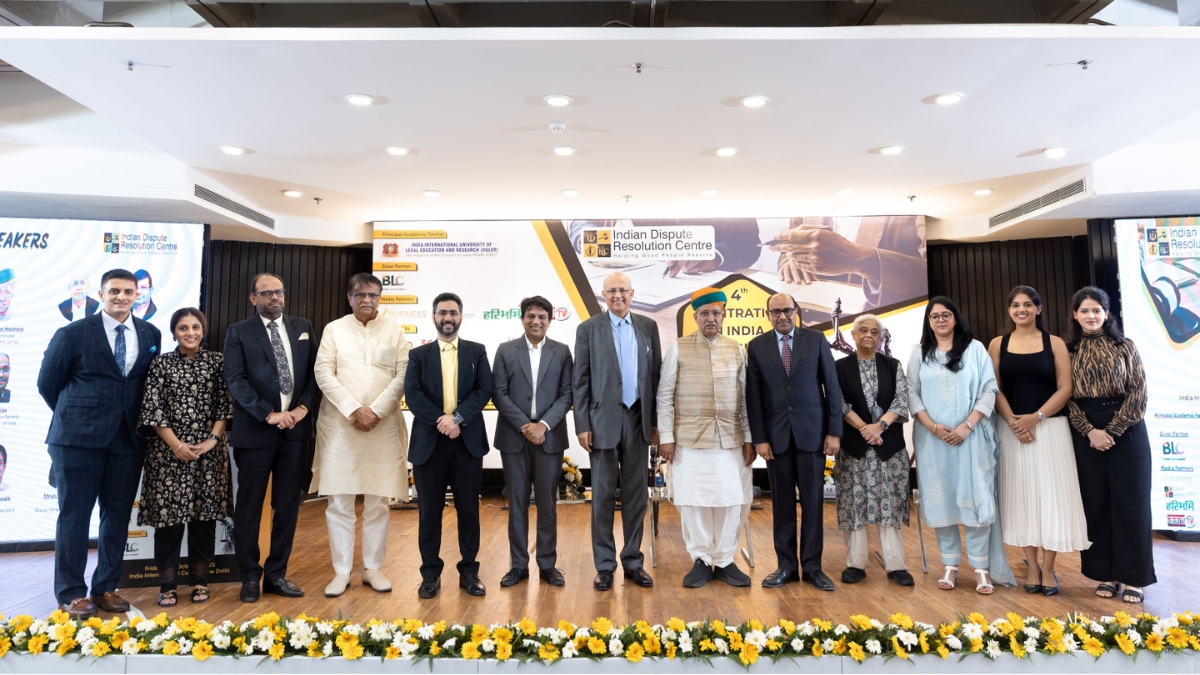
    IDRC’s 4th Arbitration in India Conclave 2025, Law Min. Meghwal, HMJ Manmohan, Sh. OP Dhankar & Ors

    New Delhi [India], November 7: The Indian Dispute Resolution Centre (IDRC), in collaboration with the Bar Council of India’s India International University of Legal Education and Research (IIULER), successfully hosted the “4th Arbitration in India Conclave 2025” at the India International Centre, New Delhi. Supported by CIArb and Vienna International Arbitration Centre, Austria. The Conclave brought together judges, legal luminaries, policymakers, and senior practitioners to deliberate on the theme “Autonomy and Accountability in Arbitration: Institutional Arbitration is the Way Forward.”

    Hon’ble Union Minister for Law and Justice, Shri Arjun Ram Meghwal, delivered the keynote address, outlining the Government’s reform-oriented vision for ADR. Stating that “Arbitration, Mediation, and Conciliation are essential tools for strengthening India’s justice delivery and economic growth.” Citing the Mediation Act, 2023 and the forthcoming amendments to the Arbitration and Conciliation Act, he said these initiatives would “make India a preferred seat for both domestic and international arbitration.”

    Shri Meghwal remarked that ADR mechanisms reflect India’s cultural and legal heritage, noting that “from Lord Krishna’s mediation in the Mahabharata to today’s institutional mechanisms, India has always valued resolution through dialogue and alternative modes.” He called upon arbitration institutions to ensure accessibility, affordability, and integrity, noting that “judicial intervention should be limited, and efficiency must define India’s dispute resolution landscape.”

    Hon’ble Justice Manmohan, Supreme Court, in his valedictory address, called for institutional arbitration to evolve as a transparent and predictable system.
    Praising IDRC’s achievements, noting that the Centre had conducted over 3,000 arbitrations in five years and has become a “symbol of India’s commitment to establish an efficient and credible ADR ecosystem.”

    Justice Manmohan observed that “Courts must act as facilitators, not barriers, to arbitration. Excessive judicial interference erodes the very purpose of alternative dispute resolution.”
    Highlighting the benefits of Institutional Arbitrations over ad hoc proceedings, he went on to suggest that a moratorium should be placed on all ad hoc arbitrations for a certain period so that institutional arbitration can be strengthened. Referring to the Justice BN Shrikrishna Committee Report, he said India should promote arbitration institutions to become a global ADR hub.

    He proposed strict timelines for enforcing awards under Sections 34 and 37 of the Arbitration Act to ensure time-bound disposal of arbitration challenges. The Hon’ble Judge also urged the Government to revisit the Finance Ministry’s circular restricting arbitration only to disputes valued less than Rs. 10 Crore, stating that “the Government must remain a part of the arbitration movement, not apart from it.”

    Panel Discussion was on “Autonomy and Accountability in Arbitration: Institutional Arbitration is the way forward” moderated by Dr Shashwat Bajpai, Founder Partner, DSRB Law Chambers, with panellists:

    • Mr S.D. Sanjay, Additional Solicitor General of India, Supreme Court
    • Ms Anuradha Dutt, Senior Partner, DMD Advocates
    • Mr Ayush Agarwala, Partner, Bombay Law Chambers
    • Ms Shruti Sabharwal, Partner, Shardul Amarchand Mangaldas

    Panellists unanimously agreed that institutional arbitration ensures quality, neutrality, and procedural discipline, unlike ad hoc arbitrations that often face delays and cost overruns.

    Ms Anuradha Dutt emphasised that “India can only become a true arbitration hub if it combines institutional discipline with a predictable judiciary.”

    Mr S.D. Sanjay highlighted that “institutional systems help prevent arbitral fee abuse, avoid delays and promote fairness.”

    Ms Shruti Sabharwal noted that “structured oversight, award scrutiny, and ethical accountability make institutional arbitration inherently superior to ad hoc ones”

    Mr Ayush Agarwala added that “efficiency, diversity among arbitrators, and digital adoption will determine the future success of arbitration in India.”

    Delivering the Welcome Address, Ved Prakash Sharma, Advocate and Co-Chairman, BCI applauded the growing role of arbitration in modern dispute resolution. He highlighted the collaboration between BCI and IDRC, stating that their joint efforts have been “instrumental in promoting awareness, education, and reforms that strengthen India’s arbitration ecosystem.”

    Ms Sumedha Sindhu Rathi, Head of Operations and Member Secretary, Advisory Board, IDRC, welcomed the dignitaries and participants, outlining IDRC’s key functions and the benefits of Institutional Arbitration. Mr Divyansh H. Rathi, Hony. Secretary of IDRC and Managing Partner, Lexidem and Rathi, expressed gratitude to all guests and reaffirmed IDRC’s commitment to advancing institutional arbitration and making India a global hub for credible, efficient, and technology-driven dispute resolution.

    About IDRC

    The IDRC is a Not-for-profit ADR Institution registered with the Ministry of Corporate Affairs, NITI Aayog and empanelled with the Ministry of Law and Justice, GOI. Established in 2020, IDRC has handled over 3,000 arbitration and mediation cases through physical and virtual platforms. It continues to promote best practices, innovation, and accessibility in ADR. IDRC’s educational wings, the Indian Institute of Arbitration and the Indian Institute of Mediation, have been an integral part of the Conclaves as Knowledge Partners. LatestLaws.com, IDRC’s sister organisation, celebrated its 10th Anniversary at the 4th Arbitration in India Conclave.

    If you have any objection to this press release content, kindly contact pr.error.rectification@gmail.com to notify us. We will respond and rectify the situation in the next 24 hours.

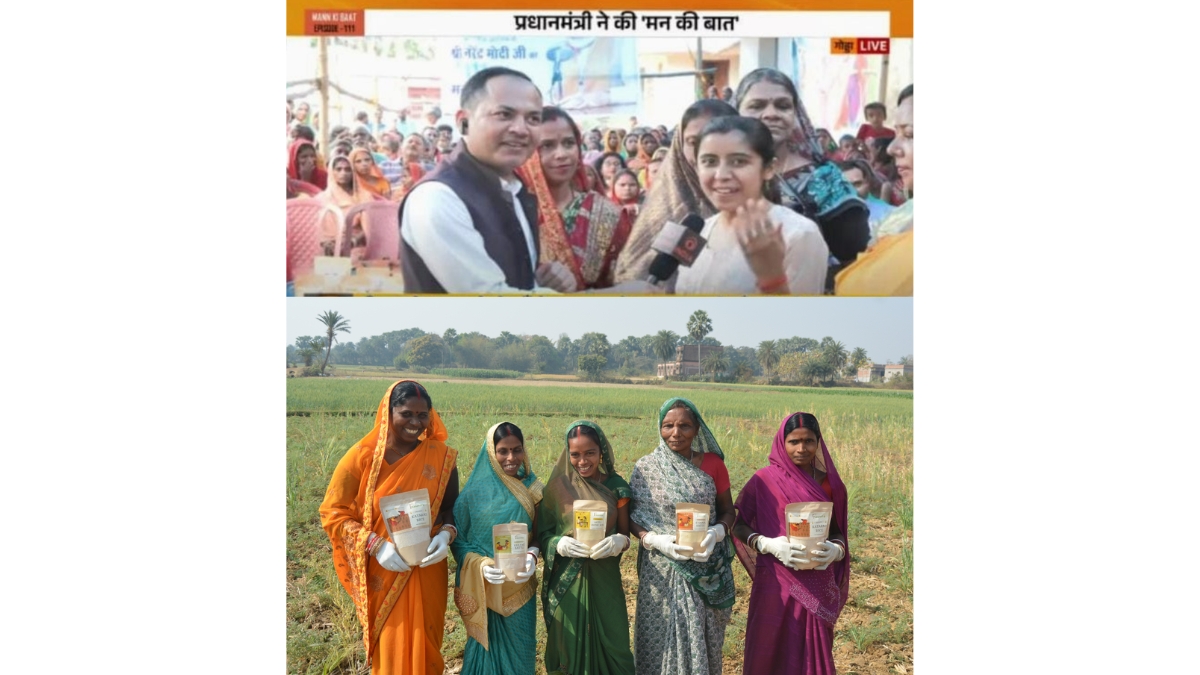
  • PM Narendra Modi Acknowledges Natureship Foods in Mann Ki Baat

    PM Narendra Modi Acknowledges Natureship Foods in Mann Ki Baat

    New Delhi [India], November 6: Bringing authentic, handcrafted & all-natural nutrition from Bihar and Jharkhand — ready in just 20 seconds.

    Natureship Foods has launched its latest innovation — a range of instant Sattu drink mixes that deliver clean, plant-based protein and fibre in every serving. Made with no preservatives and no artificial additives, they’re designed for the fast-paced generation that wants real nutrition without slowing down.

    In a world where quick commerce promises 10-minute deliveries, Natureship Foods is redefining “fast” — proving that speed and authenticity can coexist.

    But behind this simplicity lies a much deeper story — of roots, resilience, and reimagining what “authentic” truly means.

    The women team behind it

    Prerna Mishra, founder of Natureship Foods and alumnus of IIM Ahmedabad, spent over seven years in the corporate world — working with leading brands such as Future Group and Swiggy Instamart. Born in a  Bhagalpur, Bihar, she grew up deeply connected to the soil, the people, and the slow, real rhythm of rural life.

    When she moved to  Mumbai for work, she began to notice two very different Indias — one where people were constantly hustling, searching for authentic, real nutrition in their busy urban lives, and another, in her own villages, where authentic food and traditional culinary wisdom were simply a way of life.

    Prerna says, “I could see these two worlds right in front of me — one searching for authentic nutrition and another holding centuries of culinary wisdom but no opportunity to express it.

    I felt I was standing right at the cusp of that gap, and I knew I had to weave these worlds together.”

    Weaving the two worlds

    That realization gave birth to Natureship Foods — Prerna started by collaborating with rural women artisans and small-scale farmers, and together they revived age-old methods of processing food — stone-grinding, hand-pounding, and hand-roasting — to retain purity, flavour, and nutrition.

    Today, Natureship Foods’ product range brings together the heritage of Bihar and Jharkhand with the convenience modern life demands:

    1. The Heritage Stone-Ground Range – Traditional staples like Chana Sattu, Jau Sattu, Makka Sattu, multi-grain atta, and pulses, made using slow, authentic methods.

    2. The Innovative Drink Mixes – Instant, flavourful Sattu-based protein mixes ready in just 20 seconds. They have launched 55gm sachet for people on the go.

    3. The Revival Collection – Forgotten regional treasures such as Katarni Chawal and Katarni Chura — native grains from Bhagalpur, known for their fragrance and heritage value.

    Each product is handcrafted in small batches, directly sourced from small-scale farmers and prepared by rural women, ensuring a fair and sustainable value chain. Currently they are present on Swiggy Instamart, Big Basket, Amazon and their website –https://natureshipfoods.com/

    Redefining Success and Impact

    In a world governed by KPIs and dashboards, Prerna believes that when you work with communities, patience is your greatest metric. “The goal,” she says, “is to ensure that everybody in the value chain is becoming better off.”

    Quoting from Albert Schiller’s feature The Weaver of Worlds in No Small Talk,

    “Her proof is not found on a dashboard but in the story of Ambika Upadhyay, the workshop manager. A woman with a tenth-grade education who had escaped an abusive marriage, Ambika was fighting immense ‘social stigma’ yet showed up every day, driven by a ‘willingness and her drive to prove herself.’ Today, she manages Amazon orders on a laptop and has become an inspiration.

    ‘She has grown out of that definition that you know she is a lady who has been left by her husband. She now represents possibility. A better life.’

    This presents a sharp challenge to conventional business valuation. What is the quantifiable value of one individual rewriting their narrative and, in doing so, creating a new anchor of possibility for an entire community? This is an impact metric that standard business analytics is unequipped to measure.”

    Stories like Ambika’s define what Natureship Foods stands for — the belief that real success lies in dignity restored, confidence rebuilt, and lives transformed.

    Today, Natureship Foods works with over a hundred rural women across Bihar and Jharkhand — many of whom had never stepped outside their homes before — giving them stable income, agency, and pride in their craft. The transformation is visible not just in their earnings but in their self-belief and the way they see themselves.

    Beyond women, brand partners directly with small-scale farmers, ensuring fair prices and long-term sustainability. The brand helps farmers preserve indigenous varieties like Katarni rice and Chana, ensuring that traditional farming becomes viable again.

    By 2028, Natureship Foods Pvt Ltd aims to empower over 3,000 rural women and hundreds of farmers —  through meaningful participation in a value chain that celebrates their wisdom, their hands, and their heritage.

    Recognition and the Road Ahead

    Natureship Foods’ work has received widespread recognition — currently they are being incubated at NSRCEL, IIM Bangalore, and are a finalist at IIT Bombay’s Eureka!, to being featured in global and national publications including No Small Talk by Albert Schiller and other international media. The brand’s acknowledgment in PM Narendra Modi’s Mann Ki Baat stands as a testament to the social and cultural significance of its mission. Prerna is also a member of Goldman Sachs 10k women, a global initiative supporting women in business.

    But this is only the beginning. Brand is now working on an innovative micro-processing model, where 70% of food will be processed in villages and the remaining 30% near urban dark stores for last-mile fulfilment through quick commerce partnerships. This hybrid model will allow the brand to scale sustainably — keeping authenticity intact while reaching urban customers faster.

    Real. Rooted. Reimagined

    At its heart, Natureship Foods is about reconnecting people with their authentic selves, their land, culture, and people.

    As Prerna puts it,

    “Sattu is just one way we have started doing it. There are multiple ways through which we can help people reconnect with their land, their culture, and their roots. That’s what we have built a brand on — one that is real, rooted, and reimagined.”

    Contact:

    Natureship Foods

    Email: contact@natureshipfoods.com

    Website: www.natureshipfoods.com

    If you object to the content of this press release, please notify us at pr.error.rectification@gmail.com. We will respond and rectify the situation within 24 hours.
  • EcoKranti Revolution starts at Surat under the direction of Gurudev Sri Sri Ravi Shankar Ji

    EcoKranti Revolution starts at Surat under the direction of Gurudev Sri Sri Ravi Shankar Ji

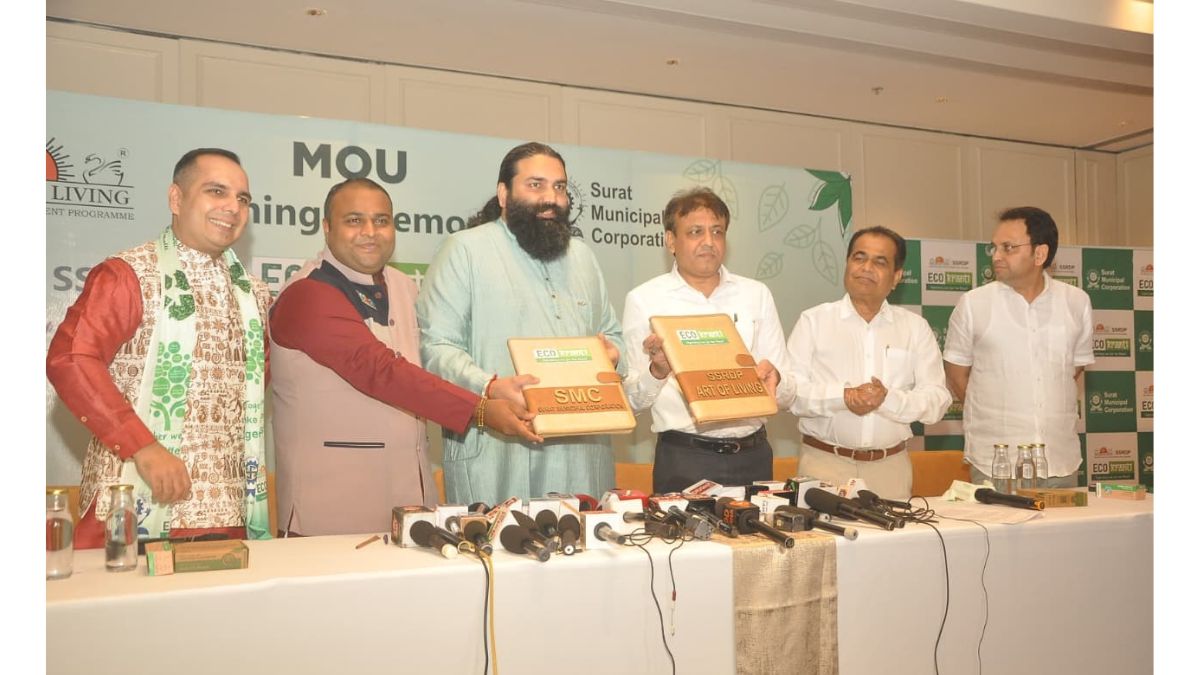
    Surat (Gujarat) [India], November 5: To support the EcoKranti Revolution, The Art of Living, Sri Sri Rural Development Programme & Sustainability (SSRDP), together with the Surat Municipal Corporation (SMC), entered into a Memorandum of Understanding. Together, the trio aim to make Surat, already one of the cleanest cities in India, a green model of their development in the country. The proposed vision is to see innovation, along with a city living in harmony with the environment, gaining popularity as a model of environmentally safe urban development globally.

    As the city shifts towards modernity, the message is simple: development should not come at the expense of nature. The development should also align with environmental conservation, a hallmark of Indian heritage and cultural values.

    The central topic of the mission is the eradication of single-use plastic and promoting environmentally friendly behaviour of citizens. With the help of the SSRDP-SMC partnership, the project enhances sustainable projects, promotes scientific waste recycling, and fosters green innovation, contributing to the transformation of Surat into India’s greenest city.

    The movement aims to unite people towards discouraging the use of single-use plastics, which pose a silent danger to the environment and the health of citizens. During the degradation of plastics, they all dissolve to form microplastics that escape into the air, water, and food. Research indicates that the average human is being exposed to microplastics every week that are the size and weight of a credit card, which also heightens the risk of cancer and autoimmune diseases, as well as fertility dysfunctions and other medical complications. It is a crisis of human health, as it requires collective efforts to abolish single-use plastics and secure a better future.

    To address this issue, the Art of Living design developed a series of environmentally friendly products that biodegrade naturally within nine months, a significantly faster process compared to one-use plastics, which can remain in landfills for over 1000 years. The movement encourages citizens, companies, and industries to invest in and embrace these sustainable alternatives.

    Surat, which initiated the initiative, was backed by Shri Paresh Patel, President of Surat BJP. Directors and Trustees of SSRDP and Prakash Dhoriyani, the representative of Gurudev Sri Sri Ravi Shankar Ji, the Mayor of Surat, Daxesh Mavani, the Chairman of the Standing Committee of the SMC, the District Development Committee of the Art of Living, as well as teacher CA Hari Arora were present at the MoU signing ceremony.

    On the product launch day, EcoKranti products costing over 10 lakh were given out free of charge in over 50 locations throughout Surat, marking the first significant step in transforming Surat into a large-scale green revolution.

    EcoKranti is committed to bringing about change worldwide, resulting in a cleaner, greener, and happier planet for future generations and ensuring that sustainability is the first option, not the last.

    The eco-sustainable EcoKranti products are also available on online stores like Amazon or Blinkit, where everyone can easily access them, ensuring that living organically is not a difficult task to undertake.