Category: National

  • Good Governance Day 2025: Five Bold Digital Reforms Unveiled

    Good Governance Day 2025: Five Bold Digital Reforms Unveiled

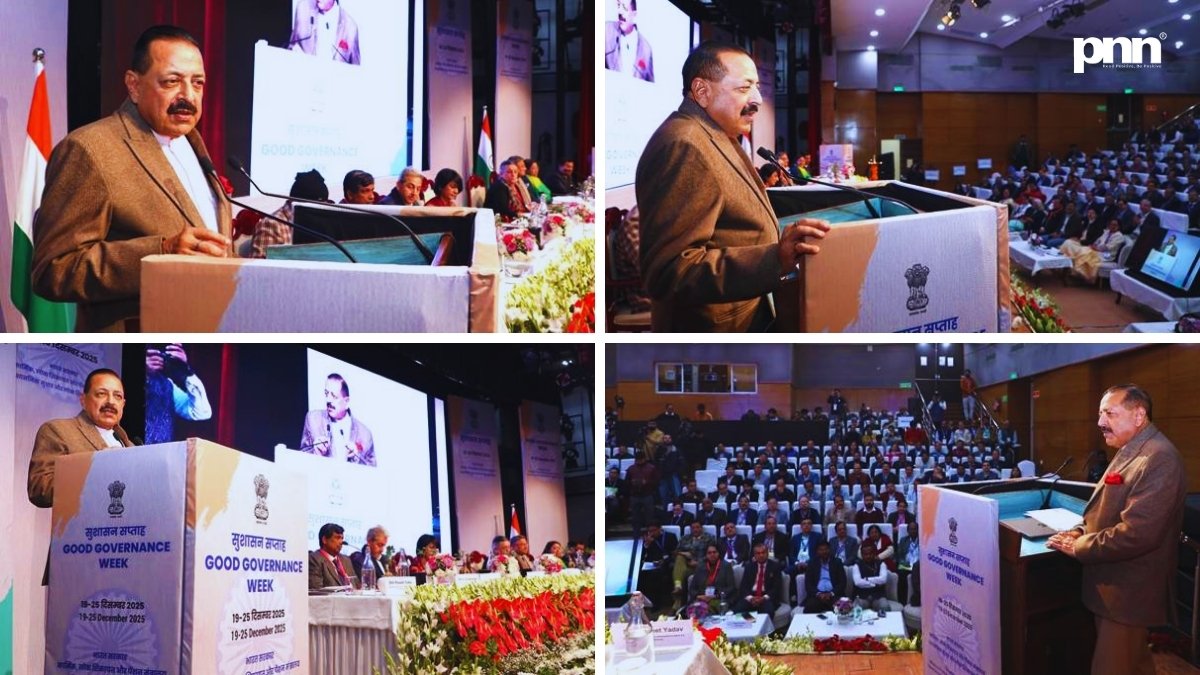
    New Delhi [India], December 25: Good Governance Day 2025 was not about speeches and slogans. It was about shipping real systems. Five of them, to be precise.

    Why Good Governance Day 2025 mattered

    December 25 is not just a date on the calendar. It marks Good Governance Day, observed every year on the birth anniversary of former Prime Minister Atal Bihari Vajpayee. His core belief was simple. Governance must be clean, humane, and effective.

    Speaking in New Delhi at the National Workshop on Good Governance Practices 2025, Union Minister Dr. Jitendra Singh made it clear that this was not a nostalgia event. It was a delivery event.

    Good governance, he said, is not an abstract theory. It is daily administration. Files. Rules. Approvals. Outcomes.

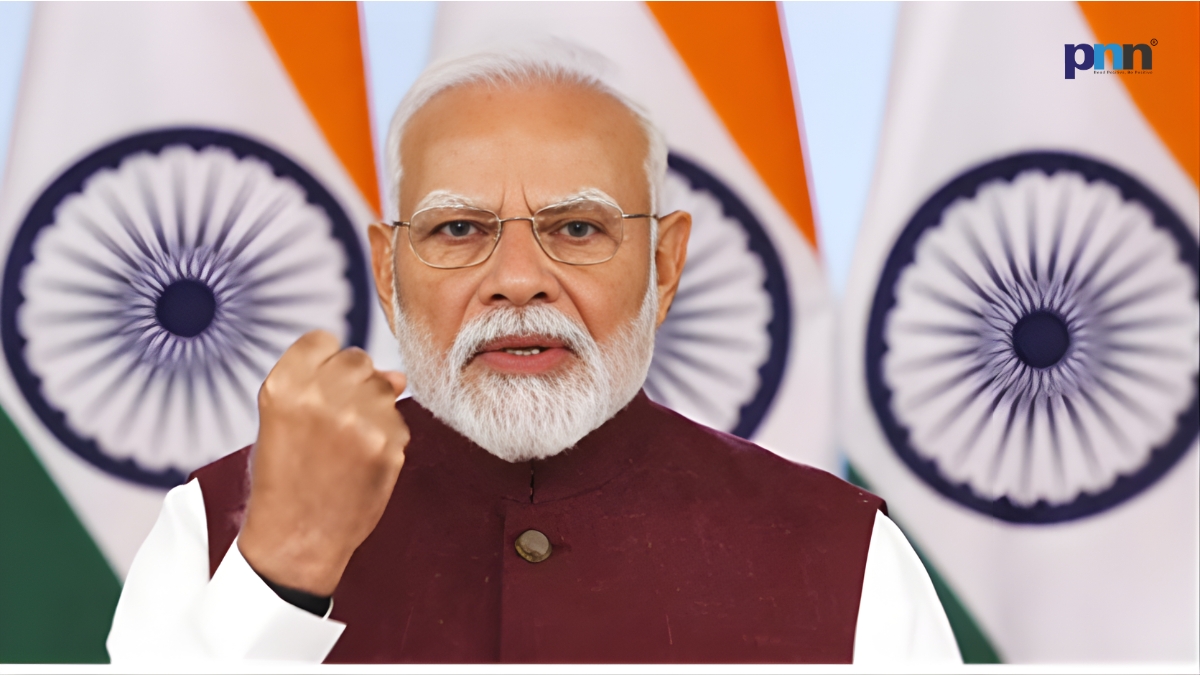
    Under Prime Minister Narendra Modi’s leadership since 2014, the idea of “Minimum Government, Maximum Governance” has moved from slogan to system. Good Governance Day 2025 digital reforms were designed to push that shift further, using technology as leverage rather than decoration.

    Five Good Governance Day 2025 digital reforms that actually matter

    The Department of Personnel and Training rolled out five initiatives. Each targets a pain point that civil servants and citizens know too well.

    No fluff. No pilot projects stuck in limbo.

    Here’s what was launched.

    Ex-Servicemen reservation, finally simplified

    The first reform is a Compendium of Guidelines on Reservation for Ex-Servicemen in Central Government.

    This may sound bureaucratic. It is not.

    Until now, reservation rules for ex-servicemen were scattered across multiple circulars, amendments, and office memoranda. Different ministries interpreted them differently. Errors followed. Delays followed faster.

    The new compendium consolidates all existing instructions into a single, updated reference. Clear language. Uniform interpretation. Fewer excuses.

    Dr. Jitendra Singh framed it plainly. This is about honouring service, not complicating it. When benefits are delayed because rules are unclear, governance has failed. This reform fixes that gap.

    AI enters recruitment rule-making

    The second launch is where things get interesting.

    The AI-powered Recruitment Rules Generator Tool, integrated into the RRFAMS portal, brings artificial intelligence into one of the most delay-prone processes in government.

    Recruitment Rules decide how people are hired, promoted, and progressed. They are foundational. They are also notoriously slow to draft and amend.

    The new tool works through guided questions. It suggests recruitment methods. It auto-generates draft rules in the prescribed format. And it stays aligned with DoPT guidelines by default.

    This is not AI replacing decision-makers. It is AI removing friction. Less time formatting. More time deciding.

    For a system that runs on rules, this is a quiet but serious upgrade.

    e-HRMS 2.0 goes mobile

    The third reform puts governance in your pocket.

    The e-HRMS 2.0 mobile app, now available on Android and iOS, extends the government’s human resource backbone to smartphones.

    Built under Mission Karmayogi, e-HRMS 2.0 integrates service records and HR processes across an employee’s lifecycle. Promotions. Transfers. Deputations. Training. Superannuation.

    It also links with platforms like SPARROW, PFMS, and Bhavishya.

    The result is fewer paper files, faster approvals, and more transparency. Government employees no longer need to chase desks for basic updates. The system speaks for itself.

    This is what citizen-centric governance looks like internally. If the state treats its own people better, service delivery improves by default.

    iGOT Karmayogi gets smarter with AI

    The fourth set of Good Governance Day 2025 digital reforms focuses on capacity building.

    The iGOT Karmayogi platform now comes with multiple AI-enabled features:

    • iGOT AI Sarthi for discovering relevant learning resources
    • iGOT AI Tutor for personalised support during courses
    • iGOT Specialisation Programme offering structured learning paths
    • AI-based Capacity Building Plan Tool for mapping roles, skills, and training needs

    This is not generic e-learning. It is targeted, role-based upskilling.

    For a civil service facing rapid policy, tech, and societal shifts, this matters. Training is no longer optional. It is operational readiness.

    India is betting that better-trained officers lead to better outcomes. That bet is backed by platforms, not platitudes.

    Karmayogi Digital Learning Lab 2.0

    The fifth initiative is about content quality.

    The Karmayogi Digital Learning Lab 2.0 is a next-generation facility designed to produce modern digital learning material. Think AR, VR, gamification, and interactive simulations.

    This is not about flashy tech demos. It is about faster dissemination of best practices and reforms across services.

    Dr. Jitendra Singh said the upgraded lab will strengthen implementation capacity on the ground. Translation: policies only work when people know how to execute them.

    This lab is where that execution muscle gets trained.

    Governance reform, Indian style

    DoPT Secretary Rachna Shah added context that often gets missed.

    During Good Governance Week, the Prashasan Gaon Ki Ore campaign reached over 700 districts. Thousands of camps were organised. Grievances addressed. Services delivered. Best practices documented.

    Since 2021, Special Campaigns have shifted administrative culture from pendency-driven to outcome-oriented. Less backlog. Better space use. Tangible revenue gains.

    This is slow, unglamorous work. It is also how systems change.

    Taken together, the Good Governance Day 2025 digital reforms show a coherent approach. Technology is not being layered on top of broken processes. It is being used to fix them.

    For readers tracking governance reform, this fits into a broader arc. From digital payments to online grievance redressal, India has been quietly building state capacity through platforms.
    Read More

  • Atmanirbhar Bharat: 5 Questions Gen Z Forces India to Answer

    Atmanirbhar Bharat: 5 Questions Gen Z Forces India to Answer

    New Delhi [India], December 25: Atmanirbhar Bharat began as an economic idea. Over time, it became an industrial strategy. Now, it is clearly entering a third phase: a people phase. The question around whether Gen Z can support Atmanirbhar Bharat reflects a shift in the national conversation. Infrastructure can be built. Capital can be arranged. Policies can be written. But execution ultimately rests on people who show up every day and make systems work.

    India’s workforce is young. That is not new. What is new is the scale at which this generation will influence outcomes tied to self-reliance, productivity, and competitiveness. This is no longer abstract. It is operational.

    Why Gen Z Is Central to India’s Self-Reliance Drive

    Gen Z is now entering the workforce in meaningful numbers. This generation will staff factories, write code, manage logistics, and run small businesses that sit at the heart of Atmanirbhar Bharat. That reality explains why the debate exists at all. Atmanirbhar Bharat is not a short-term campaign. It is a long-term economic direction. Any long-term direction inevitably rests on those who will spend the most time inside it. Gen Z is that cohort. The question is not about intent. It is about readiness.

    Skills Are Where the Conversation Gets Serious

    If Atmanirbhar Bharat has a pressure point, it is skills.

    Self-reliance demands:

    • Technical competence

    • Consistent productivity

    • Willingness to learn and adapt

    Gen Z enters the workforce with strengths, including digital comfort, exposure to global ideas, and speed. But Atmanirbhar Bharat often requires something less glamorous and more demanding: process discipline, manufacturing patience, and incremental improvement.

    This is where initiatives under Skill India become critical. Workforce readiness and training remain central to making Atmanirbhar Bharat work on the ground.

    The policy debate is clear on one point. Skills are central, and without them, self-reliance becomes rhetoric.

    Atmanirbhar Bharat Is Not a Startup Pitch

    One misunderstanding that often surfaces is the idea that Atmanirbhar Bharat is powered only by innovation or entrepreneurship. Innovation matters. So does ambition. But self-reliance is sustained by routine excellence. Factories running on time. Supply chains working without drama. Infrastructure maintained without crisis.

    Gen Z will inherit these systems. The question is whether expectations align with reality. This is not criticism. It is context. Every generation reshapes how work looks. But economic systems still demand reliability before reinvention.

    Work Culture Meets National Ambition

    One reason the Gen Z question draws attention is work culture. Atmanirbhar Bharat demands scale. Scale demands endurance. The conversation around Gen Z often focuses on flexibility, purpose, and balance. These priorities are valid. They are also being negotiated in real time across industries. The point is not whether Gen Z is right or wrong. The point is alignment. For Atmanirbhar Bharat to function, personal aspirations and national goals must intersect often enough to keep systems running smoothly. That intersection is still being defined.

    What the Policy Question Is Really Asking

    When observers ask whether Atmanirbhar Bharat can depend on Gen Z, they are not questioning commitment. They are questioning capacity.

    Capacity comes from:

    • Education systems that match industry needs

    • Training that translates into productivity

    • Institutions that absorb young talent effectively

    This is less about motivation and more about structure.

    If the ecosystem works, generations adapt. If it does not, slogans struggle.

    India’s Advantage and Its Responsibility

    India’s demographic profile remains an advantage. But advantages are only useful if they are developed. Atmanirbhar Bharat has always acknowledged this through its emphasis on skill development, manufacturing capacity, and domestic capability building. Gen Z is entering an economy that is asking more from itself than before: more output, more consistency, and more resilience. That is not a burden. It is a responsibility.

    Atmanirbhar Bharat Is a Long Game

    Self-reliance does not mature in election cycles. It matures across decades. The Gen Z question reflects awareness, not anxiety. It shows that the conversation around Atmanirbhar Bharat has moved beyond announcements and into execution. That shift is healthy. No generation builds an economy alone. But every generation leaves its imprint. Gen Z will leave theirs.

    Atmanirbhar Bharat overview:
    https://www.india.gov.in/atmanirbhar-bharat

    Ministry of Skill Development and Entrepreneurship:
    https://www.msde.gov.in

    PNN News

  • Kimberley Process: India Clinches High-Impact Chairmanship in 2026

    Kimberley Process: India Clinches High-Impact Chairmanship in 2026

    Surat (Gujarat) [India], December 25: India just secured a seat that matters. From January 1, 2026, New Delhi will chair the Kimberley Process, the world’s primary shield against conflict diamonds.

    India Kimberley Process Chairpersonship is not ceremonial. It is operational power in a sector that touches geopolitics, ethics, and billions in global trade.

    The Kimberley Process Plenary has formally selected India to assume the chairpersonship from January 1, 2026. The decision places India at the centre of a tripartite global initiative involving governments, the international diamond industry, and civil society. One mandate. One focus. Stop conflict diamonds from entering legitimate supply chains.

    India will step into the Vice Chair role on December 25, 2025, before taking over fully in the new year. This marks the third time India has been trusted with steering the Kimberley Process. Repetition here is not routine. It signals reliability.

    What the Kimberley Process Actually Does

    The Kimberley Process was born out of necessity. Conflict diamonds, also called blood diamonds, were funding rebel groups and destabilising legitimate governments. The United Nations stepped in. The Kimberley Process Certification Scheme followed.

    Operational since January 1, 2003, the KPCS requires participating countries to certify rough diamond shipments as conflict-free. No certificate, no trade. Simple in theory. Brutal in execution.

    Today, the Kimberley Process has 60+ participants. The European Union and its member states count as one. Together, these participants account for more than 99 percent of the global rough diamond trade. That makes the KP the most comprehensive international governance framework in the diamond sector. Nothing else comes close.

    Why India’s Role Is Strategic, Not Symbolic

    India is not a casual observer in the diamond business. It is a global hub for diamond cutting, polishing, manufacturing, and trade. Surat alone processes a majority of the world’s diamonds. The numbers are staggering. The influence is undeniable.

    India Kimberley Process Chairpersonship arrives at a moment when global supply chains are under scrutiny. Consumers want proof, not promises. Governments want traceability. Industry wants credibility.

    That is where India steps in.

    Commerce and Industry Minister Piyush Goyal welcomed the decision, calling it a reflection of global trust in the Modi government’s commitment to integrity and transparency in international trade. That line is not fluff. It aligns with India’s broader positioning as a rule-based trade partner in a fragmented geopolitical environment.

    Third Time’s the Signal

    This is India’s third tenure as chair of the Kimberley Process. That matters. Multilateral institutions do not recycle leadership roles unless there is confidence in delivery.

    India’s earlier engagements helped stabilise compliance discussions and bridge gaps between producer nations, trading hubs, and civil society observers. The KP is not always harmonious. Disagreements over definitions, enforcement, and reform are frequent. Chairing requires patience, leverage, and credibility. India brings all three.

    What India Plans to Push as Chair

    India has outlined clear priorities for its tenure. No vague slogans. Concrete focus areas.

    First, governance and compliance. The Kimberley Process only works if rules are enforced evenly. India plans to strengthen peer review mechanisms and reinforce rule-based compliance across participants.

    Second, digital certification and traceability. Paper certificates belong to the past. India will push for digital systems that improve efficiency, reduce fraud, and allow real-time verification across borders.

    Third, data-driven monitoring. Transparency improves when data is accessible, comparable, and actionable. India wants to enhance reporting standards and analytical tools to track diamond flows more accurately.

    Fourth, consumer trust. End buyers increasingly care about where their diamonds come from. Conflict-free is no longer optional. India aims to align KP processes with evolving consumer expectations without diluting core standards.

    All of this feeds into one objective. Make the Kimberley Process more credible, more inclusive, and more effective.

    India’s Vice Chair Role Sets the Stage

    India will not wait until 2026 to act. As Vice Chair from December 25, 2025, it will work closely with current leadership, participants, and observers to ensure continuity.

    This transition period matters. It allows India to shape agendas, build consensus, and prepare reforms before formally taking the gavel. Quiet groundwork now prevents public friction later.

    India has also committed to engaging civil society more actively. That matters because criticism of the Kimberley Process often comes from watchdog groups questioning enforcement gaps. Engagement beats dismissal. India seems to understand that.

    Why This Matters Beyond Diamonds

    India Takes the Helm of the Kimberley Process in 2026 - PNN

    India’s Kimberley Process Chairpersonship is also a diplomatic signal. It reinforces India’s growing role in global governance frameworks beyond security and climate.

    Trade ethics, supply chain transparency, and responsible sourcing are becoming strategic issues. Chairing the KP positions India as a norm-shaper, not just a rule-follower.

    It also strengthens India’s voice in discussions around sustainable mining, labour practices, and cross-border compliance. These conversations increasingly intersect with ESG frameworks and trade agreements.

    For readers tracking India’s broader trade diplomacy, this appointment fits a pattern. India is no longer content sitting in the audience. It wants the microphone.

    Read More

  • PM-SETU Scheme: 5 Bold Reasons Industry Must Step In

    PM-SETU Scheme: 5 Bold Reasons Industry Must Step In

    New Delhi [India], December 25: PM-SETU. The Ministry of Skill Development and Entrepreneurship is asking industry leaders to step up and get involved. It signals a real shift in how India wants its skill and entrepreneurship programmes to work, with businesses no longer on the sidelines but part of the action.

    The message is simple and long overdue: skills don’t work in isolation, and industry has to be part of the process.

    This invitation places industry not as a sponsor or observer, but as a co-creator in shaping skills, training pathways, and entrepreneurial readiness under the PM-SETU Scheme.

    What the Ministry Is Asking Industry to Do

    The ministry’s outreach under the PM-SETU Scheme focuses on participation, alignment, and outcomes.

    Industry leaders are being encouraged to:

    • Engage with skill and entrepreneurship initiatives linked to PM-SETU

    • Support training, mentoring, and capacity-building efforts

    • Align skill development with real business and market needs

    This is not about ceremonial MoUs or logo-heavy conferences. The emphasis is on practical involvement, where industry experience feeds directly into training frameworks and entrepreneurship support systems.

    The ministry’s approach reflects a growing recognition that skill gaps are not theoretical problems. They show up on factory floors, startup balance sheets, and hiring dashboards every day.

    Why Industry Participation Is the Missing Piece

    India has no shortage of skill programmes. What it has struggled with is relevance at scale.

    The PM-SETU Scheme aims to correct that by bringing industry into the design process rather than looping it in at the end. That matters.

    When industry participates:

    • Skills training becomes demand-led, not syllabus-led

    • Entrepreneurship support reflects market realities

    • Employability improves because expectations are aligned

    This is where the PM-SETU Scheme draws its strength. It recognises that entrepreneurship is not born in policy silos. It is shaped by supply chains, customers, capital, and execution pressure.

    And yes, deadlines. Lots of them.

    PM-SETU Scheme and India’s Entrepreneurship Push

    Entrepreneurship in India isn’t just about unicorns and venture capital headlines anymore. The real action is with micro-entrepreneurs, small businesses, and first-time founders trying to survive and grow in crowded markets where margins are tight and mistakes are costly.

    The PM-SETU Scheme sits squarely in this space.

    By inviting industry leaders to participate, the ministry is reinforcing a simple truth: entrepreneurs don’t just need funding or training. They need ecosystems that understand business reality.

    Industry participation can bring:

    • Exposure to real-world business processes

    • Mentorship rooted in experience, not theory

    • Practical insights into scaling, compliance, and competition

    For India’s aspiring entrepreneurs, that combination is often more valuable than capital alone.

    Skills as Economic Infrastructure

    In India, skills are no longer a social sector issue. They are economic infrastructure.

    As India pushes manufacturing, services, and digital entrepreneurship all at once, the pressure on having a job-ready workforce is intense. The PM-SETU Scheme fits into this bigger national effort to ensure growth is backed by fundamental skills, not just big ambitions.

    The Ministry of Skill Development and Entrepreneurship has long made it clear that skills sit at the heart of this push, supporting:

    • Employment generation

    • MSME growth

    • Startup sustainability

    By inviting industry leaders into the PM-SETU Scheme, the ministry is aligning skill development with India’s evolving economic priorities.

    This is less about training for certificates and more about training for outcomes.

    What This Means for MSMEs and Emerging Entrepreneurs

    For MSMEs and small entrepreneurs, industry participation under the PM-SETU Scheme can translate into something rare:

    Access to:

    • Market-aligned skills

    • Mentorship from experienced operators

    • Networks that reduce isolation

    Most small entrepreneurs fail not for lack of effort but for lack of insight. Industry engagement can shorten learning curves that would otherwise take years and costly mistakes.

    That is where PM-SETU’s design becomes relevant. It aims to build bridges, not just programmes.

    Skill Development Moves From Policy to Practice

    The PM-SETU Scheme reflects a broader shift in how India approaches skill development.

    The tone has changed.
    The expectations have changed.
    And increasingly, the accountability is shared.

    • The government sets the framework.

    • Industry shapes relevance

    • Entrepreneurs and trainees apply it on the ground

    This triangle is where effective skill ecosystems are built. The ministry’s invitation signals a clear recognition that without industry inside the loop, even well-intended schemes struggle to deliver lasting impact.

    What Comes Next for the PM-SETU Scheme

    The real test of the PM-SETU Scheme will not be announcements. It will be executed.

    Industry participation needs to move beyond advisory roles into:

    • Curriculum inputs

    • On-ground engagement

    • Long-term commitment

    If that happens, PM-SETU could become more than just another skill initiative. It could evolve into a platform where policy intent meets market intelligence.

    That is when schemes stop being headlines and start becoming systems.

    https://www.msde.gov.in/ — Ministry of Skill Development and Entrepreneurship

    https://ibef.org/government-schemes/skill-india — overview of Skill India initiatives and how they tie to national skills and entrepreneurship goals.

    PNN News

  • FTAs and MRAs Set to Supercharge Indian Professional Services in 2026

    FTAs and MRAs Set to Supercharge Indian Professional Services in 2026

    New Delhi [India], December 24: Bharat wants its Indian Professional Services everywhere. And this time, the push comes with legally binding trade commitments, sharper skills, and fewer regulatory excuses.

    India’s ambition to dominate global services trade took a decisive step forward this week. At a Chintan Shivir in New Delhi, the Commerce Ministry made one thing clear: Indian professional services exports can no longer rely on goodwill and informal access. They need enforceable market entry, modern skills, and regulatory readiness.

    The message was blunt. The opportunity is massive. The window is open. But only if India moves faster.

    Why Indian Professional Services Matter More Than Ever

    Professional services are no longer a side hustle for India’s economy. They are a growth engine.

    Commerce Secretary Rajesh Agrawal underlined that services trade delivers far higher domestic value addition than traditional merchandise exports. In simple terms, more money stays in India. More skills compound. More jobs travel up the value chain.

    With a young workforce and rising global demand for accountants, nurses, architects, and digitally enabled professionals, India holds a natural edge. Demography alone, however, won’t win contracts abroad. Capability will.

    And that’s where reform enters the room.

    FTAs: From Paper Promises to Binding Market Access

    Free Trade Agreements have often sounded impressive but delivered uneven results for services. The Commerce Ministry now wants a reset.

    Agrawal stressed the need for legally binding commitments on professional services under FTAs. Not vague cooperation clauses. Not polite intentions. Real obligations that unlock foreign markets for Indian professionals.

    This matters because professional services face non-tariff barriers everywhere. Licensing rules. Qualification recognition. Local residency norms. Without enforceable FTA provisions, Indian professionals remain stuck at the door.

    The Chintan Shivir dedicated an entire session to leveraging FTAs for boosting professional services exports. The focus was clear: mobility provisions, transparent qualification procedures, and future-proof rules for digitally delivered services.

    And yes, India is also being asked to open up. Officials acknowledged that allowing greater participation of foreign professionals in India could create win-win outcomes. Reciprocity works both ways.

    Mutual Recognition Agreements: The Missing Multiplier

    If FTAs open doors, Mutual Recognition Agreements decide who gets through.

    Discussions on MRAs were refreshingly practical. Participants flagged the real issues: slow negotiations, uneven usage of signed MRAs, and lack of metrics to measure success.

    The solution? Make India’s regulatory frameworks more recognition-ready.

    That means aligning domestic qualification standards with global norms, simplifying procedures, and setting clear outcome benchmarks. How many professionals actually benefit from an MRA? How fast do approvals move? If nobody can answer that, the agreement is just paperwork.

    MRAs were also linked to India’s future strategy around Global Capability Centres and digitally delivered services. As services scale without physical borders, recognition frameworks must keep up.

    Making Indian Professionals Globally Ready

    Market access is useless without market readiness.

    Agrawal emphasised adopting global best practices and upgrading skills in line with technology and AI-driven change. The tone wasn’t academic. It was urgent.

    Professional bodies were urged to rethink training models, revise outdated rules, and invest in continuous upskilling. International conferences, cross-border collaboration, and exposure to global standards were positioned as necessities, not luxuries.

    India’s demographic dividend, officials noted, can only convert into export earnings if professionals are trained for what the world actually needs today. And tomorrow.

    The ICAI Playbook: A Template Others Should Steal

    One standout example kept coming up. The Institute of Chartered Accountants of India.

    The ICAI playbook earned praise for building both hard and soft infrastructure geared for global markets. International chapters. A dedicated international directorate. Certification courses focused on technology and AI.

    It works because it’s market-driven, not ceremonial.

    Other professional bodies were encouraged to adapt this model to their own sectors. Not copy-paste. Adapt. Different professions, different realities. Same global ambition.

    Nursing, Architecture, and Beyond

    The Indian Nursing Council’s efforts drew particular appreciation.

    Indian nurses face some of the toughest regulatory barriers abroad, especially in advanced economies. Despite that, initiatives like high-fidelity simulation labs, centres of excellence, and language training are expanding international access.

    These aren’t cosmetic upgrades. They address exactly what foreign regulators demand.

    Similarly, perspectives from the Council of Architecture highlighted the need for alignment with international norms while preserving professional integrity at home.

    The takeaway was consistent. Global mobility doesn’t happen by accident. It’s engineered.

    Building Networks That Actually Work

    Another session focused on forming and expanding professional chapters abroad. Not as social clubs, but as strategic nodes.

    Indian missions overseas were identified as valuable connectors. Professional bodies were encouraged to intensify engagement with foreign counterparts and regulators, using diplomatic channels where possible.

    In global services, relationships matter almost as much as credentials.

    Digital Delivery, Data, and the Next Frontier

    Future-proofing professional services means thinking beyond physical movement.

    Discussions covered digitally delivered services, data privacy, and protection frameworks. As Indian professionals increasingly serve clients remotely, regulatory clarity becomes critical.

    The conversation also touched on foreign universities setting up campuses in India. This presents both competition and collaboration opportunities. Exposure to global education standards could raise the bar across professions, if managed smartly.

    What Happens Next

    This wasn’t a talk shop. The Commerce Ministry confirmed that action points from the Chintan Shivir will be taken forward with stakeholders.

    The objective is straightforward. Give Indian professional services exports the regulatory muscle, skill depth, and global access they need to scale.

    No drama. No hype. Just execution.

    Read More

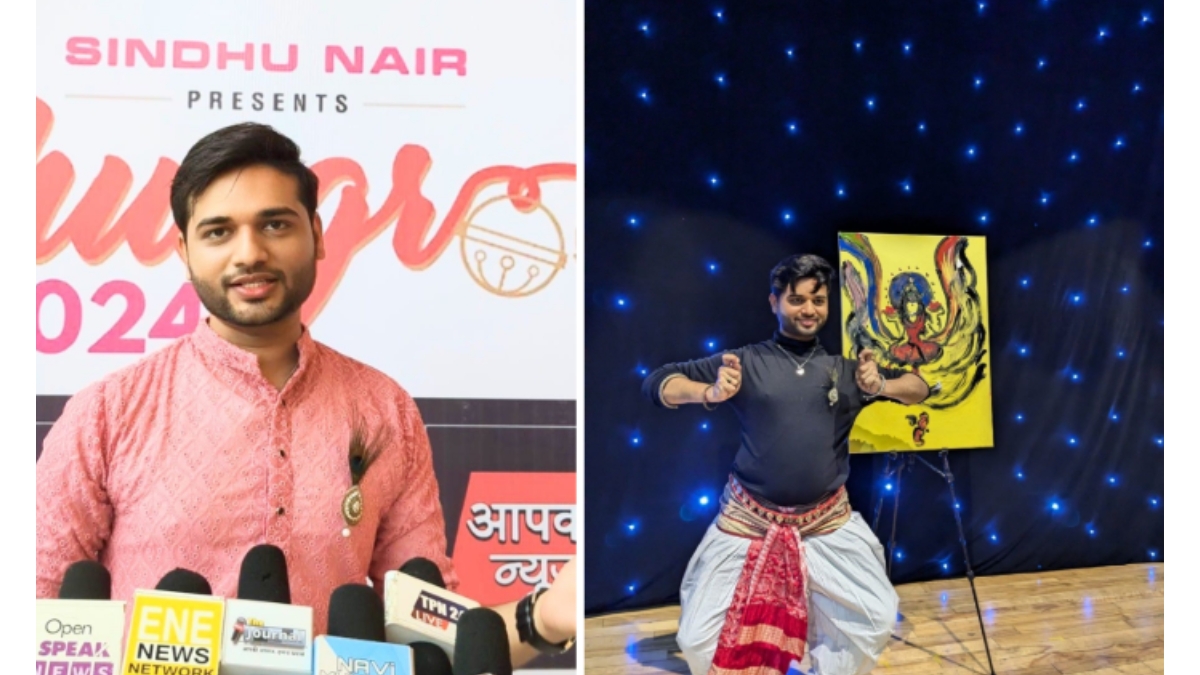
  • Debabrata Pal: Weaving Dance, Painting, and Innovation Through Nirtyachitram

    Debabrata Pal: Weaving Dance, Painting, and Innovation Through Nirtyachitram

    New Delhi [India], December 22: In an era where art increasingly dissolves the boundaries between disciplines, Debabrata Pal stands out as a singular voice redefining contemporary Indian art. A visual storyteller, classical dancer, handloom designer, and CMF (Color, Material, Finish) practitioner, Pal has developed a rare and compelling artistic language where movement, rhythm, and visual form converge. At the heart of this practice lies Nirtyachitram—a pioneering technique of painting through dance using the foot.

    The Art of Nirtyachitram

    Nirtyachitram—derived from the Sanskrit roots Nritya (dance) and Chitram (painting)—is a performative process in which Debabrata Pal paints live on canvas using his feet while executing choreographed movements. Unlike conventional action painting, this method is deeply grounded in Indian classical dance philosophy. Each stroke emerges from controlled footwork, rhythm cycles (tala), and embodied expressions (abhinaya), transforming the canvas into a visual archive of movement.

    The act is both physically demanding and conceptually rigorous. The foot, traditionally revered in Indian dance as a sacred instrument of expression, becomes Pal’s primary painting tool. The resulting artworks capture rhythm, balance, pauses, and transitions—making the final composition not merely an image, but a frozen performance.

    Contribution to Contemporary and Classical Arts

    Debabrata Pal’s work occupies a rare intersection of tradition and innovation. By integrating classical dance vocabularies with contemporary visual art, he has expanded the possibilities of performative painting in India and abroad. His practice also contributes significantly to discourse around embodied knowledge, where the body itself becomes a medium, a tool, and an archive.

    Beyond performance, Pal is deeply invested in reviving and recontextualizing India’s handloom heritage. Drawing inspiration from Odisha’s textile traditions and his mother’s influence as a handloom enthusiast, he incorporates indigenous motifs, material sensibilities, and color narratives into both his artworks and design research. His work has been showcased at major cultural festivals, heritage venues, and international platforms, positioning Indian traditional knowledge systems within global contemporary conversations.

    Academic and Research Pursuits

    Parallel to his artistic practice, Debabrata Pal has pursued rigorous academic training in design and material research. He has completed his postgraduate degree in Product Design from Glasgow School of Art and University of Glasgow. His research focuses on the Deaf & Blind and explores how art can be accessible.

    This academic grounding informs his artistic work, lending it structural clarity, material intelligence, and a future-facing perspective. Whether designing inclusive musical instruments or experimenting with responsive materials, Pal consistently bridges art, science, and social impact.

    Recognition and National Impact

    Debabrata Pal’s contributions have earned wide recognition across cultural, academic, and governmental spheres. He has received multiple national and international honors, including prestigious awards acknowledging his innovation in classical arts and interdisciplinary practice. His work has been formally appreciated by senior national leaders and cultural institutions, underscoring the significance of his contributions to India’s artistic legacy.

    He has also represented Indian art on global stages, performing and exhibiting internationally while collaborating with renowned musicians, dancers, and artists. Through these engagements, Pal continues to position Indian classical knowledge not as static heritage, but as a living, evolving, and globally relevant practice.

    A Living Synthesis of Movement and Material

    At its core, Debabrata Pal’s journey is one of synthesis—between body and canvas, tradition and technology, intuition and research.

    Nirtyachitram is not merely a technique; it is a philosophy that asserts movement as memory and art as lived experience. As he continues to innovate across disciplines, Pal remains a powerful example of how contemporary Indian artists can honor tradition while shaping the future of global art and design.

    If you have any objection to this press release content, kindly contact pr.error.rectification@gmail.com to notify us. We will respond and rectify the situation in the next 24 hours.

  • India Must Reinvest in Its Civilisational Values to Achieve Prosperity: Industrialist H M Bangur at the World Hindu Economic Forum 2025

    India Must Reinvest in Its Civilisational Values to Achieve Prosperity: Industrialist H M Bangur at the World Hindu Economic Forum 2025

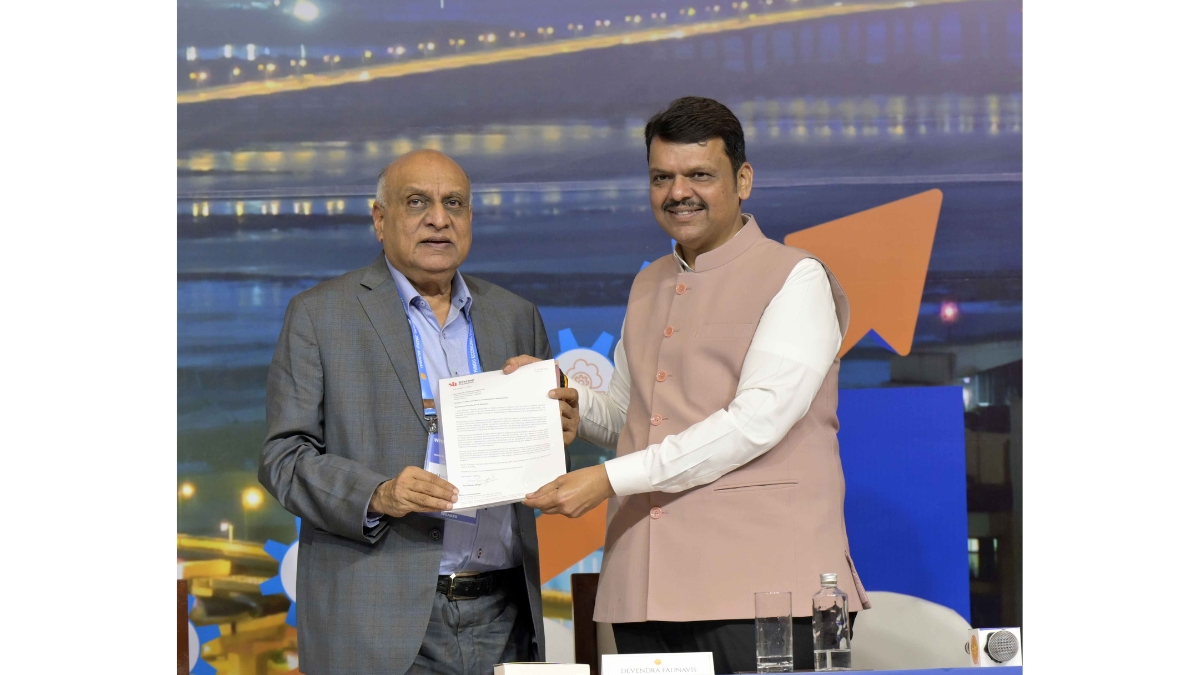
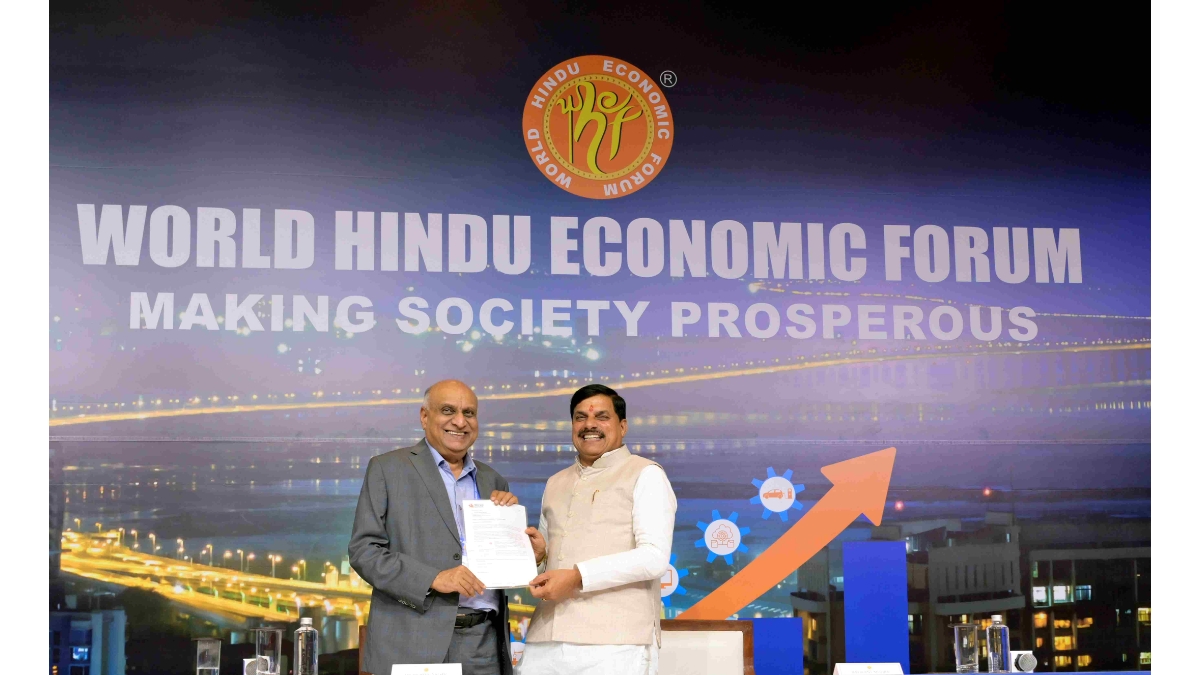
    H M Bangur, Chairman, Shree Cement, handing over LoI to invest Rs 2000 cr to Chief Minister, Devendra Fadnavis, at the World Hindu Economic Forum 2025 in Mumbai

    Mumbai (Maharashtra) [India], December 22: The World Hindu Economic Forum (WHEF) 2025, a two-day conference themed “Innovation, Self Reliance and Prosperity”, was formally inaugurated in Mumbai on Friday by the Chief Minister of Maharashtra, Shri Devendra Fadnavis. The inaugural session was attended by the Chief Minister of Madhya Pradesh, Shri Mohan Yadav, Swami Vigyananand, Founder of WHEF, Shri Rajesh Sharma, Chairman of the WHEF Organising Committee, and leading industrialists including Shri Hari Mohan Bangur, Chairman, Shree Cement Ltd, and Shri Sajjan Jindal, Chairman, JSW Group, along with policymakers, startup founders, business leaders and investors.

    A key highlight of the opening day was the address by Shri Hari Mohan Bangur, who emphasised India’s inherent strengths in talent, resources and technology, asserting that the country does not need to look outside for leadership or inspiration. On the occasion, Shri Bangur also handed over a letter of intent to invest ₹2,000 crore in Maharashtra to Chief Minister Shri Devendra Fadnavis.

    Highlighting the ethical foundation of Indian economic thought, Shri Bangur stated that ‘dharma guides artha’ in Indian culture and that profit must always be accompanied by responsibility. “We must get out of the Macaulayan education system and reinvest in our old values. For centuries India alone accounted for nearly 30 per cent of the world economy. But something negative happened with the coming of Europeans who successfully looted the country. A Hindu Economic Forum was necessary and it has been created and is working fine. The Forum may take a year or 10 years, but it will surely be successful,” he said.

    Speaking on innovation, Shri Bangur shared Shree Cement’s experience of technological advancement in energy efficiency. “Power plants in India usually shuts down below 60 per cent capacity utilisation. Our engineers made some innovative changes and brought down the capacity utilisation threshold and we could run our power plants at 30 per cent capacity. This reduced lot of coal from unnecessary burning. The energy ministry noticed this innovation and came to inquire from our engineers how we did it.”

    Calling for a mindset shift, he added, “We should unshackle ourselves and bring innovation in our thinking and in our education.”

    Chief Minister of Maharashtra, Shri Devendra Fadnavis, described the World Hindu Economic Forum as a vital platform for collaboration and dialogue. “World Hindu Economic Forum is a great medium to forge connections. We believe there is an underlying Hindu philosophy at the core of our economic system. If we understand this philosophy we will stand up as a very prosperous nation, create a harmonious society and effectively contribute to the world vision that we have,” he said.

    India Must Reinvest in Its Civilisational Values to Achieve Prosperity: Industrialist H M Bangur at the World Hindu Economic Forum 2025 - PNN

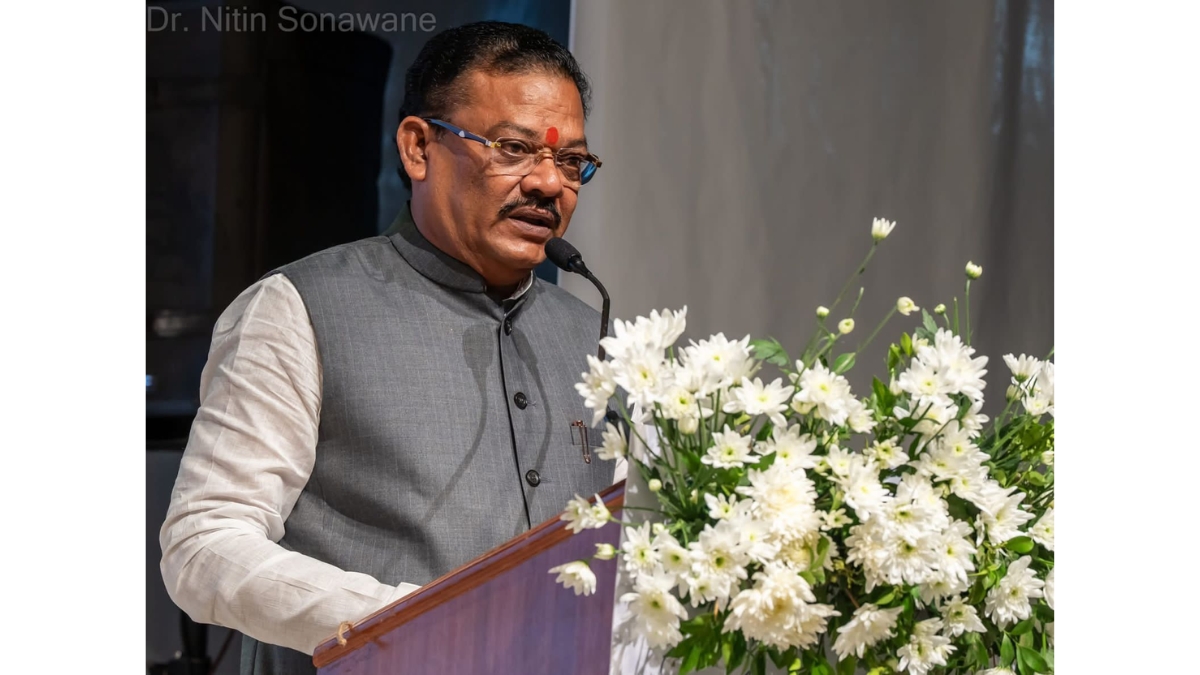
    [Industrialist Hari Mohan Bangur, Chairman, Shree Cement, handing LoI to invest Rs 1000 to 1500 cr in MP to CM, Mohan Yadav, at the World Hindu Economic Forum 2025]

    Speaking on the sidelines of the conference, Chief Minister of Madhya Pradesh, Shri Mohan Yadav, highlighted India’s growing global stature and the role of states in driving economic growth. “India, under Prime Minister Narendra Modi, has created its own space and identity in the global affairs. As our country moves towards becoming the third largest economy in the world, every state has an important role to play. When we talk of innovation and rapid economic growth, Madhya Pradesh is one of the frontal states in the country having garnered 8.5 lac crores of investment. Madhya Pradesh is moving ahead in the mining sector, energy, tourism, religious tourism and others,” he said.

    If you object to the content of this press release, please notify us at pr.error.rectification@gmail.com. We will respond and rectify the situation within 24 hours.

  • Maharashtra Minister of Social Justice Glitters the 10th Bhimaanjali with a Galaxy of Classical Music Maestros in Homage to Bharatratna Dr. Babasaheb Ambedkar

    Maharashtra Minister of Social Justice Glitters the 10th Bhimaanjali with a Galaxy of Classical Music Maestros in Homage to Bharatratna Dr. Babasaheb Ambedkar

    New Delhi [India], December 20: The 10th Bhimaanjali, the annual pre-dawn convocation of Indian classical music held in reverent homage to Bharatratna Dr. B.R. Ambedkar, reached a luminous milestone on December 6, 2025, at Ravindra Natya Mandir. Presided over by Maharashtra’s Minister of Social Justice, Sanjay Shirsath, the decade edition reaffirmed the festival’s standing as a contemplative forum where melody and rhythm illuminate Dr. Ambedkar’s enduring ideals of equality, dignity and social upliftment.

    The programme opened at 6:00 AM, drawing an attentive assembly of music lovers, scholars and devotees. Organized by the Rashtranirmata Dr. Babasaheb Ambedkar Vicharak Samiti, Bhimaanjali 2025 presented an exceptional constellation of artists whose performances wove a tapestry of introspective ālāps, rhythmic dialogue and unadorned classical purity; true to the festival’s defining pre-dawn spirit.

    A highlight of the morning was Ustad Shujaat Husain Khan, the seventh-generation maestro of the Imdadkhani (Etawah) gharana. His sitar recital—steeped in the gayaki ang with voice-like ālāps and delicate improvisation—moved the audience into a meditative realm. Seamlessly integrating vocal renditions of verses by Kabir, Amir Khusro and Krishna Bihari Noor, Ustad Shujaat evoked themes of unity, devotion and social justice that resonated powerfully with Ambedkar’s vision.

    Complementing him were distinguished exponents from varied traditions: Pandit Rupak Kulkarni , whose rare  mastery of ban lyrical phrasing and soulful timbral contrast; Pandit Atul Kumar Upadhye, founder of the Upadhye Violin Academy, who expanded the rāga canvas by blending Indian and Western violin techniques with pioneering right‑hand methods and dual tuning; and Carnatic stalwart Pandit Sridar Parthasarathy, whose vocal and mridangam prowess introduced sophisticated rhythmic interplay across classical idioms. Veteran tabla guru Pandit Mukesh Jadhav provided sensitive accompaniment and compelling solo passages, shaping the rhythmic architecture that underpinned each exploration.

    Bhimaanjali’s decade-long journey has welcomed an array of luminaries—Pandit Hariprasad Chaurasia, Dilshad Khan, Ustad Shahid Parvez, Pandit Vishwa Mohan Bhatt, Pandit Ronu Majumdar, Rakesh Chaurasia , Sabir Khan, Ustad Sultan Khan, Abhay Sopori, Dr. N. Rajam, Pandit Nayan Ghosh, Dr. Sangita Shankar and many others—each contributing distinct musical tributes to Dr. Ambedkar’s legacy.

    The gathering was also marked by the presence of prominent officials and cultural figures, including Harshdeep Kamble (Principal Secretary, Social Justice), Nikhil Meshram (GST Commissioner), Pravin Darade (Principal Secretary), Pallavi Darade (Principal Commissioner, Income Tax), Vijay Waghmare (Secretary), IFS Rajesh Gawande (FDI Secretary), Raju Kamble, Sameer Wankhede (IRS), Pandurang Raut (IRS), Anil Ramteke (Indian Railway Service), Sandeep Dongre, Vikram Gaikwad, Shailesh Tamghadge, Padmashree Sudhakar Olwe, Prerna Deshbhratar (Commissioner GST), Anita Meshram (IAS, CEO Akola), trade analyst Girish Wankhede and others—an attendance that underscored the event’s resonance with Ambedkarite values of inclusivity and social justice.

    In his address, Minister Sanjay Shirsath lauded the event’s refinement and its deep affinity with Dr. Ambedkar’s ideals. “This morning session is very classy, and it is a certain class who can understand classical music,” he said. “I attribute this enriching experience to the builder of our nation, Dr. B.R. Ambedkar, whose vision of dignity and equality continues to inspire such harmonious gatherings.”

    Reflecting on the milestone, Dr. Vijay Kadam, Chief Coordinator of the Rashtranirmata Dr. Babasaheb Ambedkar Vicharak Samiti, observed: “Bhimaanjali is more than a concert series—it is a living tribute to the ideals Dr. Ambedkar stood for. By bringing together artists from diverse gharanas and generations, we celebrate the unifying power of music to inspire reflection, dialogue, and social harmony. This decade-long journey honors tradition while opening pathways for creative exchange and renewed commitment to our shared values. It is the result of Dr. Harshdeep Kamble’s vision supported by our team.”

    As Bhimaanjali 2025 drew to a close, the audience departed suffused with the music’s contemplative spirit, carrying forward the festival’s message of unity through sound. The Rashtranirmata Dr. Babasaheb Ambedkar Vicharak Samiti and Tal Vihar sangeet sanstha intends to continue fostering inclusive cultural spaces where classical music reinforces the ideals of equality, dignity and collective remembrance.

    If you object to the content of this press release, please notify us at pr.error.rectification@gmail.com. We will respond and rectify the situation within 24 hours.

  • IPS Academy Student Tanishq Agrawal Becomes Flying Officer in Indian Air Force, Awarded Sword of Honour

    IPS Academy Student Tanishq Agrawal Becomes Flying Officer in Indian Air Force, Awarded Sword of Honour

    Indore (Madhya Pradesh) [India], December 20: Flying Officer Tanishq Agrawal has been honoured with the prestigious Sword of Honour for his outstanding performance at the Combined Graduation Parade (CGP) 2025, held at the Indian Air Force Academy in Dundigal. The parade marked the successful completion of training for cadets of the flying and ground duty branches of the Air Force.

    Tanishq Agrawal is an alumnus of IPS Academy, where he studied in the Fire and Safety Department. He completed his course in 2022 from the Fire and Safety branch of IPS Academy Institute of Engineering & Science. After graduating, he worked as a Fire and Safety Officer at Reliance Dahej. Along with his job, he cleared the SSB examination and secured selection into the Indian Air Force. Recently, he successfully completed all phases of his training and has now been commissioned as a Flying Officer.

    In recognition of his excellence during training, Agrawal has been awarded the prestigious Sword of Honour at the graduation parade.

    A total of 244 flight cadets — including 215 men and 29 women — were commissioned into the Indian Air Force as Flying Officers at the ceremony. The event featured a grand marching parade, general salute, and an impressive fly-past by PC-7, Hawk, Kiran, and Chetak aircraft. The Akash Ganga skydiving team and the Air Warrior Drill team further captivated the audience with their spectacular performances.

    Congratulating him, IPS Academy Chairman Mr. Achal Choudhary and Principal of the Institute of Engineering & Science, Dr. Archana Choudhary, extended best wishes to Tanishq for a bright and successful future.

    If you have any objection to this press release content, kindly contact pr.error.rectification@gmail.com to notify us. We will respond and rectify the situation in the next 24 hours.

  • SSB Raising Day 2025: Amit Shah’s Powerful Salute to Brave Soldiers

    SSB Raising Day 2025: Amit Shah’s Powerful Salute to Brave Soldiers

    New Delhi [India], December 20: Quiet work. Hard borders. Zero applause expected. On Sashastra Seema Bal Raising Day, Union Home Minister Amit Shah put the spotlight where it belongs, on the men and women who guard India’s frontiers and stand firm in crises.

    Sashastra Seema Bal Raising Day is not about parades or grandstanding. It is about recognition. On 20 December 2025, Union Home Minister and Minister of Cooperation Amit Shah extended greetings to SSB personnel and their families, acknowledging a force that works far from the limelight but never away from duty.

    SSB Raising Day 2025 - Amit Shah - PNN

    In a message shared on X, Shah summed it up cleanly. From guarding India’s borders to standing shoulder to shoulder with citizens during emergencies, the Sashastra Seema Bal has consistently made the nation proud. He also paid solemn tribute to martyrs who laid down their lives in the line of duty.

    No exaggeration. No theatrics. Just facts.

    Understanding the Role of Sashastra Seema Bal

    The Sashastra Seema Bal is one of India’s Central Armed Police Forces, functioning under the Ministry of Home Affairs. Its core mandate is border guarding, particularly along sensitive and challenging frontiers. The terrain is unforgiving. The conditions are tougher. The expectations are absolute.

    SSB personnel operate in areas where geography tests endurance and isolation is routine. These are not headline-grabbing assignments. They are long, patient deployments that demand discipline, alertness, and restraint.

    Over the years, the force has built a reputation for reliability. When borders need vigilance, SSB is there. When civilians face natural disasters or emergencies, SSB is already on the ground.

    That dual role matters. Guarding the nation is one job. Standing with citizens in their worst moments is another. SSB does both, without fuss.

    Amit Shah’s Message: Short, Sharp, Significant

    Amit Shah’s Raising Day message carried weight because it was precise. He highlighted three core truths.

    • First, SSB safeguards India’s frontiers. That is non-negotiable. Border security is foundational to national security, and the force’s presence ensures stability in regions that rarely see comfort.
    • Second, SSB stands with citizens in times of crisis. Floods, disasters, emergencies. When systems strain, these personnel step in. Logistics, rescue, coordination. The uniform adapts fast.
    • Third, Shah acknowledged the martyrs. This matters. Every Central Armed Police Force carries stories of sacrifice. Naming that sacrifice publicly is not symbolism. It is institutional respect.

    In one post, the Home Minister managed to reflect the operational reality of the Sashastra Seema Bal without turning it into a speech.

    Families Behind the Force

    Raising Day is not just about personnel in uniform. Shah’s greetings explicitly included families. That is not a throwaway line.

    Families of SSB personnel live with uncertainty as a routine. Postings in remote border regions mean long separations, limited communication, and constant risk awareness. Spouses manage households alone. Children grow up understanding duty early.

    Acknowledging families is acknowledging the invisible backbone of national security. Without them, sustained service would be impossible.

    SSB Raising Day - Amit Shah - PNN

    SSB and Crisis Response: Beyond Borders

    One line from Shah’s message stands out. “Standing shoulder-to-shoulder with citizens in times of crisis.”

    This is not rhetoric. SSB units are frequently deployed for internal assistance during natural calamities. Their training allows them to operate in disrupted environments, coordinate with civil authorities, and maintain calm where panic spreads fast.

    They build bridges, manage evacuations, secure relief routes, and protect vulnerable populations. The uniform signals order when chaos threatens to take over.

    In a country as vast and diverse as India, this role is critical. Borders do not exist in isolation. Security spills inward during crises, and SSB adapts accordingly.

    Why Raising Day Matters?

    In an era of instant news cycles, ceremonial days risk fading into background noise. But Sashastra Seema Bal Raising Day holds relevance for one reason. It pauses the system.

    It allows leadership to publicly reaffirm trust in the force. It allows citizens to briefly notice the structures that keep borders steady. And it allows personnel to feel seen.

    Recognition does not replace resources or policy. But it strengthens morale. And morale, in forces like SSB, directly affects operational effectiveness.

    India’s Security Architecture and SSB’s Place

    India’s internal and border security framework relies on layered responsibility. Army, paramilitary, police. Each has a defined role. The Sashastra Seema Bal occupies a crucial middle layer, operating where civilian life and national borders intersect.

    This proximity demands restraint, cultural sensitivity, and constant engagement with local populations. SSB personnel are trained not just to guard, but to integrate. Winning trust matters as much as watching the fence.

    That balance is difficult. Maintaining it year after year is harder.

    Shah’s Raising Day message acknowledged this reality indirectly. By praising both frontier protection and citizen support, he highlighted the force’s dual responsibility.

    SSB Raising Day - Quiet service. Real sacrifice. - Amit Shah - PNN

    Remembering the Martyrs

    Every Raising Day carries an undercurrent of remembrance. Shah’s salute to martyrs who made the ultimate sacrifice was deliberate and necessary.

    These are names often known only within units and families. Yet their loss is national. Border incidents, patrol risks, operational accidents. The cost of security is paid quietly.

    By naming their sacrifice, leadership ensures that memory does not fade into files and citations. It remains part of the force’s identity.

    Looking Ahead Without Speculation

    Raising Day greetings are not policy documents. They are statements of respect and recognition. The clarity of Amit Shah’s words ensured the focus stayed where it should, on service, sacrifice, and duty.

    For the Sashastra Seema Bal, the work continues the next morning. Same terrain. Same risks. Same commitment.

    And that, ultimately, is why SSB Raising Day matters.

    Read More