Category: National

  • Jaldapara Rhino Calf 2026: Heartwarming Symbol of Wildlife Revival

    Jaldapara Rhino Calf 2026: Heartwarming Symbol of Wildlife Revival

    New Delhi [India], January 3: Jaldapara Rhino Calf – The 1 st of 2026 presented the wildlife lovers with a memory that they will be talking about decades to come. In the green forests of West Bengal in the Jaldapara National Park, a new baby one-horned rhino calf was born. To the conservationists in India, this small calf is not only cute, but it is an indication that all the decades of hard work to preserve the species is beginning to pay off.

    Jaldapara Rhino Calf – uncommon Miracle in the Grasslands.

    One-horned rhinos have always been found in the grasslands of Jaldapara, but it is not an easy occurrence to see newborn calves. It is a healthy calf, a vibrant one, which symbolizes a real success of the wildlife protection efforts in India. This has made these calves fight a chance to survive as the chances of poaching are lower, and the habitats are being protected.

    The rhino population in India has been experiencing severe challenges in the last century, but with the efforts to manage the situation such as Project Rhino and the intensive forest management programs, the situation is changing. Jaldapara has become one of the most successful conservation centers in the country, which unites the modern monitoring methods with the knowledge of the field of practice.

    Why This Calf Is More than What You Think.

    This is not a fairy tale about animals. It represents the birth of a Jaldapara Rhino Calf, a sign of ecological stability and effective habitat restoration. The healthy populations of breeding animals are a symptom that forests are not only surviving, but they are flourishing. Another web of biodiversity is supported by a thriving Jaldapara: deer, elephants, leopards, and hundreds of bird species are dependent on the same ecosystem.

    According to conservationists, each calf in the world today is a stronghold against extinction tomorrow. Every healthy calf enhances genetic diversity, boosts resilience in the population and enhances India’s position in preserving wildlife.

    The Science of Success.

    Jaldapara National Park is not gambling with the rhinos. Intense anti-poaching patrols, habitat control and veterinary surveillance are protocol. Calves are closely monitored and fed, cared for, and watched over to avoid predators.

    The difference is brought by modern tech. GPS collars, drones, and data-based monitoring are used to predict risks, follow the movement, and efficiently protect the species. The calf is being monitored to ensure it adjusts well to its habitat without human interference.

    Symbolism Beyond Numbers

    Jaldapara Rhino Calf is not only ecologically important, but it also acts as a hopeful indication of the broader conservation story of India. Amidst the climate panic and dwindling biodiversity worldwide, this one-horned rhino serves as a triumph of success achieved with the help of devotion, investment, and community engagement.

    It is an occasion that reminds the country that when humans set out to preserve nature, they will succeed. This calf is living evidence that wildlife recovery in India is not just talk, but is actually being put into practice.

    Jaldapara Rhino Calf and her place in the India Conservation Map.

    Jaldapara Rhino Calf, which is found along the foothills of the Himalayas, is not just a rhino sanctuary. It is an example of how local involvement, science, and national policy can overlap to produce a long-term effect. The ecosystem is being taken care of on several fronts, from the local forest rangers to the central government support.

    Tourism is another attraction of every new calf. Tourists are now flooding in to see rhinos in their natural habitat, and this is earning an eco-conscious income that is pumped back into protection initiatives.

    What to Expect: Future of the Rhinos of India.

    Although this calf is small in size, it is a colossal stride in conservation. Things do not stop at birth; surveillance, security and habitat enlargement are necessary. The success of Jaldapara Rhino Calf in India is a precedent of other rhino reserves in Assam, Kaziranga and Manas National Park.

    If this trend continues, researchers estimate that India would not only stabilise but also significantly increase the population of one-horned rhinos in the coming decade.

    Summary: The Calf That Inspires.

    By the year 2026, when India will celebrate its 50th anniversary, the Jaldapara rhino calf will be a reminder that important, long-term conservation efforts can succeed. It is an icon of strength, optimism and the visible outcomes of the prudent human cultivation of nature. It is evidence to both wildlife enthusiasts and policy makers that even endangered species can recover with a vision, commitment and action.

    It is not a calf that is born, but a beat of the wildlife rejuvenation in India.

    Jaldapara National Park — Wildlife Wing, Directorate of Forests, Govt. of West Bengal
    https://www.wildbengal.com/jaldapara-np.php

    Jaldapara | Alipurduar District Official Site
    https://alipurduar.gov.in/tourist-place/jaldapara/
    PNN News

  • NTPC Powers Life-Saving Radiotherapy Upgrade with INR 23 Cr Boost

    NTPC Powers Life-Saving Radiotherapy Upgrade with INR 23 Cr Boost

    New Delhi [India], January 3: Big public-sector muscle just met a real public need. NTPC has committed serious capital to strengthen cancer care, and this time, the impact is measurable, immediate, and human.

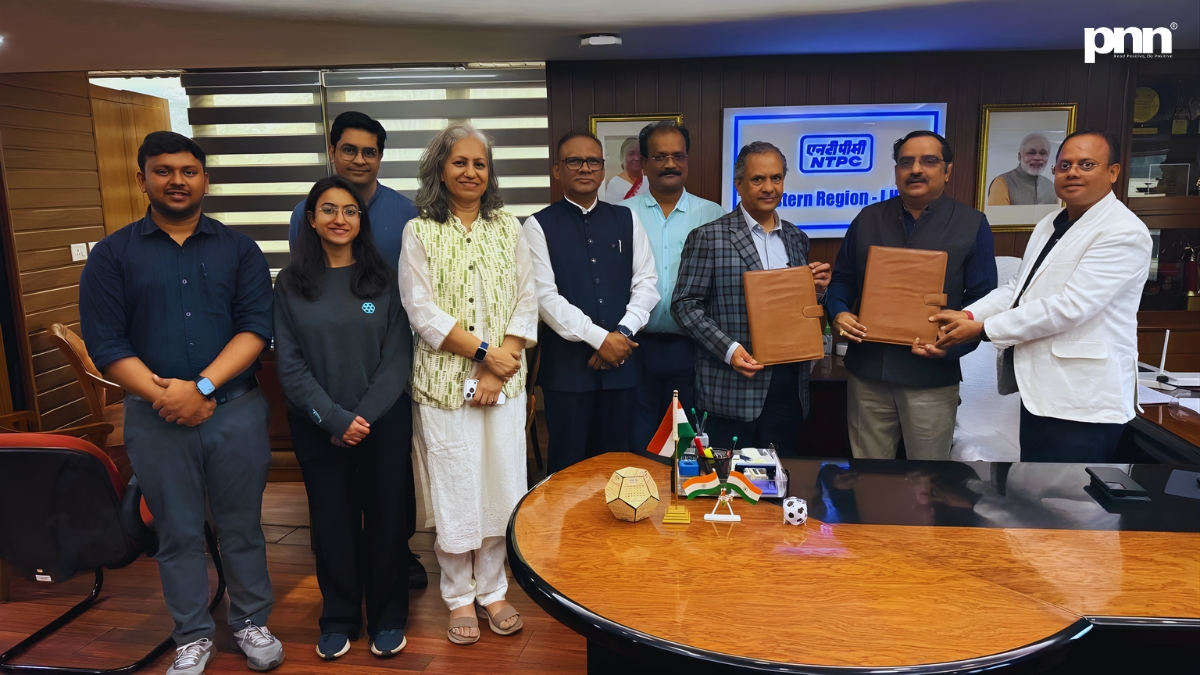
    NTPC Limited’s Western Region–I headquarters in Mumbai has signed a Memorandum of Agreement with the Gujarat Cancer & Research Institute for the upgradation of radiotherapy services. The partnership is not symbolic. It comes with a ₹23.16 crore commitment under NTPC’s CSR programme, aimed squarely at improving cancer treatment access in Gujarat.

    The funding will be used at GCRI’s Siddhpur Satellite Centre in Ahmedabad. The focus is clear: procurement and installation of a high-energy Linear Accelerator, commonly known as a LINAC. For cancer patients, that machine is not just equipment. It’s precision, speed, and better outcomes.

    The MoA was formally exchanged between Dr. Shashank Pandya, Director of GCRI, and Shri E. Satya Phani Kumar, Regional Executive Director (West–I), NTPC. Senior leadership from both organisations attended the ceremony, underscoring that this was not a routine CSR cheque handover. It was a strategic healthcare intervention.

    Why does this matter, especially in India?

    Cancer care in India often struggles at the intersection of demand, affordability, and infrastructure. Radiotherapy is one of the most critical components of cancer treatment, yet access to advanced machines remains uneven outside major metros.

    The NTPC radiotherapy services upgradation directly addresses that gap. By funding a high-energy LINAC at a satellite centre, NTPC is decentralising advanced care. Patients who earlier had to travel long distances now get access closer to home. That saves time, money, and in many cases, lives.

    For Gujarat, where GCRI already serves as a major oncology hub, this upgrade strengthens an existing backbone rather than creating a parallel system. That’s smart CSR. Build where trust and expertise already exist.

    What the LINAC brings to the table?

    A high-energy Linear Accelerator allows for precise targeting of tumours while sparing surrounding healthy tissue. That means fewer side effects, better tolerance, and improved treatment efficiency.

    In practical terms, this upgrade increases patient throughput and expands the range of cancers that can be treated effectively. It also reduces treatment waiting times, a chronic issue in public and semi-public healthcare facilities.

    The NTPC radiotherapy services upgradation is not about optics. It’s about capacity. More patients treated. Better technology deployed. Stronger outcomes delivered.

    Leadership presence signals intent

    The signing ceremony was attended by senior NTPC officials, including Shri Akhaya Kumar Patra, GM (OS), Shri A P Samal, CEO (NPUNL) and CGM (Nuclear), and Smt. Vandana Chaturvedi, Regional Head of HR (West–I). Members of NTPC’s CSR team were also present, alongside senior representatives from GCRI.

    This level of leadership participation matters. It signals internal alignment and long-term commitment, not a one-off CSR headline.

    NTPC’s evolving CSR playbook

    NTPC has steadily moved beyond generic CSR initiatives. Its recent focus shows a tilt towards strengthening critical infrastructure, especially in healthcare, education, and community development.

    The NTPC radiotherapy services upgradation fits squarely into that approach. It targets a high-impact area, deploys capital-intensive technology, and partners with a credible public healthcare institution.

    From a policy perspective, this aligns with India’s broader push to improve non-communicable disease management. From a citizen’s perspective, it means better access to treatment that would otherwise remain out of reach.

    CSR that actually scales

    One of the quiet strengths of this initiative is scalability. Radiotherapy infrastructure upgrades create ripple effects. Trained staff, improved protocols, and upgraded facilities elevate overall care standards.

    By investing in a satellite centre, NTPC ensures that benefits are not confined to a single urban pocket. This decentralised approach is exactly what Indian healthcare needs more of.

    There is also a multiplier effect. Improved infrastructure attracts better talent, encourages further investment, and builds confidence among patients who might otherwise delay treatment.

    Read More

  • Indian Pharmacopoeia 2026 Ends the Grey Zone Around Blood Safety

    Indian Pharmacopoeia 2026 Ends the Grey Zone Around Blood Safety

    New Delhi [India], January 3: India has now done the prominent. Blood that is used in transfusion is now subject to the same rulebook as medicines.

    The blood transfusions have existed in a strange regulatory half-light for years. Everyone relied on them. Not many of them were wondering how evenly they were controlled. That uncertainty concludes with the Indian Pharmacopoeia 2026.

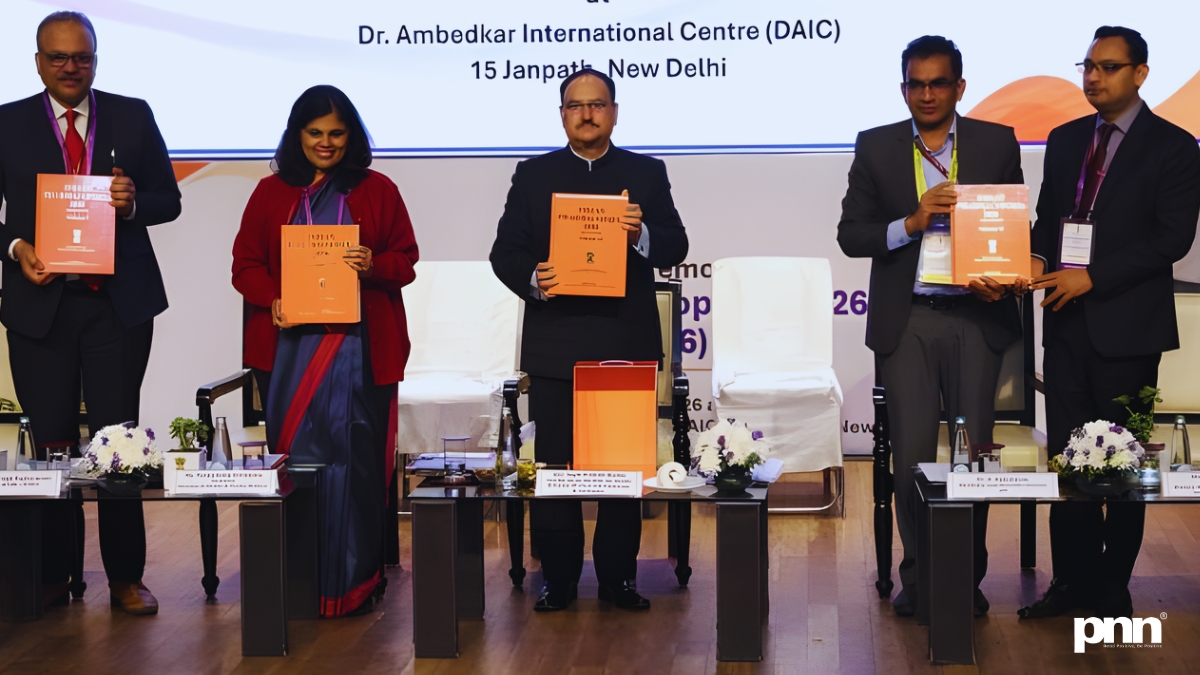
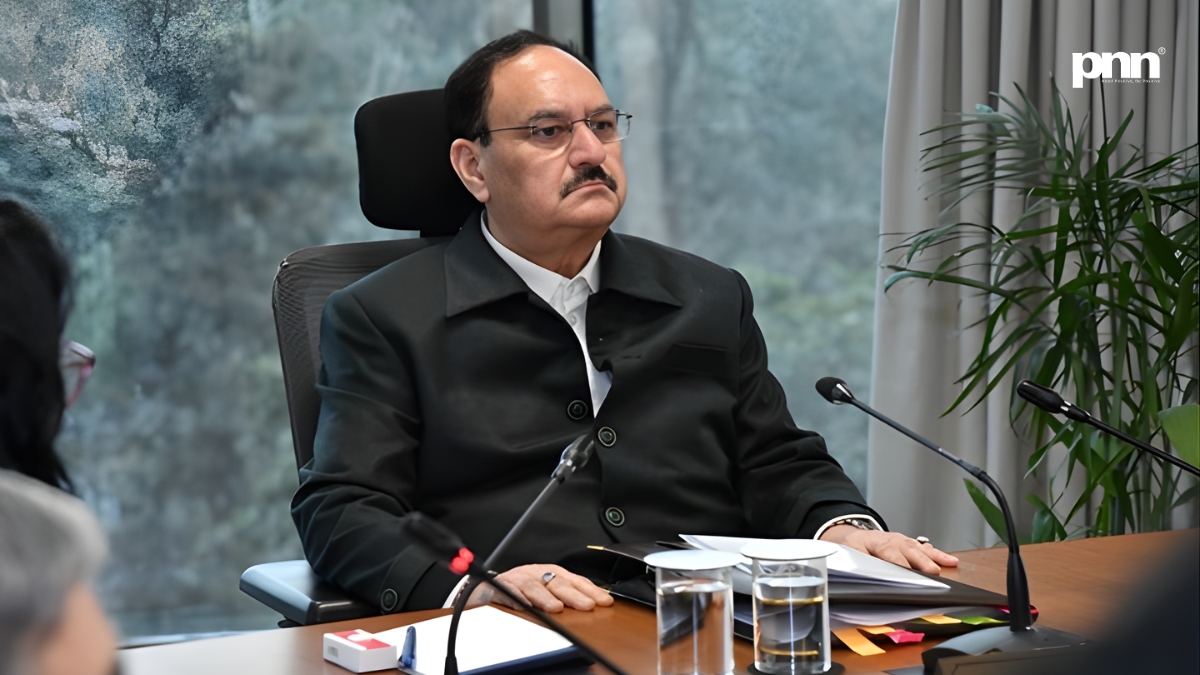
    The 10th edition of the Indian Pharmacopoeia, the drug safety and efficacy encyclopedia of the country, was released quietly in New Delhi by the Union Health and Family Welfare and Chemicals and Fertilisers Minister JP Nadda, and increases the boundaries of the perimeter of drug safety in the country. Quietly, but decisively.

    Pharmacopoeia standards are now uniformly available in legally enforceable blood components used in transfusion medicine. Not advisories. Not best practices. Norms that may be referred to by the inspectors and enforced by courts.

    Indian Pharmacopoeia 2026: What Changed, Exactly?

    The official book of drug standards in India is the Indian Pharmacopoeia. It is governed by the Drugs and Cosmetics Act, 1940 and its regulations are binding. Licences, distribution, and inspections. Everything flows from it.

    The Indian Pharmacopoeia 2026 expands that framework in a manner not previously done by its predecessors. It is the first time that it presents 20 monographs devoted to blood and blood components.

    That act alone would bring blood banks and hospital transfusion services under more regulatory scrutiny. Less interpretation. Fewer grey zones.

    What Blood Products Are Controlled Nowadays?

    The scope is not symbolic. It is granular.

    Whole blood, even irradiated ones, is covered. So also are red blood cell products in their various forms: packed cells, additive solution RBCs, leucodepleted units, buffy coat removed cells, cryopreserved RBCs, and washed RBCs.

    Plasma products are also characterised in the same way. Whole-blood and apheresis fresh frozen plasma. Cryoprecipitate. Cryo-poor plasma.

    Platelets, which are usually the most difficult element to deal with, are also placed under the same standards. PRP, pooled platelets, random donor platelets, buffy coat platelets and apheresis-derived platelets, such as additive solution and two-unit platelets.

    Even the granulocyte components derived by either apheresis or buffy coat pooling of the buffy coat qualify to be listed.

    In case it gets into the blood of the patient during any transfusion process, the Indian Pharmacopoeia 2026 details its measurements, tests, storage and labelling.

    The reason this is important.

    Transfusion of blood is not a specialised branch of medicine. It is ordinary, emergency, and usually life-saving.

    Trauma care. Cancer treatment. Major surgeries. Childbirth complications. Inherited blood disorders. The public hospitals in India are reliant on blood on a daily basis.

    Equal standards minimise inter-facility variation. They reduce risks of contamination, mishandling and silent failure. Accountability is also made easier by them. In case of something going wrong, the benchmark is not argued anymore.

    That transparency is important in the case of a healthcare system that operates at scale.

    Drugs Come Under Stricter Examination as well.

    Blood is not even the half-upgrade.

    Indian pharmacopoeia 2026 incorporates 121 new standards of drugs, and the total number of monographs is 3340. Every monograph provides an abbreviation of the way a medicine should be prepared, administered, stored, and labelled.

    This empowers the regulators to take action against poor or unsafe medicines. It also increases the compliance level among the manufacturers who are on the other side of the line.

    Here, there is a kind of public-health aspect which we cannot overlook.

    Medicines utilised in national health programmes have become the subject of more critical quality scrutiny. Tuberculosis drugs. Diabetes medication. Cancer therapies. It is a long-term therapy for millions of people, most of whom depend solely on government health care systems.

    Here, consistency is not cosmetic. It is survival.

    Surveillance Is Catching Up

    Standards are best in conjunction with vigilance.

    The Pharmacovigilance Programme of India, operated by the Indian Pharmacopoeia Commission in India, has been on a low profile in enhancing its international status. In the years between 2009 and 2014, India was number 123 in the world with regard to donations to the pharmacovigilance database of the World Health Organisation. By 2025, it reached 8th.

    That leap indicates an increase in prompt reporting of adverse drug reactions and actions taken by the regulators. Indian Pharmacopoeia 2026 feeds on this by further impeding the quality control further upstream, before damage is caused.

    Why It Makes Sense?

    There is a high disease burden in India. Volume is managed by the public hospitals. Complexity is dealt with in private hospitals. They both require the blood and needed medicines to work exactly as they should.

    Meanwhile, India is an international pharmaceutical provider. International trust is becoming more and more influenced by domestic standards.

    With the combination of regulating blood components and medicines, the Indian Pharmacopoeia 2026 is harmonising patient safety and manufacturing discipline. It also portends that regulators are ready to fill longstanding blanks even though they are not seated in comfortable locations, such as transfusion medicine.

    Not dramatic. Just necessary.

    What Comes Next?

    Everything will be determined by implementation.

    Blood banks will be forced to tighten operations. There will be a need to have improved documentation in hospitals. Uniformity will be required of the inspectors. The pressure will be on the manufacturers.

    Nevertheless, it is clear where the direction is.

    Indian Pharmacopoeia 2026 is not the news or the applause. It concerns the reduced number of avoidable risks within hospitals. About blood that is safer. Drugs that do what they are supposed to do. At times, reform is most effective when it is not aimed at impressing.

    This is just a simple way of fixing plumbing.

    Read More

  • Vinay Kumar Dubey, Chairman VKDL NPA Advisory Council, Honoured at Prestigious DPSA Para Powerlifting Event in Delhi

    Vinay Kumar Dubey, Chairman VKDL NPA Advisory Council, Honoured at Prestigious DPSA Para Powerlifting Event in Delhi

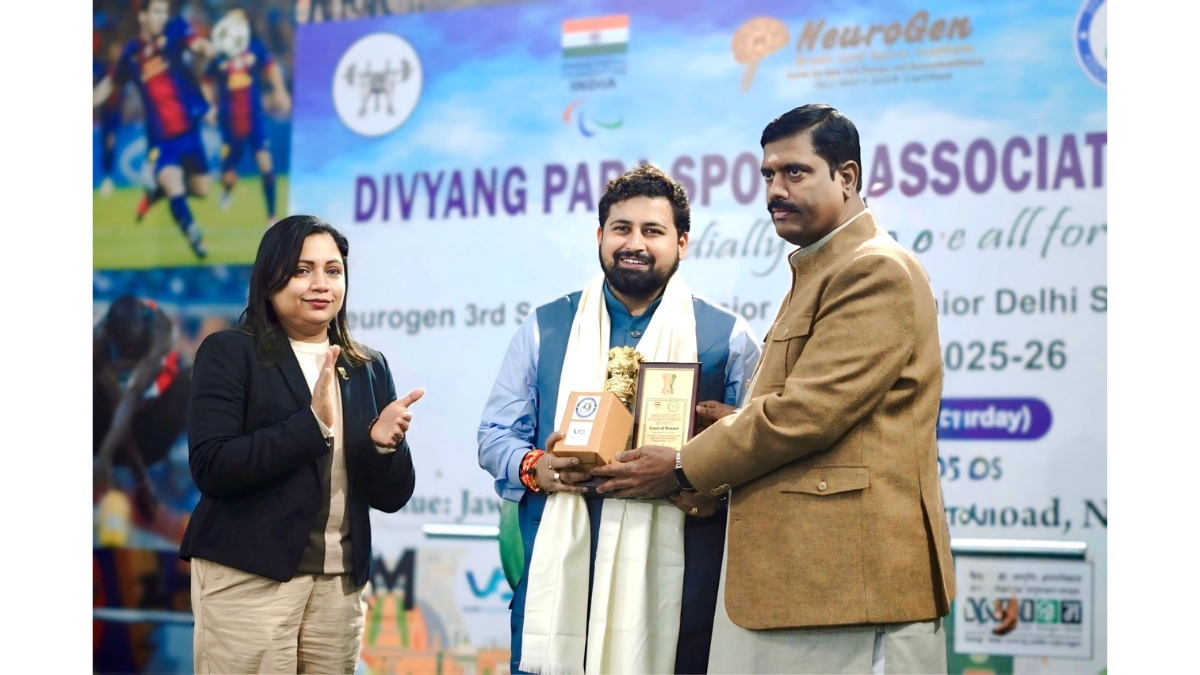
    New Delhi [India], December 30: The Divyang Para Sports Association of Delhi (DPSA) successfully organised the 3rd Senior and 2nd Junior & Sub-Junior Delhi State Para Powerlifting Championship 2025–26 on Saturday, 27 December 2025, at the prestigious Jawaharlal Nehru (JLN) Stadium, New Delhi. The championship emerged as a powerful confluence of social responsibility, sporting excellence, and inclusive development.

    On this distinguished occasion, Mr. Vinay Kumar Dubey, Chairman of the VKDL NPA Advisory Council, renowned legal expert, and member of the Hindi Advisory Committee (Official Language Department), Ministry of Home Affairs, Government of India, was specially honoured for his outstanding contribution to social service, financial reforms, and his commitment to nation-building.

    The event was inaugurated in the esteemed presence of Dr. Arvind Menon, National Secretary of the Bharatiya Janata Party, IPS Devesh Srivastava, Special Commissioner of Delhi Police, and the chief guest Vinay Kumar Dubey.

    Addressing the gathering, Dr. Arvind Menon stated that “initiatives like Khelo India and Fit India are providing equal opportunities to every section of society, especially empowering para-athletes to move forward with confidence.”

    IPS Devesh Srivastava lauded the courage, discipline, and dedication of para players and encouraged them to aim for excellence at national and international platforms.

    DPSA President Ms. Parul Singh highlighted that the championship marks a significant step towards strengthening para sports in the national capital.

    While accepting the honour, Vinay Kumar Dubey remarked, “Para athletes represent the true strength of our nation. Being part of such initiatives and contributing to their motivation is a matter of immense pride for me.”

    Notably, the VKDL NPA Advisory Council is actively working across the country in coordination with banks to resolve major financial and Non-Performing Asset (NPA) cases. With operations in Delhi, Mumbai, and Bengaluru, the organisation is playing a vital role in relieving businesses from debt stress and contributing towards the vision of a debt-free India.

    Vinay Kumar Dubey has also remained highly active in the social sector. His recent initiatives, including large-scale community conferences, cow protection activities, and social welfare programs, have established him as a sensitive, committed, and people-centric leader.

    Political circles are abuzz with discussions that if the Bharatiya Janata Party offers him an opportunity from his native district Pratapgarh (Patti) or his professional base Mumbai, he may step into active politics in the near future.

    Following the event, Vinay Kumar Dubey received an outpouring of congratulations from friends and well-wishers across the country.

    It is noteworthy that Vinay Kumar Dubey is the founder of V.K. Dubey & Associates, United Legal, KNS Legal, and VKDL Corporation. He also serves as the National Legal Head of the Prime Minister’s Atmanirbhar Bharat Abhiyan Organisation, through which he actively promotes public awareness regarding various government schemes and welfare initiatives.

    Additionally, he is closely associated with the Pratapgarh Parivar Organisation, which works dedicatedly for the development of Pratapgarh district in Uttar Pradesh and the welfare of Pratapgarh natives residing across India and abroad.

    Vinay Kumar Dubey is also the founder and patron of several charitable institutions, including the Kumari Mamta Devi Memorial Trust, Brahmin International Business Organisation (BIBO), Gyanodaya Seva Samiti, and Kisan Kranti Morcha, all of which are actively contributing in the fields of education and healthcare.

    Furthermore, as the National Secretary of KNS Group, he has played a crucial role in providing livelihood opportunities to thousands of underprivileged women in Uttar Pradesh by promoting small-scale employment and self-reliance.

    Owing to his sustained commitment to social welfare, legal advocacy, and nation-building initiatives, Vinay Kumar Dubey has built a strong and positive social-political image among senior leaders of the BJP and RSS.

    If you object to the content of this press release, please notify us at pr.error.rectification@gmail.com. We will respond and rectify the situation within 24 hours.

  • DAC Clears Rs 79,000 Crore Defence Proposals in Major Capability Push

    DAC Clears Rs 79,000 Crore Defence Proposals in Major Capability Push

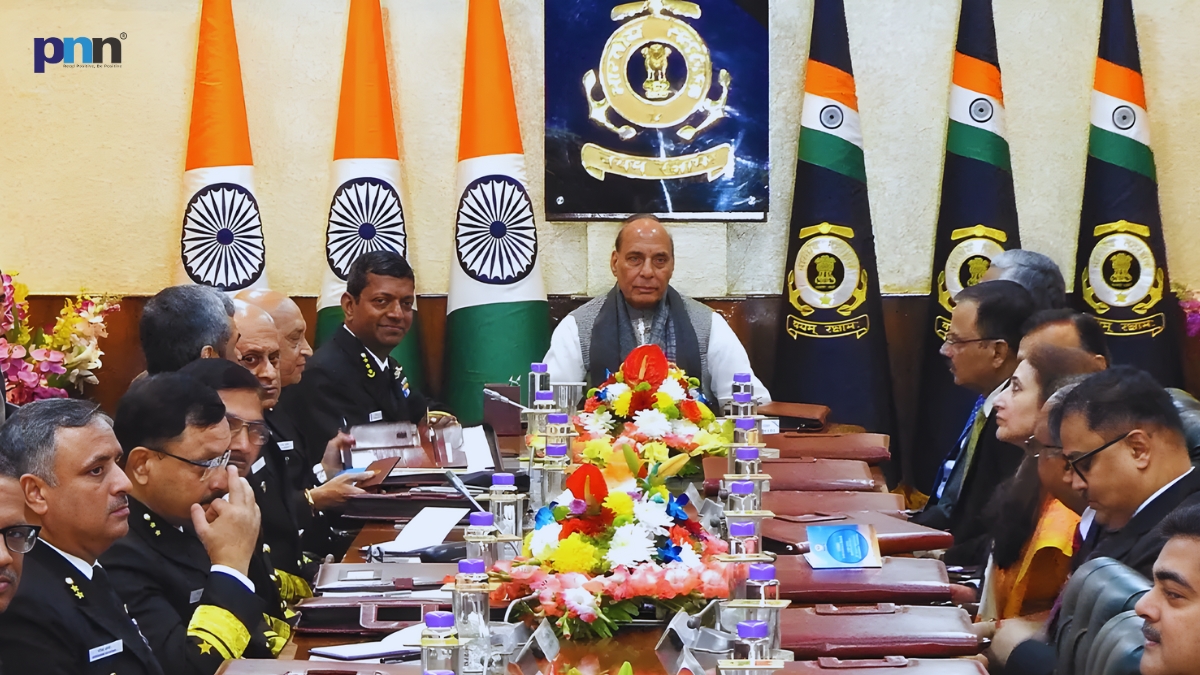
    New Delhi [India], December 29:  When the Defence Acquisition Council cleared proposals worth nearly Rs 79,000 crore, it quietly reset the tempo of India’s military modernisation.

    The Defence Acquisition Council, chaired by Defence Minister Rajnath Singh, has accorded Acceptance of Necessity for a sweeping set of procurements across the Indian Army, Navy and Air Force. The approvals came during the DAC meeting on December 29, 2025. On paper, it’s a number. In reality, it’s a direction.

    Rs 79,000 crore is not pocket change. But more than the figure, it’s the selection that matters. Drones. Precision rockets. Long-range missiles. Radars that spot what the naked eye never will. Systems meant for how wars actually unfold now, not how they looked a decade ago.

    DAC Clears Rs 79,000 Crore Defence Proposals: Defence Minister Rajnath Singh - PNN

    Indian Army: Seeing First, Striking Cleaner

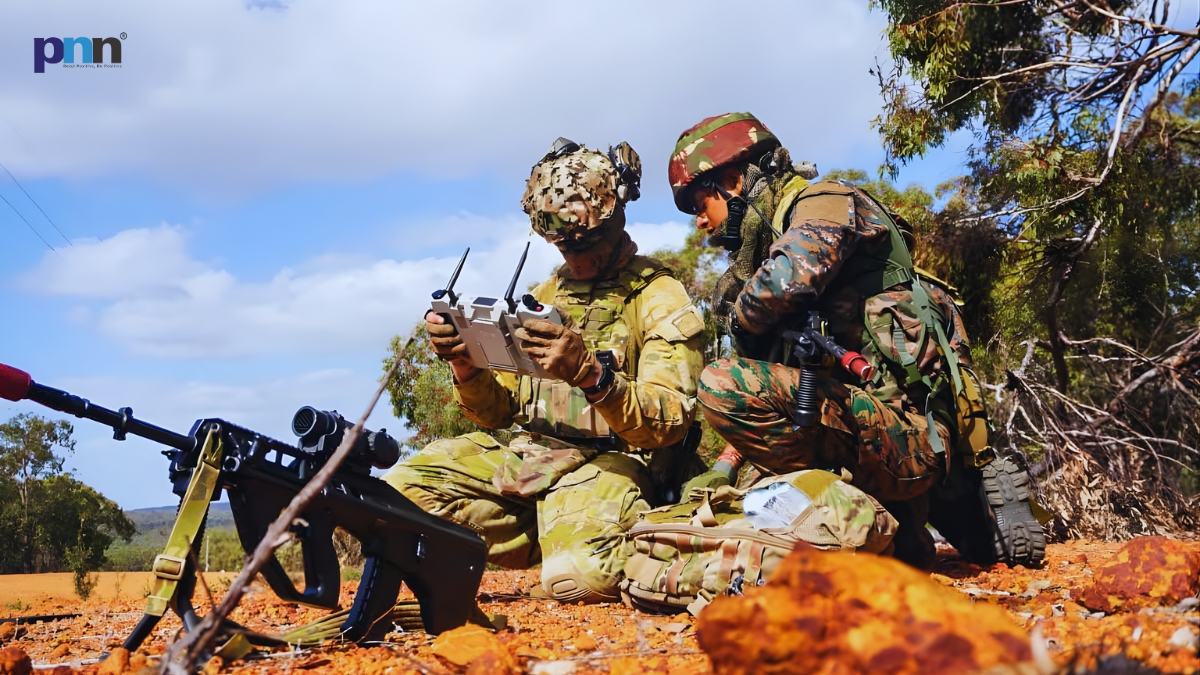
    The Army’s approvals read like a checklist of modern battlefield priorities. Start with Loiter Munition Systems for Artillery Regiments. These are not dumb rounds fired and forgotten. They hang, they watch, they wait. Then they strike tactical targets with precision. That pause, that ability to choose, changes outcomes.

    Low-Level Light-Weight Radars are next. Their job is simple, though the tech isn’t. Detect and track small, low-flying unmanned aerial systems. In other words, spot hostile drones before they do damage. Given how cheap drones have become and how expensive their impact can be, this is overdue.

    Then there’s the Long Range Guided Rocket Ammunition for the Pinaka Multiple Launch Rocket System. Pinaka already packs a punch. These guided rockets extend its reach and tighten its accuracy, allowing engagement of high-value targets from farther away. Distance, in warfare, buys time. Time buys options.

    The Integrated Drone Detection and Interdiction System Mk-II rounds out the Army list. With enhanced range, it is designed to protect vital assets not just in Tactical Battle Areas but also deeper in the hinterland. That detail matters. Threats don’t politely stop at the front line anymore.

    Put together, the Army’s acquisitions lean heavily toward awareness and precision. Less guesswork. Fewer blind spots. More control.

    Indian Navy: Quiet Strength, Wide Eyes

    Naval approvals often get less attention. They shouldn’t. This round begins with Bollard Pull Tugs. Not glamorous, yes. Essential, absolutely. These tugs assist ships and submarines during berthing, unberthing and manoeuvring in confined waters and harbours. As fleet size grows, harbour efficiency becomes a strategic asset.

    High-frequency software-defined radios in manpack form are also cleared. These enhance long-range secure communication during boarding and landing operations. It’s the kind of capability you only miss when it fails. The Navy clearly doesn’t plan on missing it.

    The standout, though, is the leasing of High Altitude Long Range Remotely Piloted Aircraft Systems. HALE RPAS platforms mean persistent Intelligence, Surveillance and Reconnaissance. They also mean credible Maritime Domain Awareness across the Indian Ocean Region.

    That ocean is not empty anymore. Persistent eyes in the sky change the equation. Quietly. Constantly.

    Indian Air Force: Reach Further, Train Smarter

    For the Indian Air Force, the DAC approvals focus on three things that pilots care about deeply. Safety. Range. Readiness.

    The Automatic Take-off Landing Recording System is one of those unflashy systems that ends up doing heavy lifting. High-definition, all-weather recording of take-offs and landings fills gaps in the aerospace safety environment. It helps analyse, learn and prevent. That alone justifies its place.

    Astra Mk-II missiles bring the edge back to air combat. With enhanced range, these missiles allow fighter aircraft to neutralise adversary aircraft from large standoff distances. In aerial warfare, distance is leverage. Astra Mk-II adds more of it.

    Training gets a solid upgrade through the Full Mission Simulator for the Light Combat Aircraft Tejas. Simulators allow pilots to rehearse scenarios repeatedly, safely and cheaply. For a growing fleet, this is not optional. It’s foundational.

    Then there’s SPICE-1000 Long Range Guidance Kits. These kits enhance precision strike capability from long distances. Again, the theme repeats. Hit accurately. Stay safer.

    Why This Clearance Matters?

    There’s a temptation to treat DAC approvals as bureaucratic milestones. That misses the point. These clearances reflect a shift in mindset. From reactive to anticipatory. From volume to precision.

    India’s security environment is layered. Mountains, oceans, airspace, and now cyberspace hovering over all of it. The systems cleared here acknowledge that complexity without pretending there’s a silver bullet.

    There’s also a broader signal. Capability development is being treated as continuous, not episodic. That alone is progress.

    Read More

  • Second Edition of ‘Run for Girl Child’ to Be Held in Surat on January 4 for the Upliftment of Girls

    Second Edition of ‘Run for Girl Child’ to Be Held in Surat on January 4 for the Upliftment of Girls

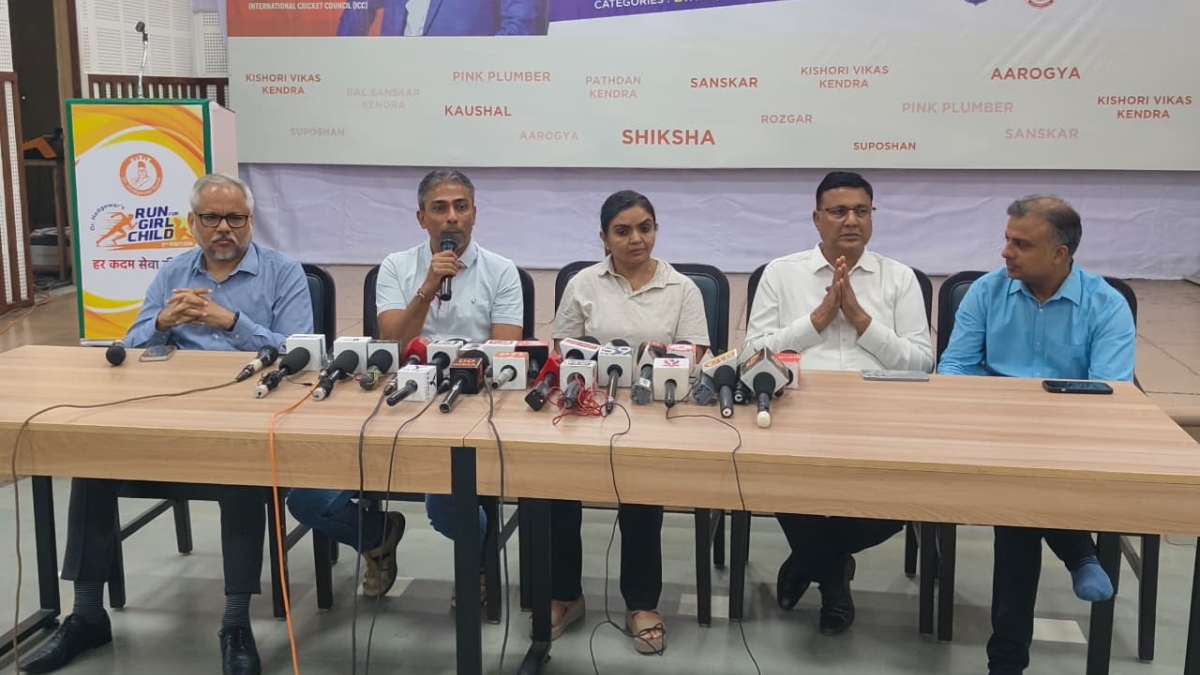
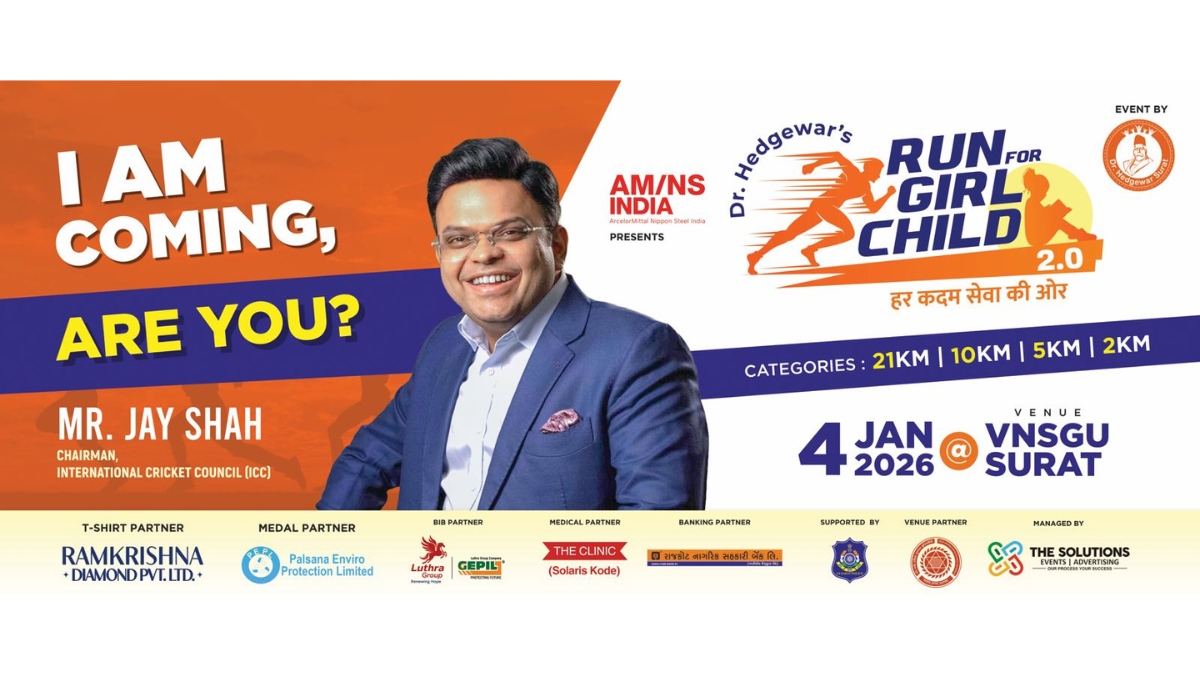
    Surat (Gujarat) [India], December 29: The second edition of the ‘Run for Girl Child’ charity run, organised by Dr Hedgewar Seva Smriti Trust for the all-round development of girls from exploited, deprived, and distressed sections of society, will be held on January 4, 2026, at the VNSGU Campus, Surat.

    This information was shared by event committee co-convenor Amitbhai Gajjar during a press conference. Around 8,000 to 10,000 runners are expected to participate in this charity run. The marathon will feature various categories, including 21 km, 10 km, 5 km, and 2 km. Winners will receive a total cash prize of ₹2,20,000.

    AM/NS is supporting the event as the main sponsor, while Ramkrishna Diamond, PPL, and Rajkot Nagrik Sahakari Bank have joined as associate donors. ICC Chairman Jay Shah will be present as the chief guest on this occasion. Prominent city industrialists and co-convenors of the organising committee, Shri Ghanshyam Shankar Amitbhai Gajjar (Chairman, Peoples Bank), Shyamji Rathi, Rajeshji Surana, and Rakeshji Kansal, have also been invited.

    Run for Girl Child

    Committee co-convenor Shyamji Rathi stated that ‘Run for Girl Child’ is not just a race, but a movement for the holistic upliftment of girls. The Trust has been consistently working to empower exploited, deprived, and distressed girls living in slum areas across five dimensions: physical, mental, spiritual, intellectual, and social development. Last year, there were only 7 Kishori Vikas Kendras, which have now grown to 159 active centres. Additionally, the Trust’s ‘Gyan Mandir’ project has expanded from 60 centres to 105 centres. Through this marathon, the target for the coming year is to increase Kishori Vikas Kendras from 159 to 500 and expand the Gyan Mandir project from 105 to 300 centres. The entire proceeds from this charity run will be utilised for girls’ education, development, and welfare activities.

    Notably, Dr. Hedgewar Seva Smriti Trust was established in 1988. The Trust works in four major areas: social service, education, self-reliance, and health. Shri Ranchhodbhai Dholiya serves as the President of Dr Hedgewar Trust, while Nitin Patel holds the position of Minister.

    PNN News

  • AYUSH Drug Quality Regulation: 10 Bold Safeguards Implemented

    AYUSH Drug Quality Regulation: 10 Bold Safeguards Implemented

    New Delhi [India], December 29: AYUSH medicines don’t float in regulatory limbo. They operate under a dense, rule-heavy system that most critics never bother to read. Here’s what actually keeps Ayurveda, Siddha, Unani and Homoeopathy drugs in check.

    India’s AYUSH sector sits at an awkward crossroads. Hugely popular. Deeply traditional. Constantly questioned. What rarely gets attention is the regulatory scaffolding holding it together. It exists. It’s detailed. And it’s far from symbolic.

    At the centre of this system is AYUSH drug quality regulation, a framework built on testing, surveillance, certification and enforcement. Let’s break it down without the fog.

    PCIM&H and the Backbone of AYUSH Drug Quality Regulation

    The Pharmacopoeia Commission for Indian Medicine and Homoeopathy, or PCIM&H, operates under the Ministry of Ayush. Its role is blunt and non-negotiable. It acts as the appellate drug testing laboratory for Ayurveda, Siddha, Unani and Homoeopathy drugs.

    That means when quality disputes arise, PCIM&H is the final word on identity, purity, strength and composition. No opinions. Just lab results.

    PCIM&H also publishes pharmacopoeial standards and formularies. These documents are not academic fluff. Under the Drugs and Cosmetics Act, 1940, compliance with these standards is mandatory for manufacturers. Miss them, and you are in violation of the law.

    Drug Testing Laboratories and Rule 160 A to J

    AYUSH drug quality regulation is anchored in Rule 160 A to J of the Drugs Rules, 1945. These rules govern how drug testing laboratories are approved to test Ayurvedic, Siddha and Unani medicines.

    As of today, 34 State Drug Testing Laboratories have received central support to upgrade infrastructure and functionality. Beyond that, 108 laboratories are officially approved or licensed to test AYUSH drugs and raw materials.

    Add to this three Regional Research Institutions under the Central Council for Research in Ayurvedic Sciences, approved under Rule 160E. These labs aren’t decorative. They are legally empowered testing bodies.

    Pharmacovigilance for AYUSH Drugs Isn’t Optional

    AYUSH drug quality regulation doesn’t stop at manufacturing. It extends into the market.

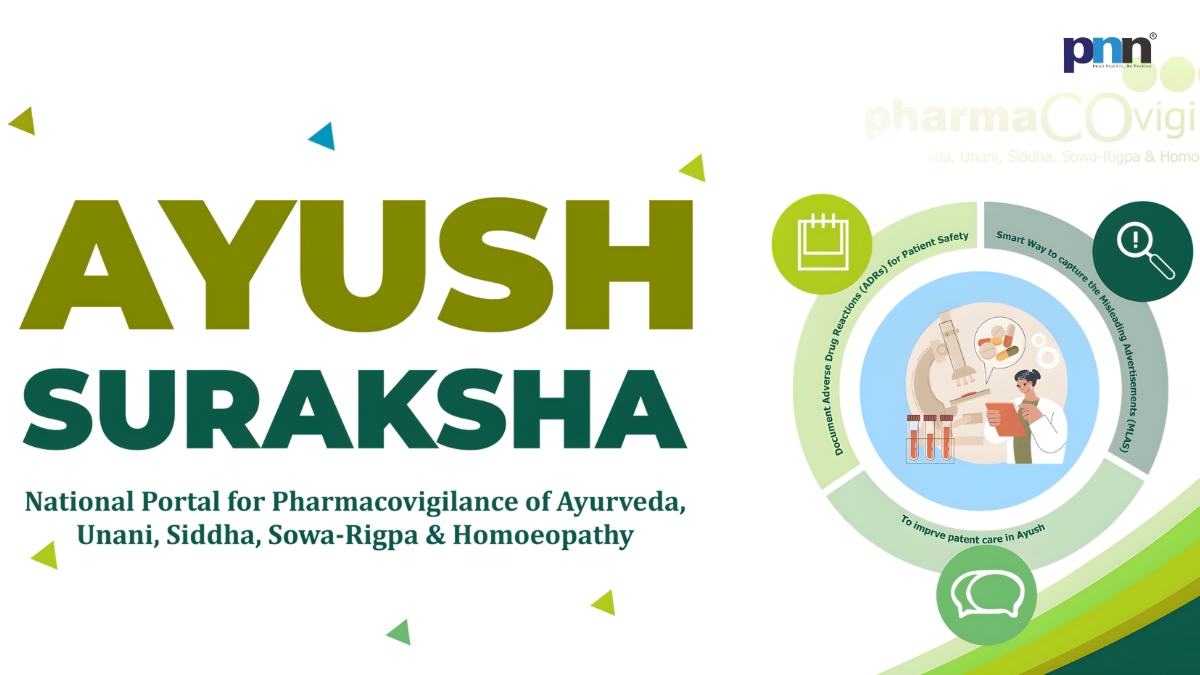
    Under the Central Sector Scheme Ayush Oushadhi Gunavatta Evam Uttpadan Samvardhan Yojana, or AOGUSY, India runs a nationwide pharmacovigilance programme for AYUSH drugs.

    The structure is three-tiered:

    • One National Pharmacovigilance Centre.
    • Five Intermediary Centres.
    • Ninety-seven Peripheral Centres spread across the country.

    Their mandate is simple. Monitor adverse reactions. Track misleading advertisements. Report violations to State Regulatory Authorities for action.

    So far, this network has conducted 3,533 awareness programmes, reaching over 3.18 lakh beneficiaries. That’s not passive regulation. That’s boots on the ground.

    Cracking Down on Misleading Claims

    AYUSH - PM Modi

    One of the loudest criticisms of AYUSH products is exaggerated advertising. The system acknowledges that risk and actively targets it.

    Pharmacovigilance centres are specifically tasked with identifying misleading advertisements. When found, these are escalated to state regulators. Enforcement follows existing legal provisions. No parallel justice. No shortcuts.

    The objective is consumer protection. Plain and simple. Verified claims stay. Unverified ones don’t.

    Global-Grade Certifications for AYUSH Products

    AYUSH drug quality regulation also looks outward.

    India extends the World Health Organization’s Certification of Pharmaceutical Product, or CoPP, scheme to Ayurvedic, Siddha and Unani medicines. This certificate is administered by the Central Drugs Standard Control Organisation.

    The process includes joint inspections by CDSCO, the Ministry of Ayush and State Licensing Authorities. It’s not a paperwork exercise. Manufacturing units are physically inspected.

    Separately, the Quality Council of India runs a Quality Certification Scheme. Products meeting domestic and international standards receive the Ayush Mark, based on third-party evaluation.

    That’s how export credibility is built. Slowly. Methodically.

    AOGUSY and the Money Behind Quality

    Regulation without funding collapses. The Ministry of Ayush knows this.

    Under AOGUSY, the government has allocated Rs 122 crore over five years, from 2021–22 to 2025–26. One key component focuses on upgrading AYUSH pharmacies and drug testing laboratories.

    Better equipment. Better compliance. Fewer excuses.

    Legal Architecture of AYUSH Drug Regulation

    The Drugs and Cosmetics Act, 1940 doesn’t treat AYUSH as an afterthought. It has exclusive chapters and schedules for it.

    Ayurveda, Siddha, Sowa-Rigpa and Unani drugs fall under Chapter IVA and Schedule I of the Act, along with Rules 151 to 169 and Schedules E(I), T and TA.

    Homoeopathic drugs are governed by a separate set of provisions, including Schedule 4A of the Act and multiple rules and schedules under the Drugs Rules, 1945.

    Manufacturers must comply with Good Manufacturing Practices under Schedule T. Proof of safety and effectiveness is mandatory. There’s no opt-out clause.

    CDSCO’s AYUSH Vertical and Inspections

    To tighten enforcement, the Ministry of Ayush has established a dedicated AYUSH vertical within CDSCO.

    This unit conducts inspections of manufacturing facilities in coordination with state drug inspectors and licensing authorities. The goal is consistent enforcement across states, not regulatory patchwork.

    Think of it as centre-state teamwork with lab coats.

    Research, Validation and the Ayurgyan Scheme

    Quality regulation isn’t complete without research.

    Since 2021–22, the Ministry of Ayush has implemented the Ayurgyan Scheme to support research and innovation. It has three components:

    – Capacity building and continuing medical education.
    – Research and innovation.
    – Ayurveda Biology Integrated Health Research.

    This feeds directly into scientific validation, not belief-based promotion.

    Research Councils and Scientific Oversight

    India has established dedicated research councils for Ayurveda, Unani, Homoeopathy, Siddha, and Yoga and Naturopathy. These bodies coordinate national research on medicinal plants, drug standardisation, pharmacology, clinical studies and tribal healthcare.

    Their work is conducted through institutes across the country and in collaboration with universities and hospitals.

    PCIM&H also runs regular training programmes for state regulators, lab personnel and quality control staff. Regulation improves when people actually know the rules.

    Read More

  • Palghar Police Officer Manjusha Shirsat Wins Bronze at West India Classic Powerlifting Championship 2025 – World News Network

    Palghar Police Officer Manjusha Shirsat Wins Bronze at West India Classic Powerlifting Championship 2025 – World News Network

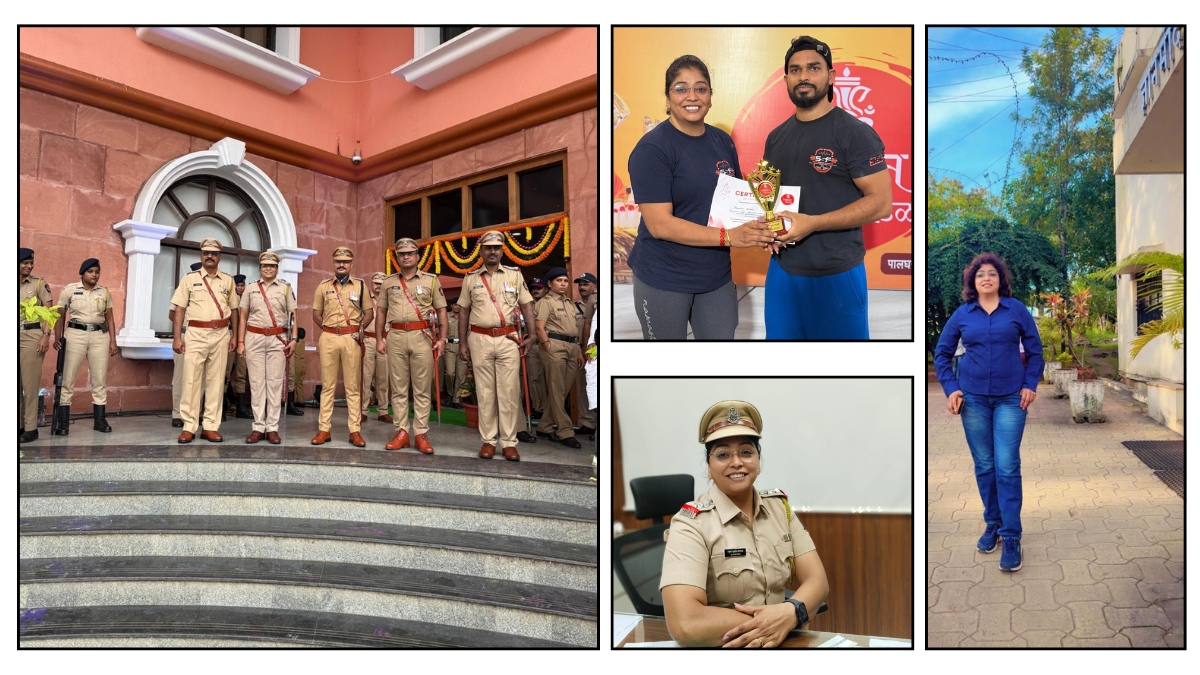
    Palghar (Maharashtra) [India], December 27: Mrs. Manjusha Sukhdev Shirsat, Assistant Police Inspector with the Economic Offences Wing (EOW) of Palghar District Police, has brought pride to the district by winning a Bronze Medal at the West India Classic Powerlifting Championship 2025, held in Indore, Madhya Pradesh.

    A committed police officer by profession, API Shirsat joined the force driven by a lifelong dream to serve society, uphold the law, and deliver justice. In her current role at the Economic Offences Wing, she handles investigations related to financial frauds, investment scams, and cybercrime cases.

    Her journey into powerlifting began nearly two years ago when work-related stress affected her health, leading to elevated sugar and cholesterol levels. Determined to reclaim her fitness, she began training at Sujitsingh Fitness Gym, where her mentor Mr. Sujit Singh introduced her to powerlifting. Encouraged to compete at the district level, she won her first medal—an experience that motivated her to pursue the sport competitively.

    Since then, API Shirsat has delivered commendable performances at district, state, national, and international levels. Winning the bronze medal at the prestigious West India Classic Powerlifting Championship 2025 marks a significant milestone in her sporting career.

    Despite the demanding nature of police duty, she follows a disciplined routine involving early morning workouts, full-duty hours, and evening training sessions, while maintaining strict focus on nutrition, recovery, and mental balance.

    She credits the Palghar Police Department for its strong institutional support and expresses gratitude to Superintendent of Police Mr. Yatish Deshmukh (IPS), Additional SP Mr. Vinayak Narale, and Police Inspector Mr. Shirish Pawar for their encouragement and guidance.

    Equally important, she acknowledges the unwavering support of her brother Dinesh, sister-in-law Sadhana, and her mother, whose constant motivation and belief played a vital role in her success.

    Speaking to young women aspiring to pursue sports alongside a uniformed career, API Shirsat says,

    “The uniform is not a limitation—it is a source of strength. With discipline, passion, and belief, every challenge can be overcome.”

    Summing up her motivation, she adds,

    “The drive to become stronger than yesterday—both mentally and physically—is what pushes me forward as an officer and as an athlete.”

    This story is released by Satish Reddy from World News Network for https://palgharnews.com

    If you have any objection to this press release content, kindly contact pr.error.rectification@gmail.com to notify us. We will respond and rectify the situation in the next 24 hours.

  • TB Mukt Bharat 2027: Bold Mission to End TB

    TB Mukt Bharat 2027: Bold Mission to End TB

    TB Mukt Bharat: TB Mukt Bharat is no longer just an ambition. Union Health Minister Jagat Prakash Nadda has set a clear deadline. India plans to eliminate tuberculosis by 2027, five years ahead of the global target.

    Chairing a high-level review meeting with officials from Madhya Pradesh and Chhattisgarh in New Delhi, Nadda called for mission-mode reforms across the health system. The message was blunt. Incremental fixes will not eliminate TB. Structural reform might.

    TB Mukt Bharat 2027 is not a slogan. It is a deadline with consequences. India carries one of the world’s highest TB burdens. Every delay costs lives, productivity, and public trust.

    Mission Mode or Mission Impossible

    Mission mode is bureaucratic shorthand for urgency with accountability. Nadda’s instructions reflected that mindset.

    He pushed for accelerated reforms, tighter monitoring, and real-time oversight. No vague targets. No paper compliance. Results.

    The focus was not only on TB but on the foundations of public healthcare delivery. Drug regulation. Diagnostics. Hospital management. Technology integration.

    In other words, fix the system if you want to fix the disease.

    Fix the Supply Chain or Forget the Promise

    One of the sharpest interventions focused on drug regulation and supply chains.

    Free Drugs and Free Diagnostics schemes already exist. On paper, they are strong. On the ground, gaps remain. Stock-outs. Delays. Weak monitoring.

    Nadda directed both states to plug these gaps and strengthen end-to-end tracking. He also confirmed that the Centre is working with IIM Ahmedabad to overhaul procurement logistics, transparency, and accountability.

    This matters more than it sounds.

    A missed drug dose is not a minor inconvenience in TB treatment. It fuels resistance. It prolongs illness. It undermines elimination goals.

    TB Mukt Bharat 2027 collapses without a supply chain that actually delivers.

    Diagnostics First. Everything Else Later

    If TB is the enemy, diagnostics are the radar.

    Nadda called quality diagnostics the backbone of effective healthcare. He pushed for strengthening diagnostic services across primary, secondary, and tertiary levels.

    Early detection decides outcomes in TB. Late diagnosis spreads infection. Weak diagnostics waste time.

    This is where India often stumbles. Machines exist but are underused. Facilities exist but are unevenly distributed. Data exists but is not integrated.

    The directive was clear. Strengthen diagnostics everywhere. Not just in cities. Not just in flagship hospitals.

    Because TB does not respect geography.

    Hospitals, Blood Banks, and the Regulation Gap

    The Health Minister also zeroed in on hospital administration and regulation.

    Professionalise hospital management. Tighten oversight of blood banks. Enforce safety protocols across systems.

    This is not administrative nitpicking. Weak regulation leads to unsafe practices, preventable infections, and public distrust.

    TB patients already face stigma. A chaotic hospital experience only pushes them further away from treatment adherence.

    Better systems lead to better outcomes. This is basic. And overdue.

    Tele-medicine as a Force Multiplier

    Technology was not treated as a buzzword. It was positioned as a solution.

    Nadda urged wider integration of tele-medicine to ensure specialist access in remote and underserved areas.

    For TB care, this matters. Specialist consultations, follow-ups, and adherence monitoring can happen without forcing patients to travel long distances.

    Tele-medicine is not replacing doctors. It is extending their reach.

    If implemented properly, it could quietly become one of the strongest tools in the TB Mukt Bharat 2027 playbook.

    Districts, Blocks, and the Real TB Battlefield

    TB elimination does not happen in conference rooms. It happens at district and block levels.

    Nadda stressed mission-mode interventions at these levels with intensified screening, timely diagnosis, treatment adherence, and nutritional support.

    Each of these elements is non-negotiable.

    Screening finds cases. Diagnosis confirms them. Treatment cures them. Nutrition sustains recovery.

    Miss one link, and the chain breaks.

    This district-first approach recognises reality. TB is hyper-local. Solutions must be too.

    Jan Bhagidari and Political Accountability

    One of the more interesting proposals was political sensitisation.

    Nadda suggested workshops for MLAs to improve coordination with Block and Chief Medical Officers. The goal is accountability through Jan Bhagidari.

    Public participation is not soft governance. It is pressure.

    When elected representatives understand health metrics, follow-ups improve. When communities are involved, outcomes follow.

    TB elimination is not only a medical challenge. It is a governance test.

    Why This Meeting Matters Beyond Two States

    The review focused on Madhya Pradesh and Chhattisgarh, but the signals were national.

    Strengthen public health systems. Improve patient satisfaction. Enhance regulatory oversight. Accelerate national health programmes.

    TB Mukt Bharat 2027 is the headline. System reform is the subtext.

    India has declared intent before. This time, the operational details are sharper.

    The clock is ticking. The tone has changed.

    Operational guidance document on TB Mukt Bharat Abhiyan — detailed strategy and implementation background. Guidance Document on TB Mukt Bharat Abhiyan (MOHFW)

    PNN News

  • NMIA Opens with Bharat’s Bravest at the Centre: Param Vir Chakra Awardees Part of Inaugural Celebration

    NMIA Opens with Bharat’s Bravest at the Centre: Param Vir Chakra Awardees Part of Inaugural Celebration

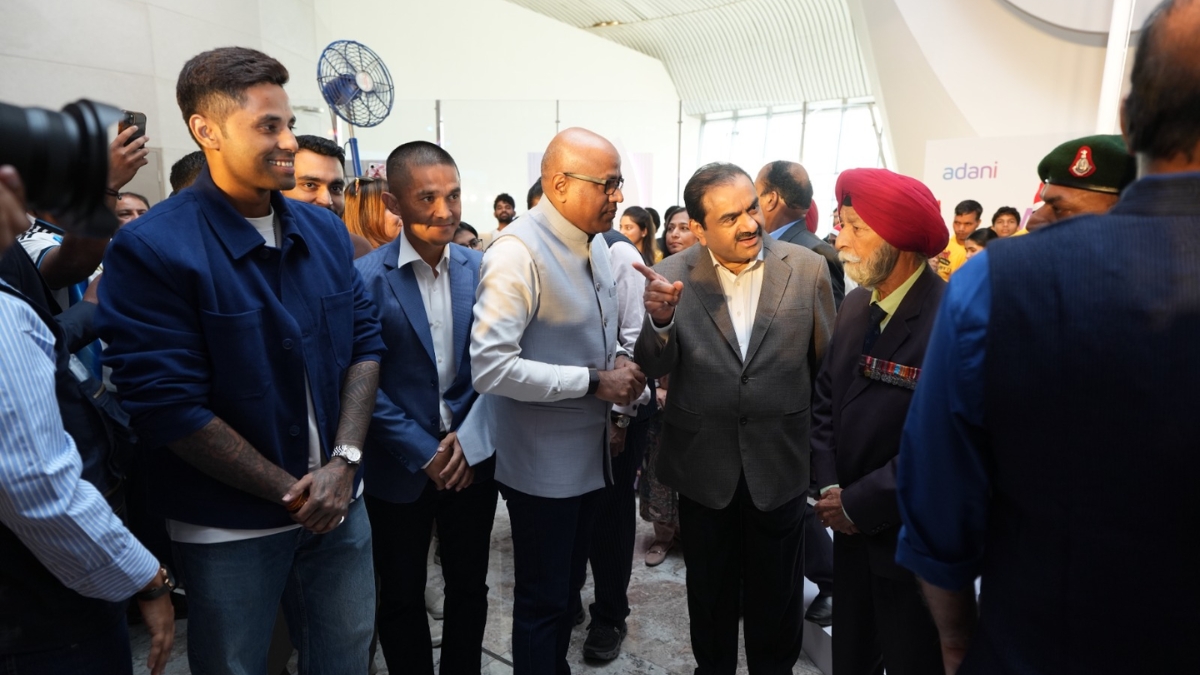
    New Delhi [India], December 25: The opening of Navi Mumbai International Airport (NMIA) began with a moment of national significance, with India’s highest gallantry award recipients forming an integral part of the occasion. Param Vir Chakra awardees Honorary Captain Bana Singh and Major Sanjay Kumar were present during the airport’s inaugural proceedings, shaping a launch rooted in service, duty, and national pride.

    As part of the opening, the two war heroes experienced the airport facilities ahead of the start of commercial operations. Their presence reflected an intent to include those who have served the nation in a defining national milestone, rather than position the moment as a ceremonial display.

    Mr. Gautam Adani was present during the proceedings, joining airport officials and personnel as part of the occasion. The focus throughout remained on participation and shared presence, rather than speeches or spectacle.

    Sharing his experience, Major Sanjay Kumar, Param Vir Chakra awardee, said, “It was a good experience for us. This was the first time we saw the airport in this way. It was good to see such a large organisation and the Army together. Overall, it was a good day for everyone.”

    Standing alongside Honorary Captain Bana Singh, Param Vir Chakra awardee, Major Sanjay Kumar represented the enduring spirit of India’s armed forces. Their participation resonated with airport teams, veterans, and staff present, reinforcing the idea that national progress is built alongside those who serve and protect.

    The inauguration remained understated, with no formal ceremony or public address, allowing the moment to stay grounded in contribution rather than celebration. By placing Param Vir Chakra awardees at the heart of its opening moments, NMIA conveyed a clear message: the nation’s growth story moves forward with its defenders walking alongside it.

    As Navi Mumbai International Airport begins operations, its opening moments reflect a beginning shaped not just by infrastructure but by service to the country.

    If you have any objection to this press release content, kindly contact pr.error.rectification@gmail.com to notify us. We will respond and rectify the situation in the next 24 hours.