Category: Health

  • Maharishi Ayurveda Hospital Introduces a Unique and Modern Ayurvedic OPD Experience

    New Delhi (India), June 1: Maharishi Ayurveda Hospital has unveiled a modern Ayurvedic OPD at its hospital in Shalimar Bagh, Delhi, that promises to revolutionize the traditional Ayurvedic experience. The facility was officially launched on 12th January 2023, the birthday of His Holiness Maharishi Mahesh Yogi, the founder of Maharishi Ayurveda. Unlike traditional Ayurvedic OPDs that are dull and lacklustre, the new centre offers a unique and entertaining approach to Ayurveda.

    Maharishi Ayurveda Hospital thought outside the box and introduced a new OPD concept that tends to entertain, educate, and empower its guests. Visitors can explore a variety of exhibits and gain a comprehensive understanding of Ayurveda in an engaging and interesting way. This new centre is the ideal place to start one’s Ayurvedic journey, particularly for those who have never experienced Ayurveda before.

    Maharishi Ayurveda Hospital’s multi-modality approach involves a comprehensive and holistic approach to healing. In addition to Ayurvedic doctor consultations with pulse diagnosis, the facility offers Ayurvedic treatments, Panchakarma, Transcendental Meditation, and Disease-specific Yoga asanas.

    “I’m proud to say that at Maharishi Ayurveda Hospital, we’ve had the pleasure of serving some of our guests and patients for over 20 years. They come to us not only to address health issues but also to maintain their well-being. Ayurveda has the potential to create a disease-free society, and it’s our mission to help people understand and appreciate its benefits beyond just providing relief. With the launch of our new OPD, we aim to offer a unique and engaging way for people to learn about Ayurveda and its importance in their lives.” Mr. Lakshman Shrivastava, Director, Maharishi Ayurveda Hospital, said.

    “At our hospital, we believe in leading by example. Every member of our staff practices Transcendental Meditation twice a day, which helps to create an environment of peace, coherence, and positivity. Our guests can feel the difference when they come here for their wellness needs.” added Shrivastava, highlighting the hospital’s holistic approach to healthcare.

    The hospital has over 30 rooms with various categories, and it provides only pure, authentic, and consciousness-based Ayurveda treatment. Guests from over 100 countries visit the facility for wellness and treatments. The stays range from a 3-day taste of Ayurveda package to a 21-day all-inclusive Panchakarma package.

    “As the Medical Superintendent of Maharishi Ayurveda Hospital, I strongly believe that every person who seeks our care deserves both expertise and empathy to heal. It is concerning to witness the growing number of chronic health issues resulting from changing lifestyles and diets. Our hospital aims to be the primary treatment provider for such ailments and create a meaningful impact on people’s lives.” explains Dr. Saurabh Sharma

    Health is a precious gift that we often take for granted. However, with the rise of chronic health issues caused by changing lifestyles and diets, it’s more important than ever to prioritize our well-being. Seeking out healthcare options that align with our values and needs is crucial for achieving optimal health. From preventative care to innovative treatments, the healthcare industry offers a wide range of services to support our journey towards wellness. Let’s commit to taking care of ourselves, and to exploring the many paths to a healthy and fulfilling life.

    Website URL – https://www.maharishiayurvedaindia.org/

    If you have any objection to this press release content, kindly contact pr.error.rectification[at]gmail.com to notify us. We will respond and rectify the situation in the next 24 hours.

    The post Maharishi Ayurveda Hospital Introduces a Unique and Modern Ayurvedic OPD Experience first appeared on PNN Digital.

  • Breast Cancer Warning Signs: Best Oncologists’ Advice for Women’s Health Day

    New Delhi (India), May 26: On Women’s Health Day, it serves as a poignant reminder of the crucial role women play in our lives, families, and communities. On this occasion, we shed light on an issue of paramount importance: breast cancer, one of the leading causes of cancer-related deaths among women worldwide. Early detection is pivotal in improving prognosis and increasing survival rates, making it imperative for women to be aware of the early signs and symptoms.

    Here, we have gathered insights from multiple renowned oncologists who share their expert advice on recognizing the initial indications of cancer in a woman.

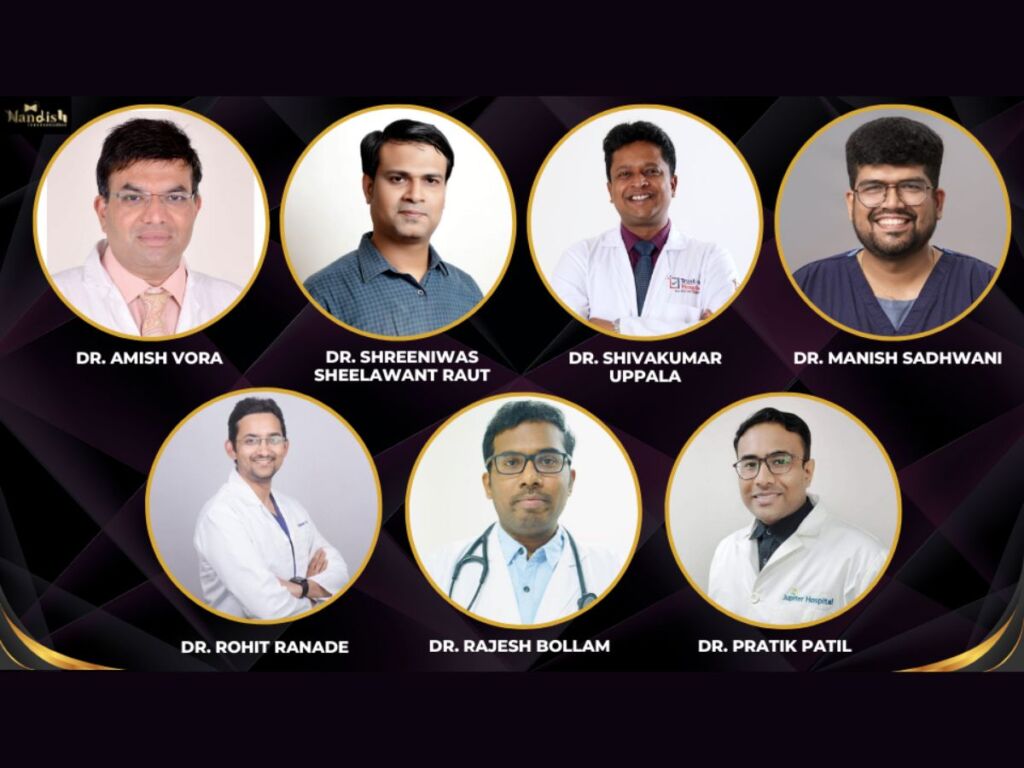
    Dr. Amish Vora, MBBS, MD, DNB, DM – Medical Oncology, Co-founder & Director – HOPE ONCOLOGY CLINIC, New Delhi

    Says as we all have heard, “In case of emergency, oxygen masks will drop down. FIRST PUT AN OXYGEN MASK ON YOURSELF, THEN HELP OTHERS.” This very much applies to women of today. Between family, in-laws, children, and careers, they tend to ignore their own health. On Women’s Health Day, Dr. Amish Vora urges all women in our society to be self-aware of any change in their breasts (size, shape, discharge, lump) or untimely bleeding per vaginum.

    When diagnosed in an early stage, treatment not only cures you but keeps you as a whole without any organ sacrifice. Even today, in 2023, the majority of women diagnosed with ovarian cancer are in stage 3 or 4. Why? Just because they have ignored the symptoms. Checkpoint: any abdominal discomfort or pain for more than 14 days (age more than 40 years); test to be done: please get USG abdomen and CA 125 (a blood test). Last but not least, vaccinate your daughters against cervical cancer.

    Dr. Rajesh Bollam, MBBS (Gold Medalist), DNB, DM (Medical Onco-TMH) MRCP Medical Oncology (UK) European Certified Medical Oncologist, Secunderabad

    Breast cancer can show different signs and symptoms in each individual. It’s important to remember that these signs and symptoms are not exclusive to breast cancer and may also be caused by other health conditions. If you notice any signs, it’s important to consult a healthcare professional for a proper evaluation and diagnosis.

    Lumpiness or thickening in the breast or underarm area is one of the most common signs of breast cancer. Changes in breast shape or size, Breast pain, Changes in the skin texture, such as redness, dimpling, puckering, or the appearance of an orange peel texture. Additionally, any unexplained rashes around the nipple or on the breast should be evaluated. Early detection is key to improving treatment outcomes for breast cancer. It’s crucial to get a professional medical evaluation to determine the underlying cause and find out if you have breast cancer or another potential health issue.

    Dr. Shivakumar Uppala, MBBS, MS, MCH (Surgical Oncology), FAIS, FMAS, Consultant Surgical, Oncologist & Medical Director- Trust in Hospital and North Bangalore Hospital, Bangalore

    Pregnancy and childbirth are the happiest and most exciting times in a woman’s life, but cancer is the most feared disease in the world. Pregnancy-associated breast cancer (PABC) is more aggressive than regular breast cancer and cannot be treated while the patient is pregnant. Dr. Shiva says, “Normally, we advise abortion if the PABC is discovered during the first trimester. If we wait until delivery, cancer can advance from stage 1 to stage 4”. Treatment is postponed until delivery during the third trimester. During the second trimester, patients must decide between PABC treatment after delivery or the risky option of abortion.

    Removing the tumour mass surgically can be done safely, even if the woman is in her eighth or ninth month of pregnancy. Breastfeeding will have to be temporarily discontinued during chemotherapy sessions because the drugs used in the treatment can enter the breast milk and affect the newborn baby. Post-PABC treatment, the chances of chemotherapy affecting a woman’s egg count or fertility are extremely low.

    Dr. Manish Sadhwani, MS MCh (Surgical Oncology), Cancer Surgeon – Airavat Cancer Care, Ahmedabad

    Breast cancer is the most common cancer among females in India and hence needs our utmost attention on two major fronts: screening and early detection. Your screening habits of a monthly self-breast examination and yearly mammography will detect cancer at the earliest possible time. Vigilance by oneself for changes in one’s breast, like any lump, nipple discharge, or skin change, is needed every hour.

    Such symptoms should not create fear in the patient’s mind; rather, she should be proactive and consult a doctor to get them investigated. Such early detection helps effectively achieve a complete cure for the disease. The early-stage disease has options for advanced oncoplasty and breast-preserving surgeries.

    Dr. Pratik Patil, Consultant Oncologist, Jupiter Hospital, Pune

    Breast cancer is the most common cancer in India, with a diagnosis rate of 1 in every 30 females in urban India. Diagnosing it at its earliest stage makes it 100% curable. Although a few females have no symptoms until they appear on a routine mammogram, every female after the age of 40 should get a diagnostic mammogram done.

    A few signs and symptoms of early breast cancer include: Irritated or itchy breasts Change in breast color, increase in breast size or shape (over a short period of time), Changes in touch (which may feel hard, tender, or warm), Peeling or flaking of the nipple skin, A breast lump or thickening, Redness or pitting of the breast skin (like the skin of an orange). The right treatment at the right time by the right doctor is the only mantra for survival from breast cancer.

    Dr. Shreeniwas Sheelawant Raut, DM, HOD, Medical and Hematoncologist, Stem Cell Transplant Physician – Bharti Vidyapeeth and Hospital, Pune

    After treating thousands of patients in a decade of practice, Dr. Shreeniwas Sheelawant Raut said that “the most common early warning sign of breast cancer is a lump in your breast and/or underarm. This is often the first symptom. Your doctor can usually see a lump on a regular mammogram even before you notice it. Another sign is swelling in your armpit or near your collarbone if breast cancer has spread to the lymph nodes in that area. Some may feel kinked or prickly. A flat or scarred area on your breast, Breast changes such as a difference in your breast size, fluid, temperature, changes to your nipple, or A marble-like area under your skin.

    You need to do a biopsy and further imaging for characterization and staging. Ultimately, treatment will be surgery, chemotherapy, radiation therapy, hormonal therapy, and targeted therapy according to her hormonal receptor and her 2-expression status.

    Dr. Rohit Ranade, MS, MCh (Gynecological Oncology), Narayana Health City, Bengaluru

    Gynaecological cancer symptoms can be vague, but early detection is crucial. Only breast and cervical cancer can be identified through screening tests. Recognizing and discussing symptoms with a primary care doctor increases the chances of early detection when treatment is most effective. Gynaecological cancer encompasses uterine, ovarian, cervical, vaginal, vulvar, and breast cancers, mostly affecting postmenopausal women but can occur before menopause.

    Key symptoms to watch for include abnormal uterine bleeding (e.g., heavy, prolonged, intermenstrual spotting), vaginal discharge (unless foul-smelling or blood-tinged), weight loss, reduced appetite, fatigue, ongoing abdominal pain, bloating, and cramps, abdominal distension (possibly ovarian cancer-related), changes in bowel or bladder habits (e.g., constipation, blood in stools, frequency changes), and breast changes or lumps. While these symptoms don’t always indicate cancer, persistent symptoms warrant medical evaluation. Being aware of these signs empowers women to take proactive steps for their health.

    If you have any objection to this press release content, kindly contact pr.error.rectification@gmail.com to notify us. We will respond and rectify the situation in the next 24 hours.

    The post Breast Cancer Warning Signs: Best Oncologists’ Advice for Women’s Health Day first appeared on PNN Digital.

  • Breast Cancer Warning Signs: Best Oncologists’ Advice for Women’s Health Day

    Breast Cancer Warning Signs: Best Oncologists’ Advice for Women’s Health Day

    Read Time:6 Minute, 33 Second

    New Delhi (India), May 26: On Women’s Health Day, it serves as a poignant reminder of the crucial role women play in our lives, families, and communities. On this occasion, we shed light on an issue of paramount importance: breast cancer, one of the leading causes of cancer-related deaths among women worldwide. Early detection is pivotal in improving prognosis and increasing survival rates, making it imperative for women to be aware of the early signs and symptoms.

    Here, we have gathered insights from multiple renowned oncologists who share their expert advice on recognizing the initial indications of cancer in a woman.

    Dr. Amish Vora, MBBS, MD, DNB, DM – Medical Oncology, Co-founder & Director – HOPE ONCOLOGY CLINIC, New Delhi

    Says as we all have heard, “In case of emergency, oxygen masks will drop down. FIRST PUT AN OXYGEN MASK ON YOURSELF, THEN HELP OTHERS.” This very much applies to women of today. Between family, in-laws, children, and careers, they tend to ignore their own health. On Women’s Health Day, Dr. Amish Vora urges all women in our society to be self-aware of any change in their breasts (size, shape, discharge, lump) or untimely bleeding per vaginum.

    When diagnosed in an early stage, treatment not only cures you but keeps you as a whole without any organ sacrifice. Even today, in 2023, the majority of women diagnosed with ovarian cancer are in stage 3 or 4. Why? Just because they have ignored the symptoms. Checkpoint: any abdominal discomfort or pain for more than 14 days (age more than 40 years); test to be done: please get USG abdomen and CA 125 (a blood test). Last but not least, vaccinate your daughters against cervical cancer.

    Dr. Rajesh Bollam, MBBS (Gold Medalist), DNB, DM (Medical Onco-TMH) MRCP Medical Oncology (UK) European Certified Medical Oncologist, Secunderabad

    Breast cancer can show different signs and symptoms in each individual. It’s important to remember that these signs and symptoms are not exclusive to breast cancer and may also be caused by other health conditions. If you notice any signs, it’s important to consult a healthcare professional for a proper evaluation and diagnosis.

    Lumpiness or thickening in the breast or underarm area is one of the most common signs of breast cancer. Changes in breast shape or size, Breast pain, Changes in the skin texture, such as redness, dimpling, puckering, or the appearance of an orange peel texture. Additionally, any unexplained rashes around the nipple or on the breast should be evaluated. Early detection is key to improving treatment outcomes for breast cancer. It’s crucial to get a professional medical evaluation to determine the underlying cause and find out if you have breast cancer or another potential health issue.

    Dr. Shivakumar Uppala, MBBS, MS, MCH (Surgical Oncology), FAIS, FMAS, Consultant Surgical, Oncologist & Medical Director- Trust in Hospital and North Bangalore Hospital, Bangalore

    Pregnancy and childbirth are the happiest and most exciting times in a woman’s life, but cancer is the most feared disease in the world. Pregnancy-associated breast cancer (PABC) is more aggressive than regular breast cancer and cannot be treated while the patient is pregnant. Dr. Shiva says, “Normally, we advise abortion if the PABC is discovered during the first trimester. If we wait until delivery, cancer can advance from stage 1 to stage 4”. Treatment is postponed until delivery during the third trimester. During the second trimester, patients must decide between PABC treatment after delivery or the risky option of abortion.

    Removing the tumour mass surgically can be done safely, even if the woman is in her eighth or ninth month of pregnancy. Breastfeeding will have to be temporarily discontinued during chemotherapy sessions because the drugs used in the treatment can enter the breast milk and affect the newborn baby. Post-PABC treatment, the chances of chemotherapy affecting a woman’s egg count or fertility are extremely low.

    Dr. Manish Sadhwani, MS MCh (Surgical Oncology), Cancer Surgeon – Airavat Cancer Care, Ahmedabad

    Breast cancer is the most common cancer among females in India and hence needs our utmost attention on two major fronts: screening and early detection. Your screening habits of a monthly self-breast examination and yearly mammography will detect cancer at the earliest possible time. Vigilance by oneself for changes in one’s breast, like any lump, nipple discharge, or skin change, is needed every hour.

    Such symptoms should not create fear in the patient’s mind; rather, she should be proactive and consult a doctor to get them investigated. Such early detection helps effectively achieve a complete cure for the disease. The early-stage disease has options for advanced oncoplasty and breast-preserving surgeries.

    Dr. Pratik Patil, Consultant Oncologist, Jupiter Hospital, Pune

    Breast cancer is the most common cancer in India, with a diagnosis rate of 1 in every 30 females in urban India. Diagnosing it at its earliest stage makes it 100% curable. Although a few females have no symptoms until they appear on a routine mammogram, every female after the age of 40 should get a diagnostic mammogram done.

    A few signs and symptoms of early breast cancer include: Irritated or itchy breasts Change in breast color, increase in breast size or shape (over a short period of time), Changes in touch (which may feel hard, tender, or warm), Peeling or flaking of the nipple skin, A breast lump or thickening, Redness or pitting of the breast skin (like the skin of an orange). The right treatment at the right time by the right doctor is the only mantra for survival from breast cancer.

    Dr. Shreeniwas Sheelawant Raut, DM, HOD, Medical and Hematoncologist, Stem Cell Transplant Physician – Bharti Vidyapeeth and Hospital, Pune

    After treating thousands of patients in a decade of practice, Dr. Shreeniwas Sheelawant Raut said that “the most common early warning sign of breast cancer is a lump in your breast and/or underarm. This is often the first symptom. Your doctor can usually see a lump on a regular mammogram even before you notice it. Another sign is swelling in your armpit or near your collarbone if breast cancer has spread to the lymph nodes in that area. Some may feel kinked or prickly. A flat or scarred area on your breast, Breast changes such as a difference in your breast size, fluid, temperature, changes to your nipple, or A marble-like area under your skin.

    You need to do a biopsy and further imaging for characterization and staging. Ultimately, treatment will be surgery, chemotherapy, radiation therapy, hormonal therapy, and targeted therapy according to her hormonal receptor and her 2-expression status.

    Dr. Rohit Ranade, MS, MCh (Gynecological Oncology), Narayana Health City, Bengaluru

    Gynaecological cancer symptoms can be vague, but early detection is crucial. Only breast and cervical cancer can be identified through screening tests. Recognizing and discussing symptoms with a primary care doctor increases the chances of early detection when treatment is most effective. Gynaecological cancer encompasses uterine, ovarian, cervical, vaginal, vulvar, and breast cancers, mostly affecting postmenopausal women but can occur before menopause.

    Key symptoms to watch for include abnormal uterine bleeding (e.g., heavy, prolonged, intermenstrual spotting), vaginal discharge (unless foul-smelling or blood-tinged), weight loss, reduced appetite, fatigue, ongoing abdominal pain, bloating, and cramps, abdominal distension (possibly ovarian cancer-related), changes in bowel or bladder habits (e.g., constipation, blood in stools, frequency changes), and breast changes or lumps. While these symptoms don’t always indicate cancer, persistent symptoms warrant medical evaluation. Being aware of these signs empowers women to take proactive steps for their health.

    If you have any objection to this press release content, kindly contact pr.error.rectification@gmail.com to notify us. We will respond and rectify the situation in the next 24 hours.

    The post Breast Cancer Warning Signs: Best Oncologists’ Advice for Women’s Health Day appeared first on Republic News Today.

  • Concept Medical Receives Third US FDA’s IDE Approval for Its Magictouch – Sirolimus Coated Balloon in Small Vessel Indication

    Surat (Gujarat) [India], May 1: Concept Medical Inc. (CMI), a global leader in drug delivery devices, has received its third Investigational Device Exemption (IDE) approval from the US Food and Drug Administration (FDA) for its novel Sirolimus-coated balloon, Magic Touch SCB, for the treatment of Small Vessels (SV) in coronary arteries. This milestone comes after CMI received IDE approvals for Magic Touch SCB to treat Coronary In-Stent Restenosis (ISR) in September 2022 and Magic Touch PTA to treat “Below the Knee” Peripheral Arterial Diseases (PAD) in February 2022.

    Small vessel disease affects up to 30% of patients undergoing PCI, and revascularization of small vessels is challenging due to increased technical failure rates and an elevated risk of restenosis with PCI, which can result in repeated interventions. Small Vessel Disease is also a predictor of Major Adverse Cardiac Events (MACE). The IDE approval allows Concept Medical to conduct pivotal clinical studies to gather safety and effectiveness data for the Magic Touch Sirolimus Coated Balloon in small vessel coronary disease. This data will support a future pre-market approval (PMA) application in the USA, providing patients and physicians with an alternate product for the treatment of CAD.

    The CE approved Magic Touch SCB is the world’s first Sirolimus-coated Balloon with extensive commercial usage in Europe, major markets of Asia, and the Middle Eastern markets, with over 100,000 patients treated with Magic Touch SCB in these markets. CMI has the distinction of developing the world’s first Sirolimus Coated Balloon and Drug-eluting stent, with over 114 granted patents for its drug delivery platforms. The company has even completed Clinical Trials in Japan, with an expected PMDA approval in Japan soon. These USFDA IDE approvals provide CMI with access to the US market.

    Currently, there are no FDA approved Drug Coated Balloons for the treatment of CAD in the USA, and the patients are limited to the availability of Drug Eluting Stents and uncoated Balloons. MagicTouch has already been widely studied globally in multiple clinical trials, most notably the EASTBOURNE Registry (2123 patients), NANOLUTE, and ongoing trials like the TRANSFORM 1, TRANSFORM 2, GINGER, TITAN, and Hybrid Bifurcation DEB. Sirolimus has already proven to be safer in coronary artery disease treatment.

    Notably, no Indian company has received IDE approval for a Drug-Coated Balloon in the USA, either in the Peripheral or Coronary indications. CMI’s innovation and success in obtaining three IDE approvals in different treatment indications highlight India’s research capabilities in the medical field. This achievement has the potential to be a game changer for the healthcare industry, healthcare professionals, and patients at large, providing with an alternate product for the treatment CAD & PAD.

    Dr. Martin Leon, Founder of the Cardiovascular Research Foundation, will lead the coming IDE trials and stresses the importance of this achievement, stating, “The FDA-approval to initiate the MAGICAL -SV Clinical trial using the Magic Touch sirolimus-covered balloon with nanolute technology represents a landmark event in our decades-long quest to find an optimal therapy to manage patients with small vessel coronary obstructive disease.”

    Dr Manish Doshi, founder and managing director of Concept Medical, expressed his appreciation for the approvals, stating, “We are deeply honored to receive three IDE approvals from the US FDA for our Sirolimus drug-coated balloons for the treatment of coronary and peripheral arterial diseases. This brings us closer to offering innovative treatment options to patients in the US and represents a significant leap in the field of Vascular Space for our flagship product, ‘Magic Touch,’ which is the world’s first Sirolimus Coated Balloon with roots in INDIA making the country proud.”

    About MagicTouch SCB:

    MagicTouch SCB is a CE marked and commercially marketed Sirolimus-coated balloon developed by Concept Medical, using proprietary Nanoluté Technology. MagicTouch SCB has been used in >50,000 patients in major global markets.

    About Concept Medical Inc (CMI):

    CMI is headquartered in Tampa, Florida, and has operational offices in The Netherlands, Singapore, and Brazil, with manufacturing units in India. CMI specializes in developing drug-delivery systems and has unique and patented technology platforms that can be deployed to deliver any drug/pharmaceutical agent across the luminal surfaces of blood vessels.

    If you have any objection to this press release content, kindly contact pr.error.rectification[at]gmail.com to notify us. We will respond and rectify the situation in the next 24 hours.

    The post Concept Medical Receives Third US FDA’s IDE Approval for Its Magictouch – Sirolimus Coated Balloon in Small Vessel Indication first appeared on PNN Digital.

  • Concept Medical Receives Third US FDA’s IDE Approval for Its Magictouch – Sirolimus Coated Balloon in Small Vessel Indication

    Concept Medical Receives Third US FDA’s IDE Approval for Its Magictouch – Sirolimus Coated Balloon in Small Vessel Indication

    Read Time:3 Minute, 44 Second

    Surat (Gujarat) [India], May 1: Concept Medical Inc. (CMI), a global leader in drug delivery devices, has received its third Investigational Device Exemption (IDE) approval from the US Food and Drug Administration (FDA) for its novel Sirolimus-coated balloon, Magic Touch SCB, for the treatment of Small Vessels (SV) in coronary arteries. This milestone comes after CMI received IDE approvals for Magic Touch SCB to treat Coronary In-Stent Restenosis (ISR) in September 2022 and Magic Touch PTA to treat “Below the Knee” Peripheral Arterial Diseases (PAD) in February 2022.

    Small vessel disease affects up to 30% of patients undergoing PCI, and revascularization of small vessels is challenging due to increased technical failure rates and an elevated risk of restenosis with PCI, which can result in repeated interventions. Small Vessel Disease is also a predictor of Major Adverse Cardiac Events (MACE). The IDE approval allows Concept Medical to conduct pivotal clinical studies to gather safety and effectiveness data for the Magic Touch Sirolimus Coated Balloon in small vessel coronary disease. This data will support a future pre-market approval (PMA) application in the USA, providing patients and physicians with an alternate product for the treatment of CAD.

    The CE approved Magic Touch SCB is the world’s first Sirolimus-coated Balloon with extensive commercial usage in Europe, major markets of Asia, and the Middle Eastern markets, with over 100,000 patients treated with Magic Touch SCB in these markets. CMI has the distinction of developing the world’s first Sirolimus Coated Balloon and Drug-eluting stent, with over 114 granted patents for its drug delivery platforms. The company has even completed Clinical Trials in Japan, with an expected PMDA approval in Japan soon. These USFDA IDE approvals provide CMI with access to the US market.

    Currently, there are no FDA approved Drug Coated Balloons for the treatment of CAD in the USA, and the patients are limited to the availability of Drug Eluting Stents and uncoated Balloons. MagicTouch has already been widely studied globally in multiple clinical trials, most notably the EASTBOURNE Registry (2123 patients), NANOLUTE, and ongoing trials like the TRANSFORM 1, TRANSFORM 2, GINGER, TITAN, and Hybrid Bifurcation DEB. Sirolimus has already proven to be safer in coronary artery disease treatment.

    Notably, no Indian company has received IDE approval for a Drug-Coated Balloon in the USA, either in the Peripheral or Coronary indications. CMI’s innovation and success in obtaining three IDE approvals in different treatment indications highlight India’s research capabilities in the medical field. This achievement has the potential to be a game changer for the healthcare industry, healthcare professionals, and patients at large, providing with an alternate product for the treatment CAD & PAD.

    Dr. Martin Leon, Founder of the Cardiovascular Research Foundation, will lead the coming IDE trials and stresses the importance of this achievement, stating, “The FDA-approval to initiate the MAGICAL -SV Clinical trial using the Magic Touch sirolimus-covered balloon with nanolute technology represents a landmark event in our decades-long quest to find an optimal therapy to manage patients with small vessel coronary obstructive disease.”

    Dr Manish Doshi, founder and managing director of Concept Medical, expressed his appreciation for the approvals, stating, “We are deeply honored to receive three IDE approvals from the US FDA for our Sirolimus drug-coated balloons for the treatment of coronary and peripheral arterial diseases. This brings us closer to offering innovative treatment options to patients in the US and represents a significant leap in the field of Vascular Space for our flagship product, ‘Magic Touch,’ which is the world’s first Sirolimus Coated Balloon with roots in INDIA making the country proud.”

    About MagicTouch SCB:

    MagicTouch SCB is a CE marked and commercially marketed Sirolimus-coated balloon developed by Concept Medical, using proprietary Nanoluté Technology. MagicTouch SCB has been used in >50,000 patients in major global markets.

    About Concept Medical Inc (CMI):

    CMI is headquartered in Tampa, Florida, and has operational offices in The Netherlands, Singapore, and Brazil, with manufacturing units in India. CMI specializes in developing drug-delivery systems and has unique and patented technology platforms that can be deployed to deliver any drug/pharmaceutical agent across the luminal surfaces of blood vessels.

    If you have any objection to this press release content, kindly contact pr.error.rectification[at]gmail.com to notify us. We will respond and rectify the situation in the next 24 hours.

    The post Concept Medical Receives Third US FDA’s IDE Approval for Its Magictouch – Sirolimus Coated Balloon in Small Vessel Indication appeared first on Republic News Today.
  • On the eve of World Cancer Day, Global Healthcare Advisor Vijay Dhawangale shares his views on awareness in the fight against cancer

    Vijay Dhawangale, a global healthcare advisor, offers his thoughts on raising awareness against cancer

    Mumbai (Maharashtra) [India], February 3: World Cancer Day is held every year on 4 February to raise worldwide awareness in the fight against cancer. The three most commonly occurring cancers in India are those of the breast, uterine cervix, and lip/oral cavity. Together, they account for approximately 35% of all cancers in India and constitute a public health priority. Screening is effective in the prevention and early detection of Breast Cancer, Cervical Cancer, and Oral Cancer said Global Healthcare Advisor Vijay Dhawangale in a virtual conference held on the eve of World Cancer Day.

    According to a paper published by the National Library of Medicine, In India, nearly 70% of the cancers; 40% of the preventable cancers are tobacco-related, 20% are infection-related, and 10% are due to other causes. Alcohol has been recognised as the second leading risk factor in India, strongly associated with gastrointestinal cancers. The human papillomavirus (HPV) and hepatitis B virus, which cause cervical and liver cancer, respectively, have vaccines. Overall, around 20% of all cancers may be attributable to diet and related factors including obesity. Despite this, more than 80% of the people with cancer present to the facilities at advanced stages. Therefore, it is imperative that cancer prevention should be made an integral part of the health interventions and should be rapidly extended to primary healthcare services and facilities said Dhawangale.

    According to Vijay Dhawangale, there is a need to generate awareness among the general population and train healthcare professionals in diagnosing cancers at an earlier stage. This can only be achieved by integrating cancer care services in the primary healthcare system as it is usually the first point of contact of the diseased individual with the health system. Our experience with COVID-19 has shown us what we can do when we all unite against a common threat.

    While addressing the members of the Global Association of Government Service Providers, he explained the common diagnosis for cancer such as

    Physical Examination:  Your doctor may feel areas of your body for lumps that may indicate cancer. During a physical exam, your doctor may look for abnormalities, such as changes in skin color or enlargement of an organ, that may indicate the presence of cancer.

    Laboratory Tests:  Laboratory tests, such as urine and blood tests, may help your doctor identify abnormalities that can be caused by cancer. For instance, in people with leukemia, a common blood test called complete blood count may reveal an unusual number or type of white blood cells.

    Imaging Tests:  Imaging tests allow your doctor to examine your bones and internal organs in a non-invasive way. Imaging tests used in diagnosing cancer may include a computerized tomography (CT) scan, bone scan, magnetic resonance imaging (MRI), positron emission tomography (PET) scan, ultrasound, and X-ray, among others.

    Biopsy:  During a biopsy, your doctor collects a sample of cells for testing in the laboratory. There are several ways of collecting a sample. Which biopsy procedure is right for you depends on your type of cancer and its location. In most situations, a biopsy is the only way to definitively diagnose cancer.

    Chronic infections commonly caused by viruses are estimated to cause approximately 16% of all cancers globally. Some of the most common forms of cancers such as liver, cervical and stomach cancers are associated with infections with the hepatitis B virus (HBV), the human papillomavirus (HPV), and the bacterium Helicobacter pylori virus (H, pylori), respectively. Today, there are safe and effective vaccines against HBV and HPV, which can help to protect against infection-related cancers of liver and cervical cancers.

    Most of India’s population lives in rural areas, for effective cancer prevention, integration of cancer care services in the primary healthcare system is the most appropriate strategy in the Indian context. Not every type of cancer is preventable, but we do know we can prevent many cancers through lifestyle choices alone. According to the World Health Organization, at least one-third of common cancers are preventable through a healthy diet, maintaining a healthy weight, and being physically active. said, Vijay.

    Who is Vijay Dhawangale

    Vijay Dhawangale is a philanthropist, mentor, successful entrepreneur, venture capitalist, and global healthcare advisor. Passionate about giving back to his community and the world, he is active in many local and global organizations. His model of Preventive Diagnostics Programs around the world involves deeper strategies for local and state-level implementation. The initiative provides a package of essential diagnostic services free of cost across all public health facilities using innovative, low-cost technology. He is particularly vocal about access to quality healthcare for all.

     If you have any objection to this press release content, kindly contact pr.error.rectification[at]gmail.com to notify us. We will respond and rectify the situation in the next 24 hours.

    The post On the eve of World Cancer Day, Global Healthcare Advisor Vijay Dhawangale shares his views on awareness in the fight against cancer first appeared on PNN Digital.

  • On the eve of World Cancer Day, Global Healthcare Advisor Vijay Dhawangale shares his views on awareness in the fight against cancer

    On the eve of World Cancer Day, Global Healthcare Advisor Vijay Dhawangale shares his views on awareness in the fight against cancer

    Read Time:4 Minute, 5 Second

    Vijay Dhawangale, a global healthcare advisor, offers his thoughts on raising awareness against cancer

    Mumbai (Maharashtra) [India], February 3: World Cancer Day is held every year on 4 February to raise worldwide awareness in the fight against cancer. The three most commonly occurring cancers in India are those of the breast, uterine cervix, and lip/oral cavity. Together, they account for approximately 35% of all cancers in India and constitute a public health priority. Screening is effective in the prevention and early detection of Breast Cancer, Cervical Cancer, and Oral Cancer said Global Healthcare Advisor Vijay Dhawangale in a virtual conference held on the eve of World Cancer Day.

    According to a paper published by the National Library of Medicine, In India, nearly 70% of the cancers; 40% of the preventable cancers are tobacco-related, 20% are infection-related, and 10% are due to other causes. Alcohol has been recognised as the second leading risk factor in India, strongly associated with gastrointestinal cancers. The human papillomavirus (HPV) and hepatitis B virus, which cause cervical and liver cancer, respectively, have vaccines. Overall, around 20% of all cancers may be attributable to diet and related factors including obesity. Despite this, more than 80% of the people with cancer present to the facilities at advanced stages. Therefore, it is imperative that cancer prevention should be made an integral part of the health interventions and should be rapidly extended to primary healthcare services and facilities said Dhawangale.

    According to Vijay Dhawangale, there is a need to generate awareness among the general population and train healthcare professionals in diagnosing cancers at an earlier stage. This can only be achieved by integrating cancer care services in the primary healthcare system as it is usually the first point of contact of the diseased individual with the health system. Our experience with COVID-19 has shown us what we can do when we all unite against a common threat.

    While addressing the members of the Global Association of Government Service Providers, he explained the common diagnosis for cancer such as

    Physical Examination:  Your doctor may feel areas of your body for lumps that may indicate cancer. During a physical exam, your doctor may look for abnormalities, such as changes in skin color or enlargement of an organ, that may indicate the presence of cancer.

    Laboratory Tests:  Laboratory tests, such as urine and blood tests, may help your doctor identify abnormalities that can be caused by cancer. For instance, in people with leukemia, a common blood test called complete blood count may reveal an unusual number or type of white blood cells.

    Imaging Tests:  Imaging tests allow your doctor to examine your bones and internal organs in a non-invasive way. Imaging tests used in diagnosing cancer may include a computerized tomography (CT) scan, bone scan, magnetic resonance imaging (MRI), positron emission tomography (PET) scan, ultrasound, and X-ray, among others.

    Biopsy:  During a biopsy, your doctor collects a sample of cells for testing in the laboratory. There are several ways of collecting a sample. Which biopsy procedure is right for you depends on your type of cancer and its location. In most situations, a biopsy is the only way to definitively diagnose cancer.

    Chronic infections commonly caused by viruses are estimated to cause approximately 16% of all cancers globally. Some of the most common forms of cancers such as liver, cervical and stomach cancers are associated with infections with the hepatitis B virus (HBV), the human papillomavirus (HPV), and the bacterium Helicobacter pylori virus (H, pylori), respectively. Today, there are safe and effective vaccines against HBV and HPV, which can help to protect against infection-related cancers of liver and cervical cancers.

    Most of India’s population lives in rural areas, for effective cancer prevention, integration of cancer care services in the primary healthcare system is the most appropriate strategy in the Indian context. Not every type of cancer is preventable, but we do know we can prevent many cancers through lifestyle choices alone. According to the World Health Organization, at least one-third of common cancers are preventable through a healthy diet, maintaining a healthy weight, and being physically active. said, Vijay.

    Who is Vijay Dhawangale

    Vijay Dhawangale is a philanthropist, mentor, successful entrepreneur, venture capitalist, and global healthcare advisor. Passionate about giving back to his community and the world, he is active in many local and global organizations. His model of Preventive Diagnostics Programs around the world involves deeper strategies for local and state-level implementation. The initiative provides a package of essential diagnostic services free of cost across all public health facilities using innovative, low-cost technology. He is particularly vocal about access to quality healthcare for all.

     If you have any objection to this press release content, kindly contact pr.error.rectification[at]gmail.com to notify us. We will respond and rectify the situation in the next 24 hours.

    The post On the eve of World Cancer Day, Global Healthcare Advisor Vijay Dhawangale shares his views on awareness in the fight against cancer appeared first on Republic News Today.

  • Revolutionary i-Align technique simplifies joint replacement with minimal invasion and best outcome: Dr. Pratul Jain

    Revolutionary i-Align technique simplifies joint replacement with minimal invasion and best outcome: Dr. Pratul Jain

    February 1: “Excruciating pain, the long recovery process, and fat operation costs are major concerns of people suffering from issues related to joint pain in their bodies,” says Dr. Pratul Jain, Director &senior orthopedic and joint replacement surgeon of Ginni Devi Hospital – Jaipur, Rajasthan.

    In his career spanning decades, Dr. Pratul Jain feels that people live most of their lives in agonizing joint pain to avoid operations and its recovery process. This can not only disrupt their day-to-day activities but also have a deep mental and emotional impact. But, in spite of these, there are a number of people who will choose to get treated rather than suffer lifelong.

    It is a grave misunderstanding that to treat joint pain one has to compulsorily get operated on and go through a long, painful recovery process. Traditionally, a knee or hip replacement surgery would entail a lengthy, invasive procedure that is costly as well.

    Regardless of age, people suffer from pain in the shoulders, wrists, elbows, spine & back, hips, and knees. Joint issues can be a result of diseases, accidents, aging, or sometimes congenital conditions. Many times, joint discomfort or pain can be effectively treated with medicines and proper exercises. As many as 90% of patients can prevent joint surgeries through timely care and proper medicines coupled with physiotherapy. It is the remaining 10% are patients in advanced stages who are recommended surgeries.

    Thankfully, today we live in an age of scientific advancement where revolutionary technologies are reducing the perils of medical procedures.

    One such technological miracle is the i-Align technique which is practically a boon for joint surgeries. The inventor of i-Aligntechnique, Dr. Pratul Jain uses this technique for various joint surgeries like hip and knee replacement and ligament surgeries. In this technique, computerized ligament balancing (Intelligent Alignment) is done through a small invasion which corrects the deformity. Apart from this, the procedure lasts for a lifetime and the joints experience lesser depreciation as well. As there is minimal invasion in this procedure, the recovery process is quick and patients experience the least amount of pain. The surgery gets done within 15-20 minutes which also leads to lesser chances of infections. This becomes crucial for those who are already suffering from other underlining conditions like diabetes.

    Operational since 1991, the Ginni Devi Hospital has successfully conducted over 15,000 surgeries and touched over 2,00,000 lives to date. It offers 360° services and cares post-surgery like regular physiotherapy and medications.

    Dr. Pratul Jain completed his education in England and a Fellowship in Robotic Assisted Knee Surgery from Singapore. He returned to India and worked with hospitals of national and international repute.

    The establishment of “The Centre of Excellence for Joint Replacement surgeries” at Ginni Devi Hospital fulfilled his dream of establishing a medical center for all types of joint replacement surgeries with technologies that stand on par with international levels.

    The Department boasts of modern facilities like modular operation theatres, advanced ICUs, air-conditioned rooms and an expert team of orthopedic surgeons & doctors, and well-trained staff. Employing the benefits of the latest technology, doctors & surgeons of the hospital diagnose, evaluate, and treat problems of the musculoskeletal system (bones, joints, ligaments, etc.).

    At the new Centre of Excellence of Joint Replacement Wing at the Ginni Devi Orthopaedic Hospital, more than 100 joint replacement surgeries are successfully carried out every month and over 1000 in a year which is the highest in the region. People not only from Jaipur but from all of Rajasthan visit the Ginni Devi hospital for joint replacement surgeries.

    Dr. Jain firmly believes that money should never be an impediment for anyone to lead a healthy and fulfilling life. People from all demographic and economic backgrounds suffer from medical conditions or emergencies. With a humanitarian aim of serving anyone who suffers from joint issues, Dr. Jain has always been eager to help and attended to as many patients as possible through the Chiranjeevi and RGHS Schemes.

    www.gdmh.org

    If you have any objection to this press release content, kindly contact pr.error.rectification[at]gmail.com to notify us. We will respond and rectify the situation in the next 24 hours.

    The post Revolutionary i-Align technique simplifies joint replacement with minimal invasion and best outcome: Dr. Pratul Jain first appeared on PNN Digital.

  • Revolutionary i-Align technique simplifies joint replacement with minimal invasion and best outcome: Dr. Pratul Jain

    Revolutionary i-Align technique simplifies joint replacement with minimal invasion and best outcome: Dr. Pratul Jain

    Read Time:3 Minute, 31 Second

    February 1: “Excruciating pain, the long recovery process, and fat operation costs are major concerns of people suffering from issues related to joint pain in their bodies,” says Dr. Pratul Jain, Director &senior orthopedic and joint replacement surgeon of Ginni Devi Hospital – Jaipur, Rajasthan.

    In his career spanning decades, Dr. Pratul Jain feels that people live most of their lives in agonizing joint pain to avoid operations and its recovery process. This can not only disrupt their day-to-day activities but also have a deep mental and emotional impact. But, in spite of these, there are a number of people who will choose to get treated rather than suffer lifelong.

    It is a grave misunderstanding that to treat joint pain one has to compulsorily get operated on and go through a long, painful recovery process. Traditionally, a knee or hip replacement surgery would entail a lengthy, invasive procedure that is costly as well.

    Regardless of age, people suffer from pain in the shoulders, wrists, elbows, spine & back, hips, and knees. Joint issues can be a result of diseases, accidents, aging, or sometimes congenital conditions. Many times, joint discomfort or pain can be effectively treated with medicines and proper exercises. As many as 90% of patients can prevent joint surgeries through timely care and proper medicines coupled with physiotherapy. It is the remaining 10% are patients in advanced stages who are recommended surgeries.

    Thankfully, today we live in an age of scientific advancement where revolutionary technologies are reducing the perils of medical procedures.

    One such technological miracle is the i-Align technique which is practically a boon for joint surgeries. The inventor of i-Aligntechnique, Dr. Pratul Jain uses this technique for various joint surgeries like hip and knee replacement and ligament surgeries. In this technique, computerized ligament balancing (Intelligent Alignment) is done through a small invasion which corrects the deformity. Apart from this, the procedure lasts for a lifetime and the joints experience lesser depreciation as well. As there is minimal invasion in this procedure, the recovery process is quick and patients experience the least amount of pain. The surgery gets done within 15-20 minutes which also leads to lesser chances of infections. This becomes crucial for those who are already suffering from other underlining conditions like diabetes.

    Operational since 1991, the Ginni Devi Hospital has successfully conducted over 15,000 surgeries and touched over 2,00,000 lives to date. It offers 360° services and cares post-surgery like regular physiotherapy and medications.

    Dr. Pratul Jain completed his education in England and a Fellowship in Robotic Assisted Knee Surgery from Singapore. He returned to India and worked with hospitals of national and international repute.

    The establishment of “The Centre of Excellence for Joint Replacement surgeries” at Ginni Devi Hospital fulfilled his dream of establishing a medical center for all types of joint replacement surgeries with technologies that stand on par with international levels.

    The Department boasts of modern facilities like modular operation theatres, advanced ICUs, air-conditioned rooms and an expert team of orthopedic surgeons & doctors, and well-trained staff. Employing the benefits of the latest technology, doctors & surgeons of the hospital diagnose, evaluate, and treat problems of the musculoskeletal system (bones, joints, ligaments, etc.).

    At the new Centre of Excellence of Joint Replacement Wing at the Ginni Devi Orthopaedic Hospital, more than 100 joint replacement surgeries are successfully carried out every month and over 1000 in a year which is the highest in the region. People not only from Jaipur but from all of Rajasthan visit the Ginni Devi hospital for joint replacement surgeries.

    Dr. Jain firmly believes that money should never be an impediment for anyone to lead a healthy and fulfilling life. People from all demographic and economic backgrounds suffer from medical conditions or emergencies. With a humanitarian aim of serving anyone who suffers from joint issues, Dr. Jain has always been eager to help and attended to as many patients as possible through the Chiranjeevi and RGHS Schemes.

    www.gdmh.org

    If you have any objection to this press release content, kindly contact pr.error.rectification[at]gmail.com to notify us. We will respond and rectify the situation in the next 24 hours.

    The post Revolutionary i-Align technique simplifies joint replacement with minimal invasion and best outcome: Dr. Pratul Jain appeared first on Republic News Today.

  • Introducing MOI: India’s only Tens + Heating Device For Period Pain

    Introducing MOI: India’s only Tens + Heating Device For Period Pain

    Read Time:2 Minute, 44 Second

    MOI: India’s only Tens + Heating Device For Period Pain

    India’s First & Only TENS + Heating Period Pain Relief Device

    Truly Wireless, Wearable & On-the-go Use

    100% Drug-free, Zero Side Effects, and Skin-friendly

    New Delhi (India), January 27: “Life doesn’t stop during PMS, so why should you?”

    With this mantra in mind, UltrcareCare Pro has engineered MOI – an instant period pain relief device for all unstoppable women out there.

    The dual-action technology combines TENS + Heat in MOI – to give it an edge over any other period relief products in the market. Moi relieves period pain at a much faster pace than an ordinary heating pad or pills. Moi is a safer and better alternative to the current period pain relief products. Wireless by function, discrete by design, and comfortable by material – Moi provides all-day pelvic relief. Wearing MOI is as convenient as wearing a smartwatch. Whether it’s a morning walk or a hectic day office, the discreet design of MOI supports women seamlessly to make PMS easier.

    How does MOI work?

    Plug & play MOI provides the advantage of TENS & heat therapy in a single device. The soothing electric pulse from TENS stimulates nerve cells to block the transmission of pain signals from reaching the brain and encourages the body’s natural pain killer – ‘endorphins’ to release. Additionally, the inbuilt Heating relaxes abdominal muscles to ease the pain and elevate the mood.

    Functions & Features of MOI

    MOI has 5 operating modes of TENS intensity, providing tailor-made comfort of period pain relief. At the push of buttons different modes, intensities and temperatures can be controlled. Choose a comfortable temperature from low(39°C), medium(42°C) to high(45°C).

    What Makes MOI different?

    • Struggling with messy wires is quite a challenge with existing period pain relief devices. MOI is free of clutter and truly wireless in operation. One can move with ease without worrying about damaging the device or turning without snapping a cable.
    • The sleek, lightweight & portable features of MOI make it easy to use and convenient to carry. With long hours of battery life, MOI is rechargeable via a USB port – giving it quick and convenient access.
    • MOI comes with two reusable electrode pads so that you can use them for a longer time.
    • MOI is designed to stick comfortably and discreetly to the abdomen or lower back.
    • MOI provides instant relief from cramps and provides up to 20 hours of use.
    • Apart from period pain, Moi can also be used to manage back and leg pain.

    Safe, Natural & Skin-friendly

    MOI is free from drugs or chemicals and works as a better alternative to painkillers without interfering with the cycle, hormonal balance, or other bodily functions.
    MOI is made of skin-friendly silicone to avoid skin irritation, while Electrode Pads use a non-sticky mild adhesive gel.

    Where is MOI Available?

    MOI is available on Amazon, Flipkart, and UltraCare Pro.

    Make life during PMS easier with Moi.

    If you have any objection to this press release content, kindly contact pr.error.rectification[at]gmail.com to notify us. We will respond and rectify the situation in the next 24 hours.

    The post Introducing MOI: India’s only Tens + Heating Device For Period Pain appeared first on Republic News Today.