Category: Health

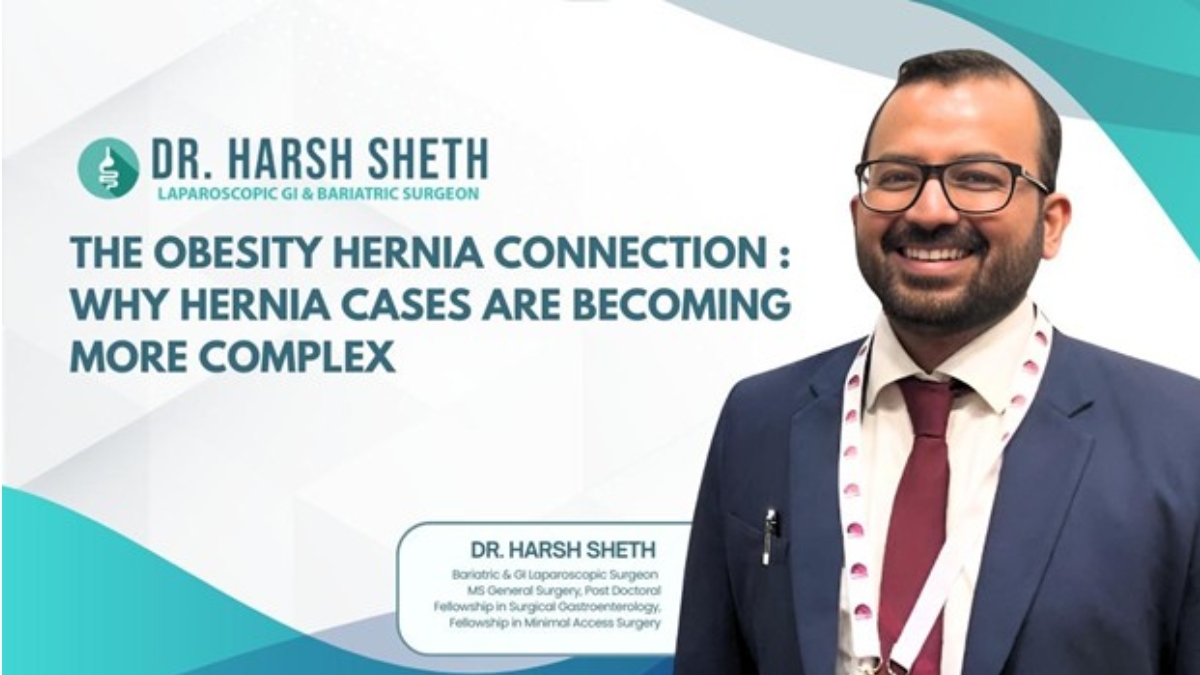
  • Dr. Harsh Sheth Highlights The Obesity–Hernia Connection: Why Hernia Cases Are Becoming More Complex

    Dr. Harsh Sheth Highlights The Obesity–Hernia Connection: Why Hernia Cases Are Becoming More Complex

    Mumbai (Maharashtra) [India], February 24: Surgeons across India are experiencing an increase in difficult hernia operations which primarily occurs because of rising obesity rates. Medical experts now warn that excess body weight not only increases the risk of developing hernias but also complicates their treatment, recovery, and long-term outcomes. The current trend has started to draw attention to the strong relationship which exists between obesity and hernia development.

    Bariatric and laparoscopic surgery specialists report that abdominal wall hernias which include umbilical hernias and incisional hernias and ventral hernias now occur more frequently among patients who have excess weight. The constant pressure which the excess fat applies to the abdominal wall causes muscle weakness under the pressure, which results in abdominal wall bulging and ruptures. In obese patients, hernias also tend to be larger, recurrent, and more difficult to repair successfully.

    Dr. Harsh Sheth, the foremost Bariatric and Laparoscopic Surgeon in Mumbai, states that obesity causes two different effects which lead to hernias. The extra body weight creates elevated abdominal pressure, which results in abdominal wall damage. Modern surgeons encounter their greatest obstacle when they need to perform hernia surgery on patients who have diabetes and high blood pressure and fatty liver disease. The medical conditions of patients create two problems during surgery because they raise danger levels and create obstacles to optimal healing post surgery. The surgical treatment of hernias for obese patients demands specialized knowledge and advanced medical techniques in addition to a cooperative effort between various medical teams.

    Literature studies indicate patients who suffer from obesity face a higher risk of developing surgical complications, which include both wound infections, mesh problems and recurrences following their standard hernia operations. The surgical community has started to prefer minimally invasive methods which use laparoscopic and robotic hernia surgeries because these techniques decrease surgical damage and lead to better patient recovery results.

    “Minimally invasive hernia surgery has transformed the way we treat obese patients,” says Dr. Sheth. “Smaller incisions mean less pain, faster healing, and lower infection rates. However, long-term success still depends on addressing obesity as an underlying cause.”

    Another emerging trend is the increasing number of patients who develop hernias which keep coming back after they have undergone earlier open surgical procedures. People with obesity have a much higher chance of experiencing recurrence which makes their subsequent operations more complicated and demanding than regular procedures. The surgical community now engages in discussions about how doctors should manage obesity before performing hernia surgery.

    Surgeons in specific situations now use a combination of bariatric and hernia surgery which allows them to perform weight-loss surgery and hernia repair either simultaneously in a staged manner. The method intends to decrease total surgical hazards while enhancing results that persist over time. Patients who undergo bariatric surgery experience weight reduction which creates lower abdominal wall tension and enhances their metabolic system while decreasing the likelihood of developing hernias again.

    Dr. Sheth points out that patient knowledge plays a vital role in hernia treatment. The absence of initial pain from swelling makes people postpone their hernia treatment. The delays in hernia treatment due to obesity may lead to dangerous bowel obstruction and strangulation. The emergency situation occurs due to either a lack of early detection or postponing surgical evaluation.

    Experts state that hernia repair represents only one component of a complete health program which requires patients to control their weight and adopt new habits while receiving ongoing medical supervision.

    Awareness about the connection between obesity and hernias will allow patients to make better medical choices. Patients who lose weight before or after hernia surgery experience better surgical results and better life quality. Medical professionals now recommend that patients use long-term weight loss methods such as medical nutrition therapy and supervised exercise, or pharmacotherpay, or bariatric surgery when it is needed.

    As awareness grows, medical professionals hope that more patients will seek early consultation and holistic treatment rather than delaying care. “The goal is not just to repair a hernia, but to prevent it from coming back,” says Dr. Sheth. “Addressing obesity is central to achieving that goal.”

    The management of hernia in obese patients demonstrates rapid progress through current developments in minimally invasive surgical techniques and increased research focus on metabolic health. Experts predict that the future of hernia treatment in India will depend on an integrated approach that combines surgical skills with weight management solutions.

    Dr. Harsh Sheth

    Website: https://drharshsheth.com/

    Address: Genese Clinic, G-14/15 8th Floor, Everest Building, Tardeo Rd, Janata Nagar, Tardeo, Mumbai, Maharashtra 400034

    E-Mail id: sethharsh903@gmail.com

    If you object to the content of this press release, please notify us at pr.error.rectification@gmail.com. We will respond and rectify the situation within 24 hours.
  • Sterling Hospitals’ Sindhubhavan Unit Spearheads Major Cancer Awareness Walkathon with Rotary Club

    Sterling Hospitals’ Sindhubhavan Unit Spearheads Major Cancer Awareness Walkathon with Rotary Club

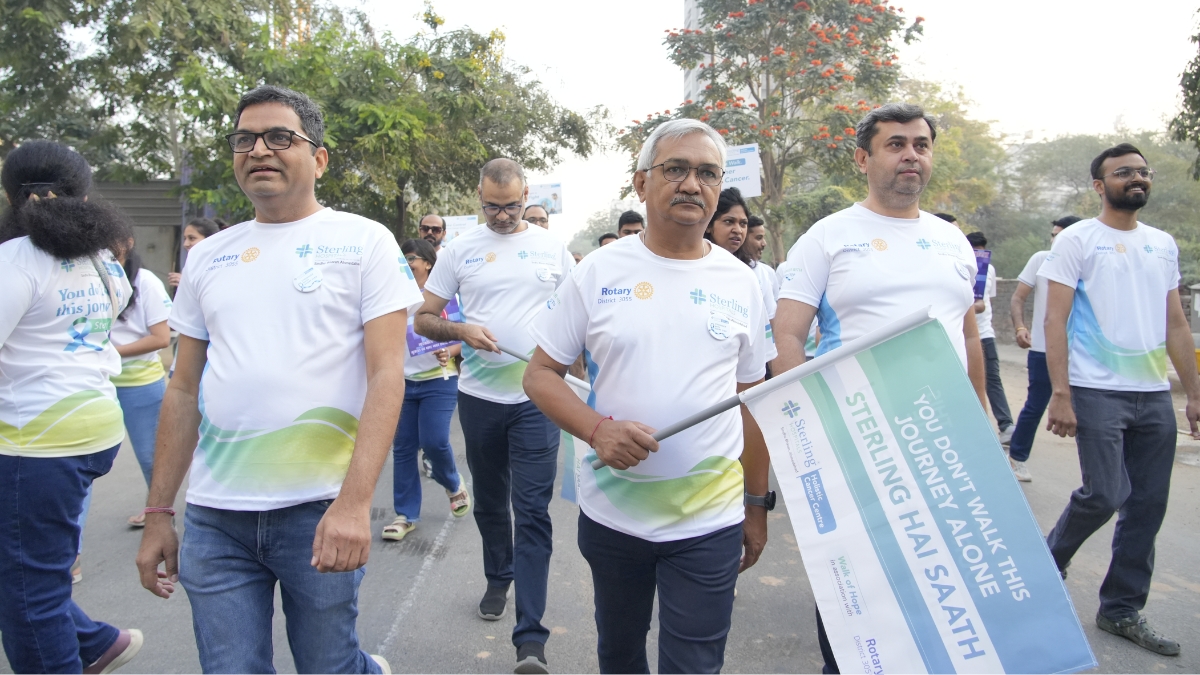
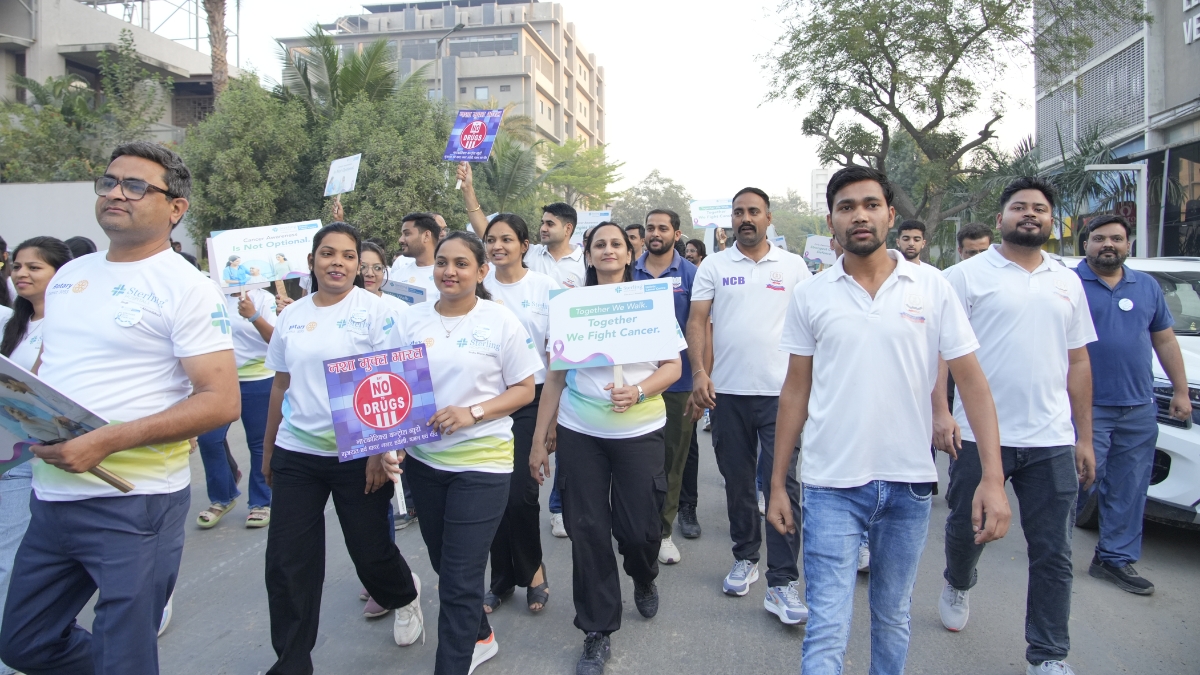
    Ahmedabad (Gujarat) [India], February 24: Sterling Hospitals, in collaboration with the Rotary Club, successfully organized a Cancer Awareness Walkathon to promote awareness about early detection and timely treatment of cancer. Nearly 500 participants took part in the walk, which commenced from Sterling Hospital’s Sindhubhavan Unit. The event was held between 7:00 AM and 9:00 AM and witnessed enthusiastic participation from healthcare professionals, Rotary members, cancer survivors and citizens committed to spreading the message that cancer can be cured if treated at the right time.

    The walkathon aimed to create greater public awareness about cancer prevention, the importance of recognizing early symptoms and the need for regular health check-ups. Organizers emphasized that fear and lack of awareness often lead to delayed diagnosis, whereas timely medical consultation can significantly improve treatment outcomes.

    Mr. Santosh Marathe, MD & CEO, Sterling Hospitals, said, “Sterling Hospitals offers diagnosis, treatment, survivorship programs & palliative care under Oncology services. With advancements in oncology care, many cancers can be effectively treated and even cured, if diagnosed at the right stage. Through this walkathon, we wanted to reinforce the message that timely screening and medical intervention can truly save lives.”

    Highlighting the Sterling hospital’s continued commitment, Mr. Raman Bhaskar, Zonal Director, Ahmedabad Unit, Sterling Hospitals, stated, “The encouraging participation of nearly 500 citizens reflects the growing awareness in the community. Our Sindhubhavan Unit has been dedicated to providing comprehensive cancer care for several years and initiatives like this help us take the message of early detection and cure beyond hospital walls.”

    Dr. Prasad Muglikar, Group Medical Director, Sterling Hospitals Group, said, “Cancer care today goes beyond treatment. It is equally about awareness, prevention and early diagnosis. Initiatives like this walkathon help bridge the gap between medical knowledge and public understanding, encouraging people to seek timely consultations and adopt healthier lifestyles that can reduce cancer risk.”

    Dr. Pooja Nandwani Patel, Director – Radiation Oncology, Sterling Hospitals, added, “From a clinical perspective, early detection helps identify cancer cases at very early stages, thereby reducing the need for multiple treatments and significantly improving cancer cure rates while ensuring a good quality of life after treatment. Through community outreach efforts like this, we aim to educate citizens about the importance of screening and reassure them that with modern therapies and multidisciplinary care, cancer can be effectively managed.”

    Sterling Hospitals

    Adding the Rotary perspective, the spokesperson said, “Rotary has always believed in serving the community through meaningful action. This walkathon is a step toward educating people that cancer should not be feared or ignored. Awareness, regular check-ups and timely treatment can make a life-saving difference.”

    Sterling Hospitals’ Sindhubhavan Unit, a dedicated cancer specific center operational for several years, continues to provide comprehensive oncology services including advanced diagnostics, medical oncology, surgical oncology and radiation oncology under one roof.

    In urban cities like Ahmedabad, changing lifestyles and delayed health check-ups often contribute to late diagnoses. Sterling Hospital strongly urges citizens not to ignore persistent symptoms such as unexplained weight loss, prolonged cough, unusual lumps, abnormal bleeding or long-standing discomfort.

    Regular screenings and preventive health check-ups play a vital role in identifying cancer at an early stage. More importantly, spreading the message that cancer is treatable and, in many cases, curable if addressed in time, is central to this initiative. The successful completion of the walkathon marked a significant step toward building a more informed and health-conscious Ahmedabad, reinforcing the belief that with awareness, regular screening and timely treatment, cancer can be effectively managed and, in many cases, cured.

    Sterling Hospitals

    About Sterling Hospitals

    In Western India, Sterling Hospitals, a private hospital network, dominates the market and offers top-notch medical care. Since its founding in 2001, the hospital has been a leader in the field by offering patients the best possible medical and surgical care.

    The Sterling Group has successfully constructed state-of-the-art secondary care facilities in Ahmedabad, Vadodara, Rajkot and Gandhidham, as well as tertiary care multi-specialty hospitals. The fact that Sterling Hospitals is the first corporate hospital in Gujarat to receive NABH accreditation is evidence of its dedication to providing the highest quality medical treatment.

    The hospital offers a variety of crucial disciplines, such as cardiology and CVTS surgery, neurology and neurosurgery, nephrology and urology, Orthopaedics and Trauma, liver and renal transplantation (cadaveric and live), GI medicine and surgery, haematology, bone marrow transplant, and oncology.

    If you object to the content of this press release, please notify us at pr.error.rectification@gmail.com. We will respond and rectify the situation within 24 hours.
  • Leading Medical and Scientific Experts Discuss Health and Nutritional Aspects of Palm Oil at Seminar in Gurugram

    Leading Medical and Scientific Experts Discuss Health and Nutritional Aspects of Palm Oil at Seminar in Gurugram

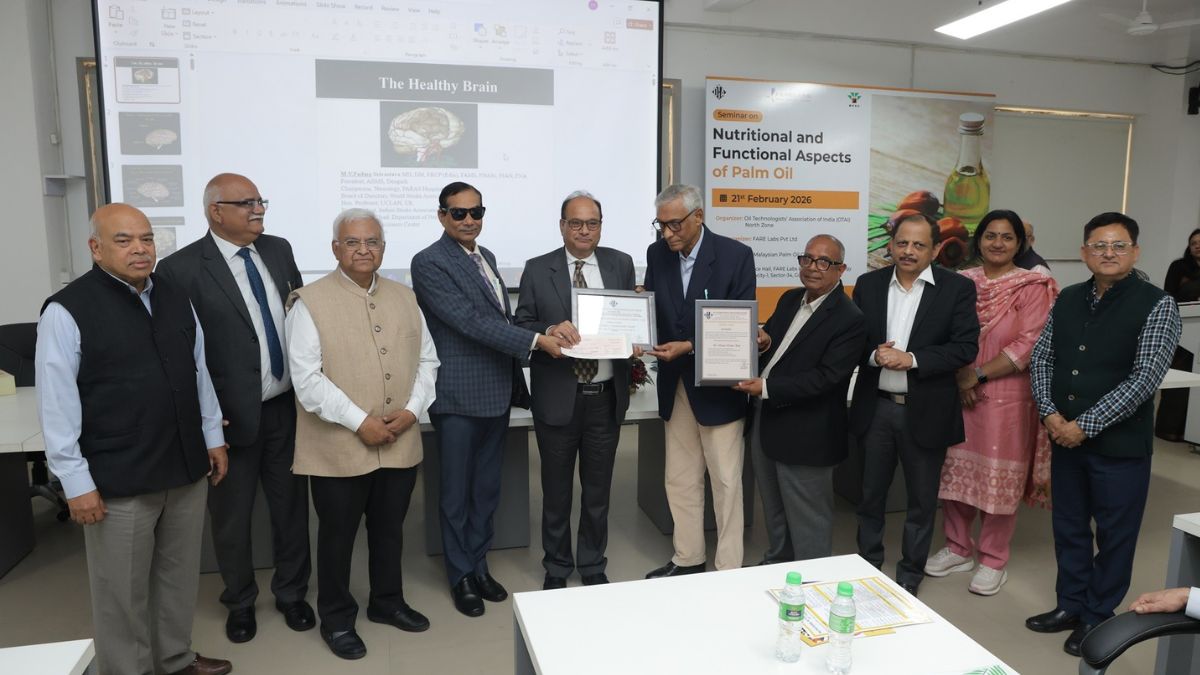
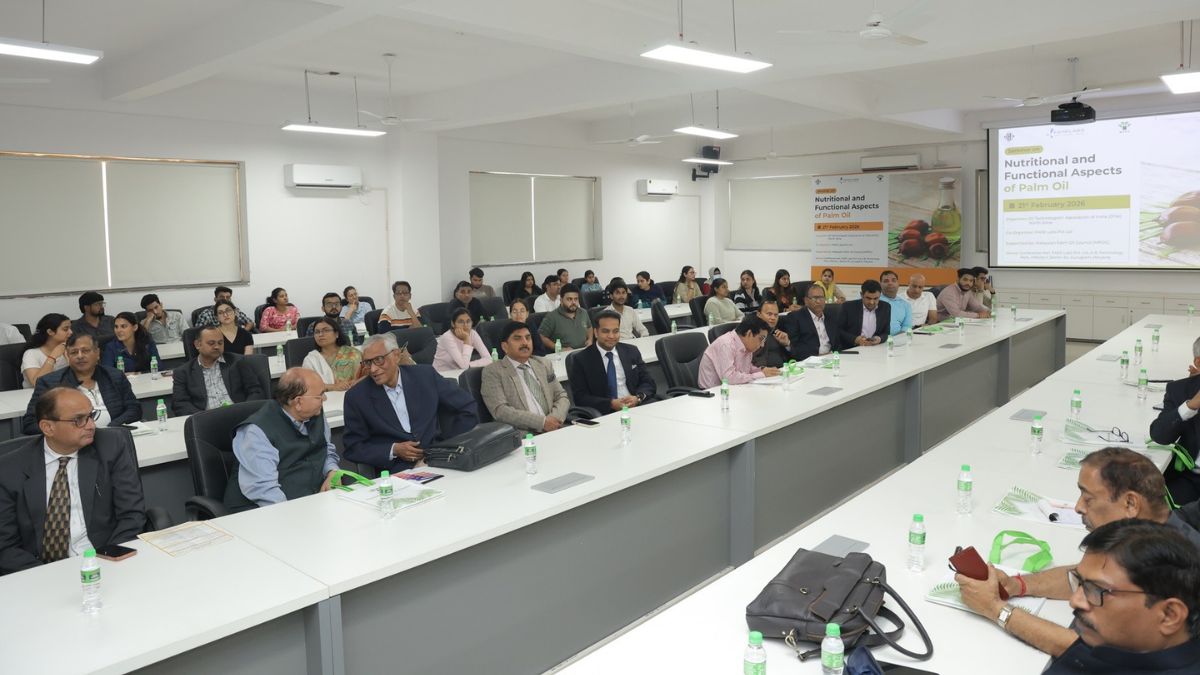
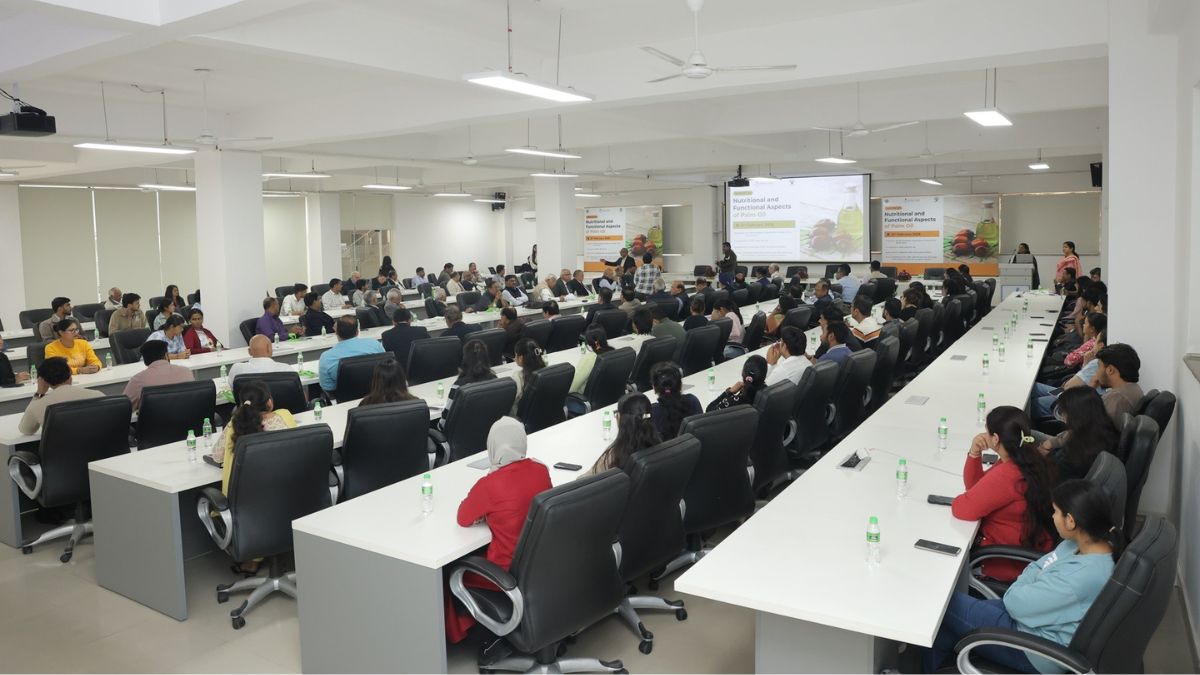
    Gurugram (Haryana) [India], February 23: At a time when edible oils and dietary fats are widely discussed and often misunderstood, leading nutrition scientists, cardiologists, neurologists, food technologists and lipid experts gathered in Gurugram for a half-day seminar on “Nutritional and Functional Aspects of Palm Oil.” 

     The seminar was jointly organised by the Oil Technologists’ Association of India (OTAI) – North Zone and FARE Labs Pvt. Ltd., with support from the Malaysian Palm Oil Council (MPOC). The objective was to create a scientific platform for open and balanced discussions on the role of palm oil in India’s food and nutrition system. 

    Palm Oil Experts from academic, medical and research institutions shared insights on how palm oil performs from a health and functional perspective. Presentations covered topics such as cholesterol metabolism, heart and liver health, neurological aspects, stability during high-heat cooking, food safety testing and quality standards. Speakers highlighted that overall health depends more on balanced diets, lifestyle habits and moderation than on avoiding or focusing on any one specific edible oil. 

    During the technical sessions, experts explained that palm oil is naturally free from trans fats and contains a mix of saturated and unsaturated fatty acids. It also contains Vitamin E components such as tocotrienols and tocopherols, which have antioxidant properties. Because of its stability at high temperatures, palm oil is widely used in Indian cooking methods such as frying and sautéing. When used appropriately, it maintains consistency and performs well in both household and food service applications. 

    Palm Oil The seminar also discussed India’s edible oil situation. As the country works towards reducing import dependence by expanding oil palm cultivation, experts noted that oil palm is one of the highest-yielding oil crops in the world, producing more oil per hectare than most other oilseeds. Given India’s growing demand for edible oils, palm oil offers a practical and scalable solution for both nutritional use and food processing needs. Strengthening domestic oil palm cultivation through scientific farming practices and supportive policies was seen as an important step toward improving long-term edible oil self-reliance. 

    The seminar ended with a shared understanding that palm oil, like any edible oil, must be evaluated within the broader context of overall diet and lifestyle. Experts reiterated that informed decision-making depends on access to credible scientific information. The discussions highlighted the importance of keeping edible oil conversations practical, evidence-driven and aligned with India’s growing nutritional and food security priorities. 

    If you object to the content of this press release, please notify us at pr.error.rectification@gmail.com. We will respond and rectify the situation within 24 hours.
  • Female Age and Reproduction By Dr Ruchi Thakor – Ruchi Candor Women Hospital & IVF Center.

    Female Age and Reproduction By Dr Ruchi Thakor – Ruchi Candor Women Hospital & IVF Center.

    New Delhi [India], February 20: A woman’s reproductive ability is deeply influenced by age. While communal and personal choices play an important role in determining when to plan a family, biological factors remain constant. Understanding how age affects fertility empowers women to make informed, timely, and confident reproductive decisions.

    Understanding Female Fertility

    Women are born with a finite number of eggs. This ovarian reserve declines gradually with age, both in number and quality. Unlike sperm production in men, egg production does not renew, making age a crucial determinant of fertility, pregnancy success, and outcomes.

    Fertility at Different Life Stages

    20–29 years
    This is the most fertile phase. Ovulation is regular, egg quality is optimal, and chances of natural conception are highest. Pregnancy-related complications are minimal.

    30–34 years
    Fertility remains good, though a slow decline begins. Many women conceive naturally during this phase, but ovarian reserve starts decreasing silently.

    35–39 years
    Fertility decline becomes more significant. There is a noticeable reduction in egg quality, leading to lower conception rates and higher risks of miscarriage and chromosomal abnormalities.

    40 years and above
    Natural conception becomes challenging. Assisted reproductive techniques such as IVF may help, but success rates are lower due to reduced egg quality. Pregnancy risks such as high blood pressure, diabetes, and preterm delivery increase.

    Effect of Age on Fertility Treatments

    Age is the strongest predictor of success in fertility treatments. Younger women usually respond better to ovarian stimulation and have higher-quality embryos. As age advances, treatment cycles may increase, and in some cases, donor eggs may be advised for better outcomes.

    Fertility Preservation Options

    Women who wish to delay pregnancy can consider:

    • Fertility assessment (AMH test and ultrasound)
    • Egg freezing at a younger age
    • Early consultation with a gynecologist or fertility specialist

    Healthy lifestyle habits can support reproductive health, but they cannot fully reverse age-related fertility decline.

    Final Message

    Age-related fertility decline is natural, but awareness is key. Women should seek accurate medical guidance rather than rely on myths. Timely evaluation and personalized counseling can help achieve healthy reproductive outcomes.

    Women above 35 years should consult a gynecologist if pregnancy does not occur after six months of trying.

    About the Author

    Dr Ruchi Thakor
    Gynecologist | Obstetrician | Fertility Specialist

    Consultation Locations:

    Ruchi Candor Women’s Hospital & IVF Center.
    3rd Floor, Vasupujya Empire-11, 302–303
    Near TGB Circle, Surat, Gujarat – 395009
    07777924854

    Velocity Multispeciality Hospital
    3rd Floor, Velocity Business Hub
    Near Madhuvan Circle, LP Savani Road
    Pal–Adajan, Surat, Gujarat – 395009
    07435 081000

    If you object to the content of this press release, please notify us at pr.error.rectification@gmail.com. We will respond and rectify the situation within 24 hours.
  • 1/3rd Indians wake up to poor sleep: Dr Vikas Agrawal

    1/3rd Indians wake up to poor sleep: Dr Vikas Agrawal

    Dr. Vikas Agrawal, Asia’s leading ENT surgeon.

    Mumbai (Maharashtra) [India], February 19: Mumbai will host India’s first International Sleep Surgery Conference (ISSS2026) from February 20–22, 2026, at JW Marriott Sahar. Chaired by Dr Vikas Agrawal, called the ‘father of sleep surgery’ in India, this landmark three- day event features global experts in sleep medicine to address one of the most silent epidemics of modern times; sleep apnea, which affects a staggering one third of Indians. Given the importance of the subject, Justice D.Y. Chandrachud, former Chief Justice of India will inaugurate the conference and highlight why ‘sleep health’ is an important public health and policy issue.

    The three-day conference aims to spotlight three big growing medical and public health concerns

    • Sleep apnea is extremely dangerous but easily treatable if diagnosed early.
    • The lifetime burden of sleep apnea indicates that this condition leads to everything from heart disease to cancer to road safety concerns linked to excessive daytime sleepiness to divorces. This can be easily prevented if treated early and insurance companies cover all treatment modalities for sleep apnea.
    • Snoring is a sensitive subject. Families can now use technology to detect snoring, sleep apnea and seek intervention early.

    The inaugural event will also feature prominent voices in ENT including Padmashri Dr. Milind Kirtane and Padmashri Dr. Kameswaran. Global experts such as Dr. Maria Suurna (Miami), President of the International Sleep Surgery Society (ISSS) will throw light on insurance practices in the US.

    Ahead of the conference, Dr Vikas Agrawal said, “Insurance coverage for basic OSA surgery is fragmented. Given how destructive sleep apnea is, and the pace of medical advancements, it is important that treatment be covered by all policies.  – for eg. in patients who cannot tolerate CPAP- a tongue based pace maker is available in developed countries, should be made available in India- it is important for families to be able to reach out for a cure. A simple day care procedure to cure sleep apnea can make a massive difference to people’s daily lives and prevent dangerous diseases from taking hold.”

    Beyond surgical advancements, the conference seeks to encourage wider awareness, early diagnosis, and collaborative policy discussions to address sleep apnea as a growing public health concern in India.

  • On India’s 77th Republic Day, Davaindia Launches 77 New Company Stores to Strengthen Affordable Healthcare

    On India’s 77th Republic Day, Davaindia Launches 77 New Company Stores to Strengthen Affordable Healthcare

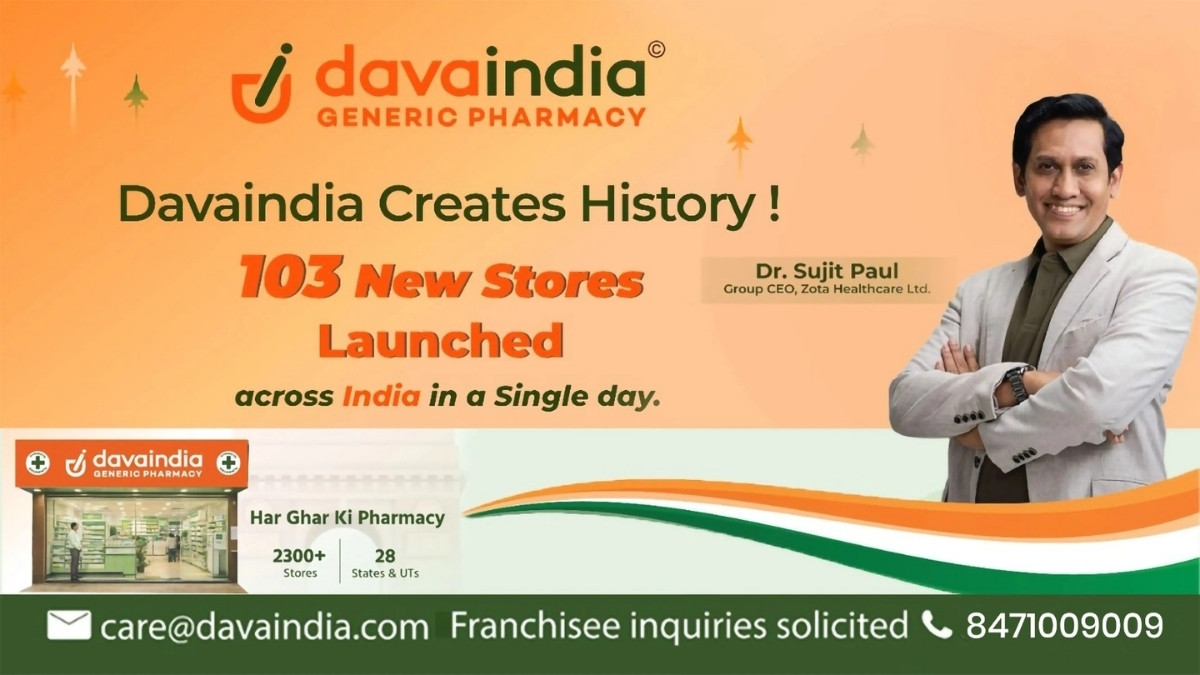
    New Delhi [India], February 18: Marking a proud national milestone, Davaindia – The Generic Pharmacy, under the aegis of Zota Healthcare Ltd., announced the launch of 77 new company stores across India on the occasion of the country’s 77 Republic Day. This landmark expansion reflects Davaindia’s commitment to making quality and affordable healthcare accessible to every Indian household.

    The simultaneous opening of 77 new company stores& 26 network partner stores reinforces Davaindia’s vision of “HarGhar Ki Pharmacy”, expanding its footprint across metros, Tier 2, and Tier 3 cities, and bringing trusted generic medicines closer to communities nationwide.

    Speaking on the occasion, Dr. Sujit Paul, Group CEO, Zota Healthcare, said,

    “Launching 77 Davaindia company stores& 26 network partner stores on the 77th Republic Day is symbolic of our belief in a self-reliant, healthier India. Affordable healthcare is a national imperative, and Davaindia is proud to contribute by ensuring access, trust, and transparency in medicine pricing.”

    Davaindia stores offer high-quality generic medicines at affordable prices, helping families reduce healthcare expenses without compromising on quality. With this expansion, the brand continues to empower patients, create local employment opportunities, and strengthen India’s healthcare retail ecosystem.

    As India celebrates its Republic Day, Davaindia reaffirms its pledge to serve the nation by making healthcare more inclusive, accessible, and affordable for all.

    If you object to the content of this press release, please notify us at pr.error.rectification@gmail.com. We will respond and rectify the situation within 24 hours.
  • Rectal Cancer Survivorship at MACS Clinic: Offering Ongoing Support for Recovery

    Rectal Cancer Survivorship at MACS Clinic: Offering Ongoing Support for Recovery

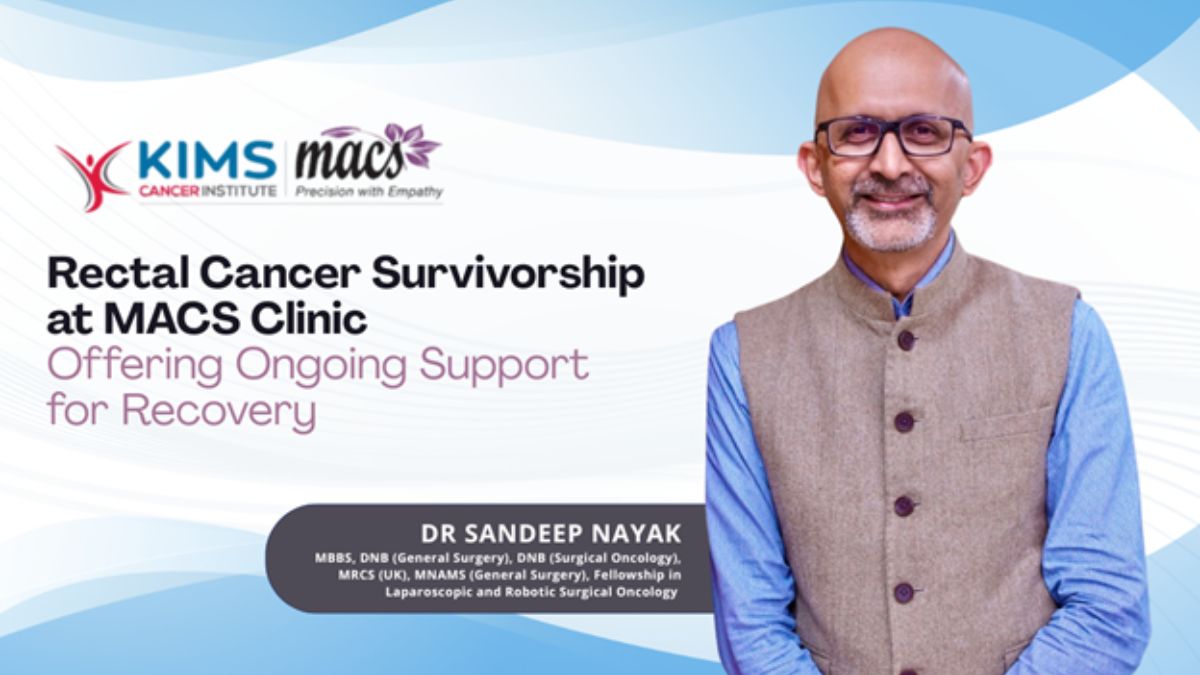
    Bengaluru (Karnataka) [India], February 18: Cancer treatment doesn’t end when the last surgery or cycle of chemotherapy is complete, especially for patients who have battled rectal cancer. Survivorship brings its own set of challenges, from physical healing to emotional adjustment. At MACS Clinic in Bengaluru, a strong emphasis on comprehensive post‑treatment care ensures patients don’t merely survive cancer; they thrive beyond it. Spearheading this compassionate approach is Dr. Sandeep Nayak, a globally recognized surgical oncologist known for his innovative cancer surgery techniques and patient‑centred care.

    As a leader in Cancer Treatment in Bangalore, MACS Clinic understands that rectal cancer recovery is a journey, not a destination. “We treat the tumour first, but then we help patients rebuild their lives,” says Dr. Nayak. “Survivorship care means empowering patients with the tools, support, and guidance they need to regain strength, confidence, and normalcy after intensive treatment.” At every stage, MACS Clinic’s multidisciplinary team stands beside the patient, offering personalised support tailored to each survivor’s physical, emotional, and psychological needs.

    Rectal cancer can affect quality of life long after the tumour is removed. Patients may struggle with bowel dysfunction, fatigue, dietary changes, or anxiety about recurrence. Recognising these realities, Dr. Nayak and his team have developed a comprehensive survivorship programme that goes beyond standard follow‑ups. “Every person’s journey is unique,” explains Dr. Nayak. “We assess not just test results, but quality of life, daily function, and emotional well-being. That’s what true cancer care looks like.”

    MACS Clinic’s survivorship care includes rehabilitation, dietary guidance, pain management, psychosocial counselling, and routine surveillance to detect early recurrence. Physiotherapists, dietitians, counsellors, and oncology specialists work together to help survivors resume their daily routines with confidence. “Our patients often tell us that the fear of recurrence is as real as the disease itself,” says Dr. Nayak. “We listen, we guide, and we help them find strength in the path ahead.”

    For many rectal cancer survivors, practical support is just as important as medical follow‑ups. MACS Clinic provides education on lifestyle modifications that may reduce long‑term complications, including guidance on exercise, nutrition, and bowel health. “Knowledge is power,” Dr. Nayak notes. “Understanding your body and how to care for it after cancer gives patients a sense of control. That’s a huge part of recovery.”

    Stories of restored hope and resilience are a testament to the clinic’s approach. Take the case of a person who underwent robotic‑assisted rectal cancer surgery at MACS Clinic. After surgery and adjuvant therapy, he struggled with fatigue, anxiety, and changes in bowel habits. The survivorship team provided tailored rehabilitation exercises, nutritional counselling, and regular check‑ins, enabling him to regain strength and return to work within months. “I felt supported every step of the way,” he says. “The team didn’t just treat my cancer, they treated me as a person.”

    MACS Clinic’s survivor care model also encourages family involvement, ensuring caregivers have the resources to support their loved ones. “Cancer affects families as much as it does patients,” Dr. Nayak explains. “We encourage open conversations, counselling sessions, and family education so the whole support system is strong.”

    Dr. Nayak’s vision of holistic care is rooted in decades of experience and innovation in surgical oncology. As the Founder and Chief of Surgical Oncology at MACS Clinic, he has dedicated his career to minimally invasive and robotic techniques that reduce trauma and accelerate recovery. His expertise extends to complex procedures such as robotic and laparoscopic surgery for rectal, thyroid, head and neck, and other cancers. “My goal has always been to minimise the physical burden of cancer treatment,” says Dr. Nayak. “But survivorship is about minimising the emotional and social burdens too.”

    The clinic’s commitment to excellence attracts patients not only from across India but also from abroad. With state‑of‑the‑art facilities and a multidisciplinary team that includes medical oncologists, radiation specialists, nutritionists, physiotherapists, and counsellors, MACS Clinic ensures a continuum of care that extends well into the post‑treatment phase.

    Importantly, survivorship care at MACS Clinic is proactive rather than reactive. Regular surveillance with imaging, blood tests, and clinical evaluations helps catch potential recurrence early, when treatments are most effective. Patients also have access to support groups and educational sessions that keep them informed and engaged long after formal treatment has ended.

    “Becoming a survivor is a milestone,” Dr. Nayak reflects. “But living well after cancer, that is the real victory. We are here to make sure survivors do not feel alone, confused, or uncertain. This is our promise to every person who walks through our doors.”

    If you or a loved one is navigating life after rectal cancer treatment, MACS Clinic’s comprehensive survivorship programme offers ongoing support designed to restore health, confidence, and wellbeing.

    Clinic Locations:

    • MACS Clinic
      No. 96/A /9/1, 42nd Cross, 3rd Main, 8th Block, Jayanagar, Bengaluru – 560070
    • KIMS Hospitals, Mahadevapura
      Survey No. 36/5, Outer Ring Road, Doddanekkundi, Mahadevapura, K.R. Puram Hobli, Bengaluru, Karnataka – 560037
    • KIMS Hospitals, Electronic City
      Survey No. 37 & 38, PES University EC Campus, Hosur Road, Konappana Agrahara, Electronic City, Bengaluru, Karnataka – 560100

    If you object to the content of this press release, please notify us at pr.error.rectification@gmail.com. We will respond and rectify the situation within 24 hours.
  • Vision Beyond Boundaries: How Dr. Suresh K. Pandey and Dr. Vidushi Sharma Are Transforming Kota into a Global Ophthalmic Hub

    Vision Beyond Boundaries: How Dr. Suresh K. Pandey and Dr. Vidushi Sharma Are Transforming Kota into a Global Ophthalmic Hub

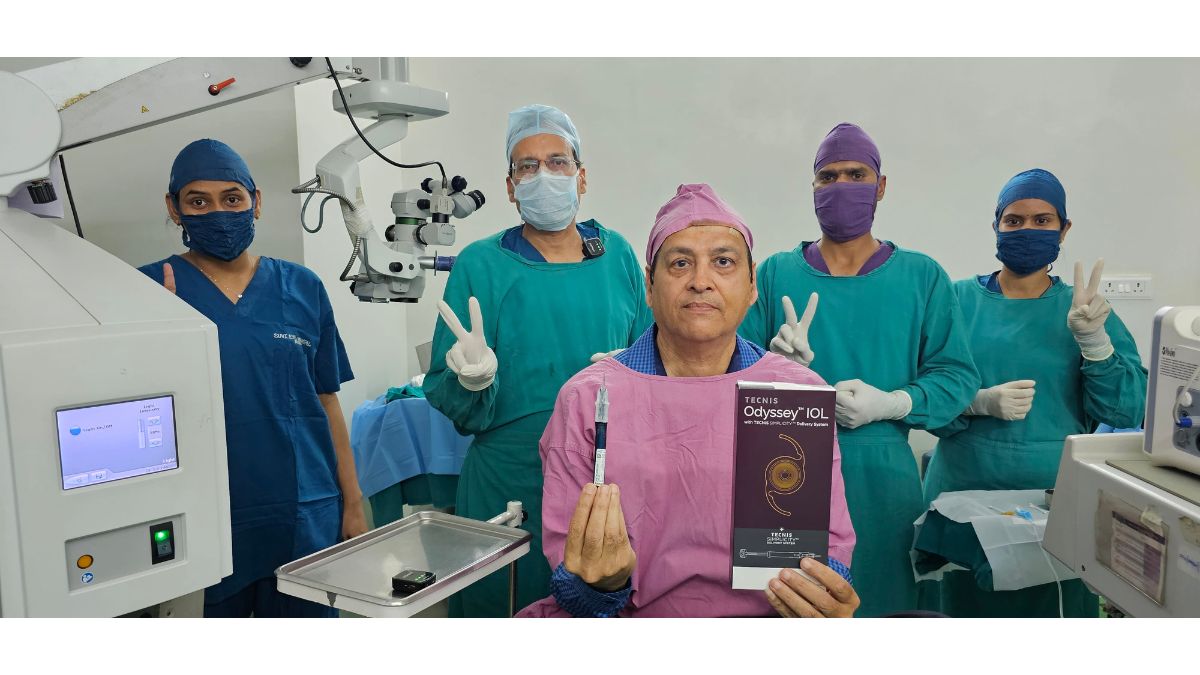
    Kota (Rajasthan) [India], February 18: For decades, the city of Kota in Rajasthan has been synonymous with academic coaching, serving as the intense crucible for India’s future engineers and doctors. However, a quiet but powerful transformation is currently reshaping the city’s identity: it is rapidly evolving from a center of academic preparation into a destination for advanced medical innovation and execution. Leading this paradigm shift in the field of ophthalmology are Dr. Suresh K. Pandey and Dr. Vidushi Sharma, the founders of SuVi Eye Institute & Lasik Laser Centre. Their latest achievement—the state-first implantation of the Johnson & Johnson Vision TECNIS Odyssey intraocular lens (IOL) on February 13, 2026—is more than a surgical milestone; it is a definitive statement that Kota has evolved into a bona fide ophthalmic hub, capable of delivering specialized care previously available only in metropolitan giants or overseas medical centers.

    The landmark procedure was performed on Mr. Kailash Chand Jain, a retired banker who had been struggling with deteriorating vision. The surgery utilized the TECNIS Odyssey’s proprietary Freeform Diffractive technology, a revolutionary advancement designed to restore full-range, spectacle-free vision. Unlike previous generations of multifocal lenses, which often necessitated a trade-off between visual clarity and side effects, this next-generation lens minimizes visual disturbances like halos and glare while maximizing contrast sensitivity in low-light conditions. The surgery was led by Dr. Pandey alongside a dedicated team including Dr. Vidushi Sharma, Dr. Satyendra Kumar Gupta, and Dr. Nipun Bagrecha. The procedure—a masterclass in modern cataract management documented for a global audience—culminated in an exceptional visual outcome of 6/6 and N6, effectively restoring perfect distance, intermediate, and near vision for the patient.

    But for seasoned observers of Rajasthan’s medical landscape, this event was merely the latest coordinate in a trajectory that Dr. Suresh K. Pandey and Dr. Vidushi Sharma have been plotting since 2006. Their mission has been singular and unwavering: to dismantle the geographical hierarchy of healthcare, where “best-in-class” technology was the exclusive domain of Tier-1 cities. By successfully deploying this technology, the team has once again proven that geography is no barrier to clinical excellence.

    Building a Hub: The “Reverse Brain Drain” Effect

    The story of SuVi Eye Hospital is a compelling case study in the phenomenon of “reverse brain drain.” Dr. Suresh K. Pandey and Dr. Vidushi Sharma returned to India after completing extensive fellowships and training at some of the world’s most prestigious institutions, including the Storm Eye Institute at the Medical University of South Carolina (USA), the John A. Moran Eye Center at the University of Utah (USA), and the Sydney Eye Hospital (Australia). At a time when most professionals with such global credentials were gravitating toward Mumbai, New Delhi, or remaining abroad, they chose Kota. They were driven by a vision to create a center of excellence in the Hadoti region that would rival international standards.

    “Our goal was never just to run a clinic; it was to build an institution where the technology matches the talent,” says Dr. Suresh K. Pandey, a recipient of the prestigious American Academy of Ophthalmology (AAO) Achievement Award. “When we perform a procedure like the TECNIS Odyssey implantation here, we are sending a message to patients in Bundi, Baran, Jhalawar, and beyond: You do not need to travel hundreds of kilometers for world-class sight. The hub is here.”

    A Legacy of Firsts: The Pillars of Excellence

    A true medical hub is defined by its ability to pioneer, not just replicate. SuVi Eye Hospital has consistently validated Kota’s status through a series of groundbreaking “firsts” that have drawn attention from the international ophthalmic community. On July 23, 2021, the institute set a national benchmark by performing India’s first implantation of the TECNIS Synergy Toric IOL in a child with congenital cataract and astigmatism. This complex procedure, viewable at

    https://www.youtube.com/watch?v=CTcWS5dSLuY

    showcased the hospital’s capability to handle the most delicate and high-stakes cases, granting a young patient a future of clear vision.

    Further cementing this reputation for innovation, in July 2025, Dr. Pandey pioneered the world’s first “dropless” toric Implantable Phakic Contact Lens (IPCL, Care Group, India) surgery. Using the MydriCare XL PFS intracameral solution, he eliminated the need for preoperative dilating drops, streamlining the surgical workflow and significantly enhancing patient comfort. This technique, documented at

    https://www.youtube.com/watch?v=lZiRPQ47TXA

    placed Kota on the global map for refractive surgery innovation, proving that procedural advancements can originate from Tier-2 cities.

    Democratizing Knowledge and Access

    SuVi Eye Hospital has transcended its role as a mere healthcare provider to become a dynamic global center for learning and community impact. Its YouTube channel serves as a “digital amphitheater,” where Dr. Suresh K. Pandey, Dr. Vidushi Sharma, Dr. Satyendra Kumar Gupta, and Dr. Nipun Bagrecha share surgical pearls, complex case studies, and new techniques with thousands of ophthalmologists worldwide. This culture of open knowledge-sharing reinforces Kota’s reputation as a center of intellectual weight in the medical field. The academic rigor is tangible on the ground: SuVi Eye Hospital has trained over 100 ophthalmology fellows, including 25 medical retina specialists under the expert mentorship of Dr. Nipun Bagrecha, thereby seeding the next generation of surgeons with advanced skills.

    The NABH-preaccredited facility supports this expertise with world-class infrastructure that rivals top university hospitals. The center features Rajasthan’s first Zepto® Nano Pulse technology, a revolutionary precision tool for automated capsulotomy, alongside the advanced VISX STAR S4 IR Excimer Laser for LASIK. The facility is further equipped with state-of-the-art phacoemulsification systems, Optical Coherence Tomography (OCT), YAG and Green lasers, Pentacam for corneal topography, and specular microscopes. This technological arsenal ensures a rare continuity of care in a non-metro setting, spanning adult and pediatric cataract, strabismus, glaucoma, keratoconus, oculoplastics, and cornea services. Additionally, the hospital provides specialized care for ocular trauma, runs a dedicated myopia clinic, and offers comprehensive retina services.

    Crucially, the institute’s mission extends beyond the sterile environment of the operating theatre. Through a mobile eye care unit bus and vital public health initiatives, including extensive myopia awareness programs in local schools, the hospital takes a proactive approach to community health. By seamlessly blending high-tech surgical training with grassroots service, SuVi Eye Hospital is effectively redefining the concept of a comprehensive medical hub, ensuring that advanced, compassionate care is truly accessible to every patient, regardless of their socioeconomic status.

    The Future of Eye Care in Rajasthan

    The successful visual rehabilitation of Mr. Jain with the TECNIS Odyssey™ serves as a microcosm of the hospital’s broader impact. “It used to be that if you wanted the latest American or European technology, you had to go to Delhi,” Mr. Jain remarked post-surgery. “Now, the technology comes to us.”

    As Dr. Suresh K. Pandey and Dr. Vidushi Sharma continue to introduce state-of-the-art solutions to Rajasthan, they are doing more than restoring sight; they are redefining the medical geography of India. By turning Kota into a hub where innovation meets compassion, they are ensuring that the future of ophthalmology is not just urban-centric, but universally accessible. “Vision Beyond Boundaries” is not just a slogan for SuVi Eye Hospital; it is the lived reality of every patient who walks through their doors.

    If you object to the content of this press release, please notify us at pr.error.rectification@gmail.com. We will respond and rectify the situation within 24 hours.
  • Advances in Brain and Spine Surgery Enable Safer Treatment and Faster Recovery, Experts Highlight

    Advances in Brain and Spine Surgery Enable Safer Treatment and Faster Recovery, Experts Highlight

    New Delhi [India], February 17: In one of a kind event, leading Neurosurgeons and spine specialists Dr. Amit Joshi & Dr. Amit Bhardwaj came together today to discuss the growing burden of brain and spine disorders and how rapid advancements in surgical techniques are transforming patient outcomes. The expert-led interaction focused on early symptom recognition, evolving treatment options, and the shift from traditional open surgeries to minimally invasive and technology-enabled procedures.

    Opening the medical session, experts highlighted the importance of recognizing early warning signs of brain and spine conditions such as persistent back pain, weakness, numbness, imbalance, chronic headaches, and changes in speech or vision. Early consultation and timely diagnosis, they emphasized, can significantly improve treatment success and quality of life.

    The panel discussed a wide range of treatment options available today, including conservative management, minimally invasive spine surgery, and advanced brain surgery techniques. Specialists explained that treatment decisions are highly individualized and depend on the patient’s condition, overall health, and disease severity.

    Speaking on the evolution of spine surgery, the experts noted a clear shift from traditional open procedures to minimally invasive approaches that reduce tissue damage, blood loss, hospital stay, and recovery time. The integration of advanced imaging and navigation technologies has further enhanced surgical precision and safety.

    Addressing advancements in brain surgery, the speakers highlighted how navigation-guided and endoscopic techniques allow surgeons to operate with greater accuracy while minimizing risk to critical brain structures. These innovations have contributed to improved outcomes, faster recovery, and better overall patient experience.

    The session concluded with an interactive media discussion, where experts reiterated the importance of patient education, safety, and informed decision-making. While advanced technologies have expanded treatment possibilities, the doctors stressed that not every patient requires surgery and that expert evaluation remains essential.

    This initiative aims to raise public awareness about brain and spine health and empower patients to seek timely medical advice.

    Disclaimer: Issued in Public Interest by Mediatronics for general information and awareness purposes only. Nothing in this communication is meant to be medical advice. Patients should consult with their physician for their symptoms and conditions.

  • CritiCare Asia Hospitals launches Smith+Nephew CORI robotic system for joint replacements

    CritiCare Asia Hospitals launches Smith+Nephew CORI robotic system for joint replacements

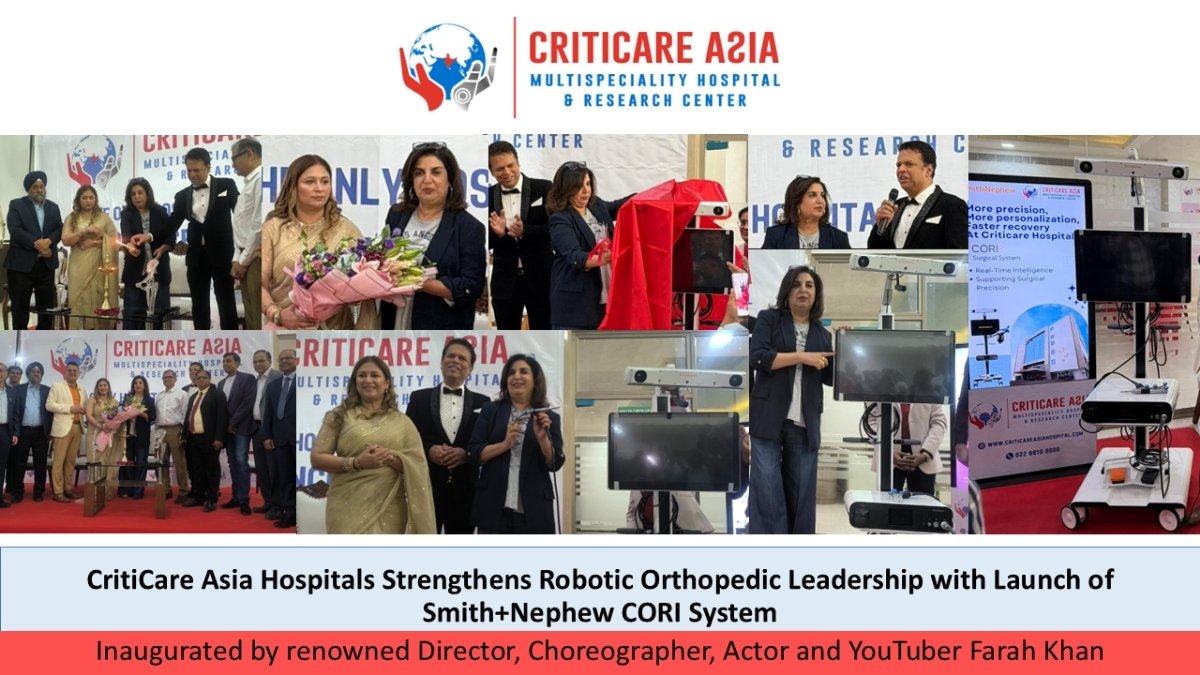
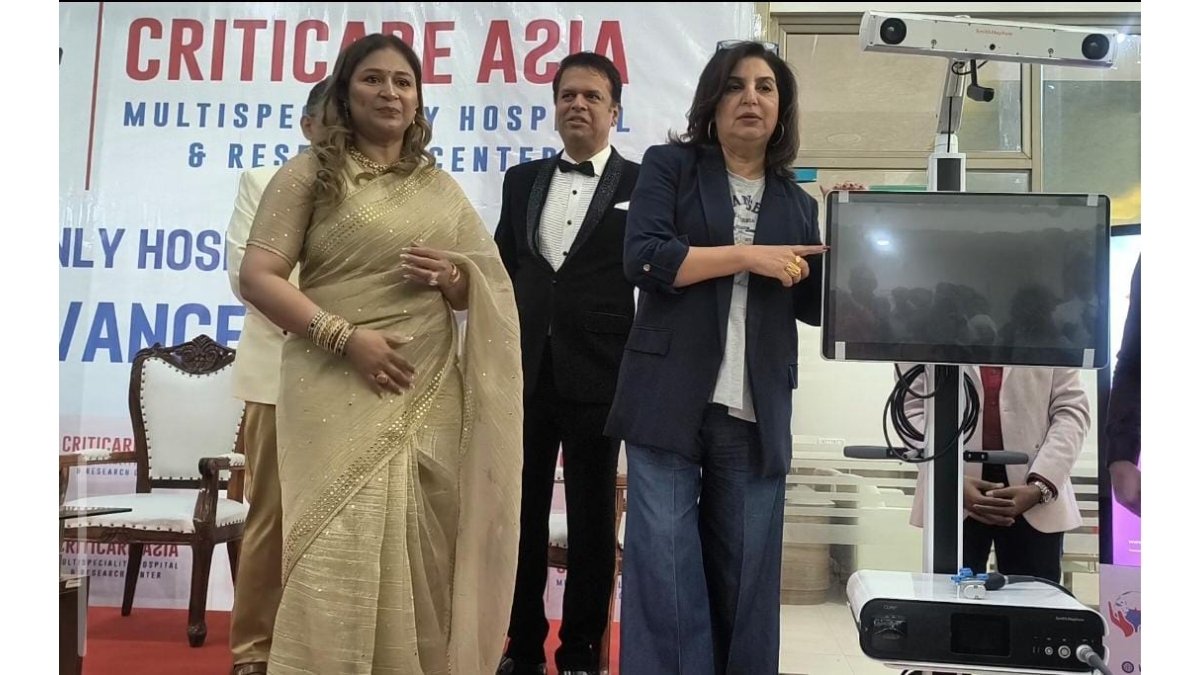
    Mumbai (Maharashtra) [India], February 18: CritiCare Asia Hospitals has announced the launch of the Smith+Nephew CORI Robotic System for joint replacement surgeries, marking a further step in the group’s focus on precision-driven, technology-enabled orthopedic care. The addition comes as the hospital network completes 25 years of healthcare service and continues to expand its investment in advanced clinical infrastructure.

    Operating four hospitals across Andheri, Juhu, Malad, and Kurla, with a combined capacity of more than 650 beds, the group has steadily strengthened its orthopedic capabilities over the years. Hospital representatives said the latest robotic platform is intended to support improved surgical accuracy, better implant positioning, and faster recovery timelines for patients undergoing joint replacement procedures.

    The system was inaugurated by filmmaker and choreographer Farah Khan, who acknowledged the hospital’s efforts to introduce advanced global technologies locally. Speaking at the event, she noted that innovations that help reduce pain and speed up recovery can make a meaningful difference to families and caregivers alike.

    Under the leadership of founders and directors Dr. Deepak Namjoshi and Dr. Masuuma Namjoshi, the hospital group has focused on adopting technologies that enhance both outcomes and patient comfort. With the addition of CORI, CritiCare Asia Hospitals stated that it has become the only hospital chain in the city to offer three robotic platforms for joint replacement surgeries — Cuvis, Velys, and CORI — allowing surgeons to choose systems based on individual clinical requirements.

    CritiCare Asia Hospitals launches Smith+Nephew CORI robotic system for joint replacements -PNn

    According to the hospital, the surgeon-controlled CORI platform uses real-time data and digital planning tools to assist with precise bone preparation and implant alignment. This approach is expected to help improve joint function and enable more personalised surgical strategies.

    The robotic programme is also being expanded beyond knee replacements to include robotic-assisted hip procedures, in addition to total and partial knee surgeries. Hospital officials said the move reflects a broader effort to support mobility restoration, joint preservation, and long-term patient well-being.

    Dr. Deepak Namjoshi stated that integrating surgical expertise with advanced medical technologies remains central to the group’s approach, with the aim of ensuring safer procedures and smoother recovery for patients. Dr. Masuuma Namjoshi added that joint pain often impacts independence and quality of life, and making advanced treatment accessible and affordable has been a priority for the network.

    The surgical team described the addition of the third robotic system as a significant milestone, noting that earlier platforms had already demonstrated encouraging outcomes in joint replacement care. The new system is expected to further expand capabilities and provide patients with more precise and customised treatment options.

    With the introduction of the CORI Robotic System, CritiCare Asia Hospitals continues to strengthen its position in advanced orthopedic care, offering patients in Mumbai access to contemporary, technology-enabled joint replacement solutions.

    For more information, visit: www.criticareasiahospital.com

    If you object to the content of this press release, please notify us at pr.error.rectification@gmail.com. We will respond and rectify the situation within 24 hours.